Artwork
Lagoon of the Guayaquil River, Ecuador
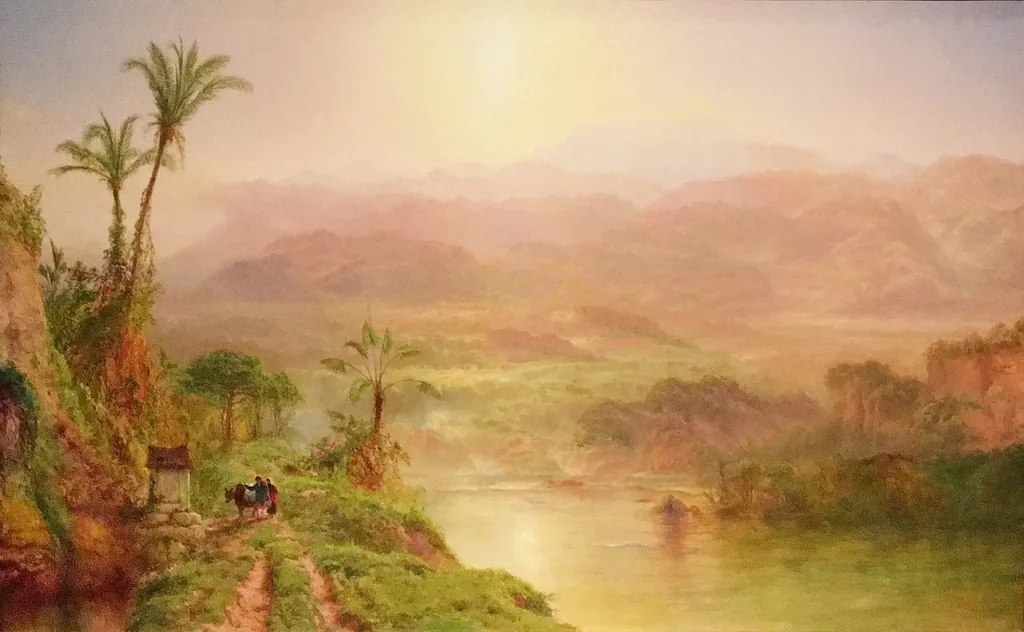
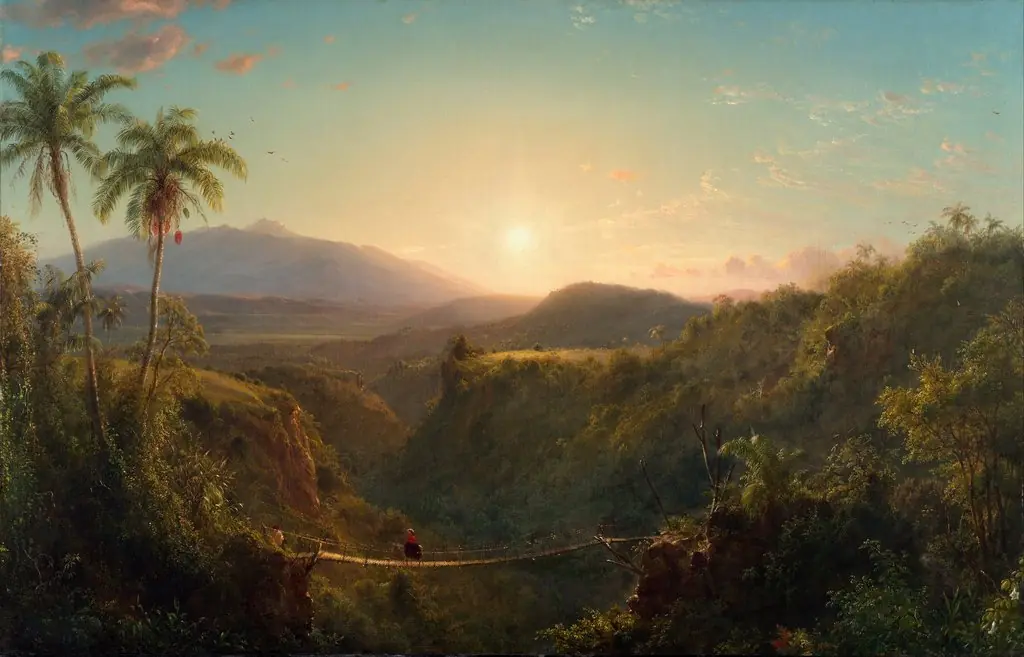
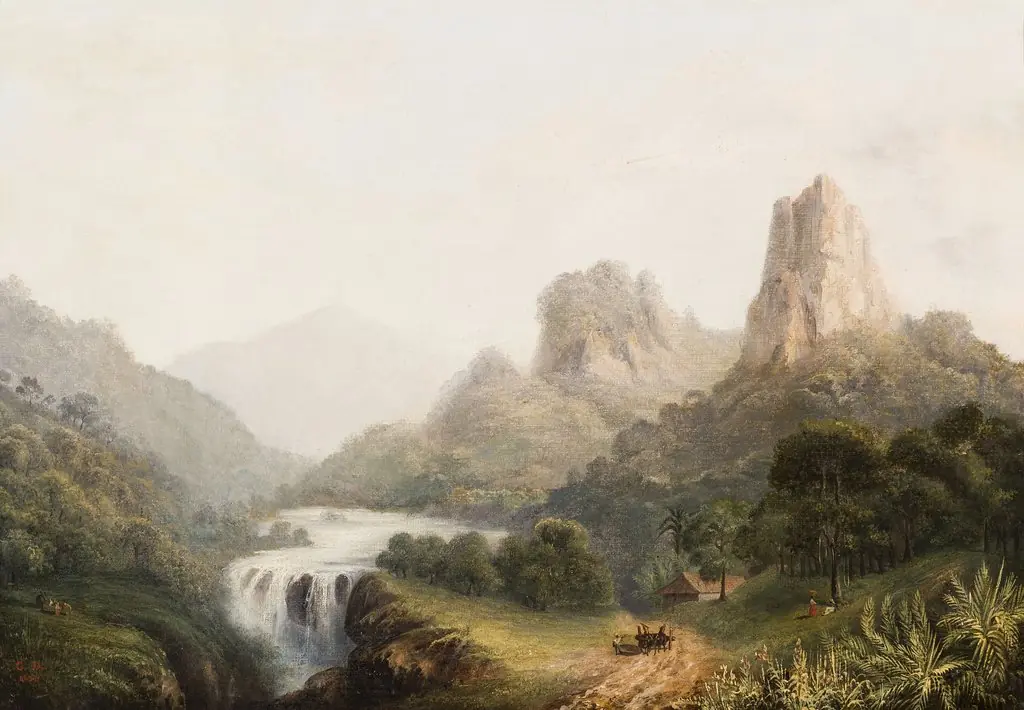
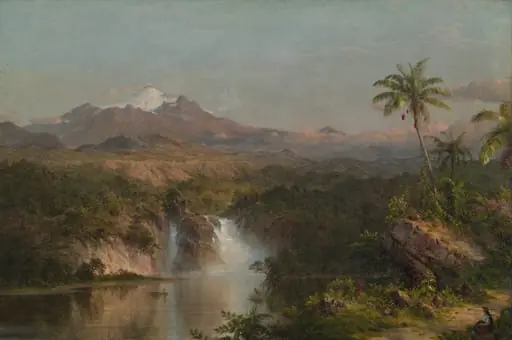
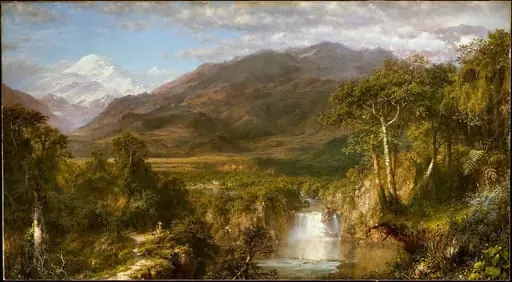
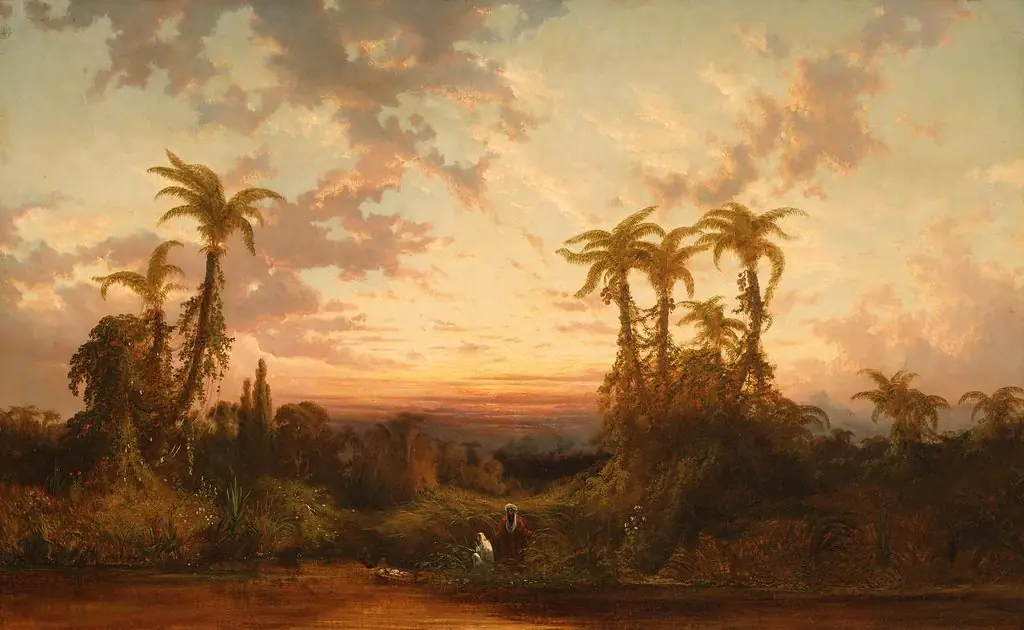
Lagoon of the Guayaquil River, Ecuador is an oil painting by Louis Rémy Mignot. It dates from 1863 and is held in the collection of the Detroit Institute of Arts.
About this work
Overview
Though trained in Europe and of French Catholic heritage, Mignot’s work bridges transatlantic influences and his American roots.
Painted in 1863, *Lagoon of the Guayaquil River, Ecuador* is an oil landscape by American artist Louis Rémy Mignot. Though trained in Europe and of French Catholic heritage, Mignot’s work bridges transatlantic influences and his American roots. The painting captures a quiet riverside scene in Ecuador, reflecting his prolonged time abroad after early studies in Paris and his later residence in the southern United States.
Subject & Meaning
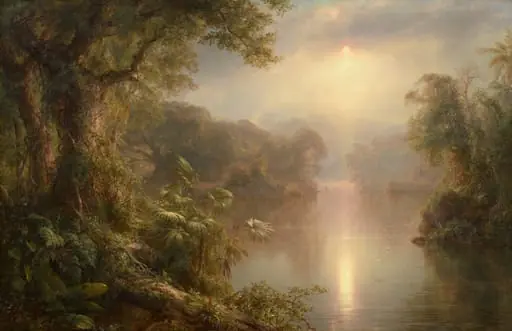
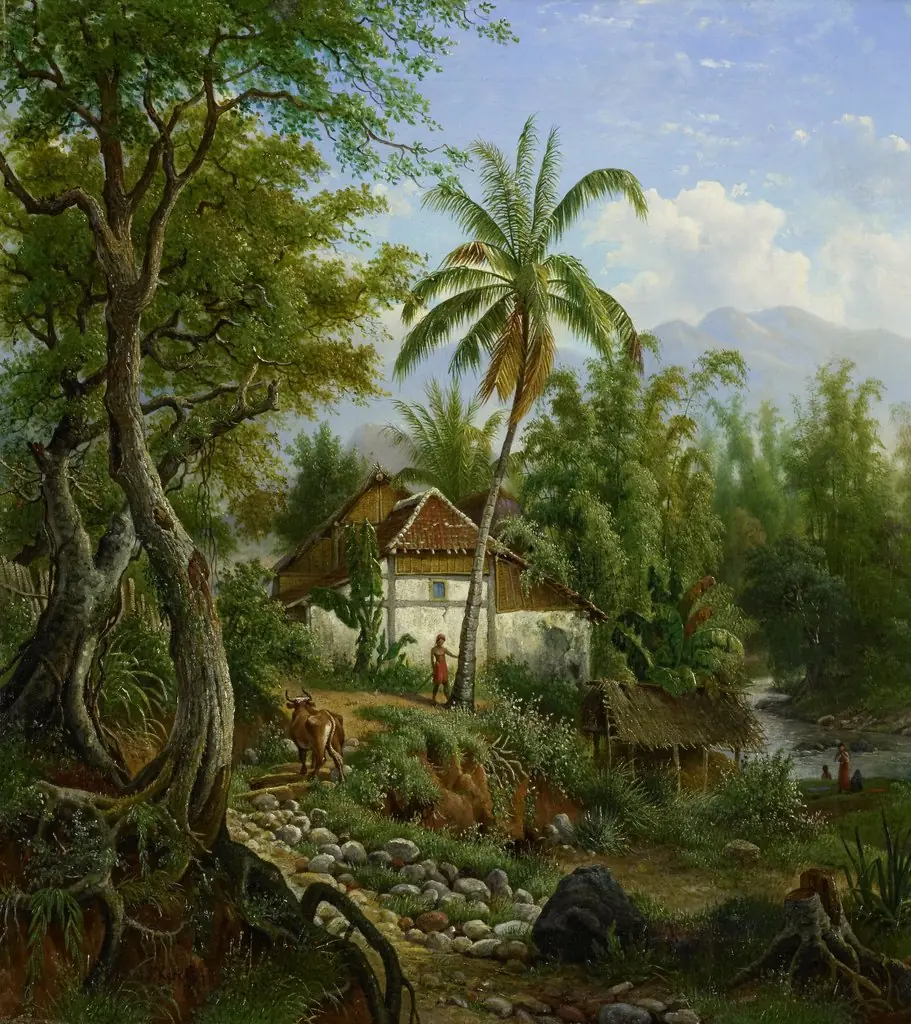
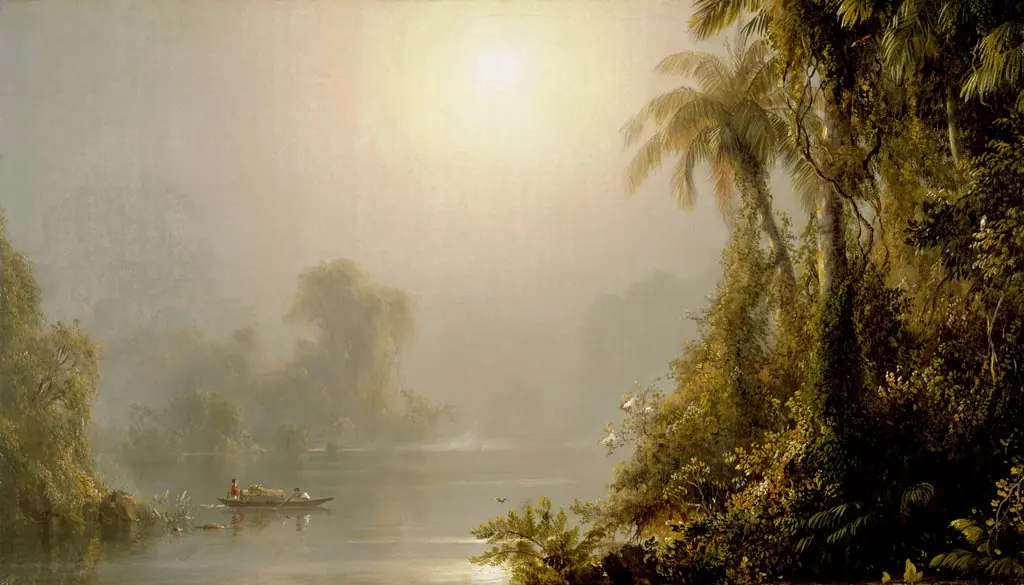
The scene portrays a tranquil stretch of the Guayaquil River, where a narrow dirt path winds through dense tropical vegetation toward the water’s edge. A group of figures gathers near the shore, their presence subtle and unobtrusive. Distant mountains fade into a hazy horizon, softened by the golden light of dusk. The composition suggests harmony between human activity and the natural environment, without narrative emphasis.
Technique & Style
Mignot employs layered oil glazes to achieve atmospheric depth, with warm, golden tones dominating the sky and water. The vegetation is rendered with loose, textured brushwork, emphasizing lushness without hyperrealism. Light is used not just for illumination but to unify the landscape, guiding the eye from foreground to distant peaks. His technique shows European academic training tempered by a sensitivity to tropical light.
History & Provenance
Created during Mignot’s extended stay in South America, the painting was likely made after his travels in Ecuador. It entered the collection of the Detroit Institute of Arts in the 20th century, where it remains today. Little is documented about its immediate post-creation history, but its inclusion in a major American institution underscores its recognition within 19th-century landscape painting circles.
Context
Mignot painted this work amid a broader 19th-century interest in exotic landscapes, fueled by exploration and colonial expansion. While aligned with the Hudson River School’s reverence for nature, his focus on equatorial environments distinguished him from contemporaries who favored North American scenery. His work reflects a globalized artistic perspective uncommon among American painters of his time.
Legacy
Though not widely known today, Mignot’s *Lagoon of the Guayaquil River* exemplifies a lesser-discussed strand of American art: the engagement with non-North American landscapes by expatriate painters. The painting contributes to a nuanced understanding of how 19th-century American artists absorbed international influences and reinterpreted them through personal experience rather than idealized nationalism.
Artist & collection
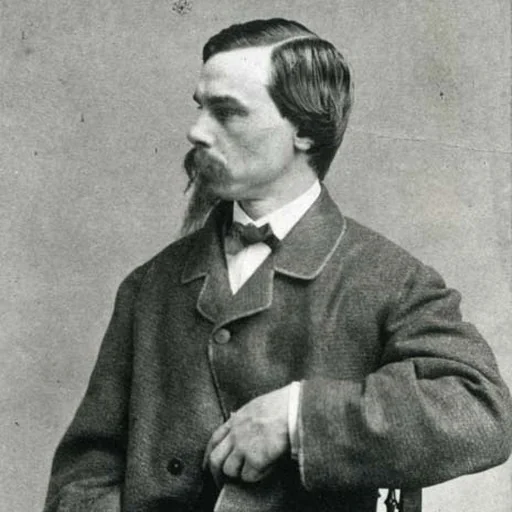
Artist
Louis Rémy Mignot (February 3, 1831 – September 22, 1870) was an American painter of French Catholic descent.