Artwork
Flight into Egipt
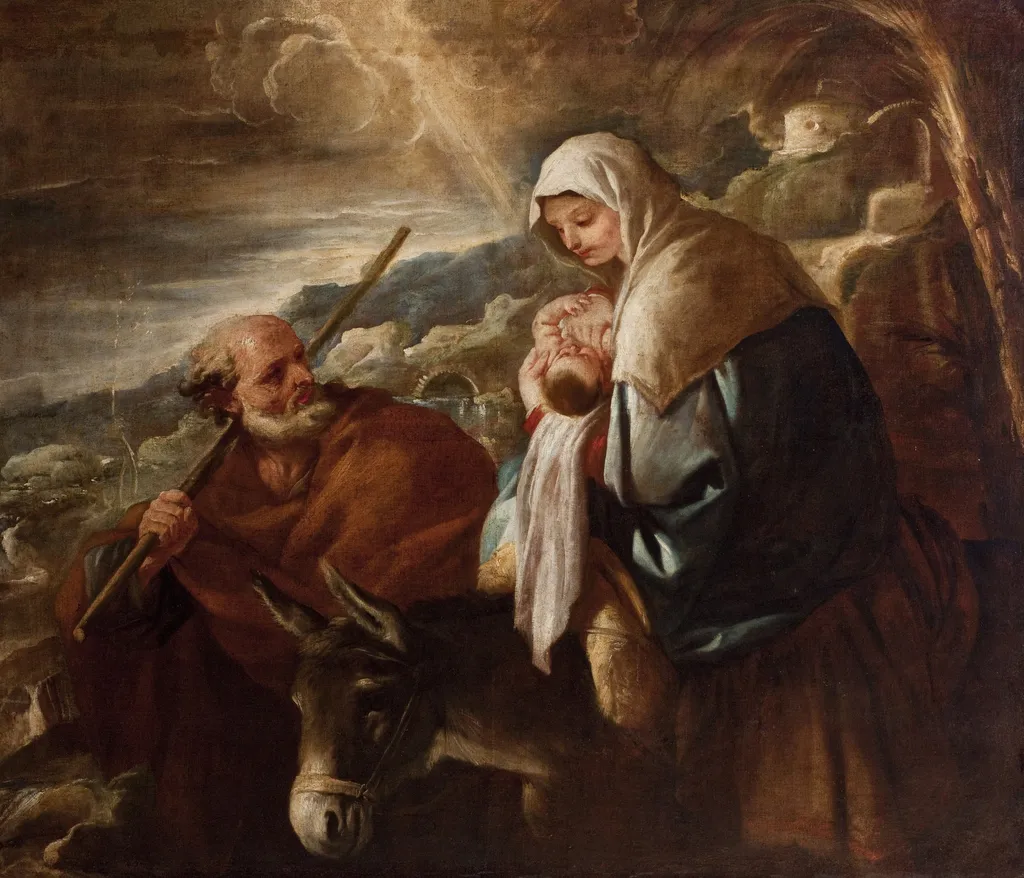
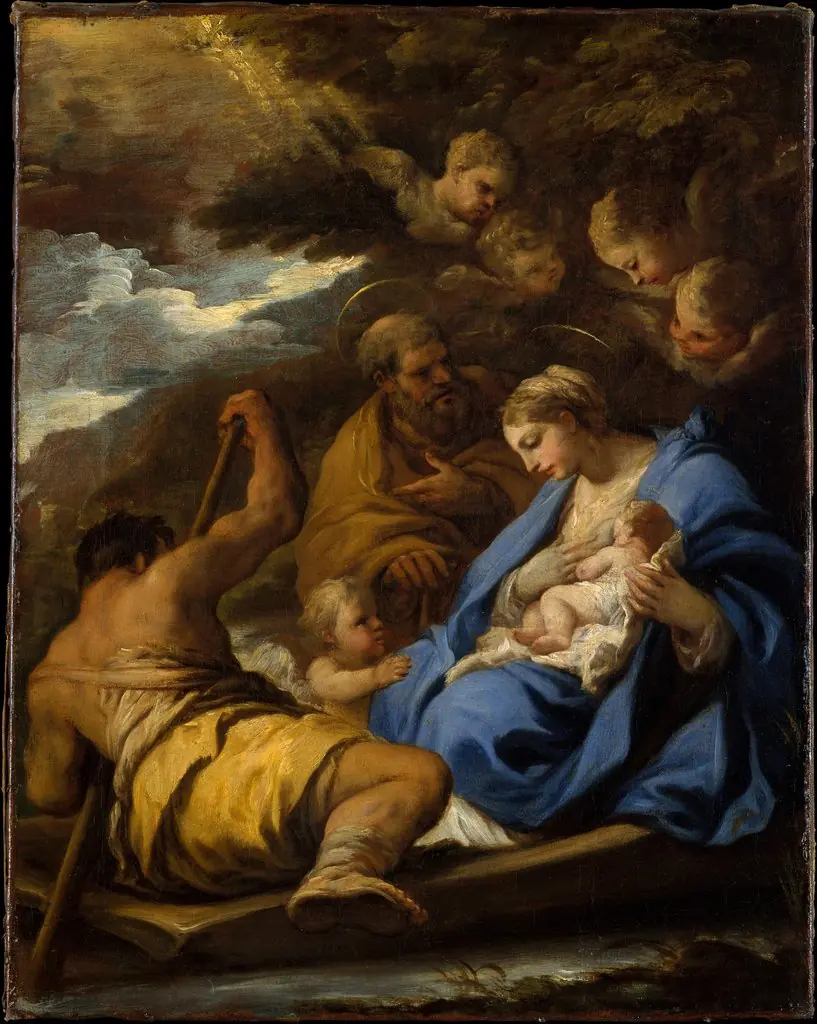
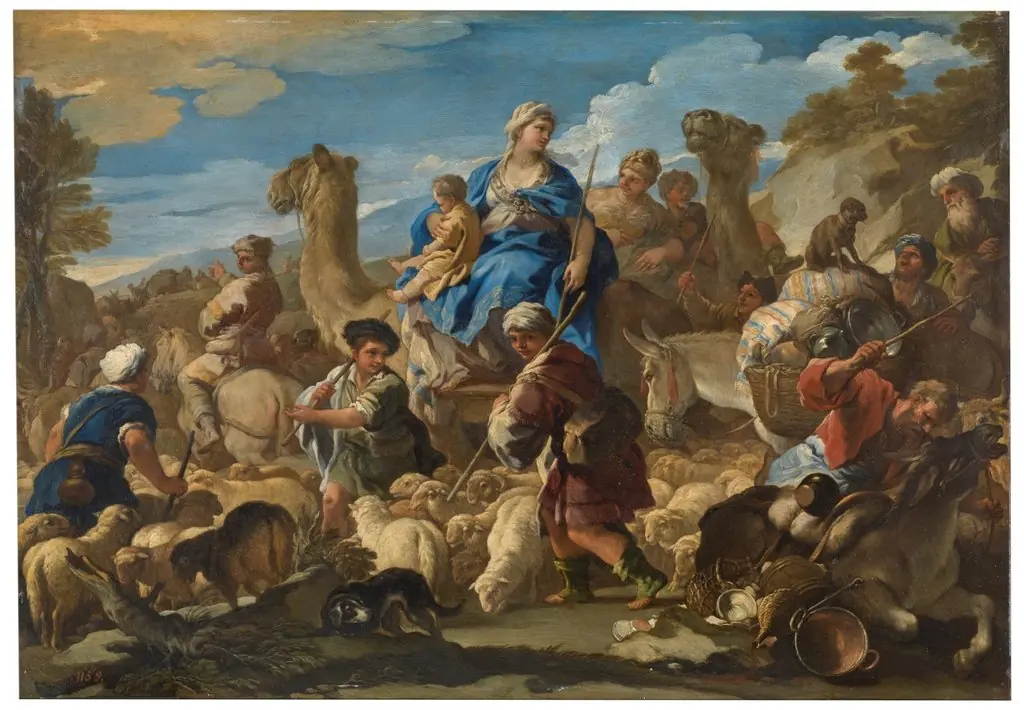
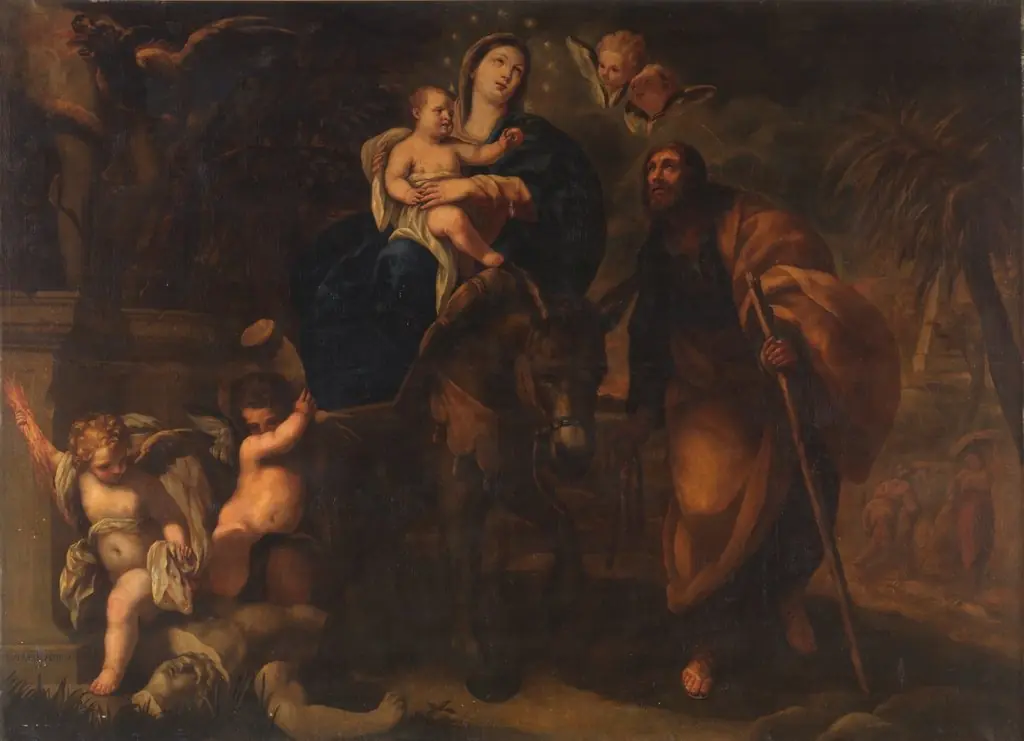
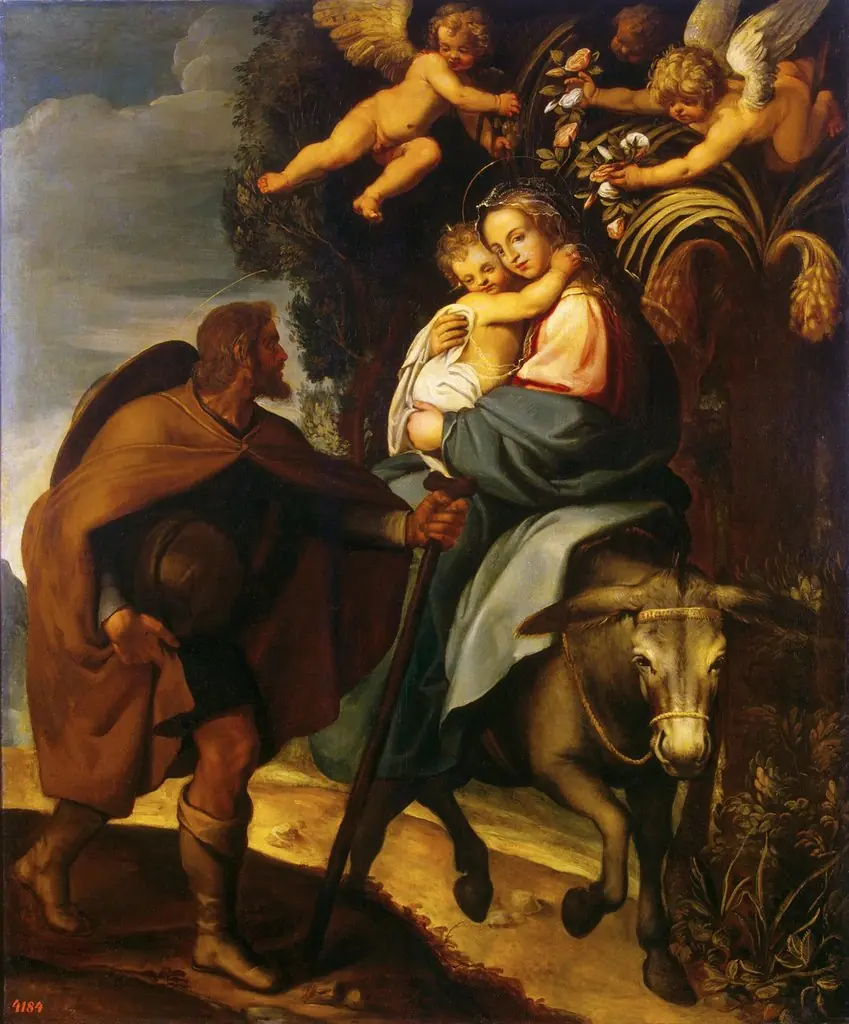
Flight into Egipt is an oil painting by Luca Giordano. It dates from 1699 and is held in the collection of the National Museum in Kraków.
About this work
Overview
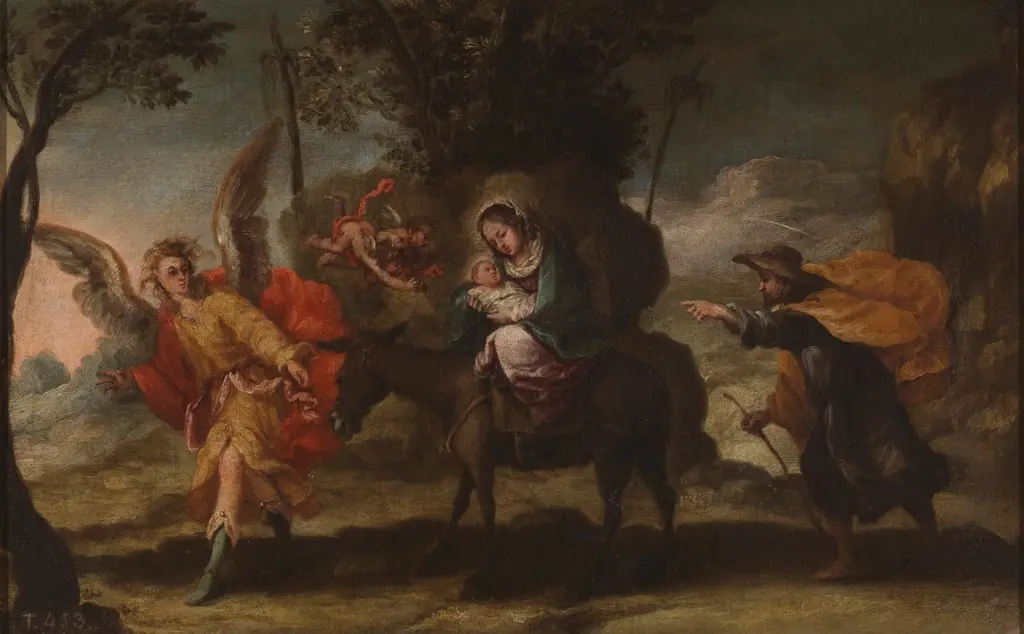
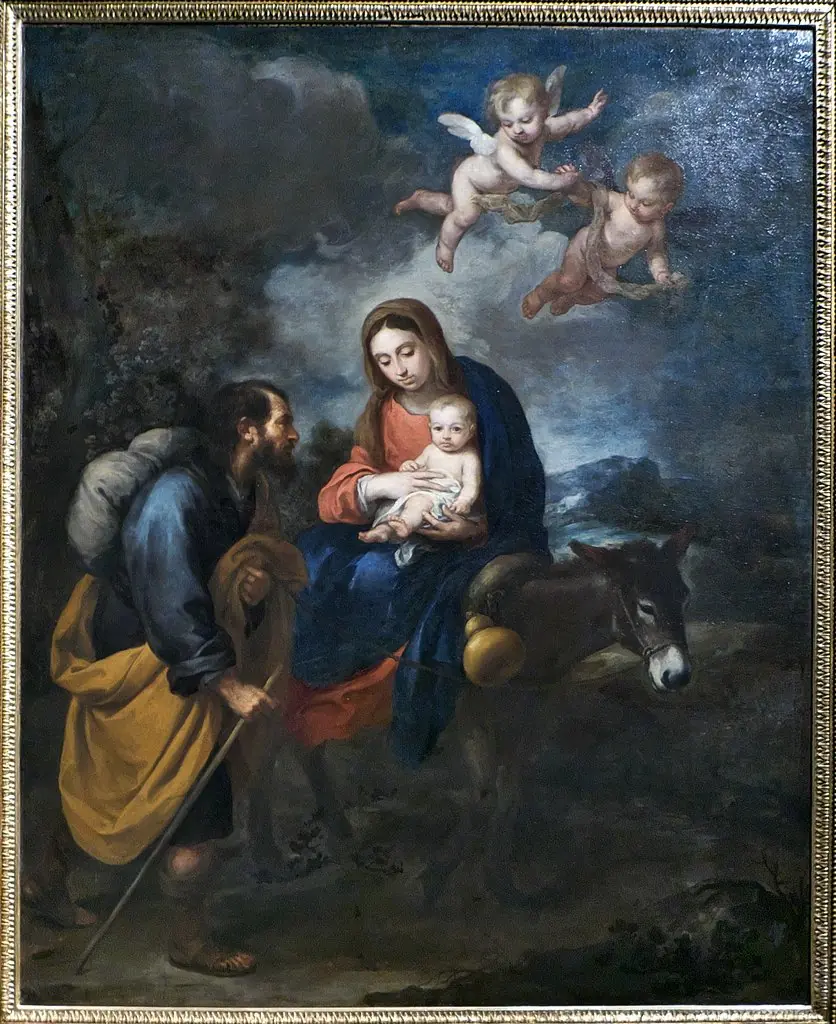
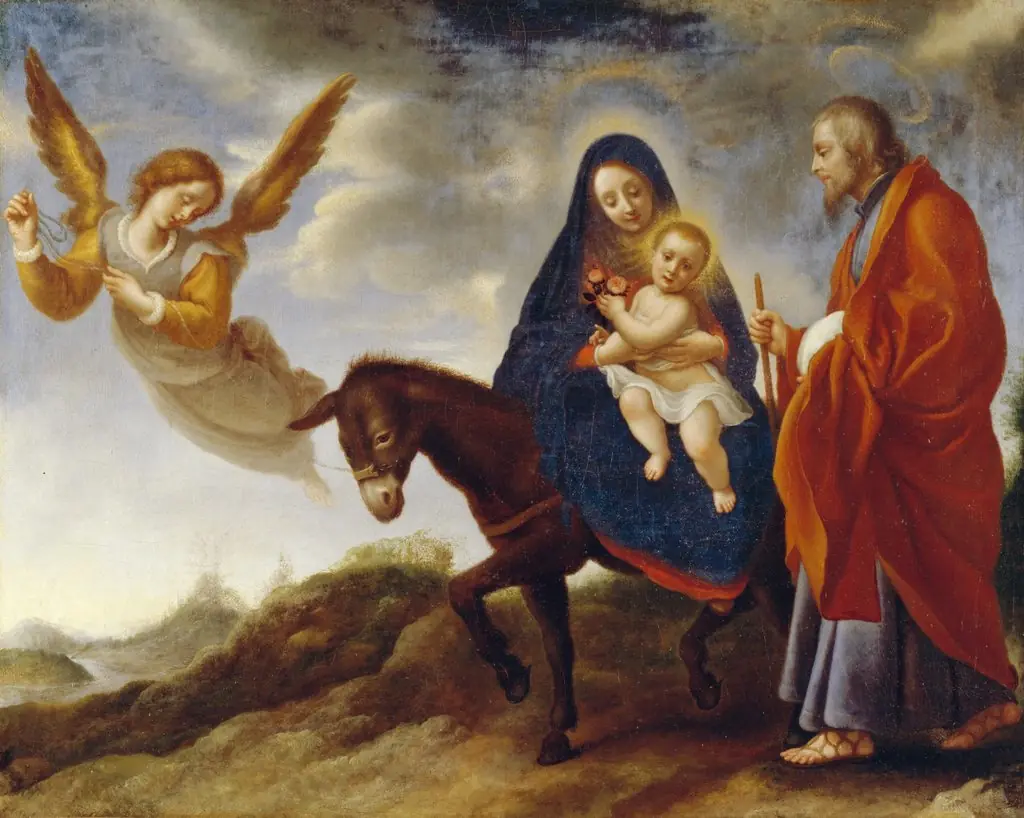
Painted in 1699 by Luca Giordano, this oil-on-canvas work depicts the biblical journey of Mary, Joseph, and the infant Jesus as they flee to Egypt. The scene is rendered with a focus on quiet movement and emotional restraint, avoiding dramatic spectacle. It resides in the National Museum in Kraków, where it is part of a collection of European religious art from the late Baroque period.
Subject & Meaning
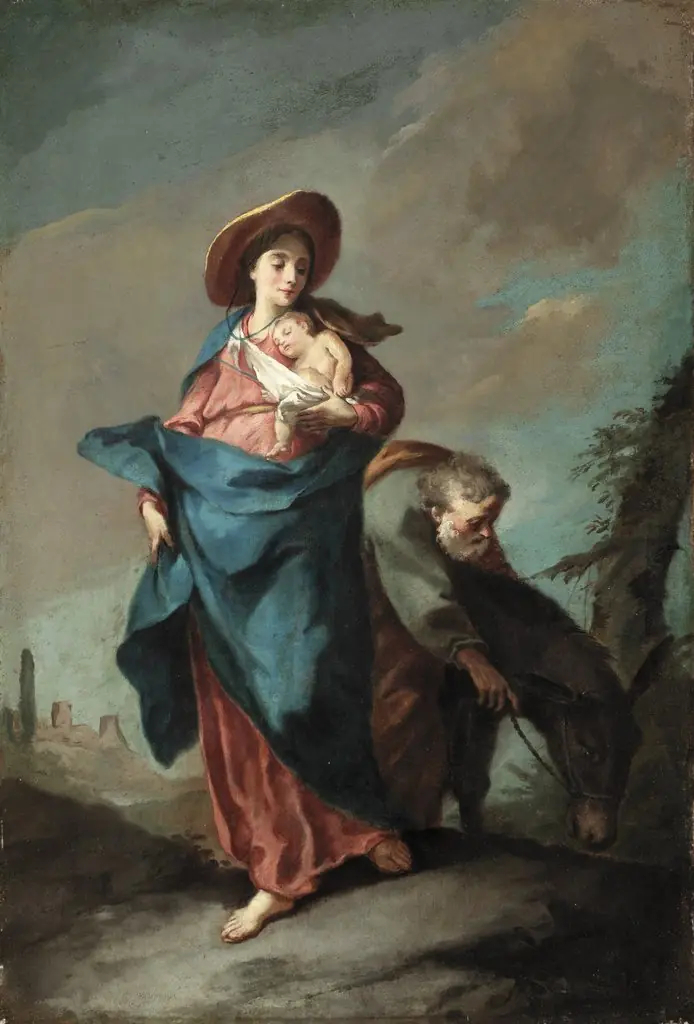
The painting illustrates the Holy Family’s escape from Herod’s persecution, a moment of vulnerability and devotion. Joseph, leading the donkey, glances backward as if assessing danger, while Mary cradles Jesus with deliberate tenderness. The intimacy of their posture underscores themes of protection and familial bond, transforming a flight into a contemplative act of faith and care.
Technique & Style
Giordano employs loose, fluid brushwork to suggest movement and atmosphere, characteristic of his late Baroque style. The figures are softly modeled against a muted landscape of rolling hills and diffuse skies, enhancing the sense of quiet urgency. Light falls gently on the central group, drawing attention to the mother and child without harsh contrast, reinforcing the scene’s emotional subtlety.
History & Provenance
The painting entered the National Museum in Kraków’s collection in the 19th century, likely through acquisitions of Polish noble or ecclesiastical holdings. Its presence in Poland reflects broader European interest in Italian Baroque religious imagery during the early modern period. No significant alterations or documented restorations are recorded in its known history.
Context
Created during the height of Giordano’s career in Naples, the work aligns with Counter-Reformation demands for emotionally accessible sacred imagery.
Created during the height of Giordano’s career in Naples, the work aligns with Counter-Reformation demands for emotionally accessible sacred imagery. While Italian artists often emphasized grandeur, Giordano here opts for restraint, reflecting a shift toward personal piety. The composition echoes contemporary devotional prints popular in Southern Europe, adapted into a more intimate pictorial language.
Legacy
Though not among Giordano’s most widely reproduced works, this painting exemplifies his ability to convey spiritual narrative through quiet realism. It contributes to the understanding of how Baroque religious themes were localized across Europe, balancing theological gravity with human tenderness. Its continued display in Kraków affirms its role as a quiet testament to devotional art beyond the Italian peninsula.
Own this work as a print
Artist & collection

Artist
Luca Giordano was an Italian late-Baroque painter and printmaker in etching. Giordano was one of the most celebrated artists of the Neapolitan Baroque, whose vast output included altarpieces, mythological paintings and…