Artwork
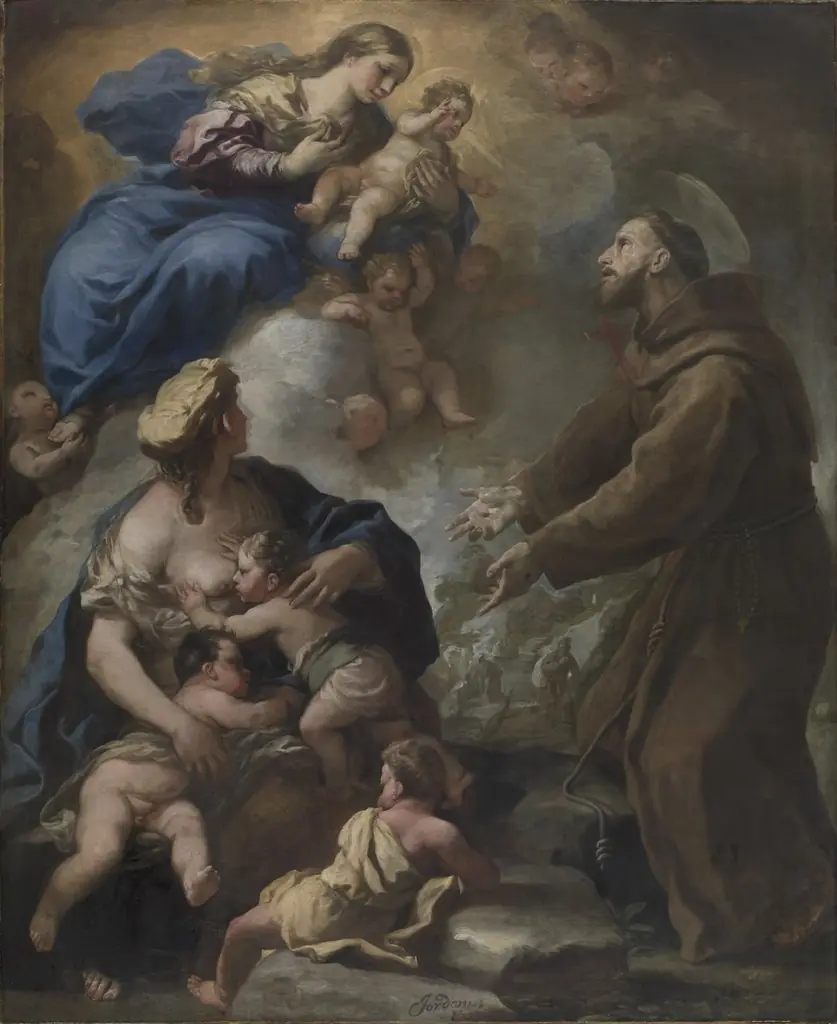
The Virgin and Child Appearing to Saint Francis of Assisi
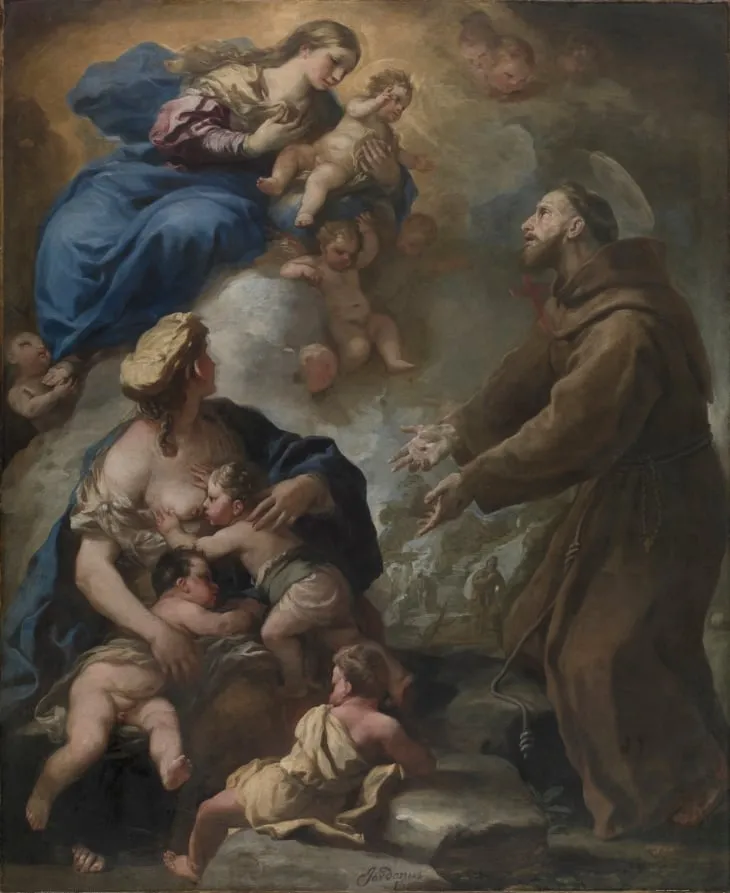
The Virgin and Child Appearing to Saint Francis of Assisi is an unspecified painting by the Baroque artist Luca Giordano. It dates from 1684 and is held in the collection of the Cleveland Museum of Art. The canvas depicts a Baroque vision in which the Virgin Mary and the infant Jesus appear before Saint Francis of Assisi.
About this work
You can learn more about this style by looking at the work of artist: Luca Giordano (Italian, 1634–1705).
This painting shows the Virgin and Child appearing to Saint Francis of Assisi.
He's standing to the right, motioning to a mother with infants.
The scene is symbolic, representing Charity, and it tells us about St. Francis' holy visions.
St. Francis was a popular Italian saint, known for his visions and reported to have received the stigmata.
This was a big part of his story and is still remembered today.
You can learn more about this style by looking at the work of artist: Luca Giordano (Italian, 1634–1705).
Overview
The canvas depicts a Baroque vision in which the Virgin Mary and the infant Jesus appear before Saint Francis of Assisi. The saint stands on the right, his hand directed toward a nursing mother with three small children, an allegorical embodiment of Charity. The composition links the saint’s mystical experience with a broader Christian virtue, presenting a moment of intercessory prayer.
Subject & Meaning
Saint Francis, the 13th‑century founder of the Franciscan order, is shown as a conduit between humanity and the divine. By gesturing toward the figure of Charity, he invites the Virgin and Child to bless the act of giving and care for the needy, reflecting Francis’s lifelong dedication to the poor and his reputation for receiving profound mystical revelations, including the stigmata.
Technique & Style
Executed in the High Baroque idiom, the painting employs dramatic chiaroscuro and fluid movement characteristic of Luca Giordano’s workshop. The figures are rendered with soft modeling and vibrant coloration, while the dynamic gestures create a sense of immediacy. Giordano’s handling of light accentuates the heavenly presence of the Virgin and Child against the earthly setting of the saint.
History & Provenance
Attributed to Luca Giordano (1634–1705), the work reflects the artist’s late‑career synthesis of Venetian colorism and Roman dynamism. Original documentation indicates the piece was likely commissioned for a Franciscan chapel, though its subsequent ownership trail is sparse. The painting remains a representative example of Giordano’s prolific output for ecclesiastical patrons in the late 17th century.
Artist & collection

Artist
Luca Giordano was an Italian late-Baroque painter and printmaker in etching. Giordano was one of the most celebrated artists of the Neapolitan Baroque, whose vast output included altarpieces, mythological paintings and…

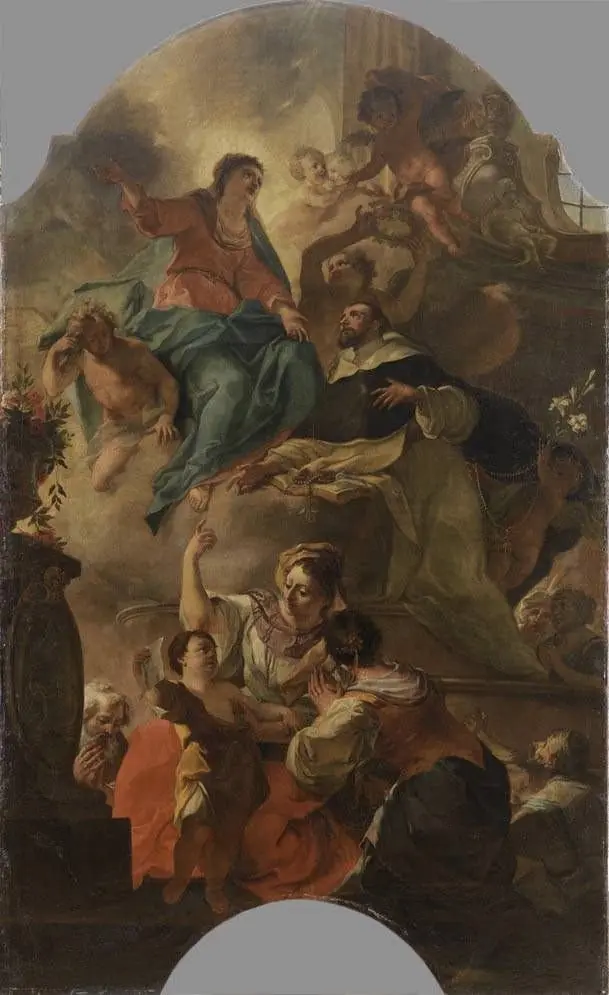 Hl. Dominikus als Fürbitter bei Maria
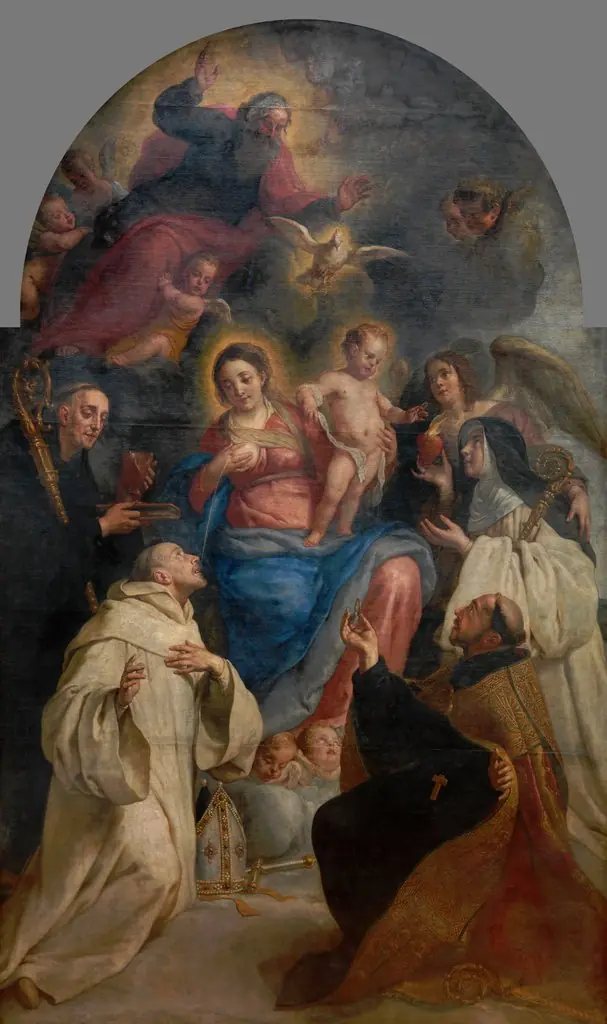 Lactatio of Saint Bernard of Clairvaux
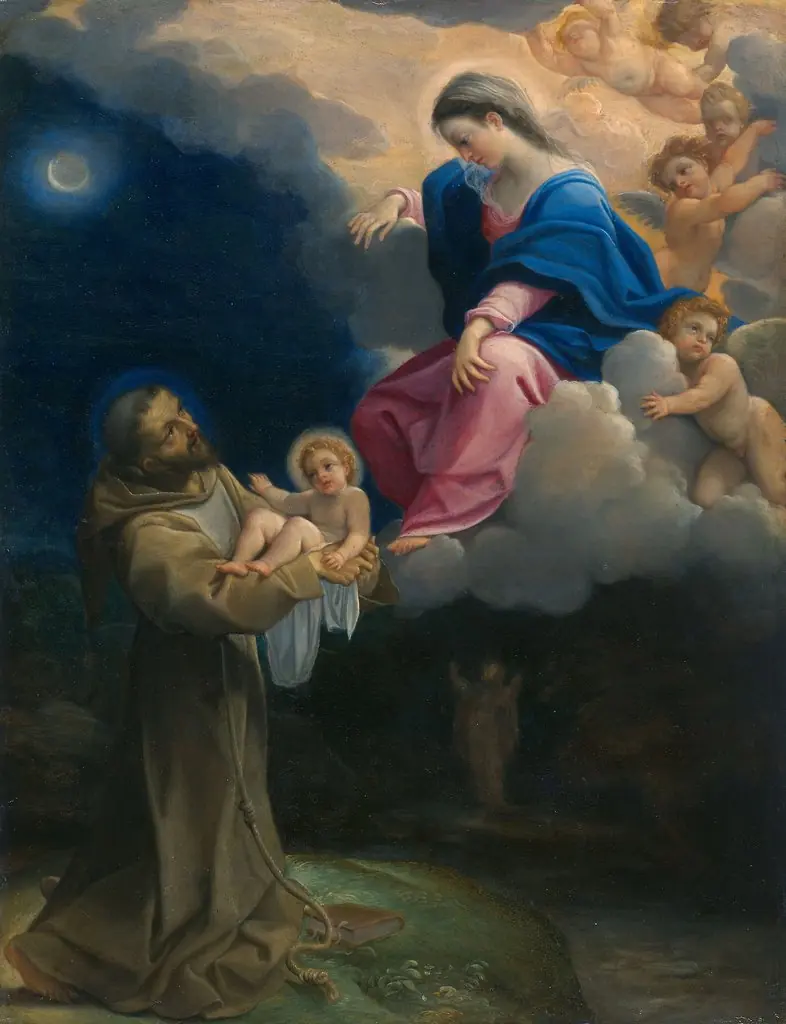 The Vision of Saint Francis
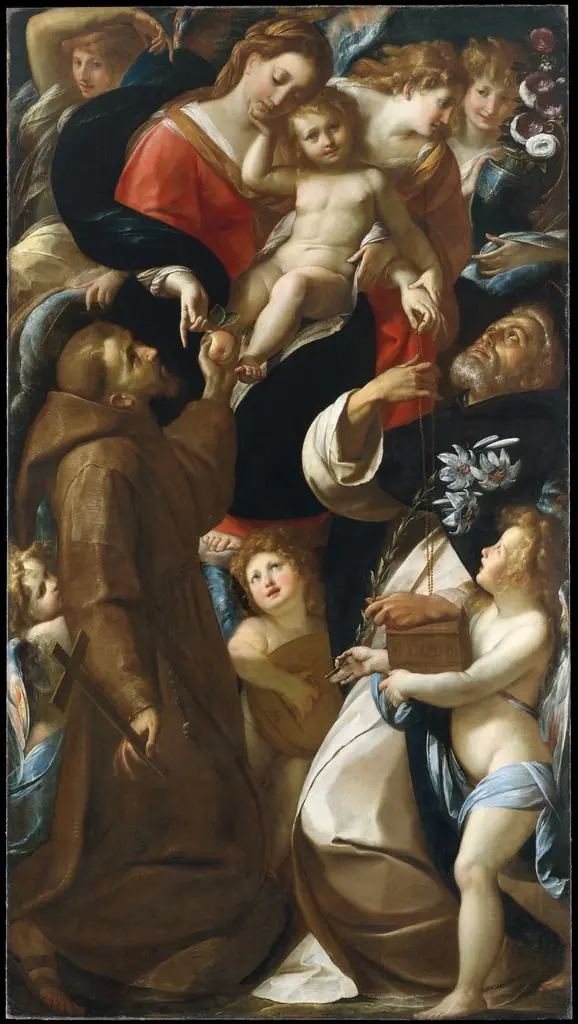 Madonna and Child with Saints Francis and Dominic and Angels
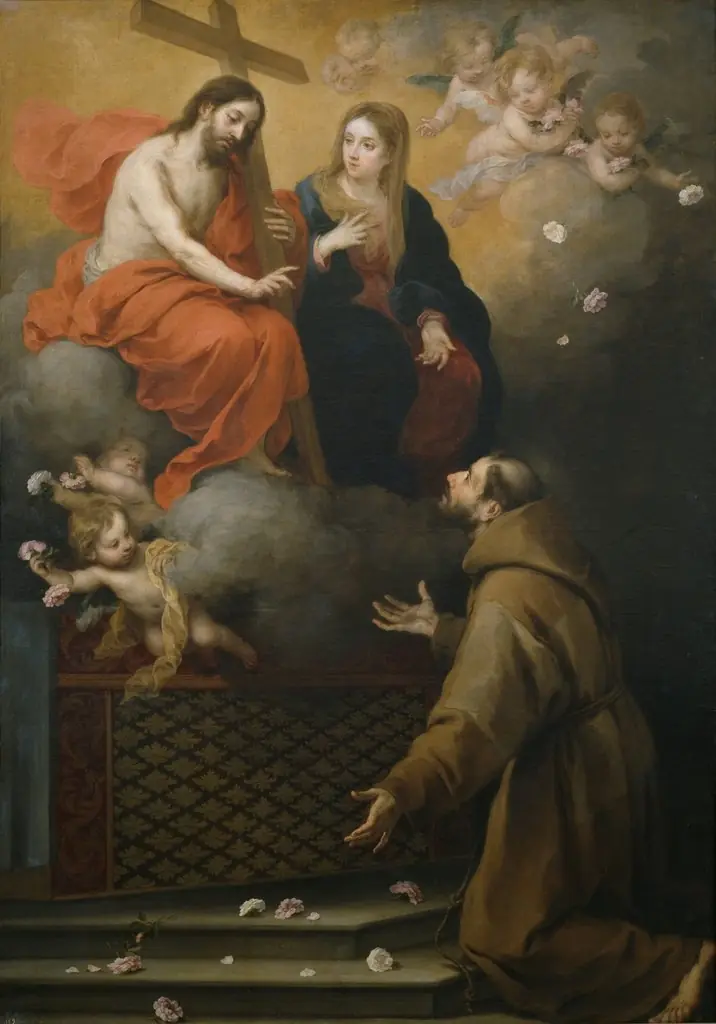 The Vision of Saint Francis in the Portiuncula
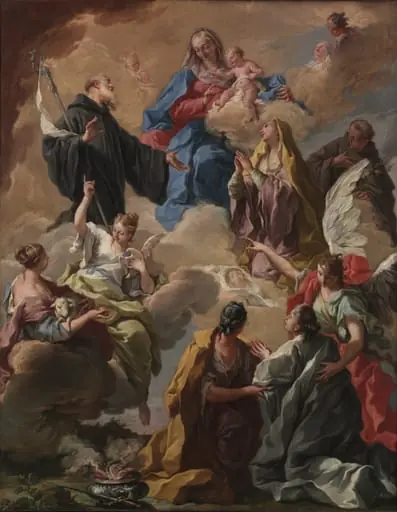 Saints Presenting a Devout Woman to the Virgin and Child
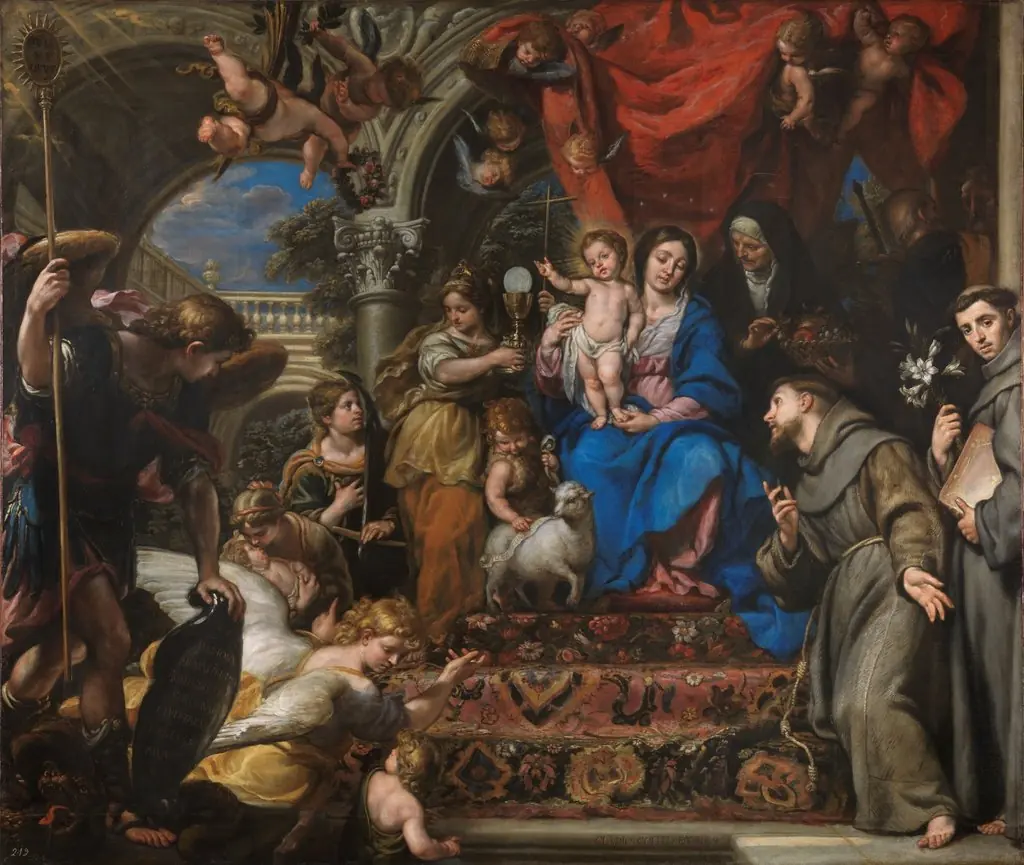 The Virgin and Child between the Theological Virtues and Saints