Artwork
King Tiridates before Saint Gregory the Armenian
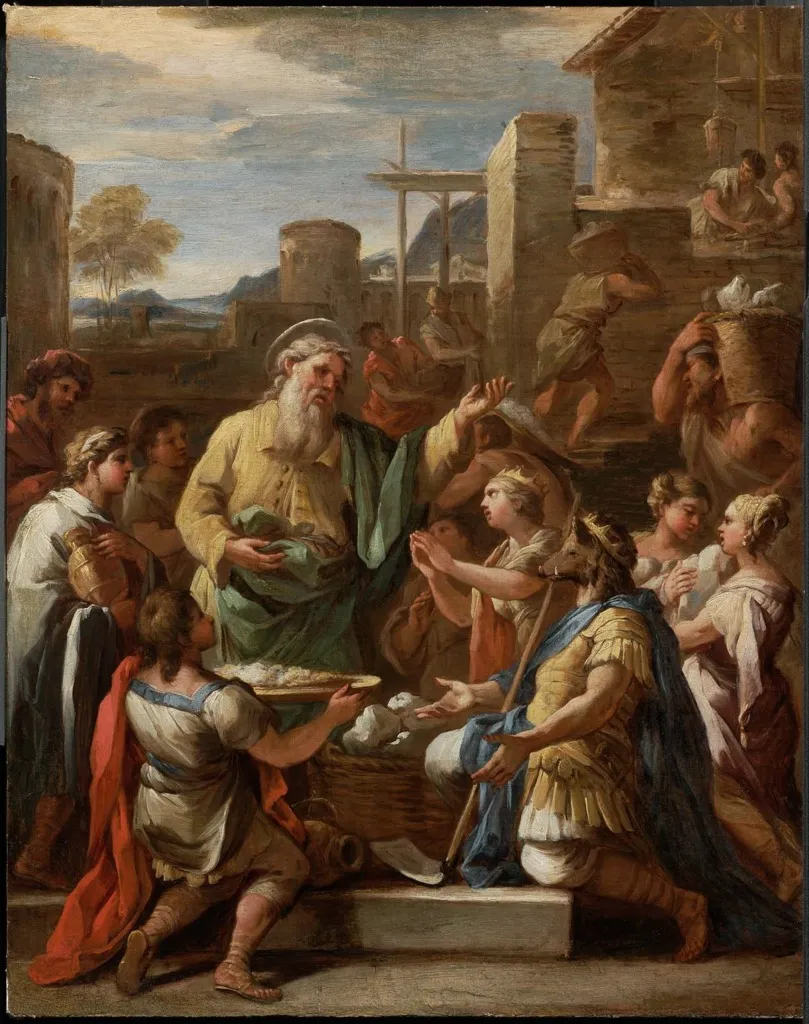
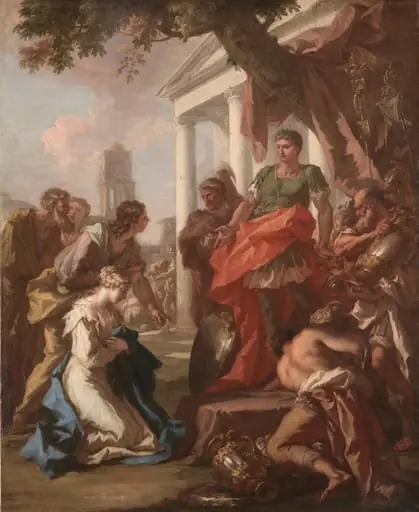
King Tiridates before Saint Gregory the Armenian is an oil painting by Luca Giordano. It dates from 1679 and is held in the collection of the Museum of Fine Arts Boston.
About this work
Overview
Luca Giordano’s oil on canvas, dated around 1679, portrays the encounter between the Armenian monarch Tiridates and Saint Gregory. The work is part of the collection of the Museum of Fine Arts in Boston and exemplifies the artist’s late‑Baroque narrative style.
Subject & Meaning
The central figure, a regal man in a yellow robe edged with a green sash, holds a blue cloth and gestures toward Saint Gregory, who stands nearby. The composition suggests a moment of diplomatic or spiritual negotiation, reflecting the historical legend of the king’s conversion under the saint’s influence.
Technique & Style
Giordano employs a vibrant palette, contrasting warm yellows and cool blues to model the figures and create spatial depth. The arrangement of kneeling and standing figures forms a dynamic diagonal that leads the eye toward the central interaction, while subtle chiaroscuro adds volume and a sense of three‑dimensionality.
History & Provenance
Painted in the late 1670s, the canvas entered the Museum of Fine Arts, Boston, through acquisition in the early twentieth century. Its provenance traces back to private collections in Italy before crossing the Atlantic, where it has been displayed as part of the museum’s European Baroque holdings.
Context
The work belongs to a period when Giordano, a prolific Neapolitan painter, was responding to the demand for grand historical and religious scenes across Europe. By depicting an Armenian episode, the painting reflects the broader seventeenth‑century interest in exotic saints and the spread of Christian narratives beyond the traditional Roman sphere.
Artist & collection

Artist
Luca Giordano was an Italian late-Baroque painter and printmaker in etching. Giordano was one of the most celebrated artists of the Neapolitan Baroque, whose vast output included altarpieces, mythological paintings and…

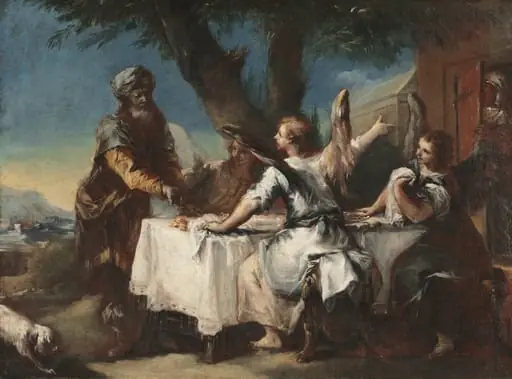 Abraham Welcoming the Three Angels
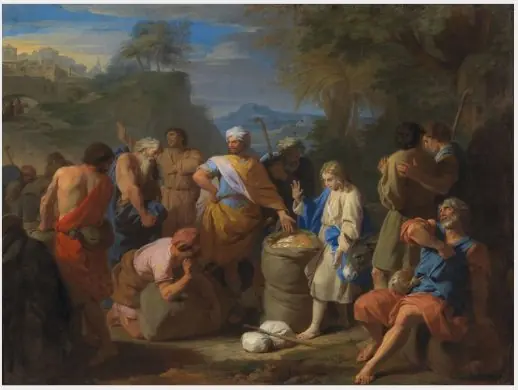 The Finding of Joseph's Cup in Benjamin's Sack
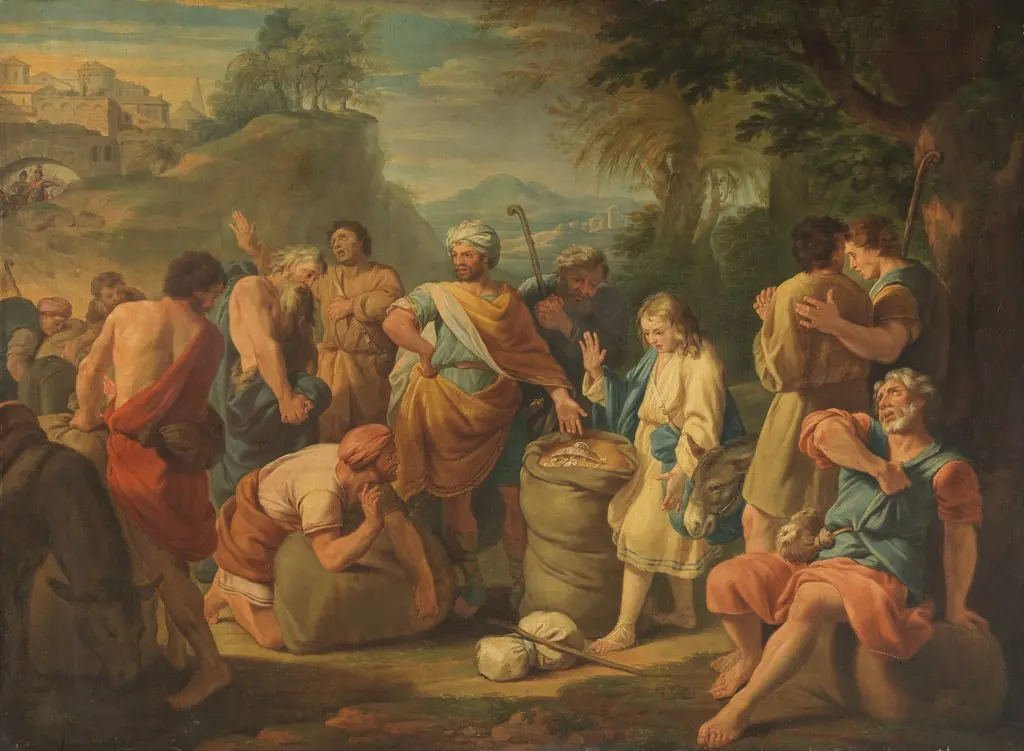 The Finding of the Money in Benjamin's Sack
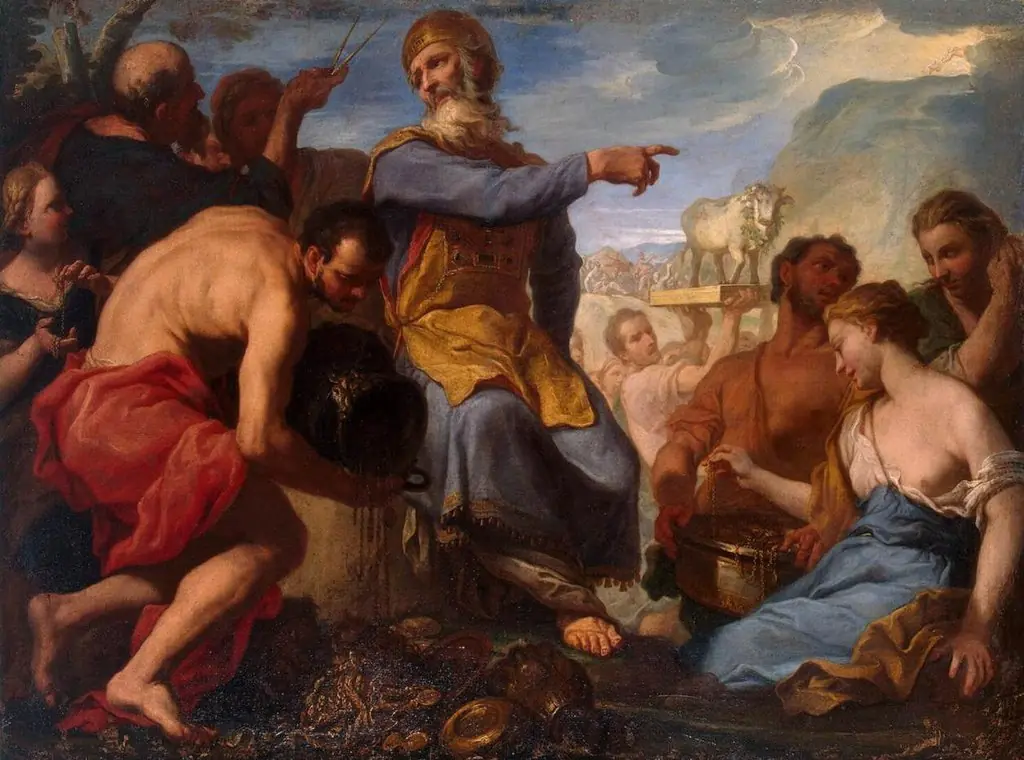 Adoration of the Golden Calf
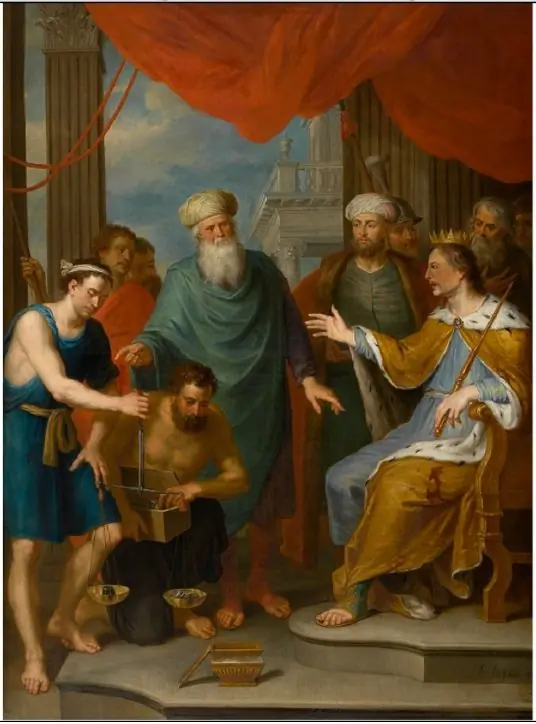 The Viceroy of Egypt Receives Joseph's Brothers
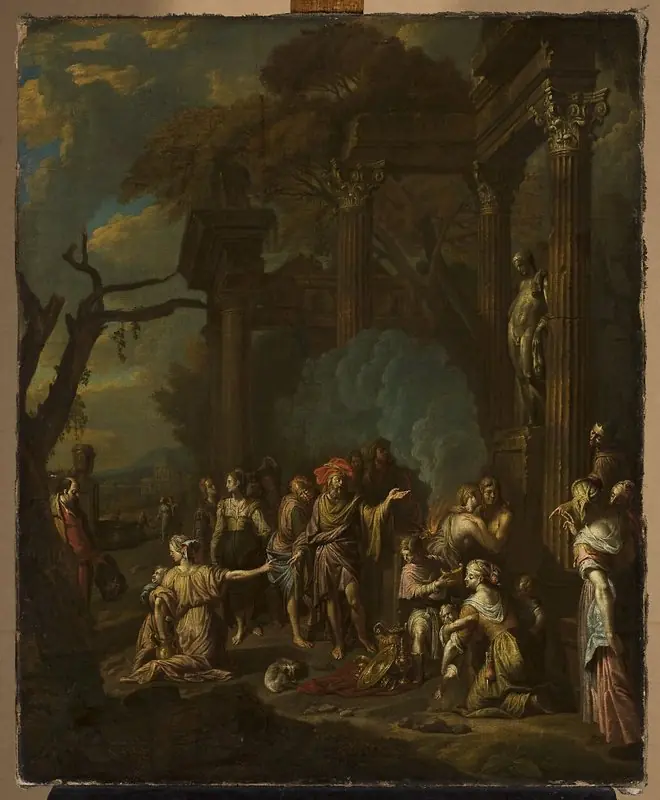 Offerings
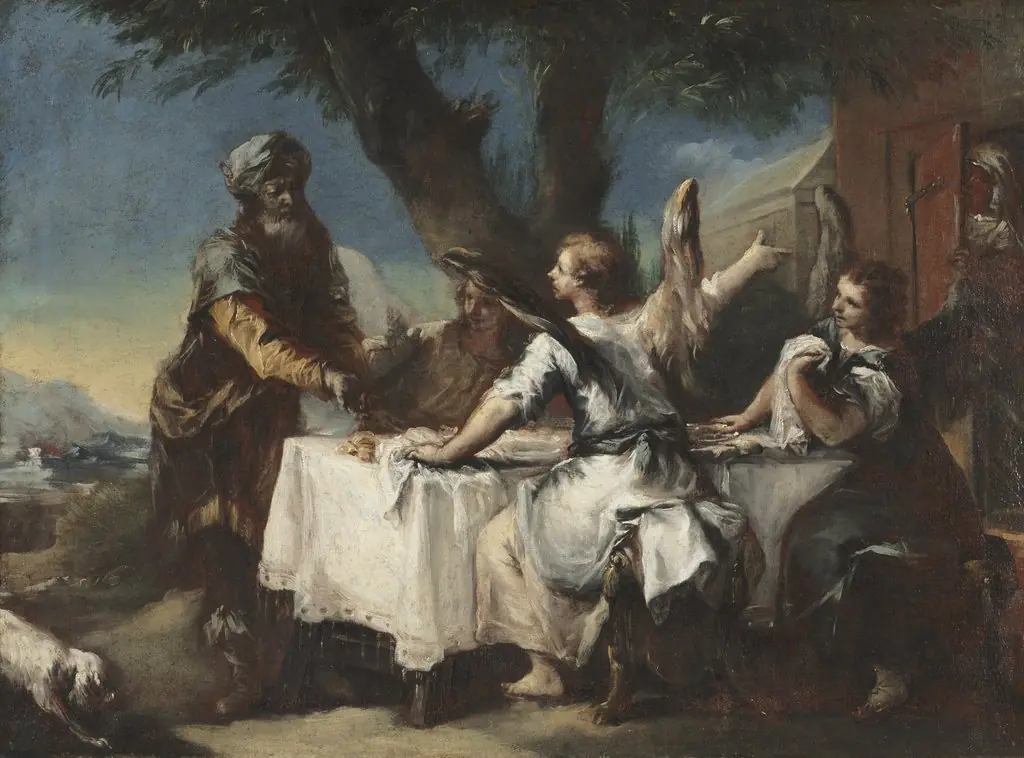 Abraham Welcoming the Three Angels
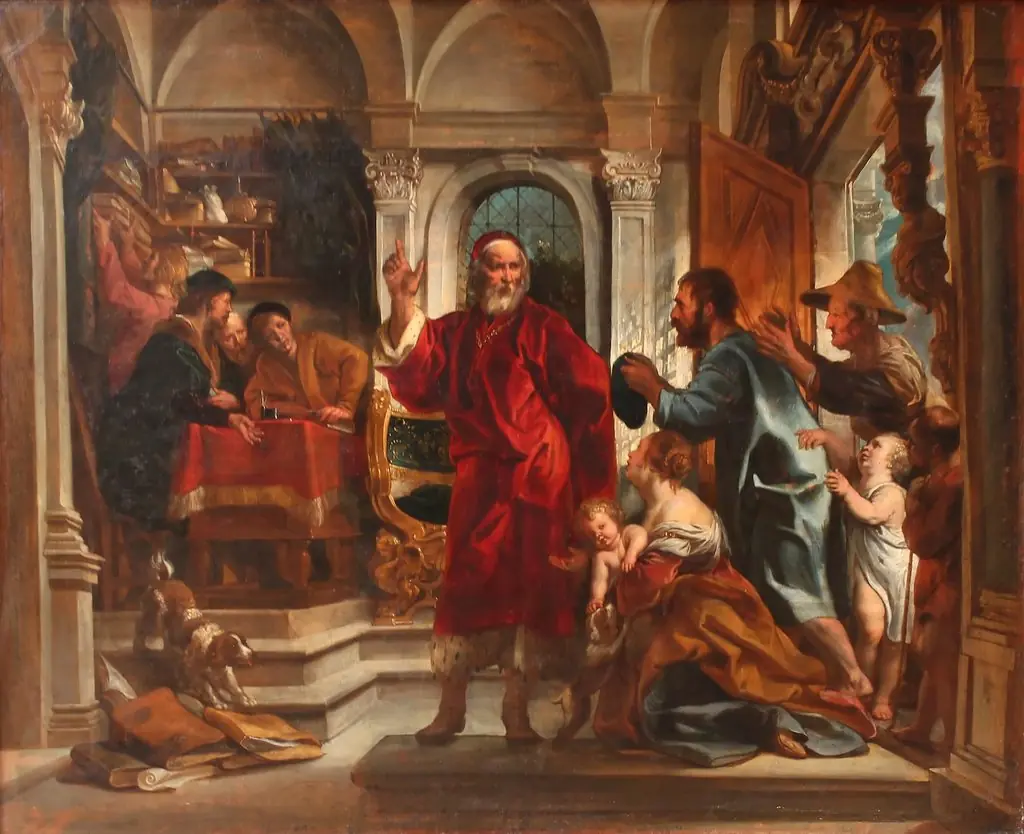 Saint Ivo of Kermartin helping the poor
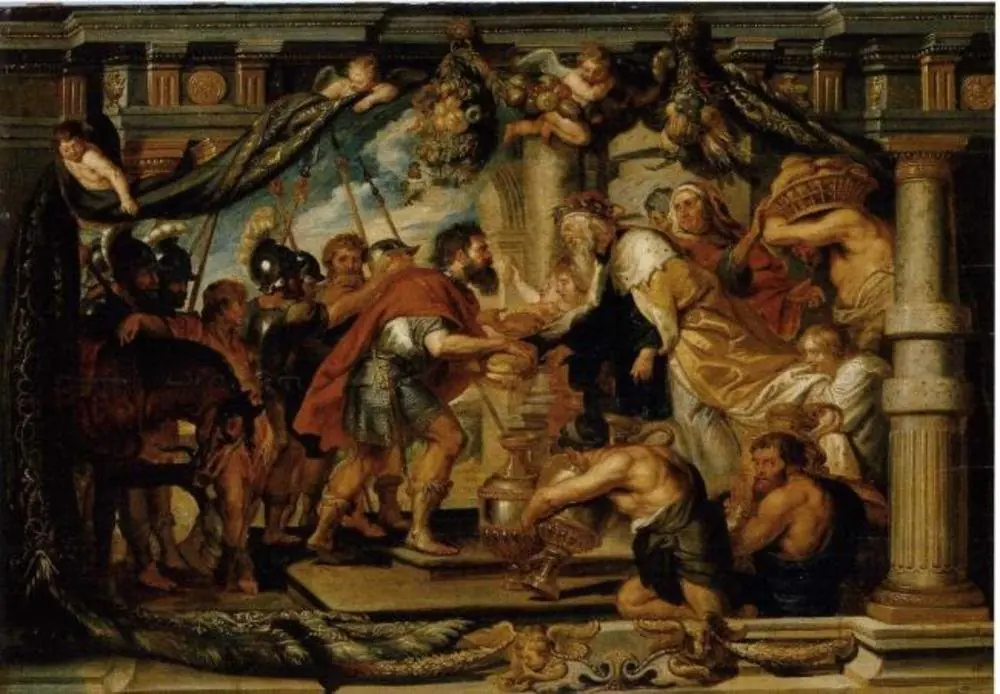 Meeting of Abraham and Melchizedek
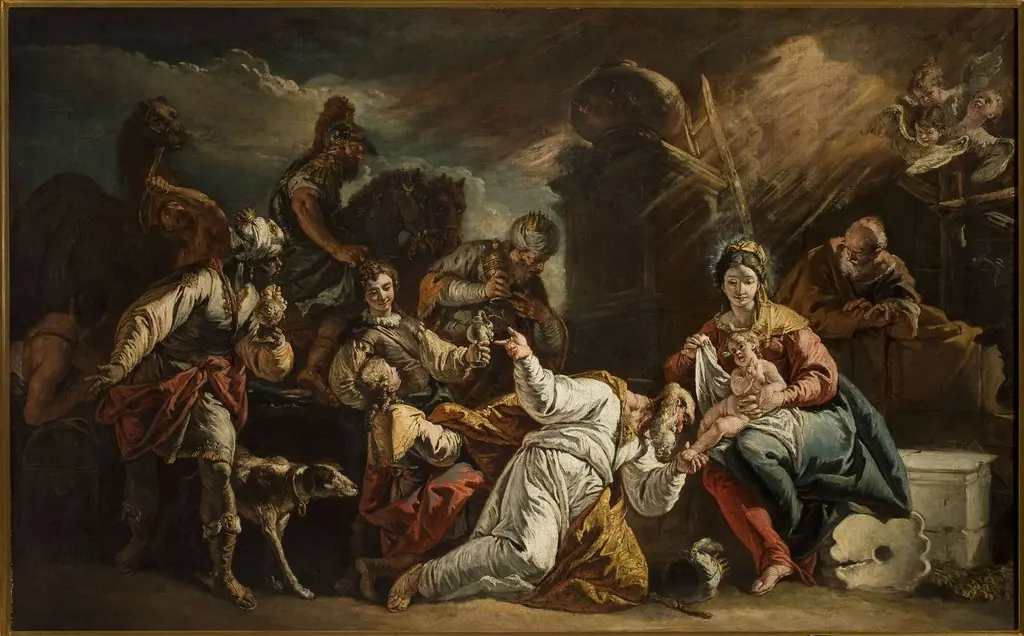 Adoration of the Magi
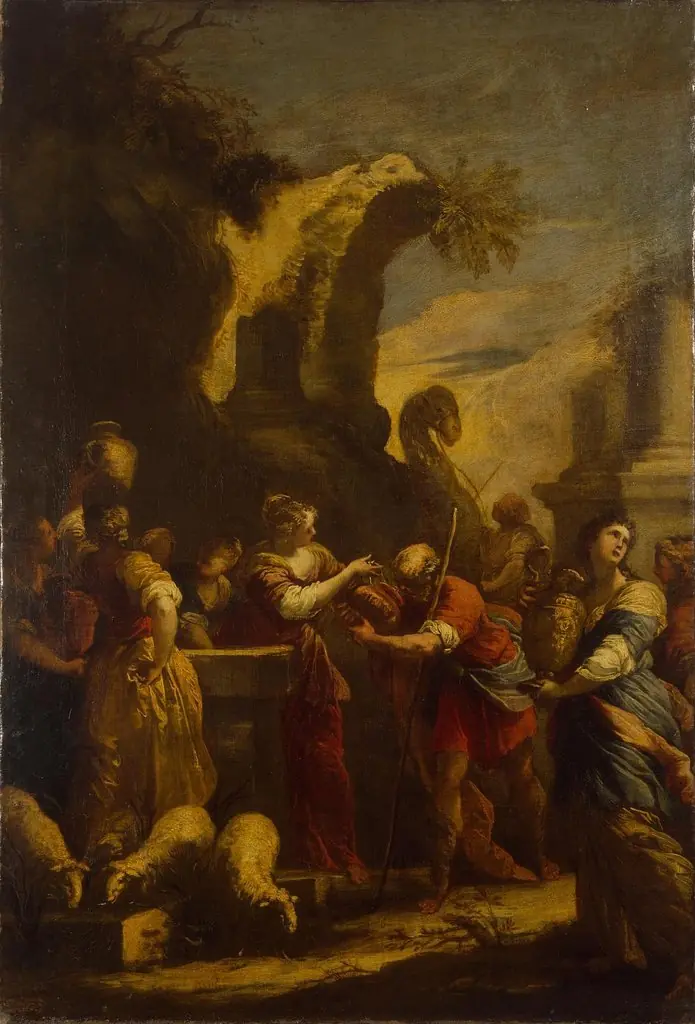 Rebecca at the Well
 The Continence of Scipio