Artwork
The Penance of St. John Chrysostom
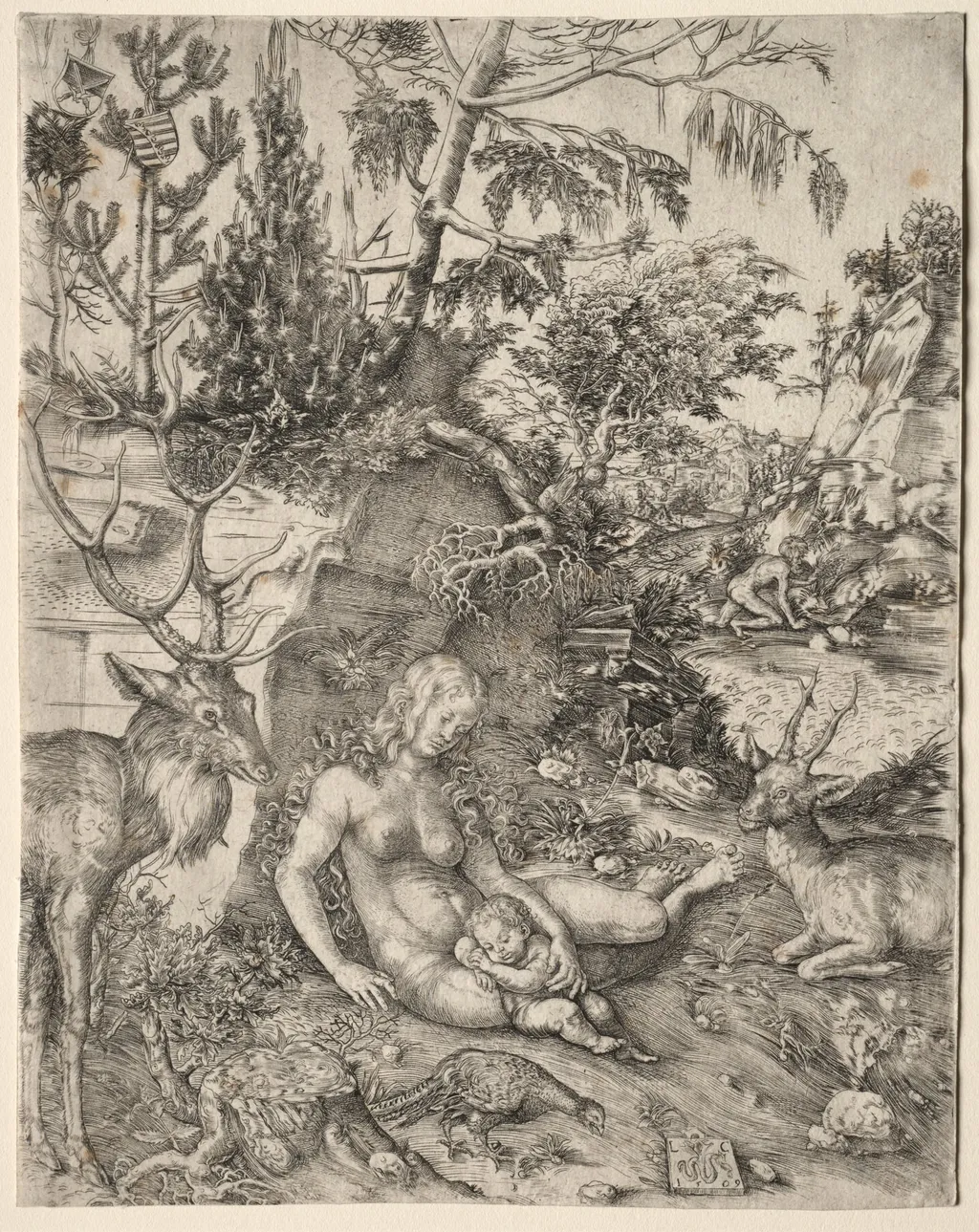
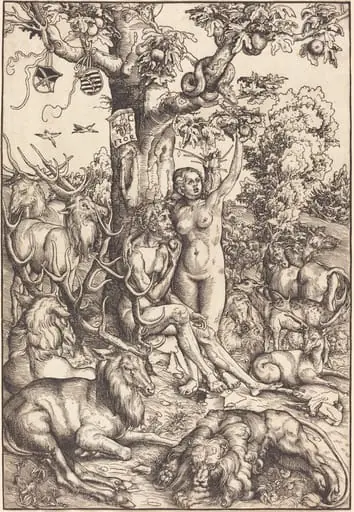
The Penance of St. John Chrysostom is a print by the Renaissance artist Lucas Cranach the Elder. It dates from 1509 and is held in the collection of the Cleveland Museum of Art.
About this work
Overview
Created in 1509 by Lucas Cranach the Elder, this engraving is part of a series depicting saints in moments of spiritual reflection.
Created in 1509 by Lucas Cranach the Elder, this engraving is part of a series depicting saints in moments of spiritual reflection. Though Cranach is better known for portraits and Reformation-era imagery, this early work reveals his engagement with traditional Catholic themes before his shift toward Lutheran iconography. The piece combines religious narrative with a quiet, naturalistic atmosphere, distinguishing it from more dramatic contemporaneous treatments of saintly subjects.
Subject & Meaning
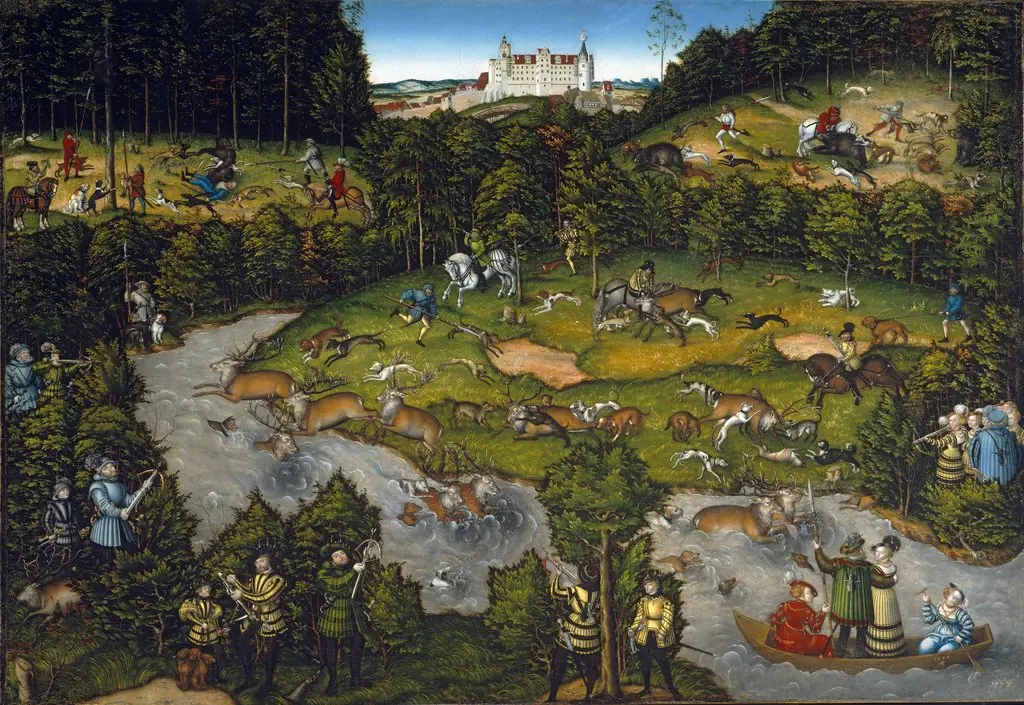
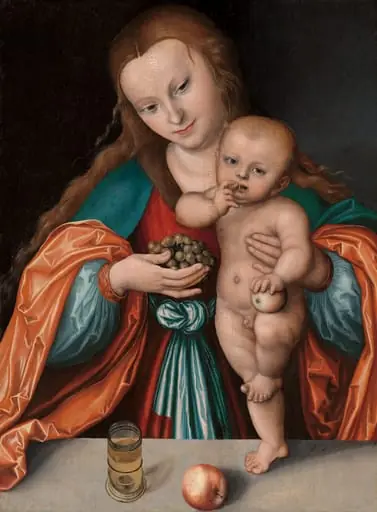
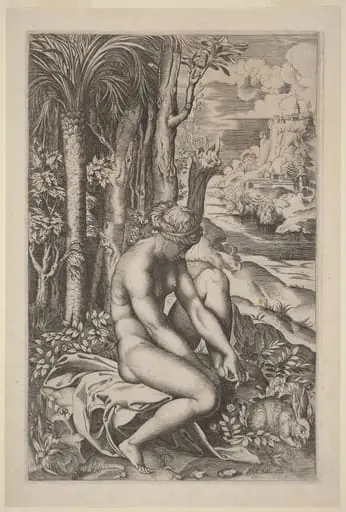
The scene illustrates St. John Chrysostom’s exile and penance, though the central figure is not the saint himself but a woman with a child, surrounded by animals. This symbolic substitution suggests divine protection during suffering, aligning with medieval hagiographic traditions where nature responds to holy innocence. The calm gathering of deer and the secluded setting imply a sacred solitude, reinforcing themes of humility and divine grace amid hardship.
Technique & Style
Cranach employed fine, expressive lines typical of early German engraving, using contrast and texture to evoke mood rather than anatomical precision. The figures are simplified, their forms softened by shadow, while the background foliage and distant structure are rendered with rhythmic, almost decorative strokes. The lack of perspectival depth and the emphasis on atmospheric tone reflect a preference for emotional resonance over naturalistic realism, characteristic of Northern Renaissance printmaking.
History & Provenance
The engraving was produced during Cranach’s early career in Wittenberg, before his close association with Martin Luther. It likely served devotional or educational purposes, circulating among clergy and literate patrons. Its survival in multiple impressions suggests modest but sustained demand. No definitive early ownership records exist, but its thematic continuity with other saint prints from the period indicates it was part of a broader devotional print series.
Context
In early 16th-century Germany, religious prints were widely distributed as tools for personal devotion and moral instruction. While Italian Renaissance art emphasized classical harmony, Northern artists like Cranach favored symbolic composition and emotional tone. This work reflects that tradition, blending folkloric elements—such as animals as spiritual witnesses—with established hagiographic narratives, bridging popular piety and theological symbolism.
Legacy
Though less celebrated than Cranach’s later Reformation works, this engraving exemplifies his early ability to infuse religious subjects with quiet intimacy. Its focus on nature as a vessel of divine presence influenced subsequent Northern artists who sought to humanize sacred stories. The image’s enduring presence in collections underscores its role as a transitional piece, bridging late medieval symbolism and early Protestant visual culture.
Artist & collection
Artist
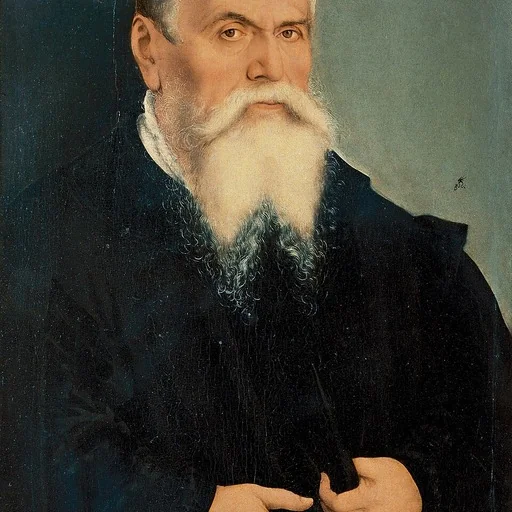
Lucas Cranach the Elder was a German Renaissance painter and printmaker in woodcut and engraving.