Artwork
Johann the Steadfast, Elector of Saxony
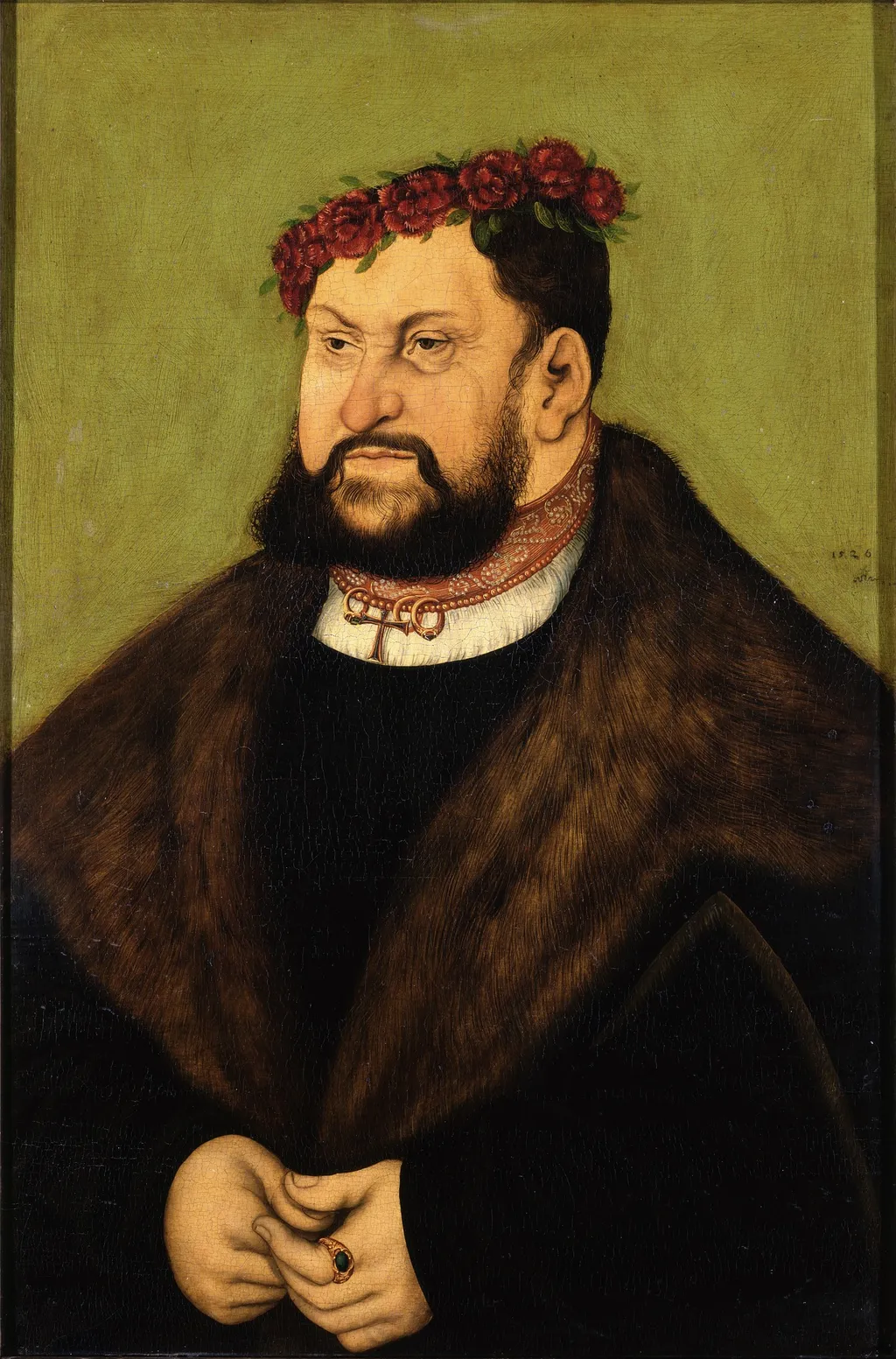
Johann the Steadfast, Elector of Saxony is a paint painting by the Northern Renaissance artist Lucas Cranach the Elder. It dates from 1526 and is held in the collection of the Gemäldegalerie Alte Meister.
About this work
Overview
Executed in oil on panel, the work belongs to the collection of the Gemäldegalerie Alte Meister in Dresden.
Painted in 1526 by Lucas Cranach the Elder, this portrait captures Johann the Steadfast, Elector of Saxony, a key political and religious figure in early Reformation Germany. Executed in oil on panel, the work belongs to the collection of the Gemäldegalerie Alte Meister in Dresden. Its restrained palette and precise rendering reflect Cranach’s signature approach to aristocratic portraiture during a period of profound religious and cultural change.
Subject & Meaning
Johann the Steadfast, ruler of Saxony and protector of Martin Luther, is depicted with quiet authority. The red floral wreath on his head, a symbol of nobility and civic virtue, complements his fur-trimmed coat, signaling both status and moral seriousness. His direct gaze and minimal expression convey composure and resolve, aligning with his historical role as a steadfast supporter of Protestant reform without overt religious iconography.
Technique & Style
Cranach employs fine brushwork to render textures—the softness of fur, the sheen of fabric, the delicate petals of the wreath—with subtle precision. The muted green background isolates the figure, enhancing spatial depth without distraction. Color is used economically: the warmth of the wreath contrasts gently with the earth tones of the attire, reinforcing a tone of dignified restraint rather than flamboyance.
History & Provenance
Commissioned during Johann’s tenure as Elector, the portrait likely served to affirm his political identity amid the upheavals of the Reformation. It entered the Saxon royal collection and remained in Dresden through successive dynasties. By the 19th century, it was formally cataloged in the Gemäldegalerie Alte Meister, where it has been preserved as part of the region’s artistic and historical heritage.
Context
Created in the wake of the Diet of Worms and the rise of Lutheranism, the portrait reflects the new secular authority of Protestant princes. Unlike Catholic portraiture, which often emphasized divine sanction, Cranach’s depiction focuses on personal dignity and civic responsibility. Johann’s image became emblematic of the Lutheran nobility’s role in shaping religious and political life in northern Germany.
Legacy
The portrait stands as a representative example of Cranach’s ability to merge aristocratic presence with Reformation-era values. It influenced later German portraiture by prioritizing psychological subtlety over ceremonial grandeur. As a document of political identity in a transforming Europe, it continues to inform scholarly understanding of how visual culture supported religious and state authority in the 16th century.
Own this work as a print
Artist & collection
Artist
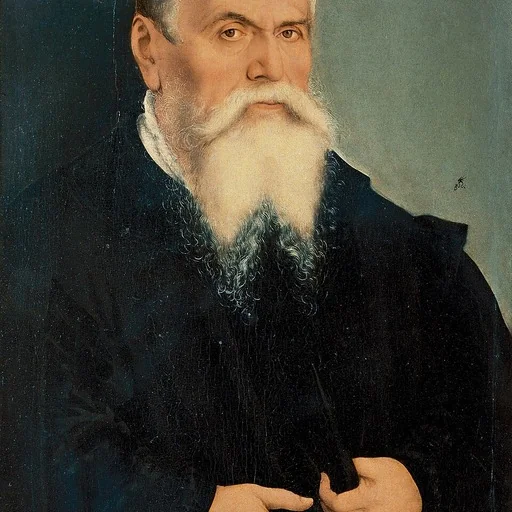
Lucas Cranach the Elder was a German Renaissance painter and printmaker in woodcut and engraving.

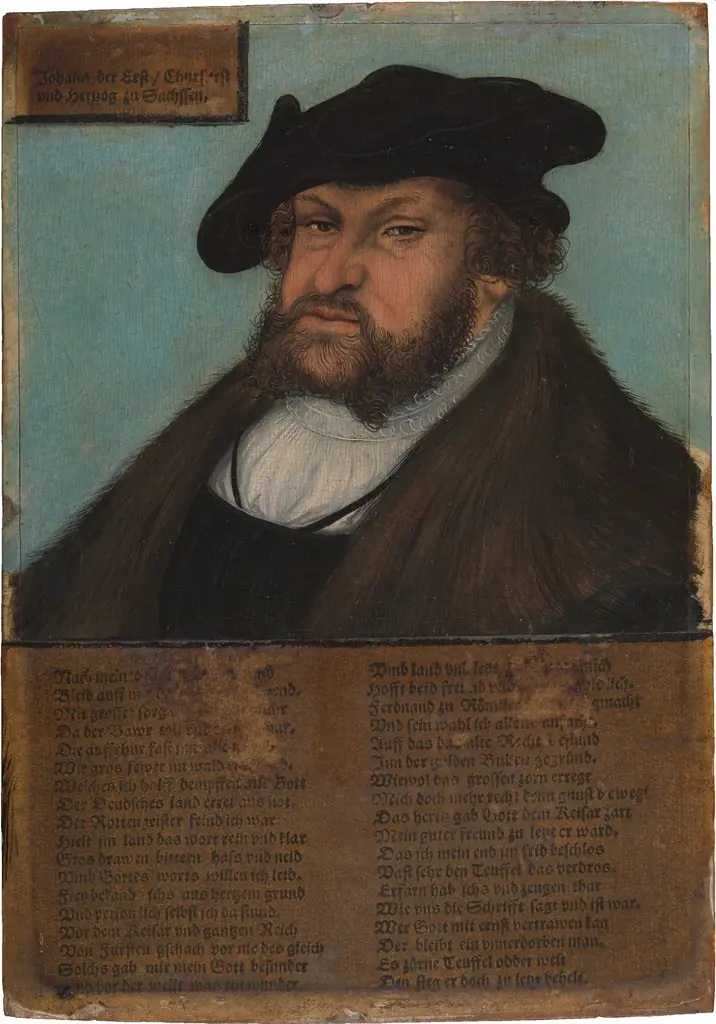
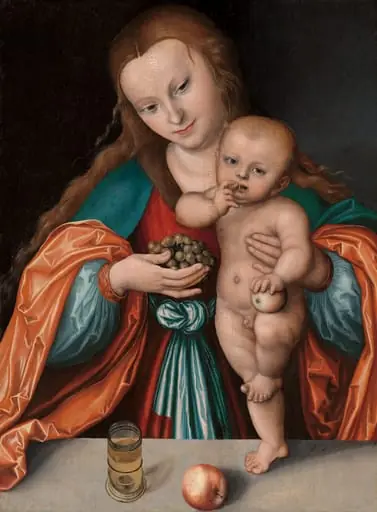
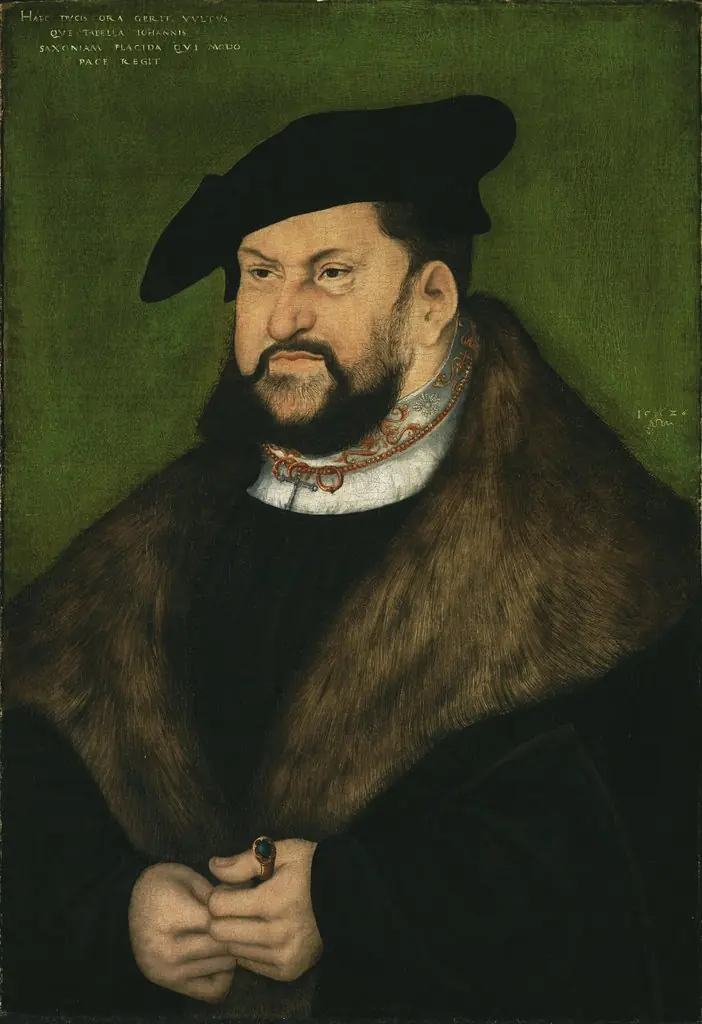 Portrait of Johannes the Steadfast, Elector of Saxony
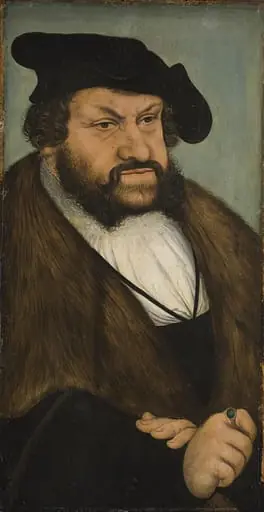 Portrait of the Elector John the Steadfast of Saxony (1468-1532)
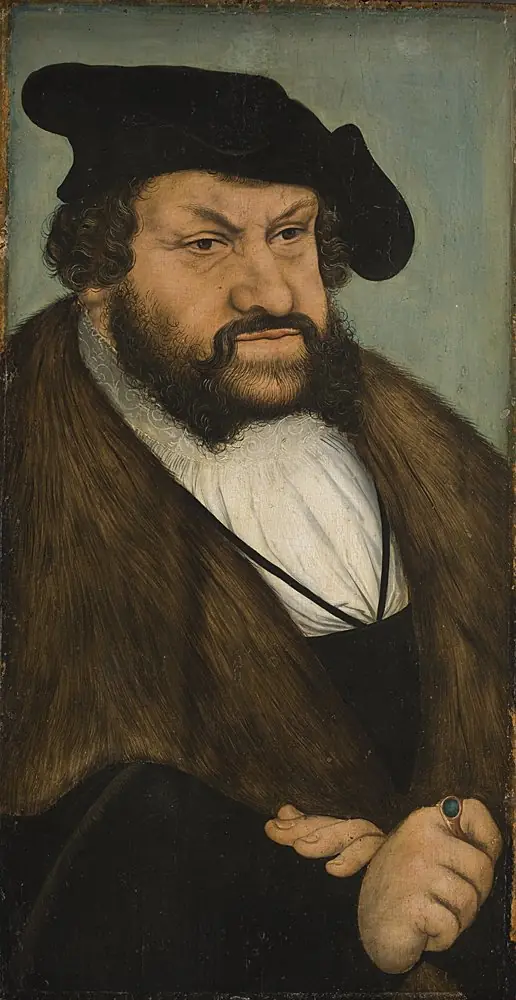 Portrait of the Elector John the Steadfast of Saxony (1468-1532)
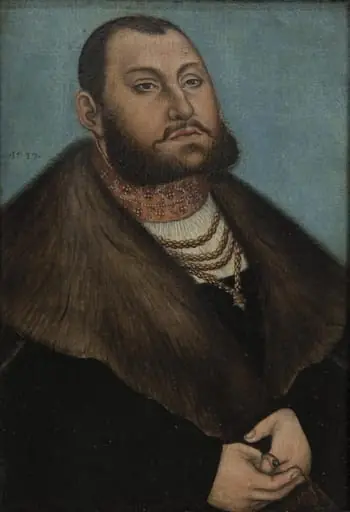 Portrait of the Elector John Frederic the Magnanimous of Saxony (1503-1554)
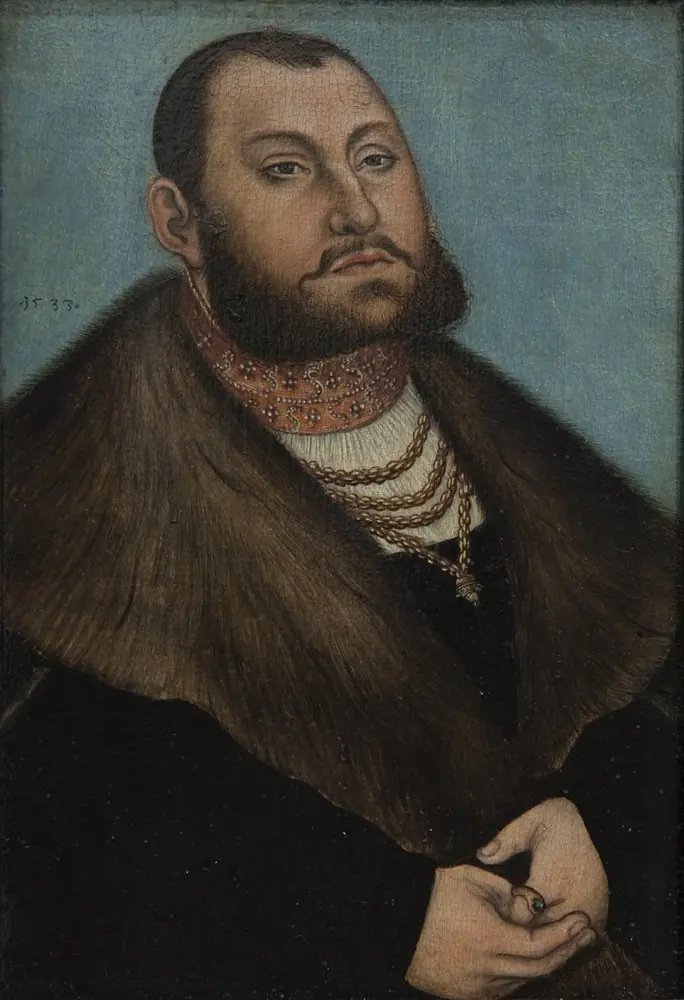 Portrait of the Elector John Frederic the Magnanimous of Saxony (1503-1554)
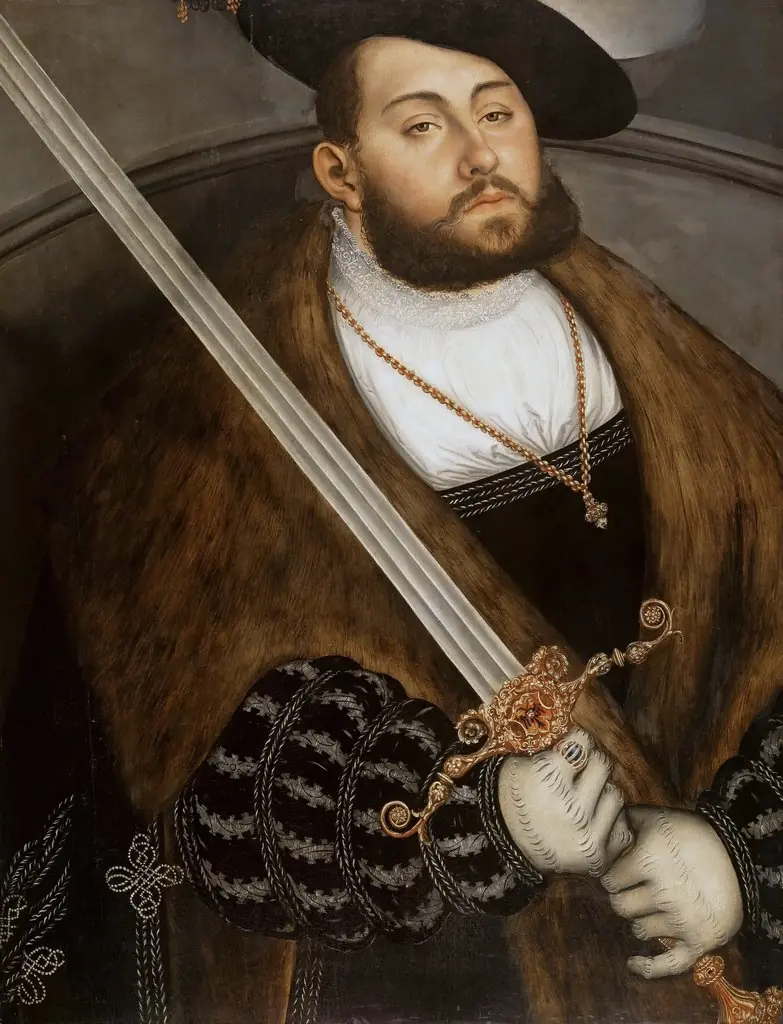 Johann Friedrich I, the Magnanimous, Elector of Saxony
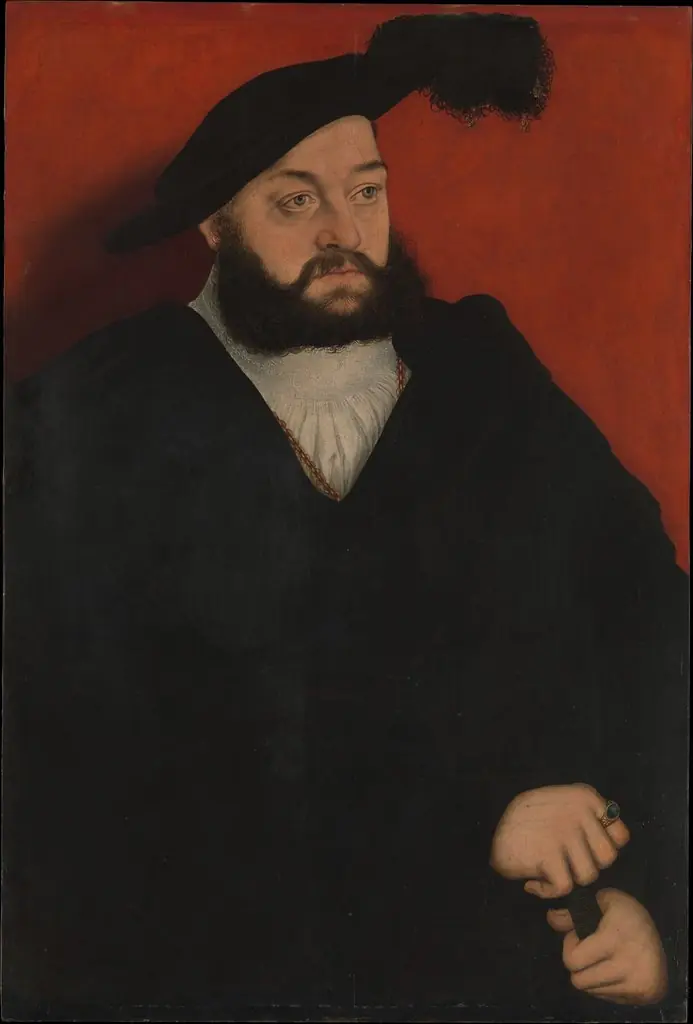 Johann (1498–1537), Duke of Saxony
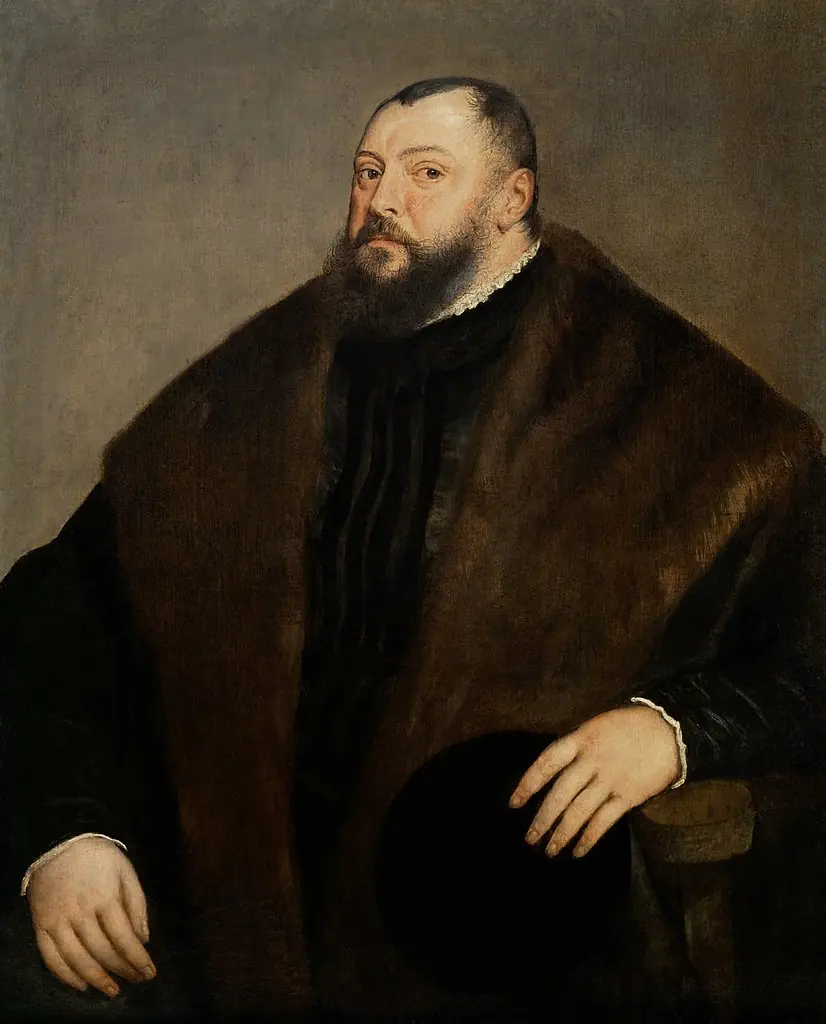 John Frederick, Elector of Saxony
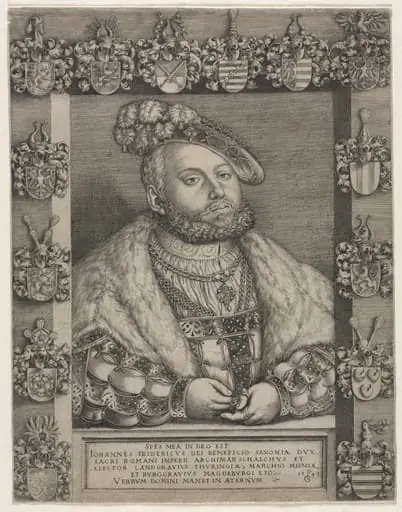 Portrait of John Frederick I, "The Magnanimous," Elector of Saxony
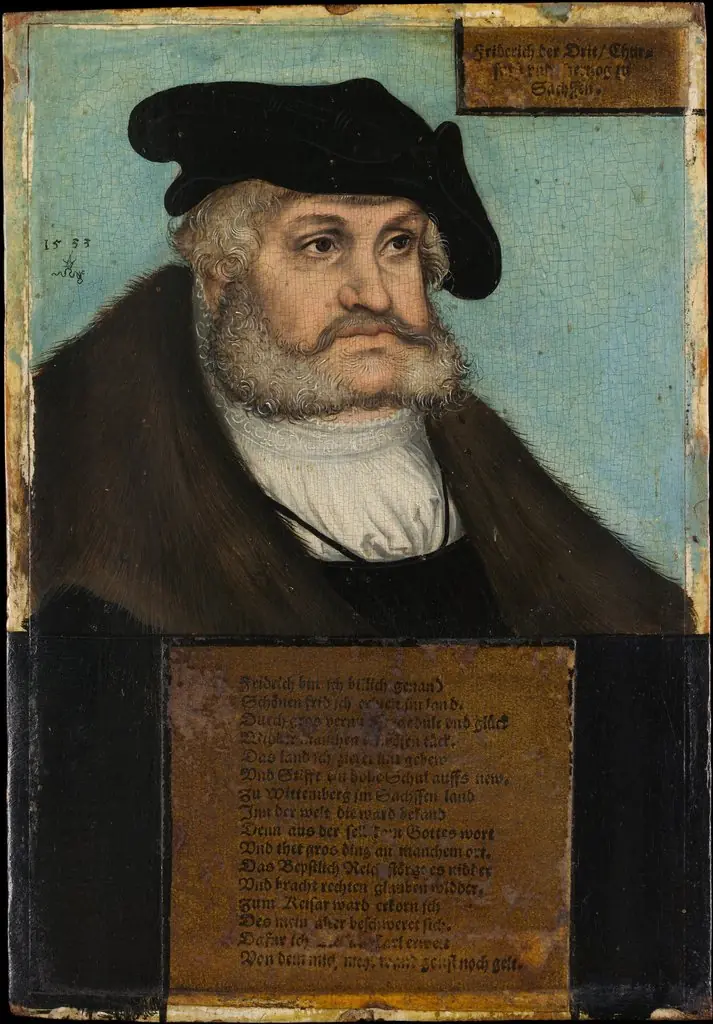 Friedrich III (1463–1525), the Wise, Elector of Saxony