Artwork
Mose and Aaron and two prophets
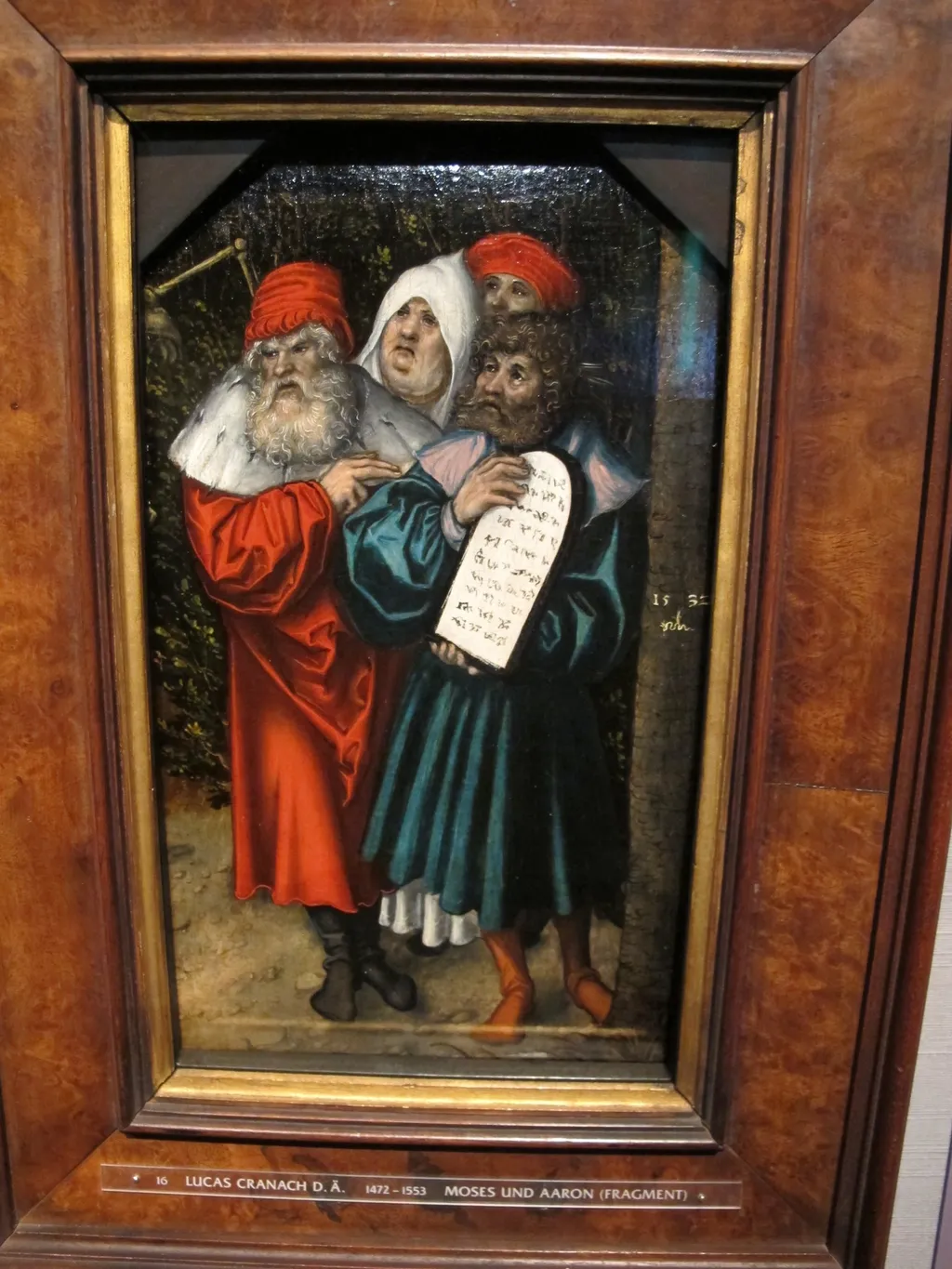
Mose and Aaron and two prophets is an unspecified painting by the Northern Renaissance artist Lucas Cranach the Elder. It dates from 1532 and is held in the collection of the Bavarian State Painting Collections.
About this work
Overview
Created in 1532, this religious canvas by Lucas Cranach the Elder is part of the collection of Munich’s Alte Pinakothek. The work presents four biblical figures—Moses, Aaron and two prophets—arranged in a compact group and directed toward an unseen presence above them.
Subject & Meaning
The central figure, identified as Moses, bears a stone tablet inscribed with divine law, while Aaron and the two prophets flank him, their gazes lifted skyward. The composition suggests a moment of revelation or divine communication, emphasizing the transmission of covenantal authority.
Technique & Style
Cranach employs his characteristic linear clarity and vivid palette, dressing the figures in contrasting red, white and green garments. The precise rendering of the tablet and the crisp outlines reflect the artist’s Northern Renaissance training, while the upward‑looking poses create a sense of spiritual tension.
History & Provenance
Painted during the Reformation era, the piece entered the Alte Pinakothek’s holdings in the 19th century as part of the museum’s effort to assemble German Renaissance masterpieces. Its provenance prior to that remains documented through inventory records of regional collections.
Context
The work aligns with Cranach’s extensive production of biblical subjects for both Catholic and Protestant patrons. By juxtaposing Moses with Aaron and prophetic figures, the painting underscores themes of law, priesthood and prophetic witness that were central to contemporary theological debates.
Artist & collection
Artist
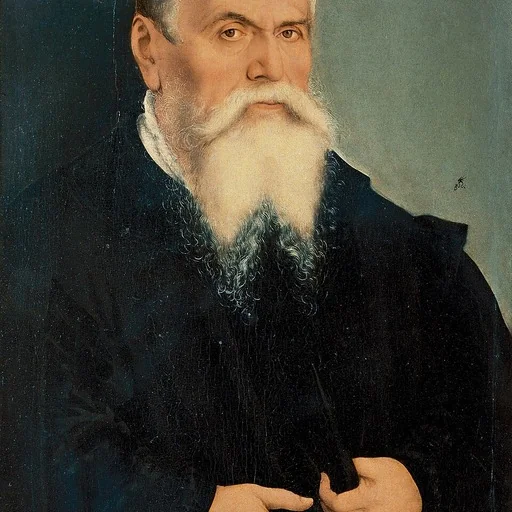
Lucas Cranach the Elder was a German Renaissance painter and printmaker in woodcut and engraving.

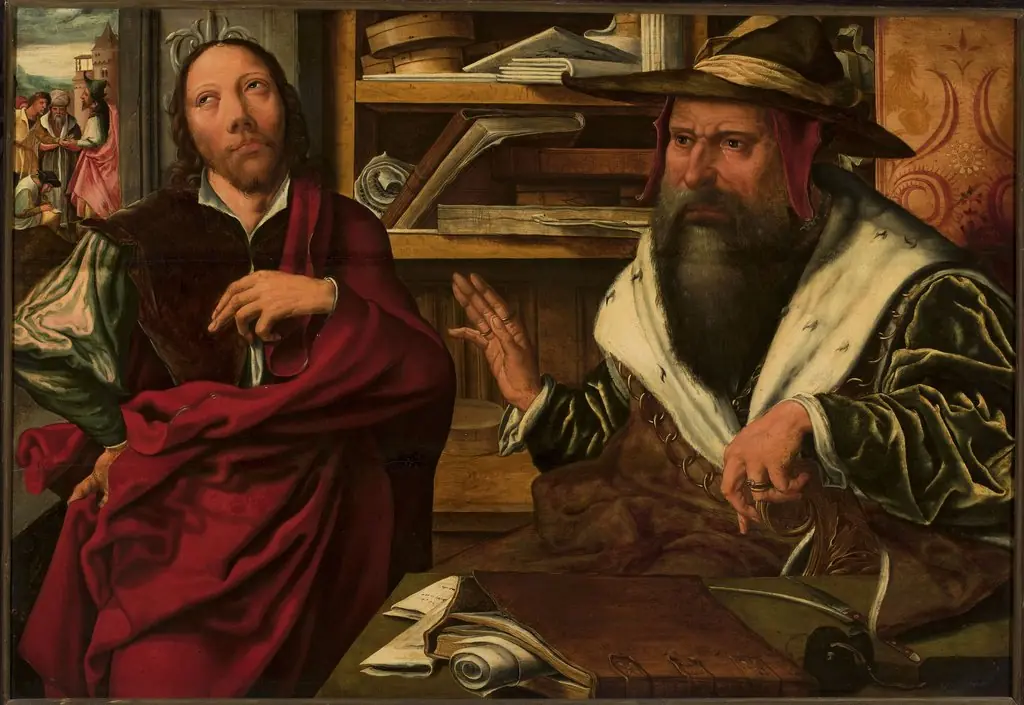 Parable of the unjust steward (Luke 16:1-13)
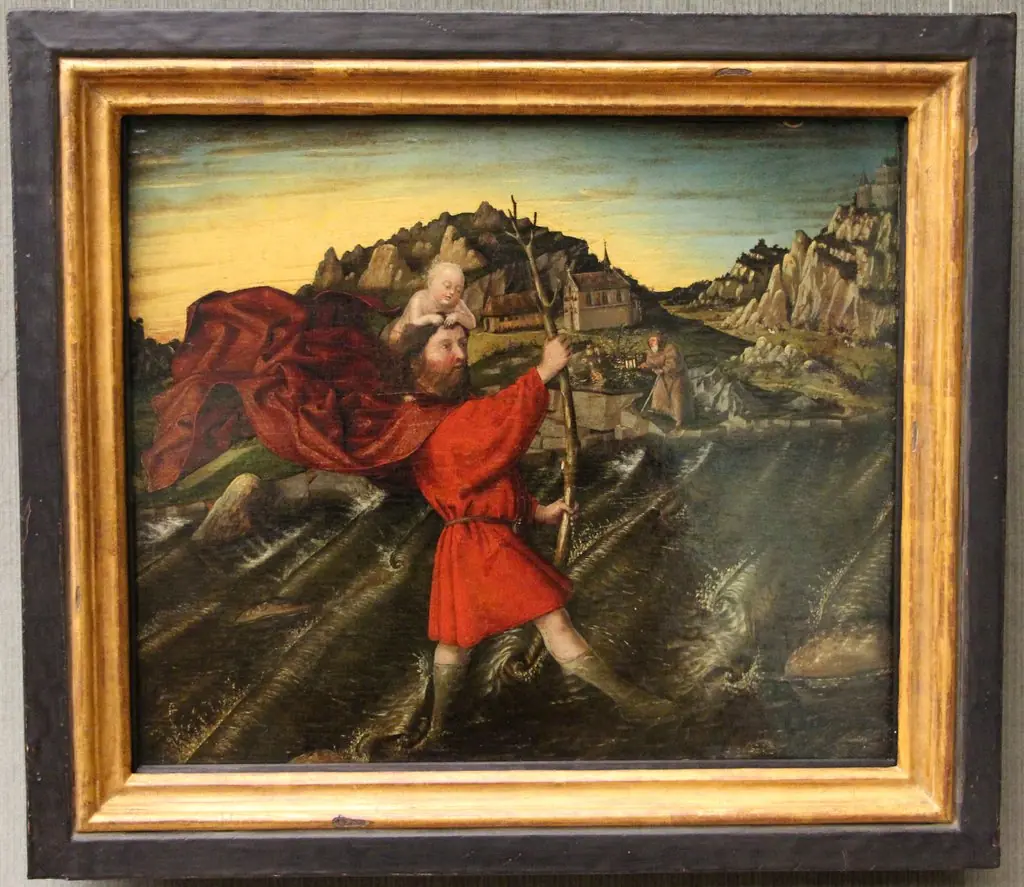 Saint Christopher (Berlin)
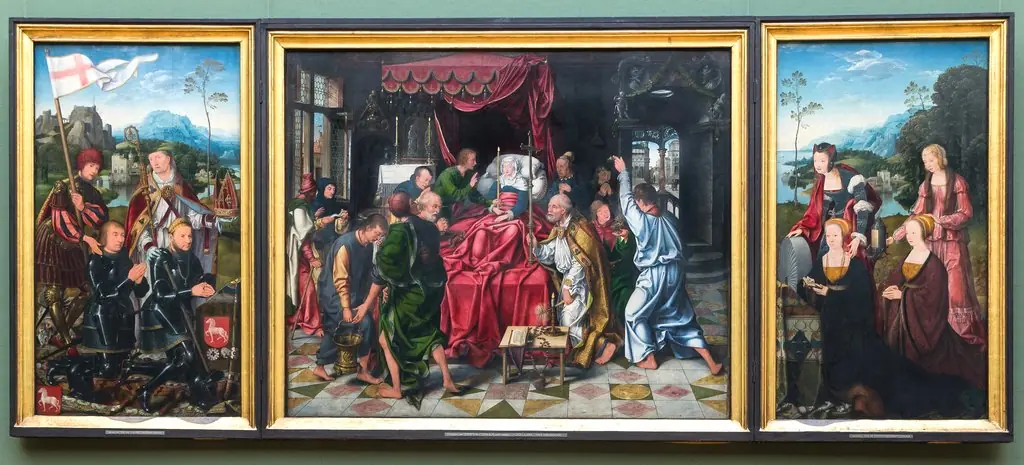 Death of Mary altarpiece
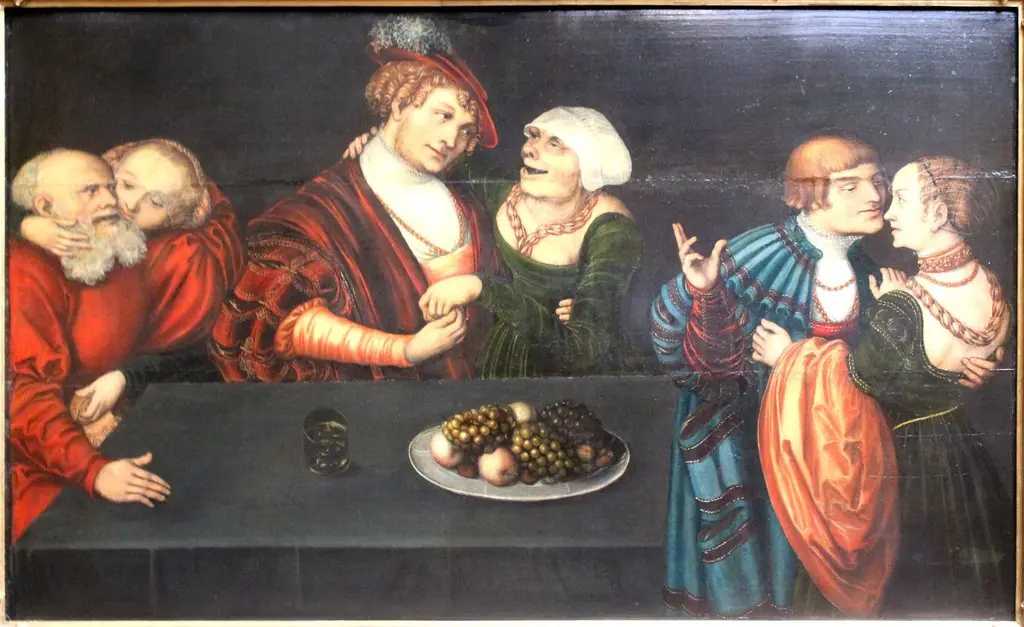 Three Pairs of Lovers
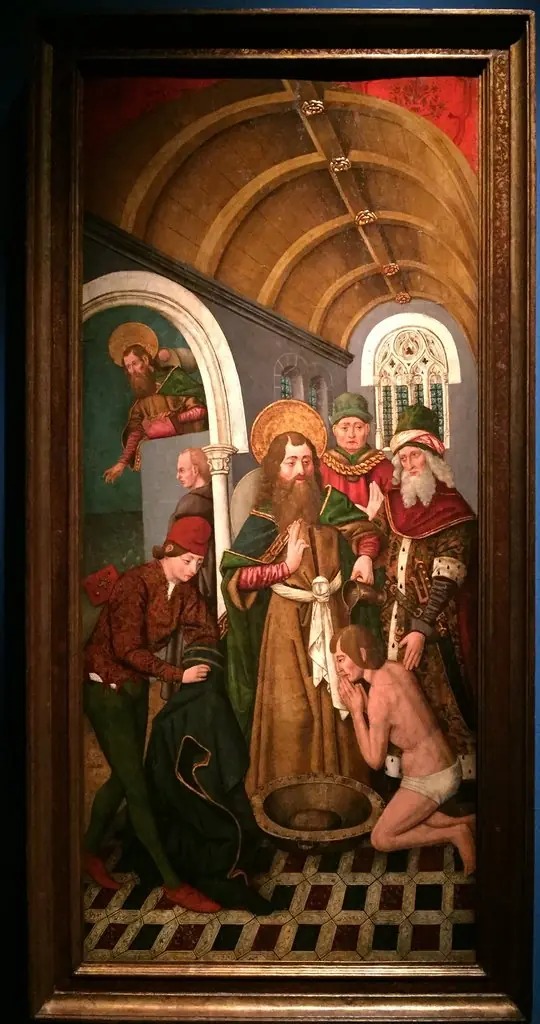 Sant Jaume el major bateja el mag Hermògenes
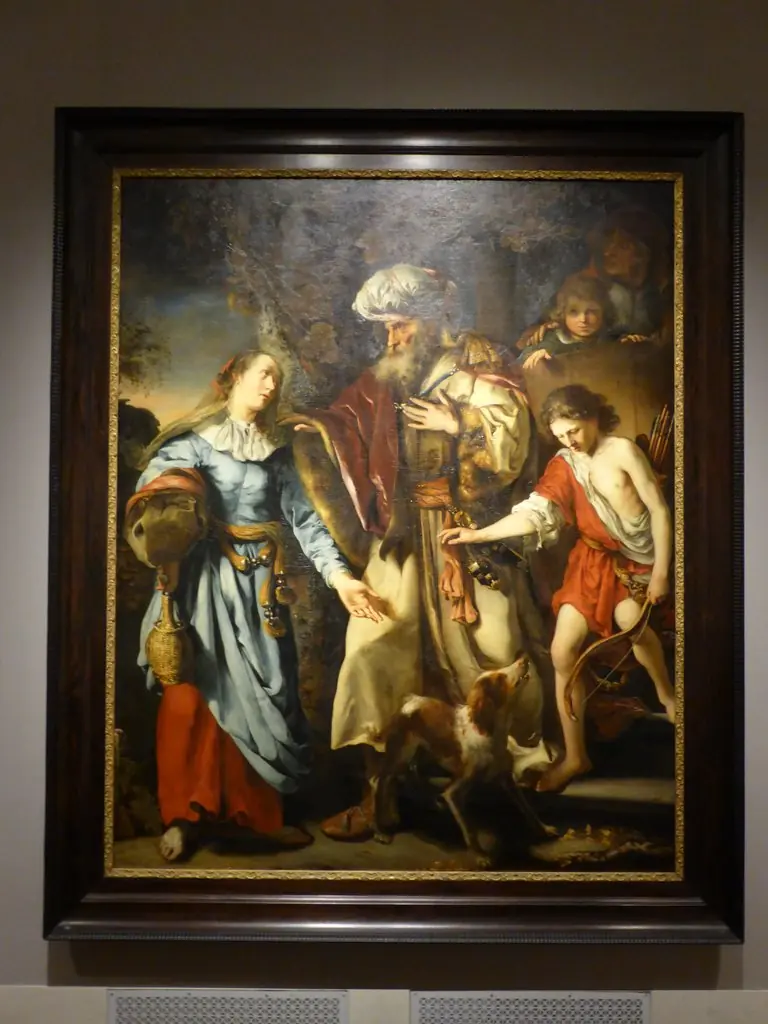 Abraham banishes Hagar and Ishmael
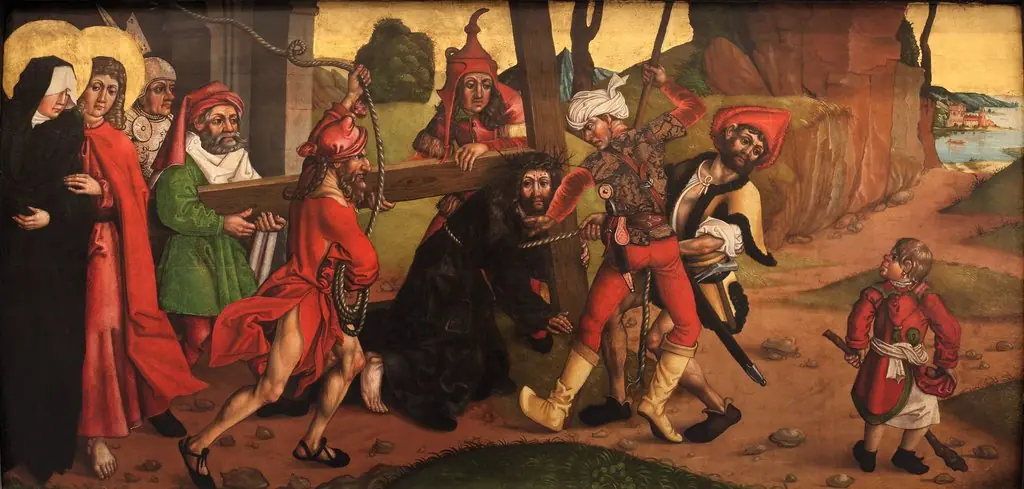 The carrying of the cross
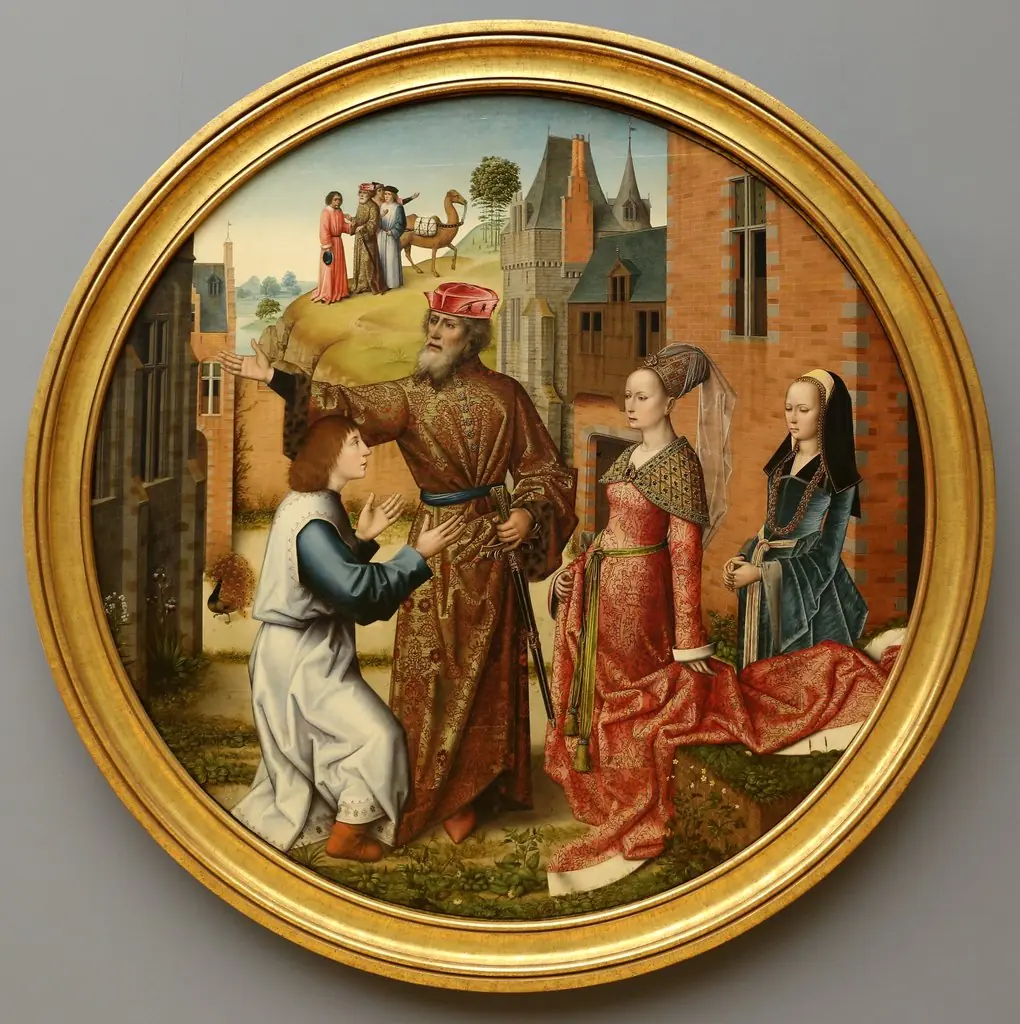 Potiphar Names Joseph Administrator
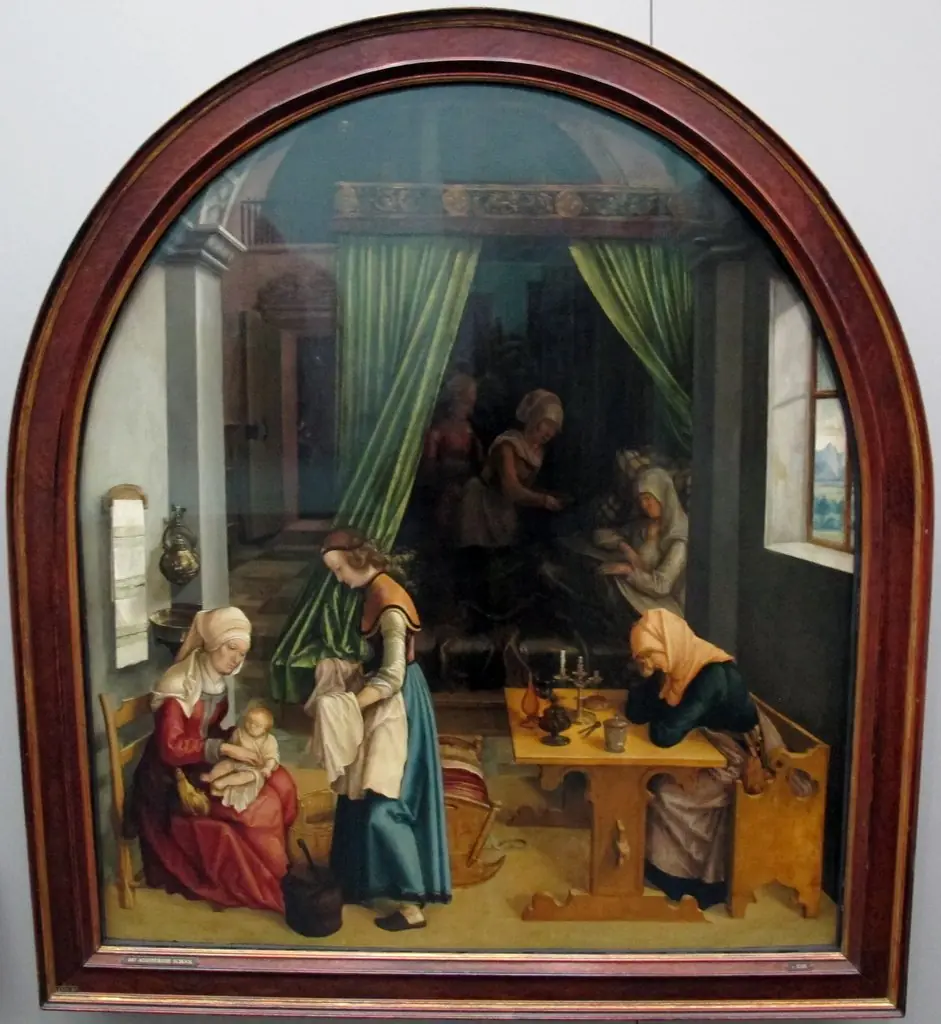 The Birth of Mary
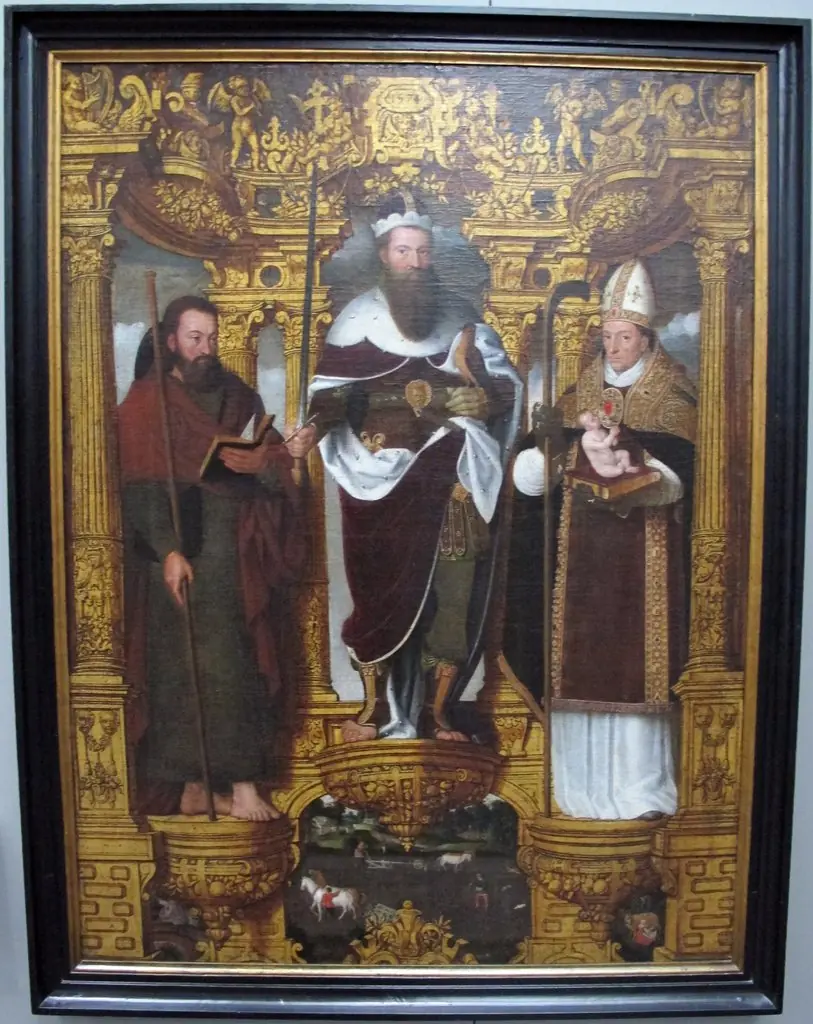 Saints Bavo, James the Great and Willibrord
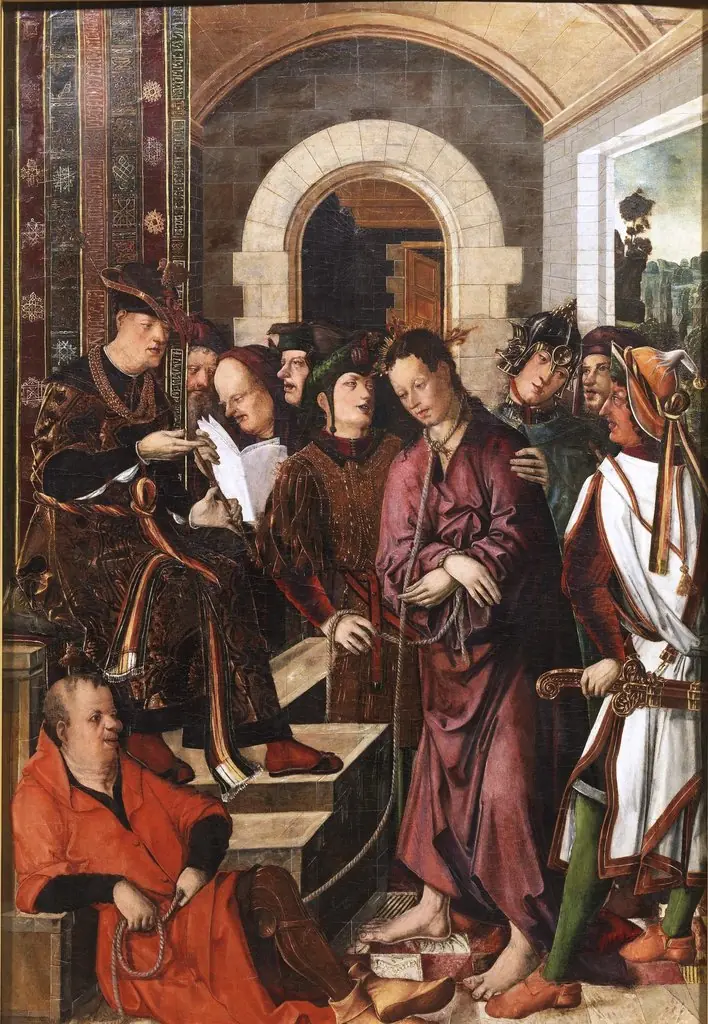 Christ before Pilate
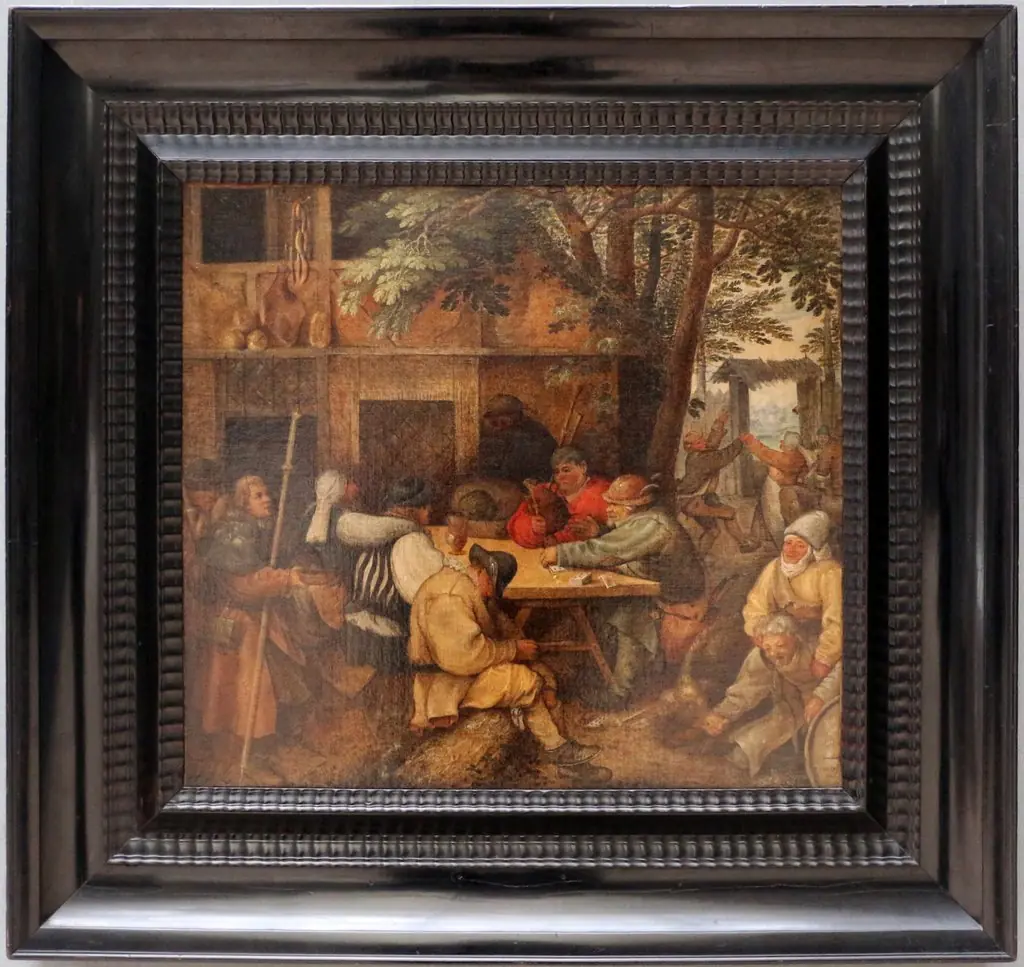 peasants at a table (Roelandt Savery)