Artwork
Potiphar Names Joseph Administrator
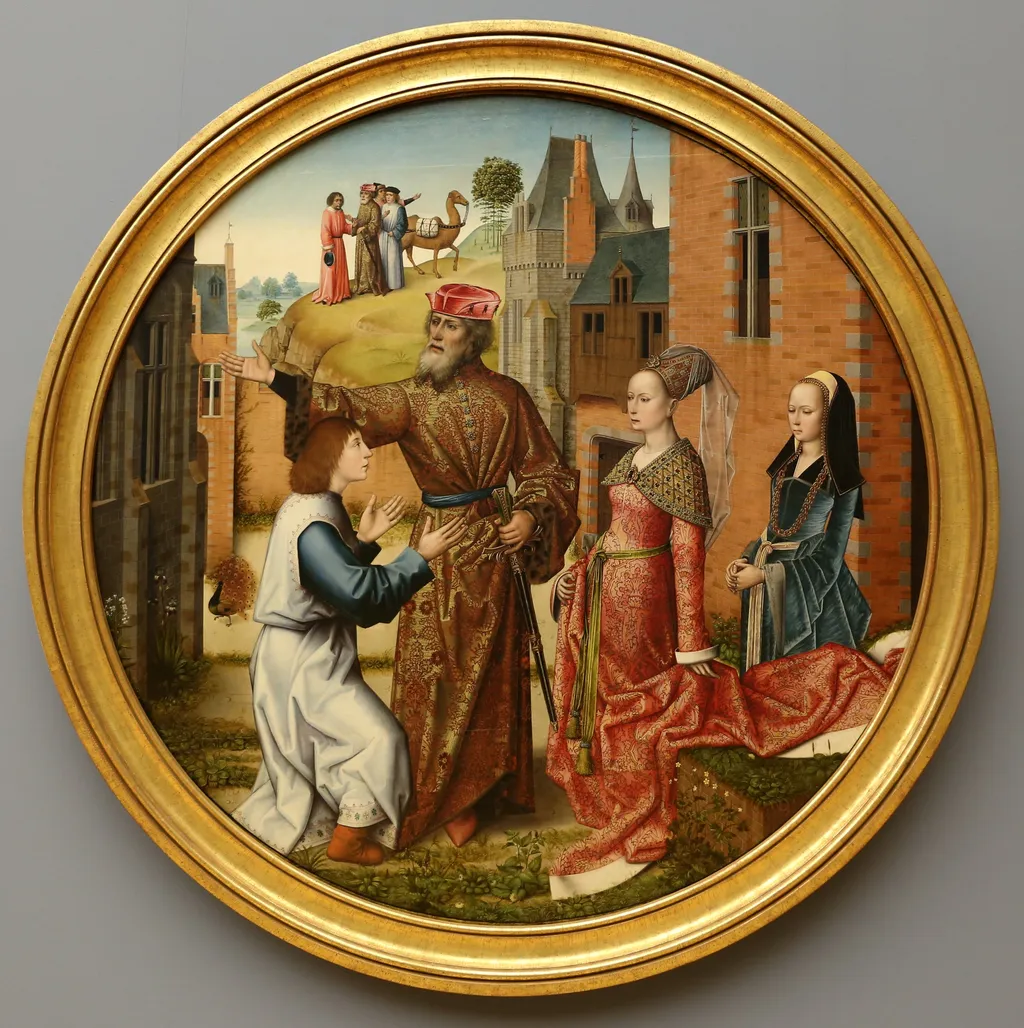
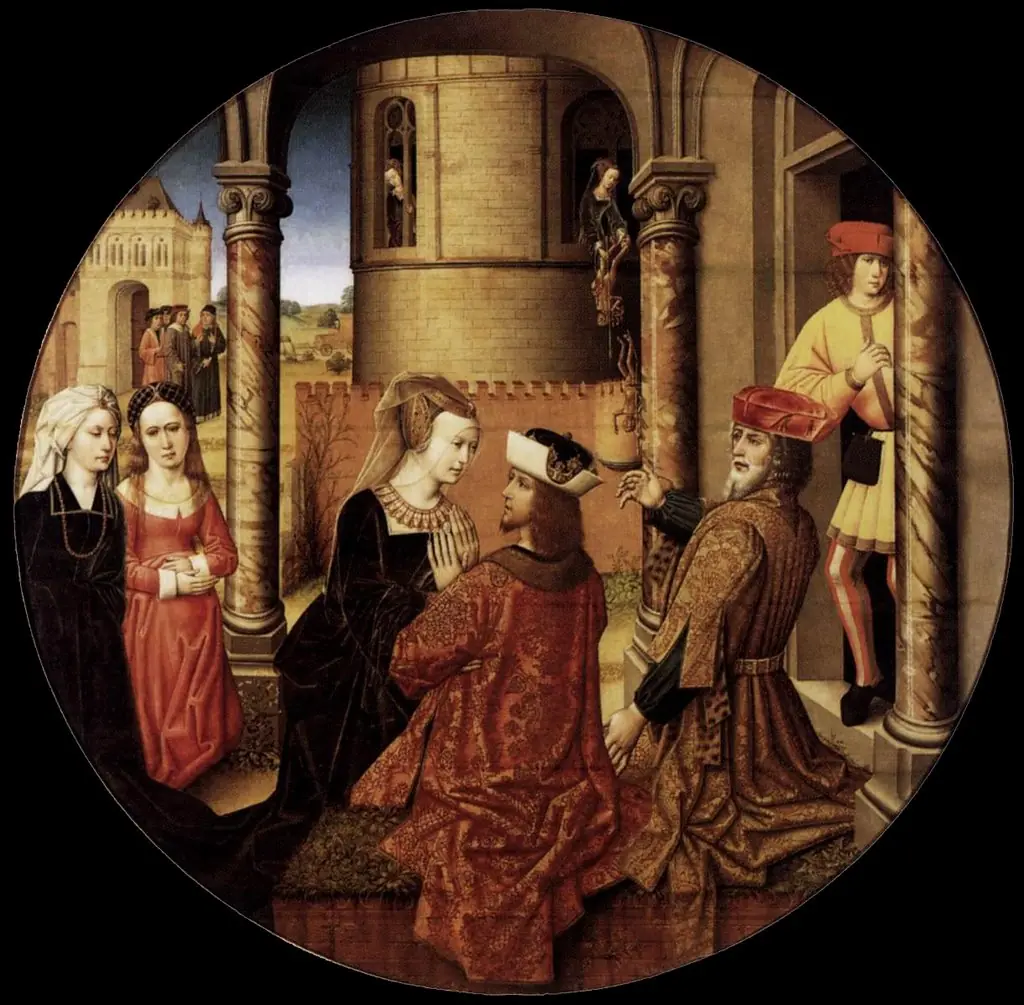
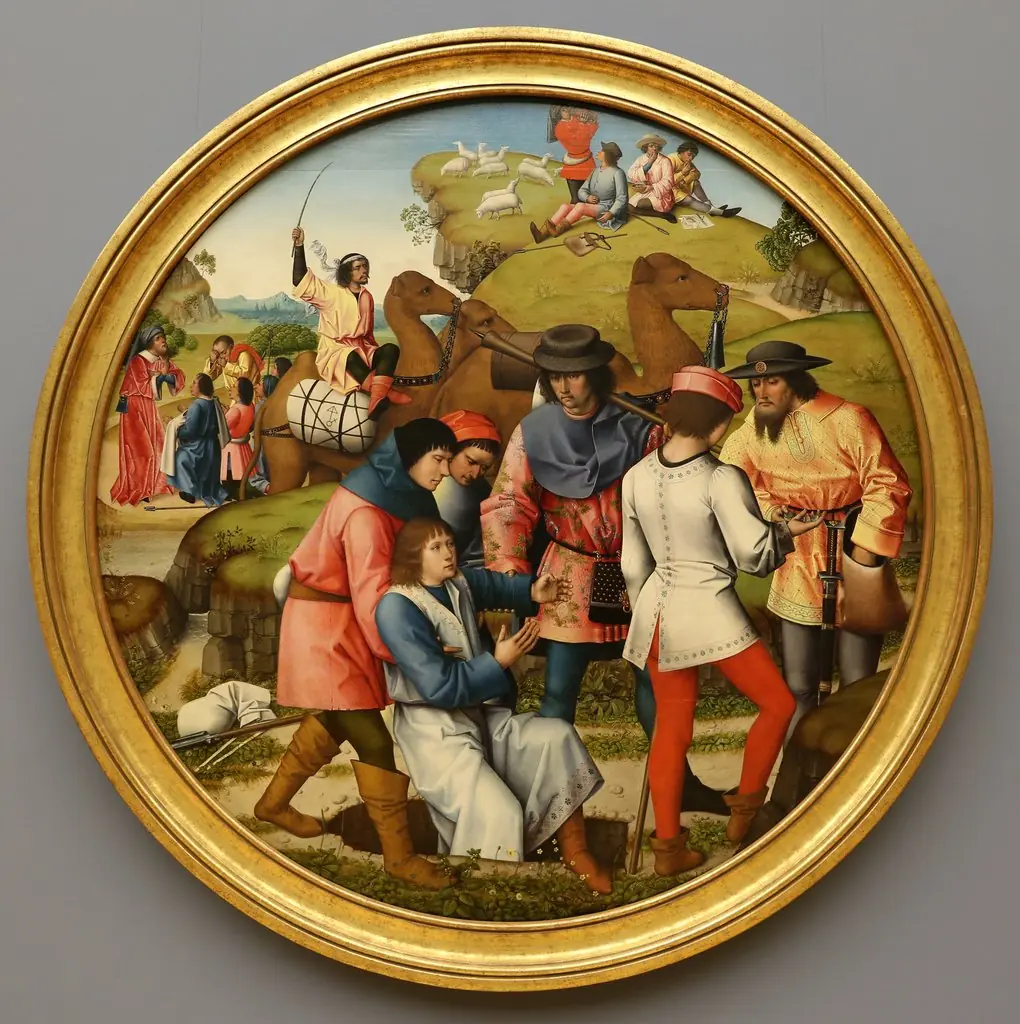
Potiphar Names Joseph Administrator is an unspecified painting by the Northern Renaissance artist Master of Affligem. It dates from 1502 and is held in the collection of the Gemäldegalerie Berlin.
About this work
Overview
Painted in 1502 by an anonymous artist known as the Master of Affligem, this work is one of several panels illustrating the biblical story of Joseph.
Painted in 1502 by an anonymous artist known as the Master of Affligem, this work is one of several panels illustrating the biblical story of Joseph. Executed in the South Netherlandish tradition, it captures a pivotal moment from Genesis when Potiphar entrusts Joseph with domestic authority. The painting is part of the collection at the Gemäldegalerie in Berlin, where it remains as a representative example of early 16th-century devotional narrative art.
Subject & Meaning
The scene depicts Potiphar, an Egyptian official, designating Joseph, a Hebrew captive, as steward of his household. This act signals divine favor, as Joseph’s integrity and competence are recognized despite his low status. The kneeling posture of Joseph contrasts with Potiphar’s authoritative gesture, reinforcing themes of humility and providential elevation. The inclusion of onlookers underscores the public nature of this appointment and its social weight.
Technique & Style
The artist employs fine brushwork and rich pigments to render intricate textiles and architectural details. Gold leaf highlights emphasize the wealth of the setting, while deep reds and blues define the figures’ garments. The composition is carefully arranged to guide the viewer’s eye from Potiphar’s gesture to Joseph’s bowed form, with background elements like distant figures and a camel adding depth without distracting from the central drama.
History & Provenance
The painting was likely created as part of a larger altarpiece or devotional cycle commissioned for private or ecclesiastical use in the Brussels region. Its survival as a single panel suggests later separation from its original context. It entered the Gemäldegalerie Berlin’s collection in the 19th century, where it was identified as the work of the Master of Affligem, a name assigned to an anonymous hand based on stylistic groupings.
Context
This painting emerged during a period when biblical narratives were commonly depicted in Northern Europe for both public worship and private devotion. Artists in the Brussels area often produced multi-scene cycles of Joseph’s life, reflecting the popularity of his story as a model of virtue amid adversity. The detailed interiors and costumes reflect contemporary Flemish tastes rather than historical accuracy, blending biblical tale with local reality.
Legacy
Though the Master of Affligem remains unidentified, his body of work, including this panel, contributes to understanding the visual culture of late medieval Flanders. His attention to narrative clarity and luxurious detail influenced regional painting traditions. This piece, preserved in a major European collection, continues to serve as a reference for studying how religious stories were rendered in the early Renaissance through localized artistic conventions.
Artist & collection
Artist
The Master of Affligem or Master of the Joseph Sequence (working c. 1470–1500) was an accomplished painter of the South Netherlandish school, apparently working in Brussels, whose name is not known, but whose hand can…


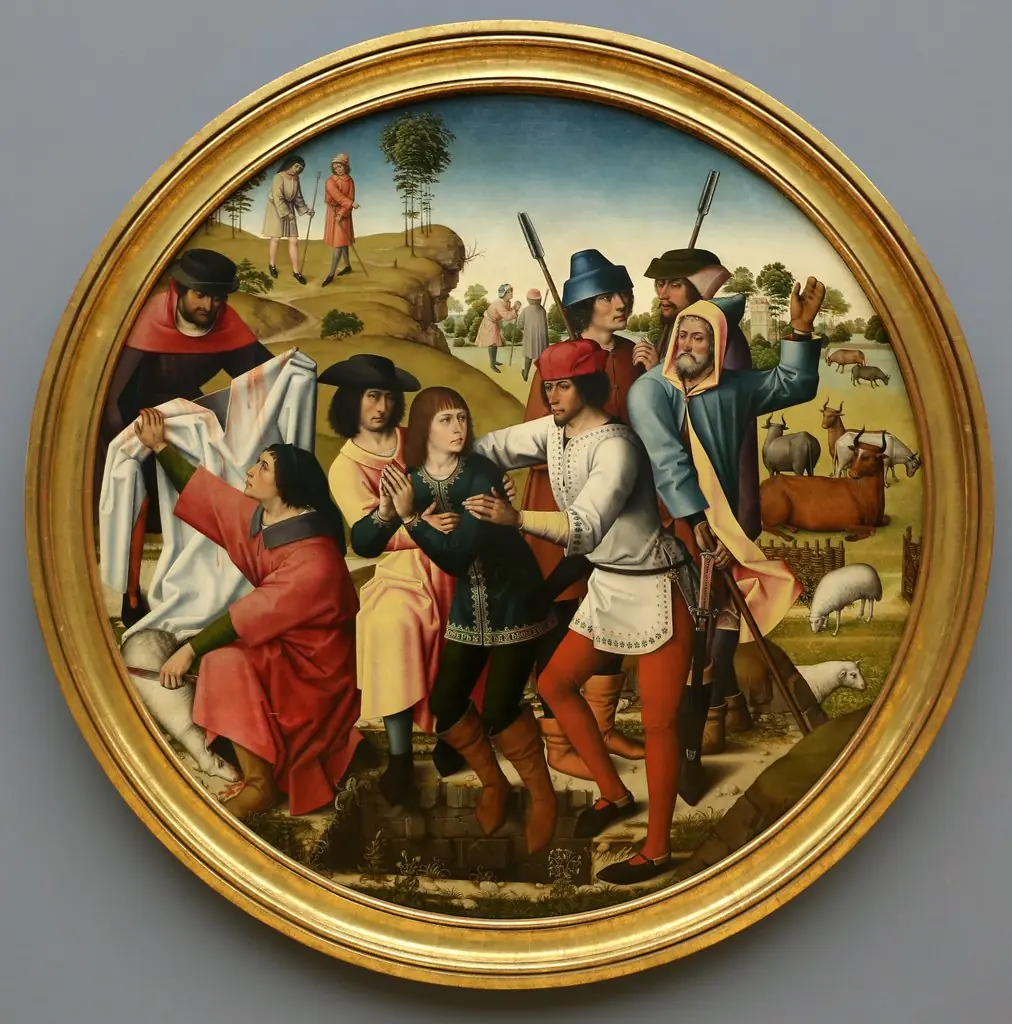
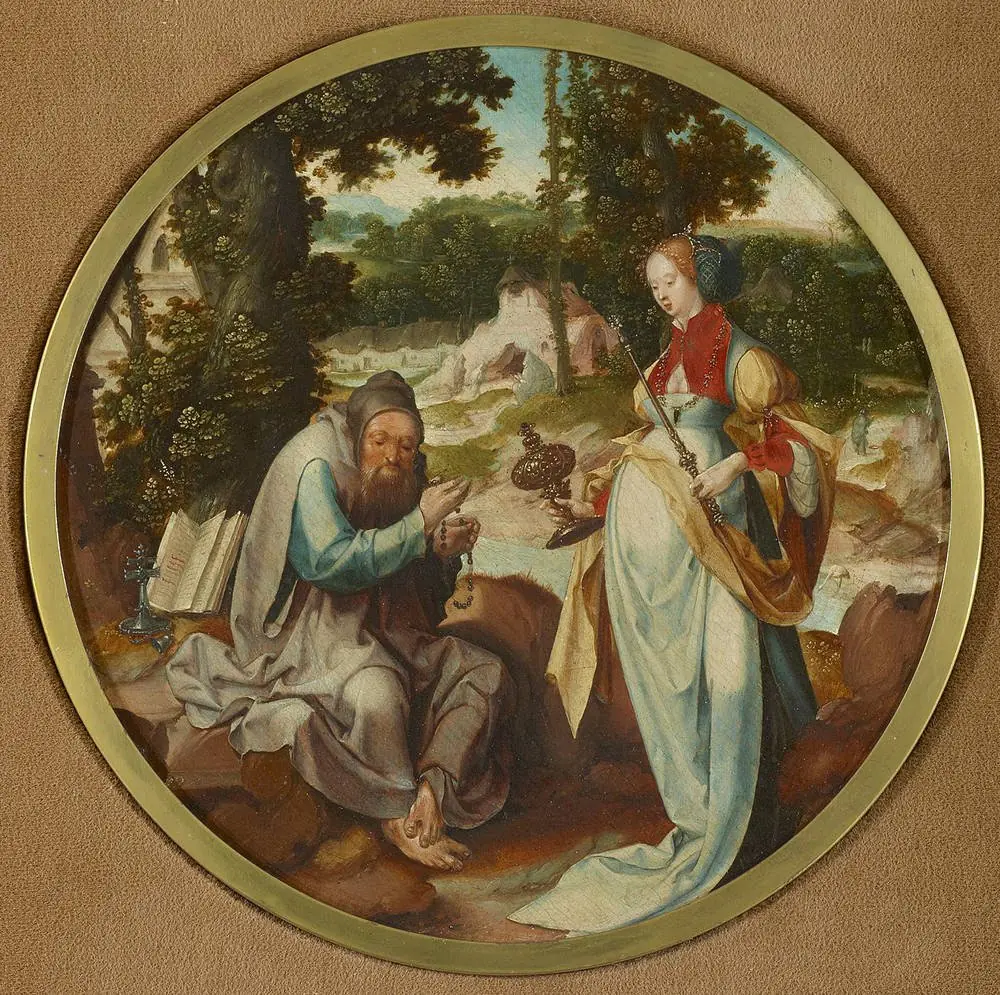 The temptation of Saint Antony
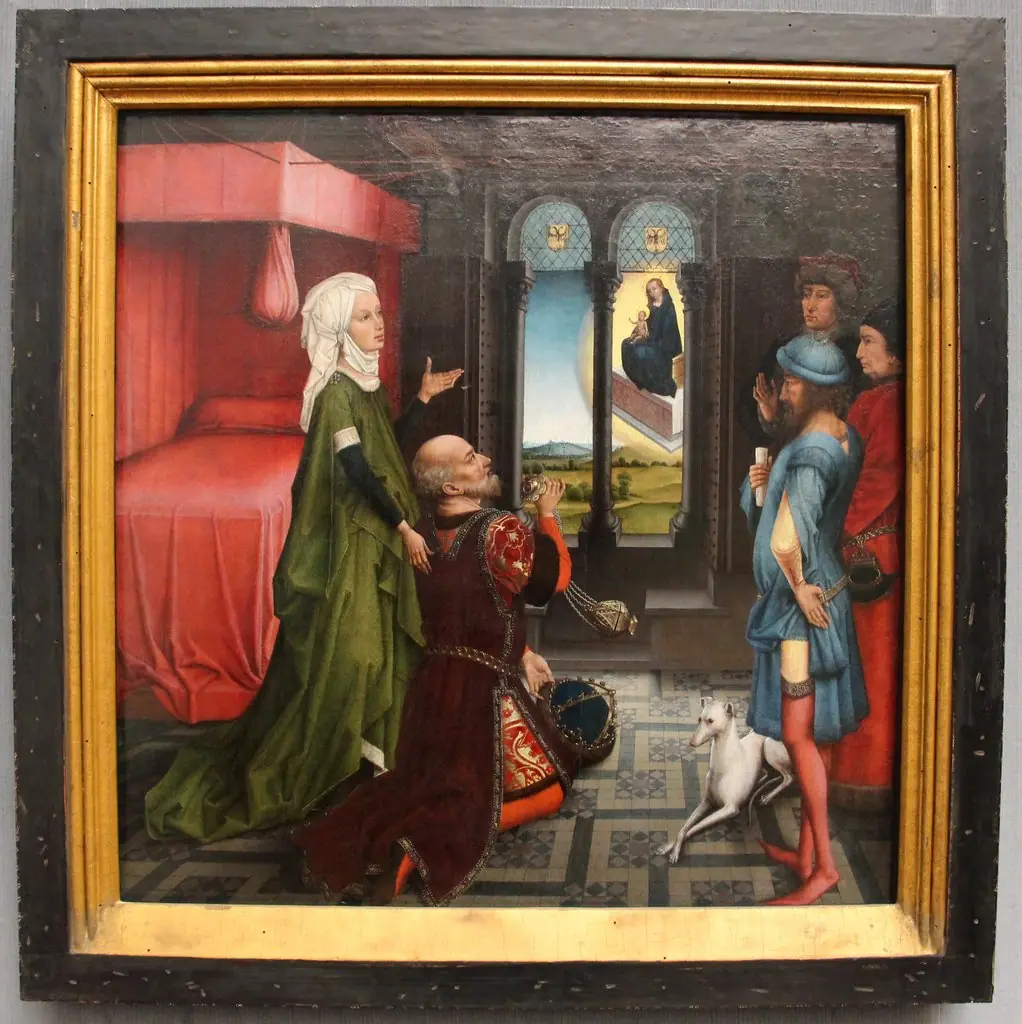 The Annunciation by the Tiburtine sybil to Emperor Augustus; Angel of the Annunciation (verso)
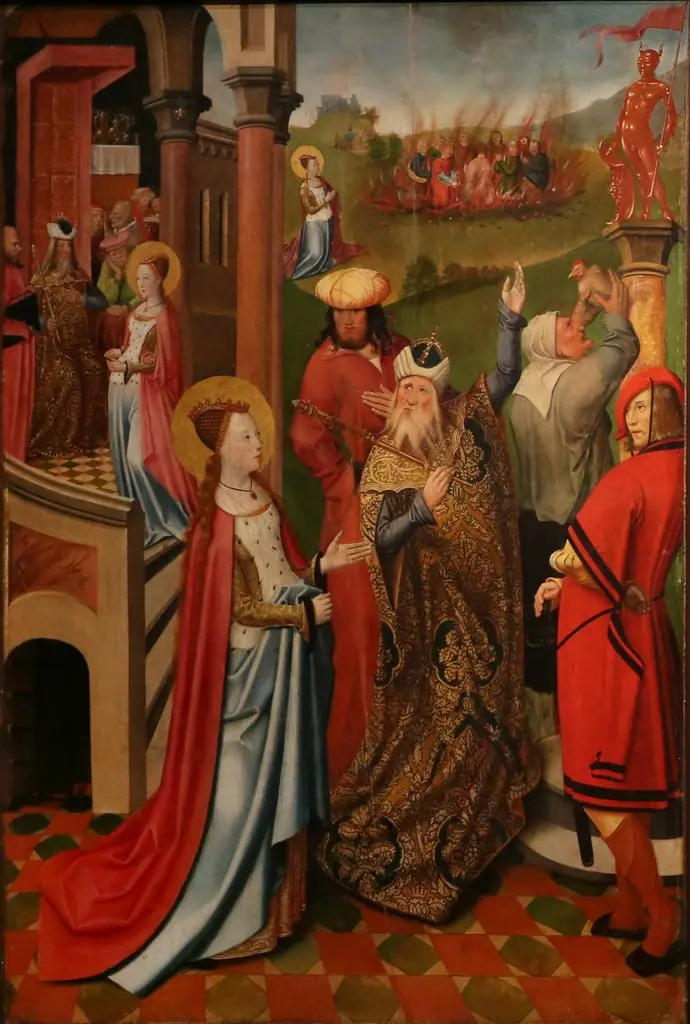 Saint Catherine refuses idolatry
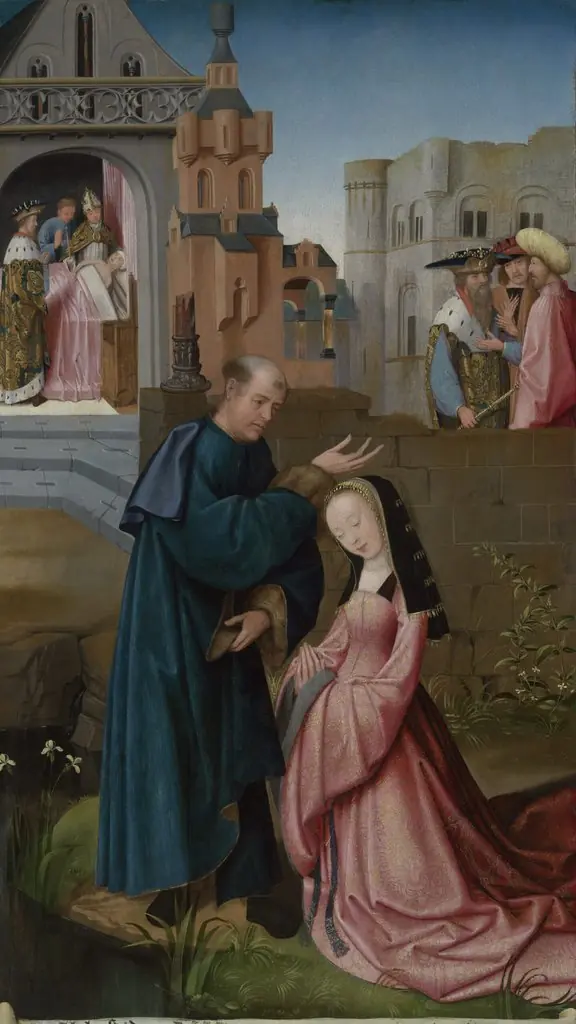 Baptism of Dymphna, with the Death of Dymphna’s Mother Represented in the Background
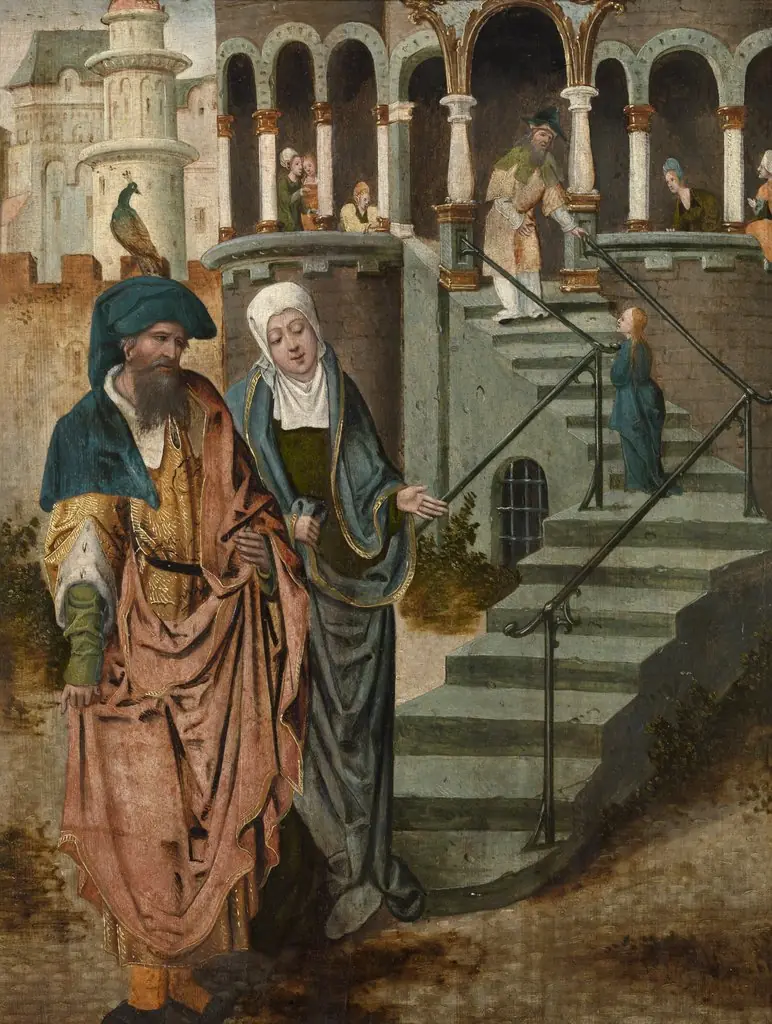 Presentation of Mary in the Temple
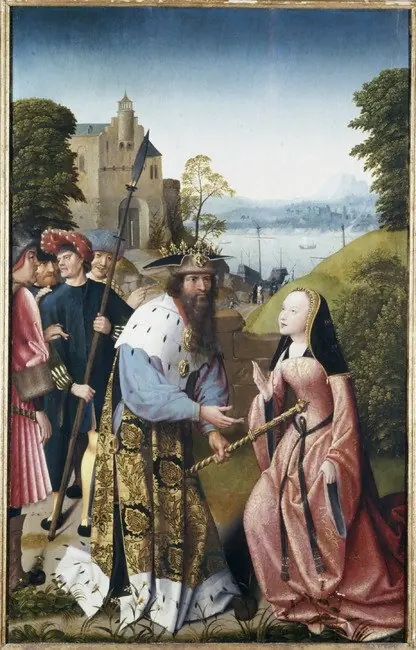 Dymphna’s Father Proposes to her
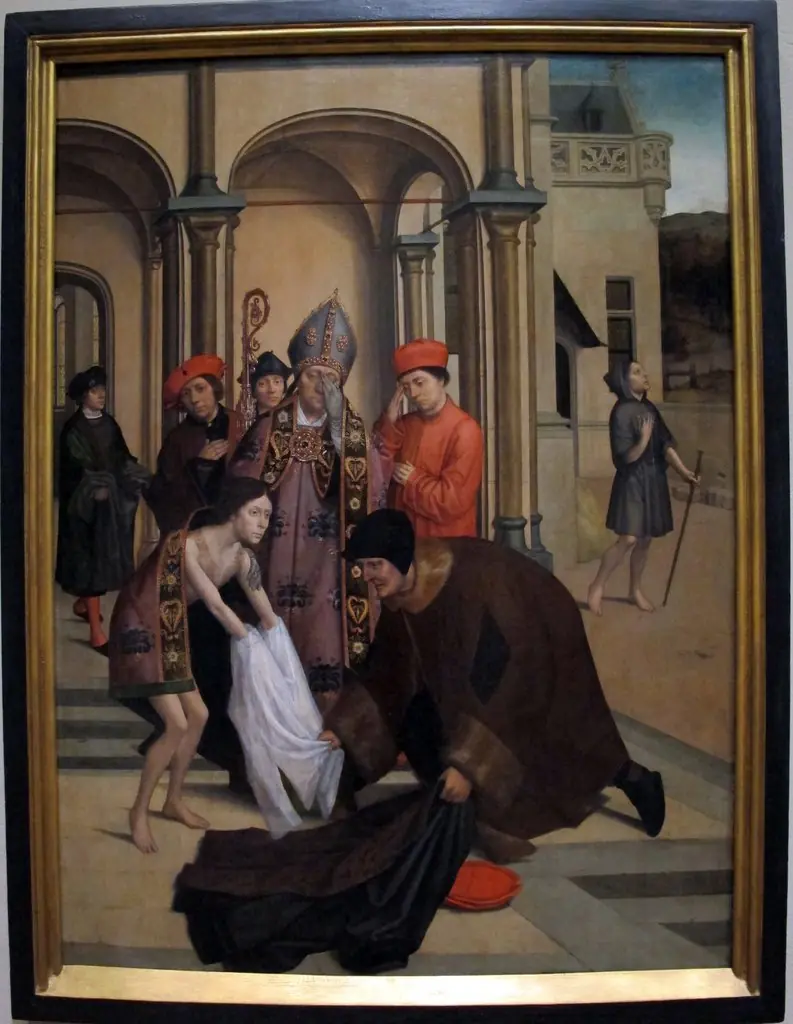 Saint Francis Renouncing the World for the Cloister
 The Marriage of the Virgin
 The returning of David with the head Goliath