Artwork
Portrait of Magdalena of Saxony, Wife of Elector Joachim II of Brandenburg
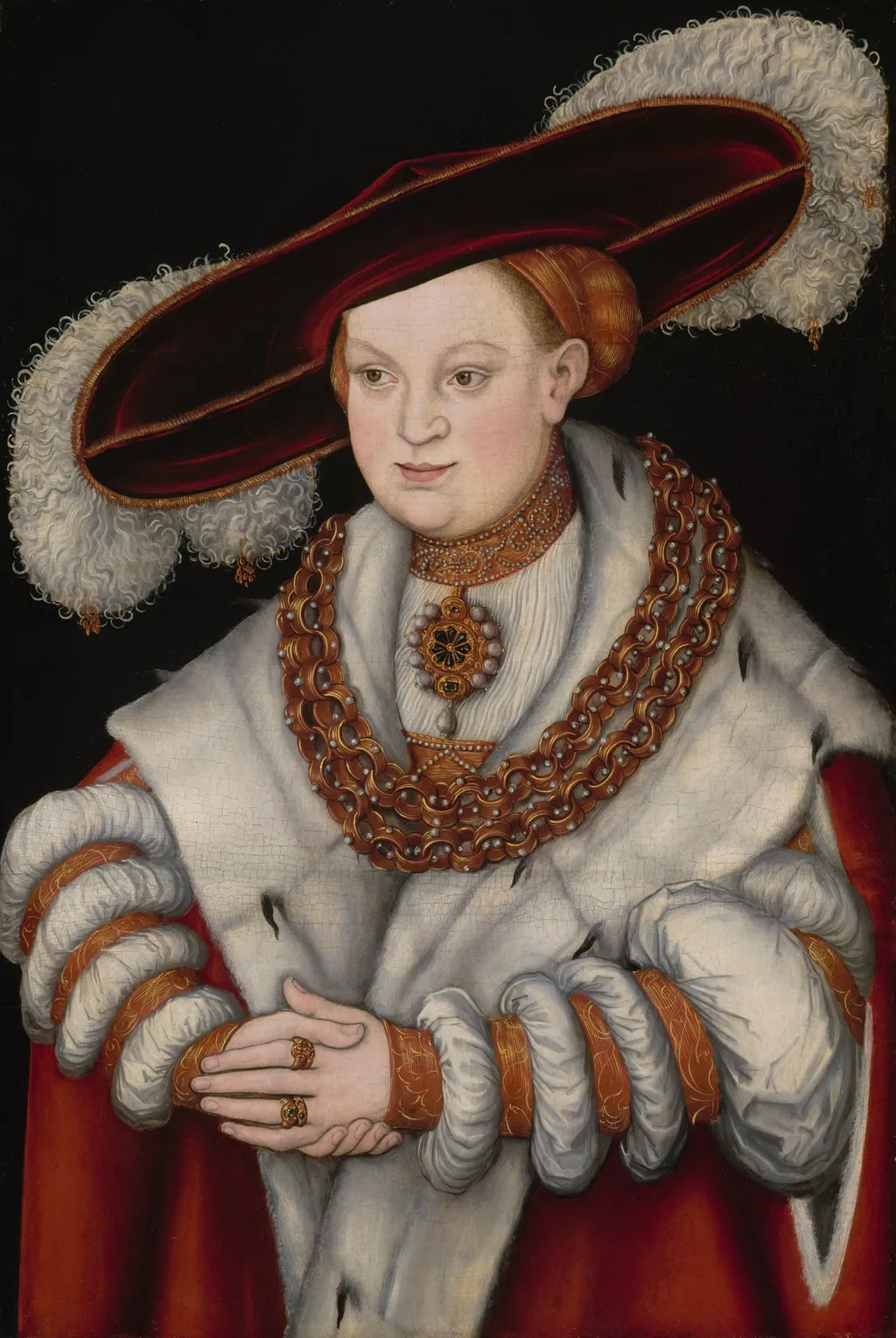
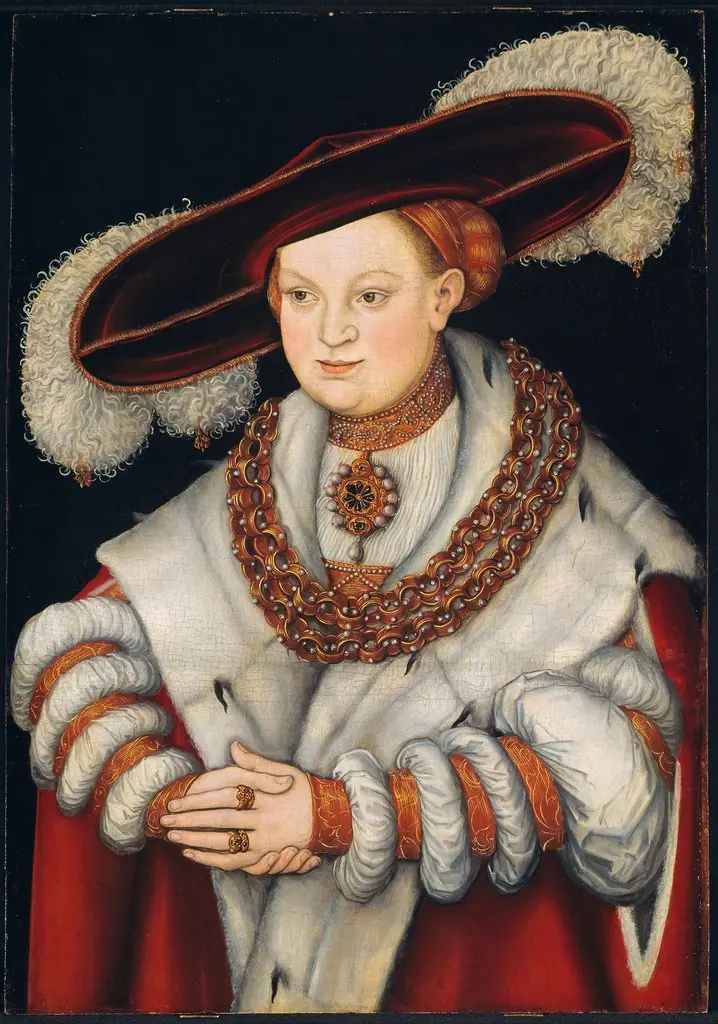
Portrait of Magdalena of Saxony, Wife of Elector Joachim II of Brandenburg is an oil painting by the Northern Renaissance artist Lucas Cranach the Elder. It dates from 1529 and is held in the collection of the Art Institute of Chicago.
About this work
Overview
This oil-on-panel portrait depicts Magdalena of Saxony, wife of Elector Joachim II of Brandenburg, painted by Lucas Cranach the Elder.
This oil-on-panel portrait depicts Magdalena of Saxony, wife of Elector Joachim II of Brandenburg, painted by Lucas Cranach the Elder. The work exemplifies Cranach’s role as a court artist dedicated to conveying noble identity through precise visual cues. Its execution reflects the conventions of early 16th-century German portraiture, where status was communicated not through idealization but through meticulous rendering of material wealth.
Subject & Meaning
Magdalena is identified through comparative evidence, including a matching signet ring visible in her husband’s portrait at the Philadelphia Museum of Art. Her attire and jewelry are not merely decorative but serve as markers of lineage and marital alliance. The portrait functions as a dynastic statement, affirming her position within the Saxon and Brandenburg noble networks through visible symbols of her birth and marriage.
Technique & Style
Cranach employed glazing techniques to achieve depth and luminosity in the fabric and jewelry, layering thin translucent oils to enhance the richness of textures. The surface details—threaded gold, gemstone reflections, and intricate embroidery—are rendered with controlled precision, reflecting a methodical approach to surface realism. This technique aligns with Northern Renaissance practices but is adapted here to suit the demands of courtly representation.
History & Provenance
The portrait was likely created during Cranach’s visit to Berlin around 1529, as suggested by a contemporaneous watercolor of Magdalena wearing the same dress. Its survival in relatively intact condition indicates it remained within noble collections, possibly in Brandenburg or Saxony, before entering modern institutional holdings. No early documentation of its commission survives, but its stylistic consistency with Cranach’s known works supports its attribution.
Context
In the early Reformation era, portraits of noblewomen increasingly served political functions, reinforcing alliances through visual representation. Magdalena’s image, like others of her rank, was part of a broader strategy to project dynastic stability amid religious upheaval. Cranach’s studio produced numerous such images, each calibrated to reflect the sitter’s familial prestige and marital significance within the Protestant elite.
Legacy
The portrait remains a key example of how Cranach’s workshop translated aristocratic identity into visual language. Its emphasis on material detail influenced later court portraiture in northern Germany, setting a precedent for the use of clothing and adornment as indicators of social rank. Though not widely exhibited, it continues to inform scholarly understanding of gender, status, and artistic patronage in 16th-century Central Europe.
Own this work as a print
Artist & collection
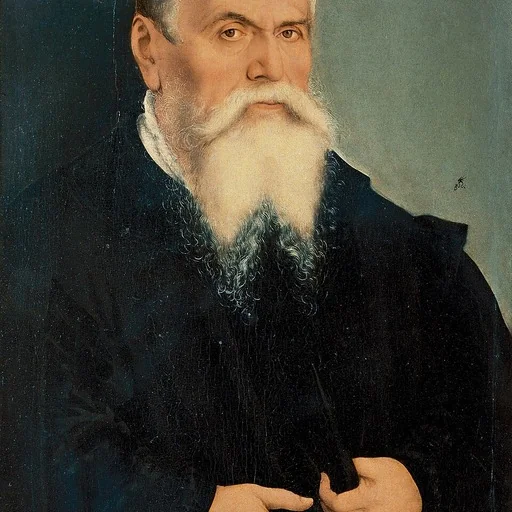
Artist
Lucas Cranach the Elder was a German Renaissance painter and printmaker in woodcut and engraving.

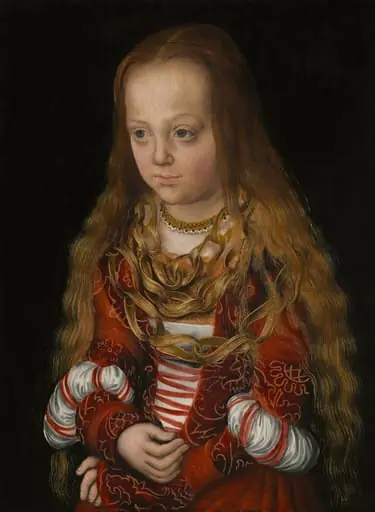
 Portrait of Magdalena of Saxony, first Wife of Elector Joachim II of Brandenburg
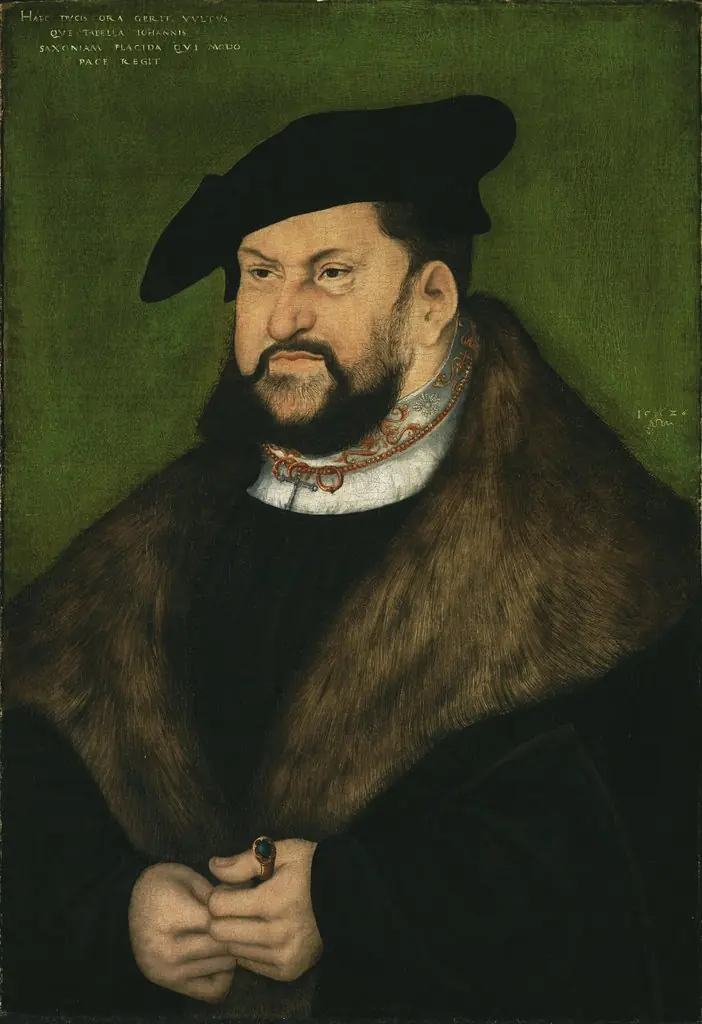 Portrait of Johannes the Steadfast, Elector of Saxony
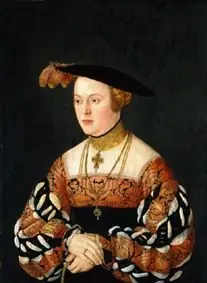 Portrait of Marie of Baden
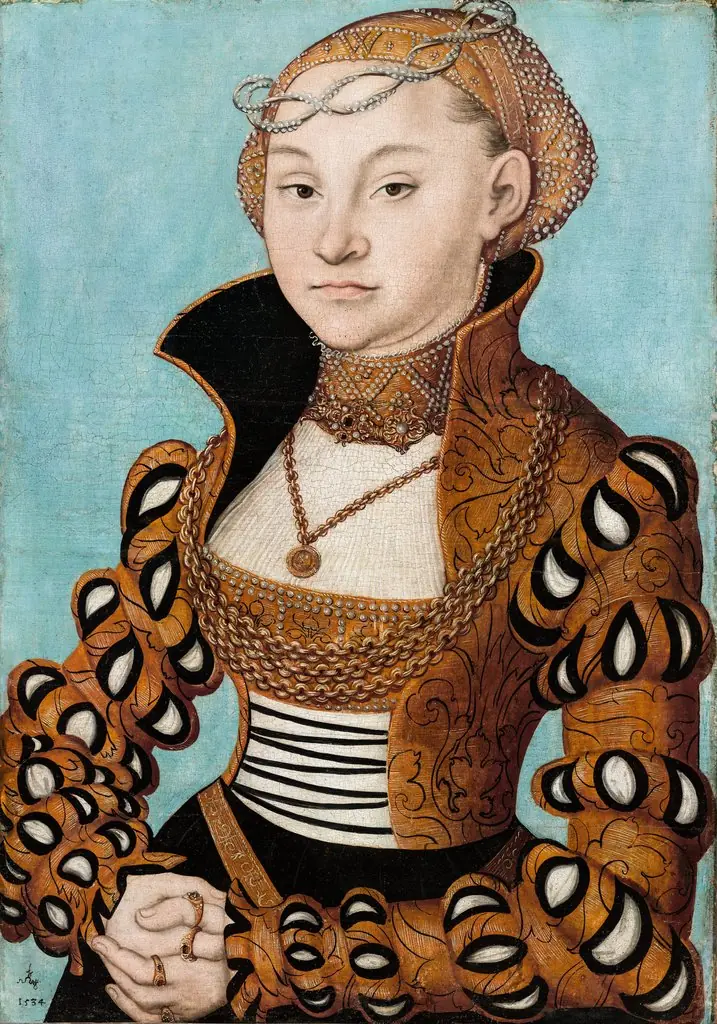 Portrait of an Aristocratic Saxon Lady
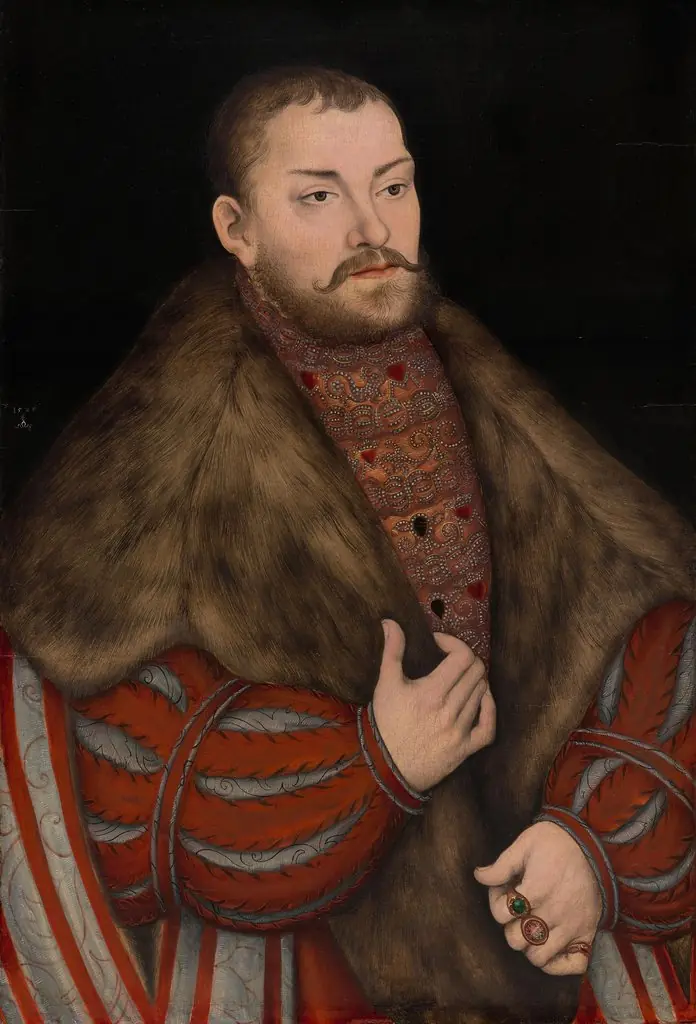 Portrait of Joachim II, Elector of Brandenburg
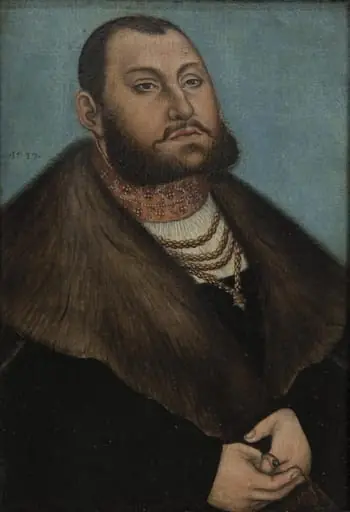 Portrait of the Elector John Frederic the Magnanimous of Saxony (1503-1554)