Artwork
Portrait of an Aristocratic Saxon Lady
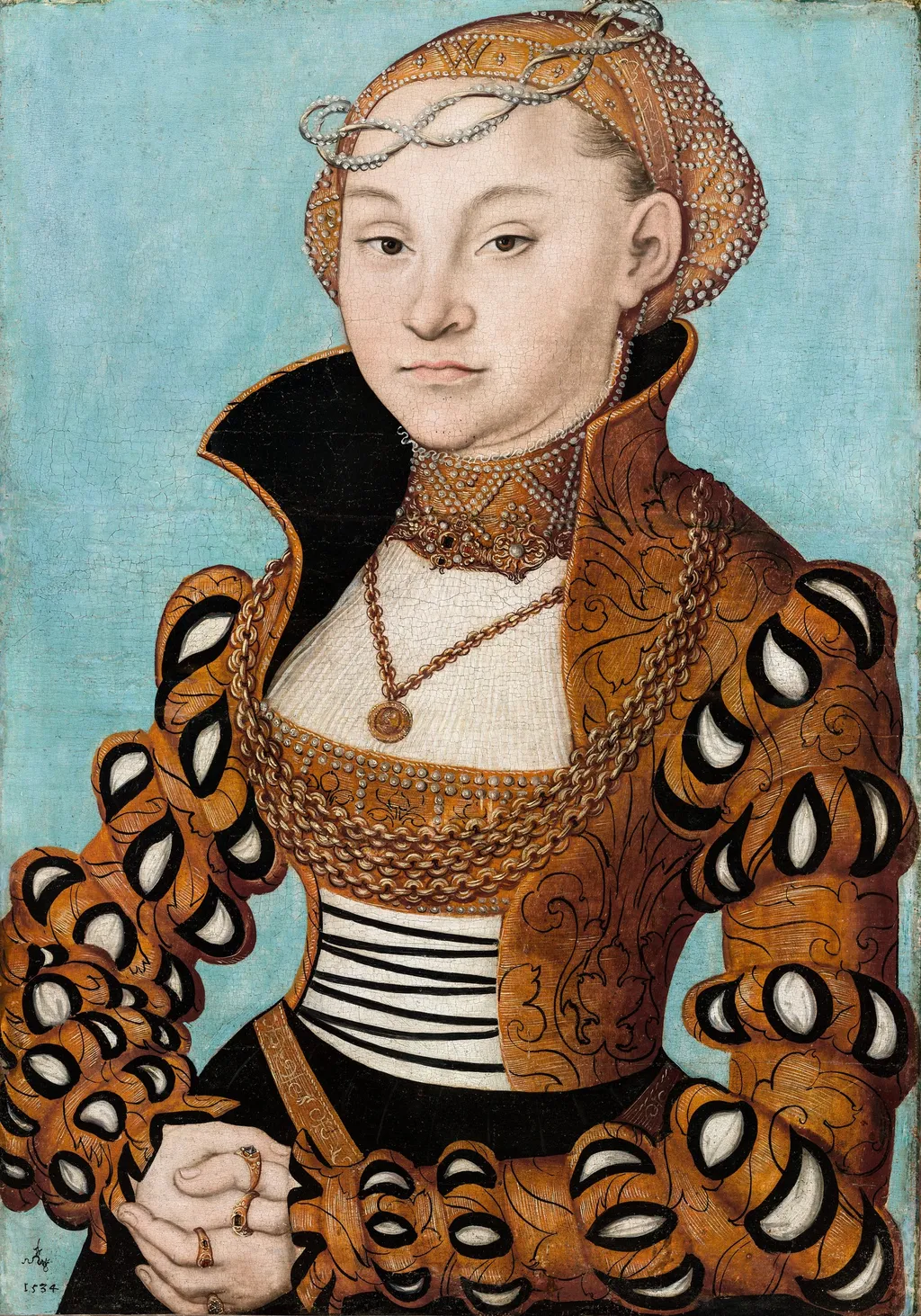
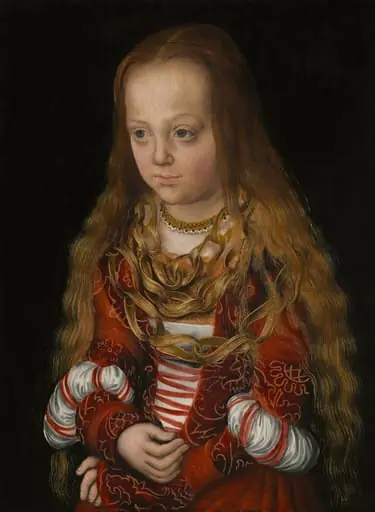
Portrait of an Aristocratic Saxon Lady is a paint painting by the Northern Renaissance artist Lucas Cranach the Elder. It dates from 1534 and is held in the collection of the Museum of Fine Arts of Lyon.
About this work
This painting is called Portrait of an Aristocratic Saxon Lady. It's a work by Lucas Cranach the Elder.
The painting has been held at the Museum of Fine Arts of Lyon since 1892. It was created in 1534, which gives us a sense of the time period in which it was made.
To learn more about the style and techniques used in this painting, look up the artist: Lucas Cranach the Elder.
Overview
Painted in 1534, this oil on canvas portrait depicts a noblewoman from Saxony, attributed to Lucas Cranach the Elder. It entered the collection of the Musée des Beaux-Arts de Lyon in 1892, where it remains today. The work exemplifies Cranach’s mature style, characterized by precise detail and a restrained palette, reflecting the visual language of German Renaissance portraiture.
Subject & Meaning
The sitter is identified as a member of the Saxon aristocracy, likely connected to the court of Frederick the Wise. Her elaborate attire, including a high collar and intricate jewelry, signals status and wealth. The direct gaze and composed posture convey dignity and self-possession, typical of elite portraiture in early 16th-century Germany, where identity and social rank were visually codified.
Technique & Style
Facial features are rendered with minimal modeling, emphasizing line and contour over chiaroscuro, a hallmark of his aesthetic.
Cranach employed fine brushwork to render textures of silk, fur, and metal with clinical precision. The background is flat and dark, directing focus to the figure’s form and attire. His use of cool tones—gray, blue, and pale gold—creates a cool, almost metallic luminosity. Facial features are rendered with minimal modeling, emphasizing line and contour over chiaroscuro, a hallmark of his aesthetic.
History & Provenance
The painting was likely commissioned in Wittenberg, where Cranach maintained a prominent workshop. It passed through private collections in Germany before being acquired by the Lyon museum in 1892. Its documented presence in Lyon since that date confirms its stable institutional history, though earlier ownership records remain incomplete.
Context
Created during the Protestant Reformation, the portrait reflects the cultural shift in Saxony under Lutheran patronage. Cranach, a close associate of Martin Luther, produced numerous portraits for reformist elites. This work, devoid of religious symbolism, underscores the rising secular identity of the German nobility, who increasingly commissioned art to affirm personal and familial status.
Legacy
The portrait stands as a representative example of Cranach’s secular portraiture, influencing later German artists in their depiction of aristocratic subjects. Its preservation in Lyon has allowed continuous scholarly access, contributing to broader understanding of Northern Renaissance portraiture beyond Italian traditions. It remains a key reference for studies of Saxon court culture in the 1530s.
Own this work as a print
Artist & collection
Artist
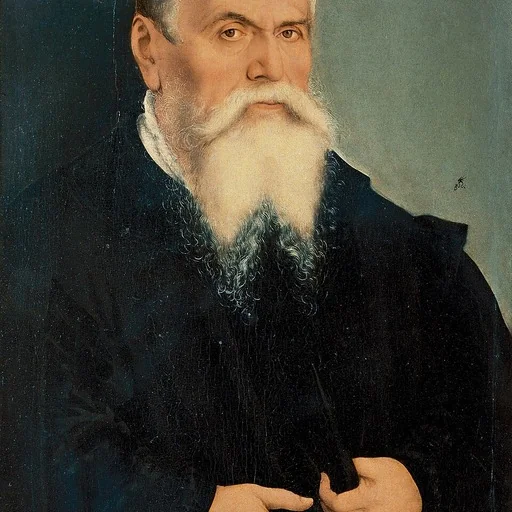
Lucas Cranach the Elder was a German Renaissance painter and printmaker in woodcut and engraving.

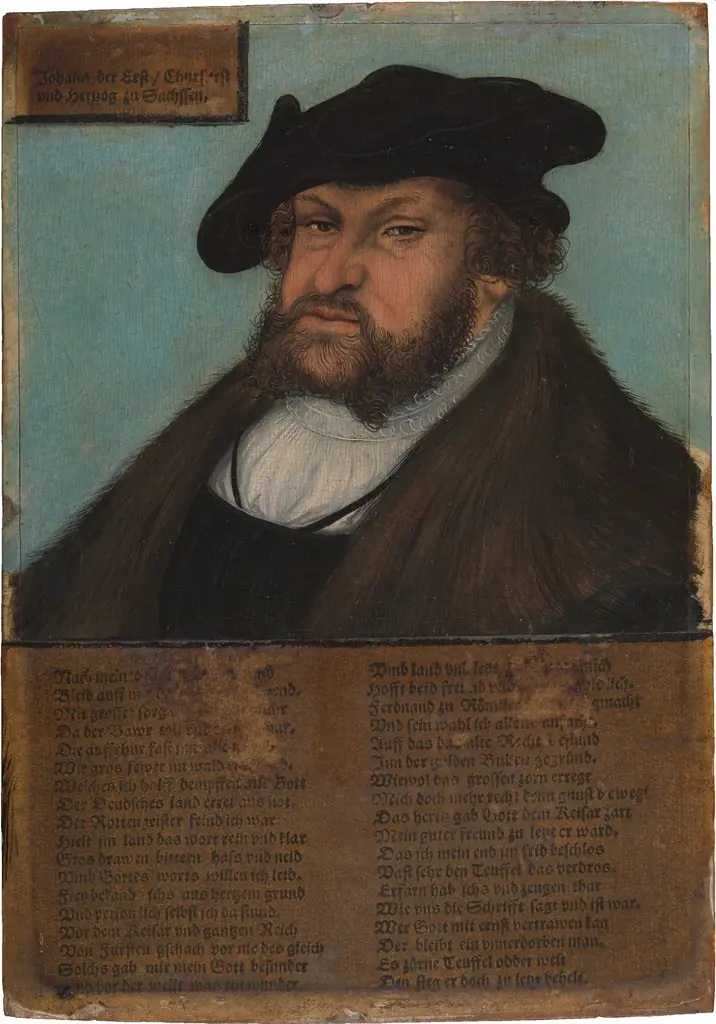
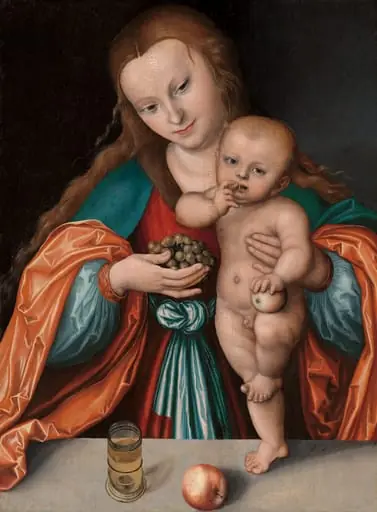
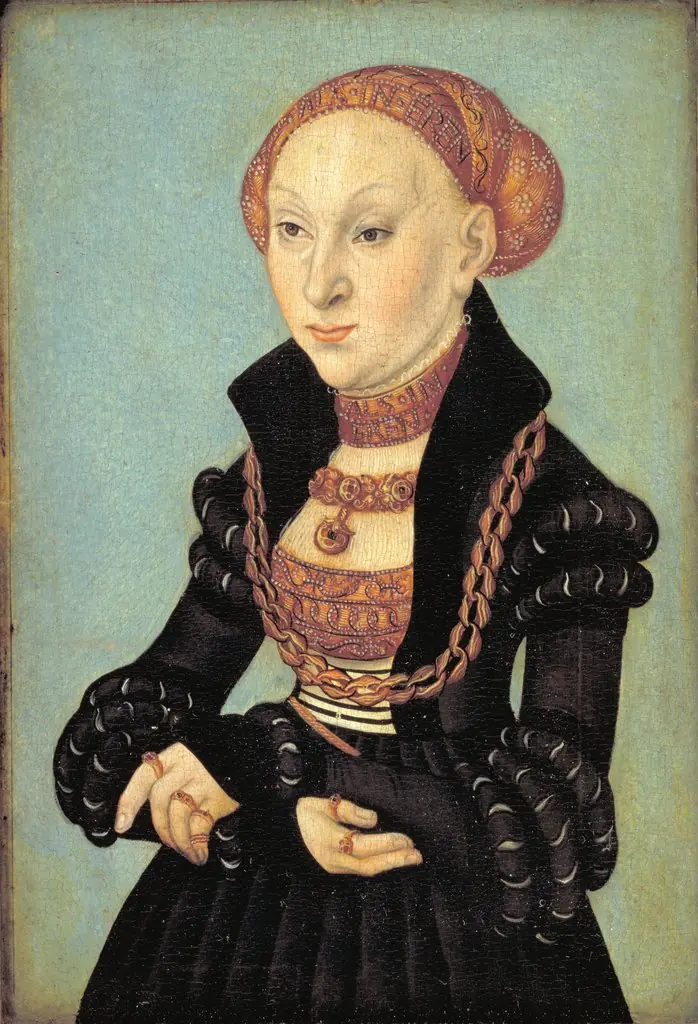 Portrait of the Electress Sibyl of Saxony (1510-1569)
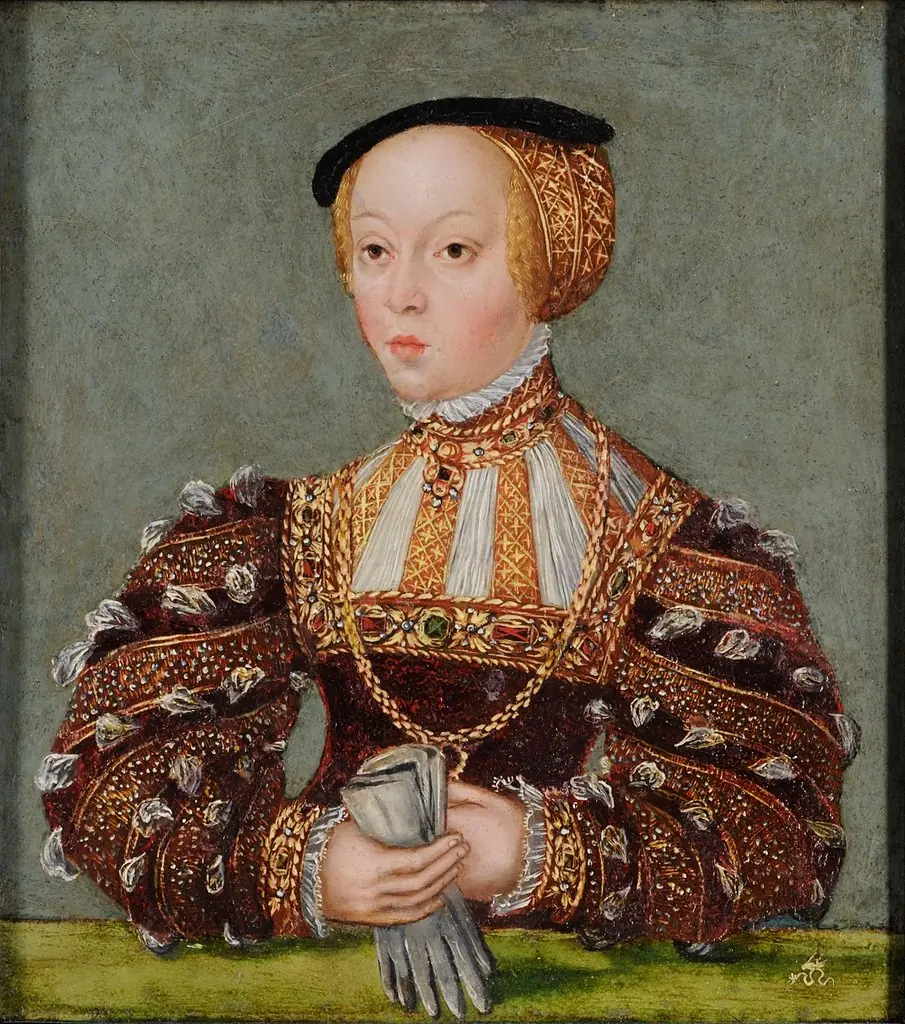 Elisabeth of Austria
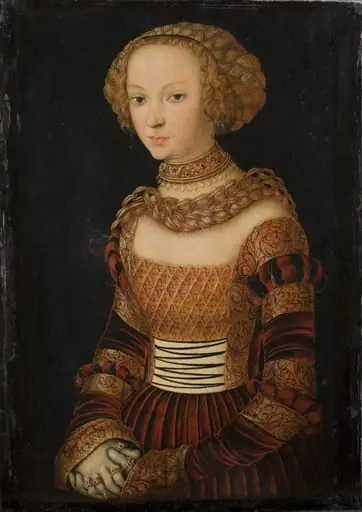 Portrait of a Young Woman. Princess Emily of Saxony?
 Portrait of Magdalena of Saxony, Wife of Elector Joachim II of Brandenburg
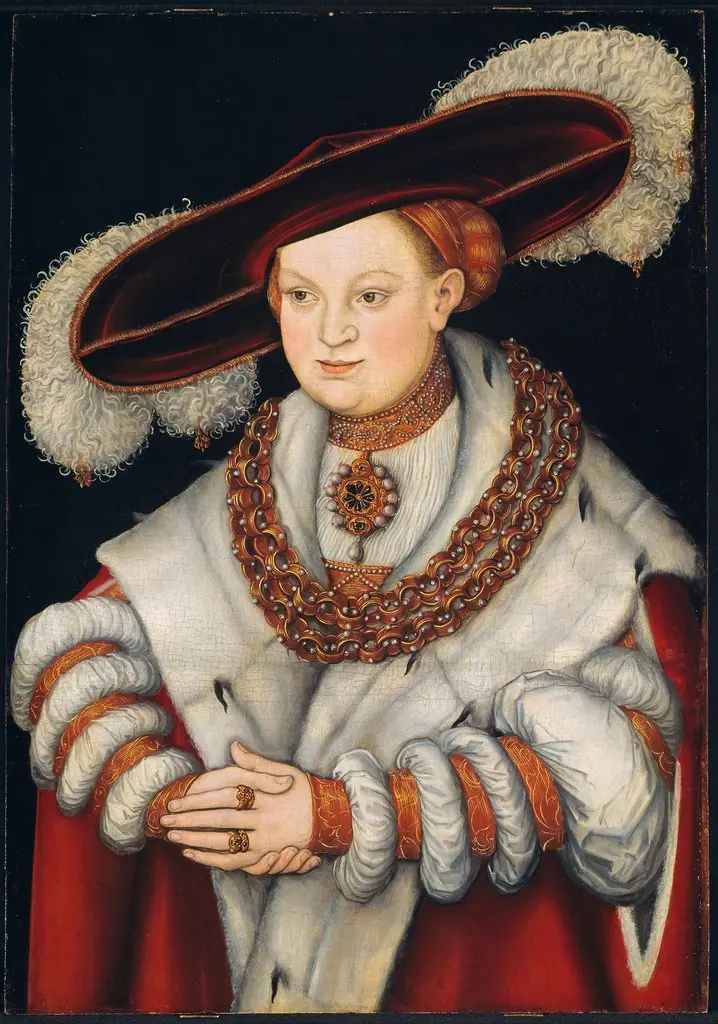 Portrait of Magdalena of Saxony, first Wife of Elector Joachim II of Brandenburg
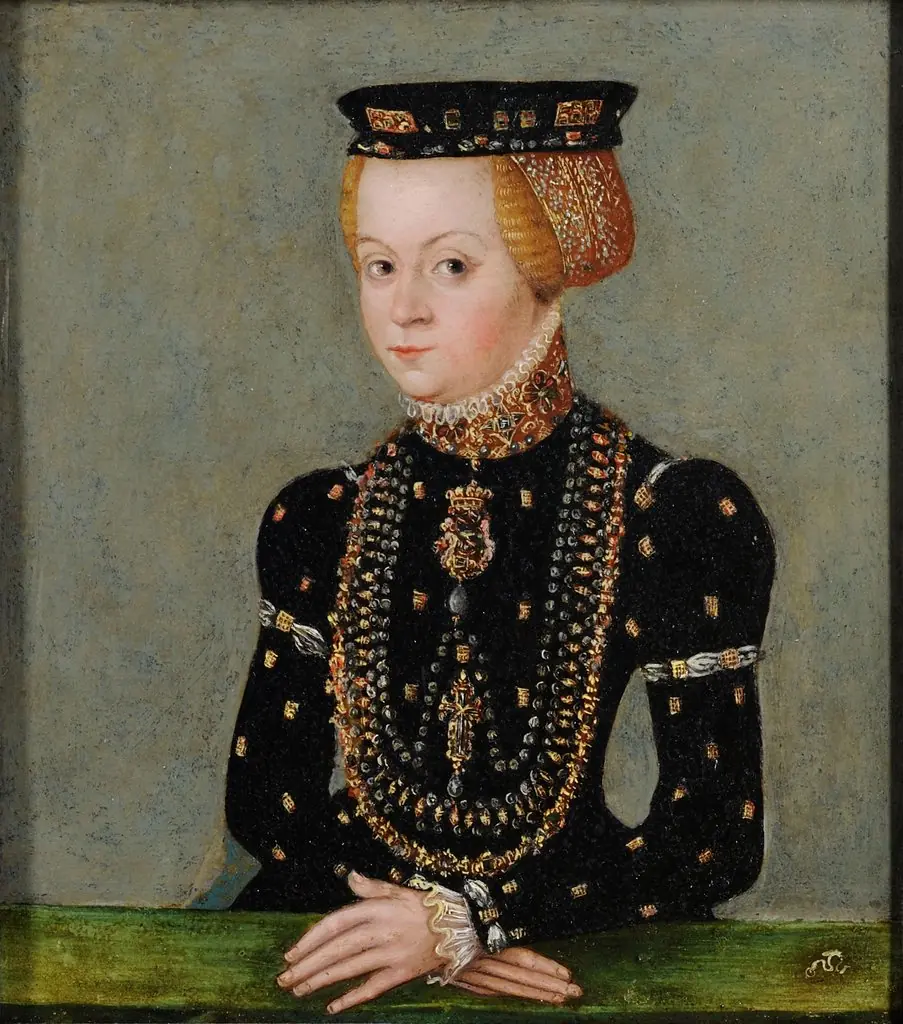 Sophia Jagiellon
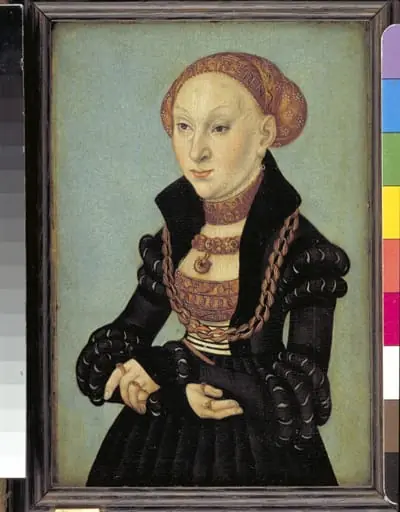 Portrait of the Electress Sibyl of Saxony (1510-1569)
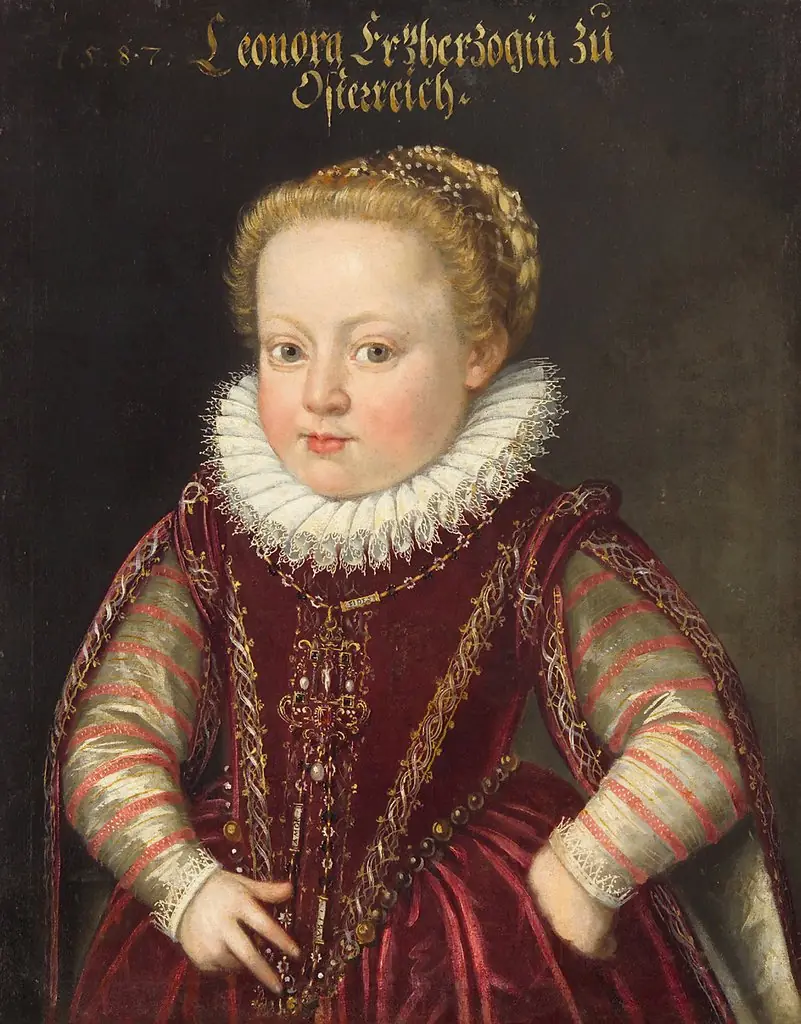 Erzherzogin Eleonore (1582-1620) im Alter von 5 Jahren, Halbfigur
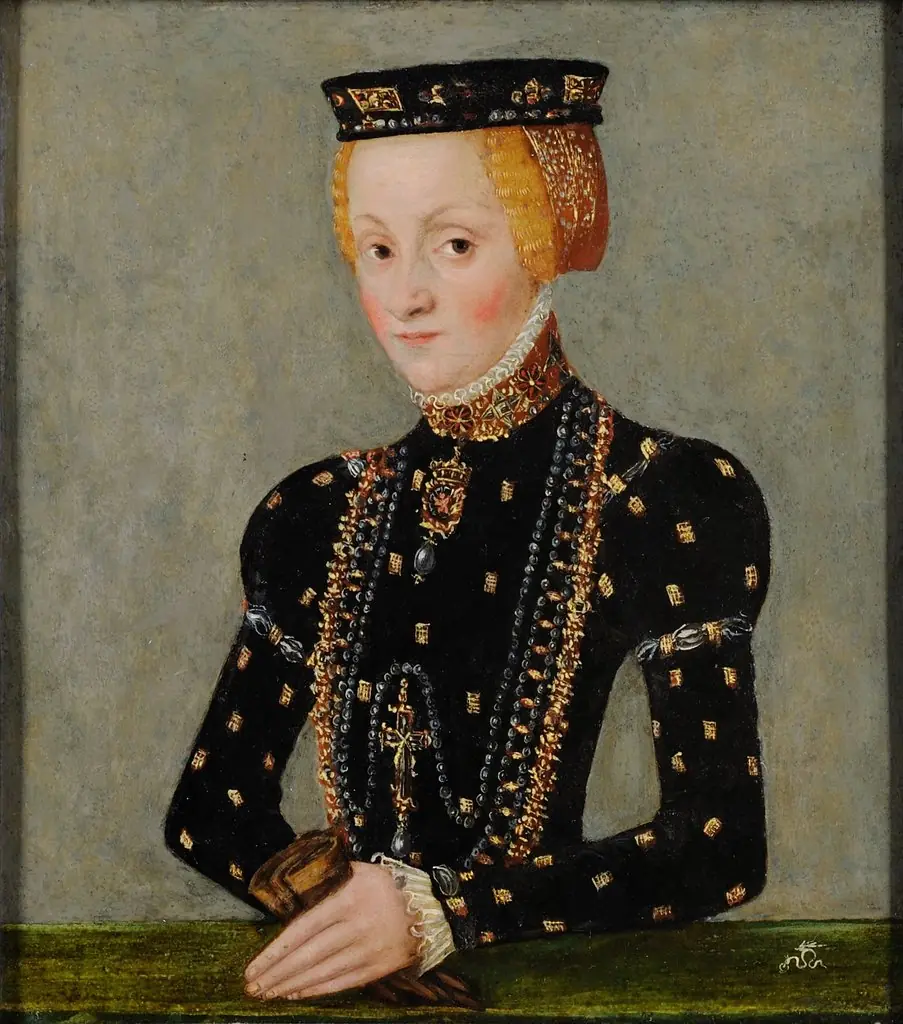 Catherine Jagellon
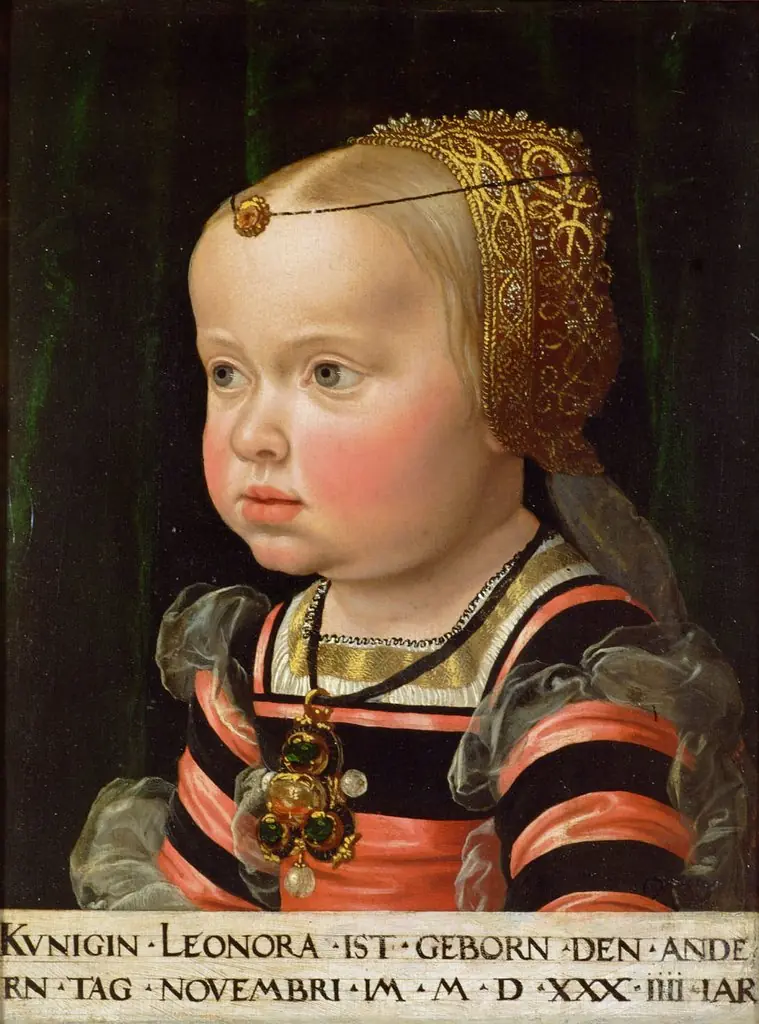 Erzherzogin Eleonore (1534-1594), Herzogin von Mantua als Zweijährige
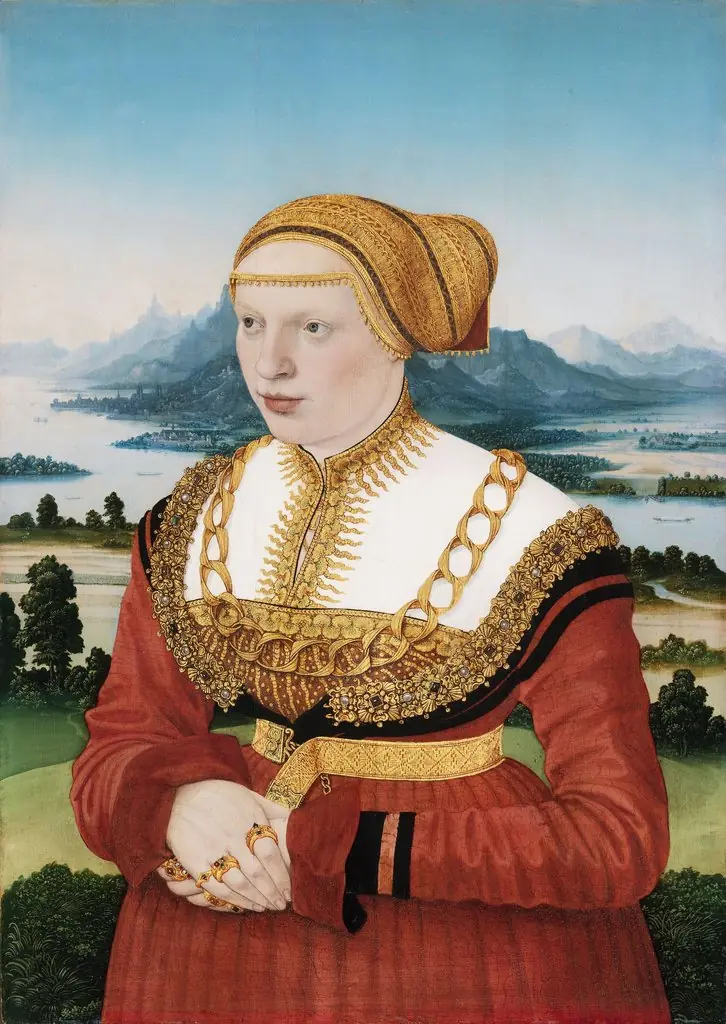 Portrait of Katherina Knoblauch (1513-1542)
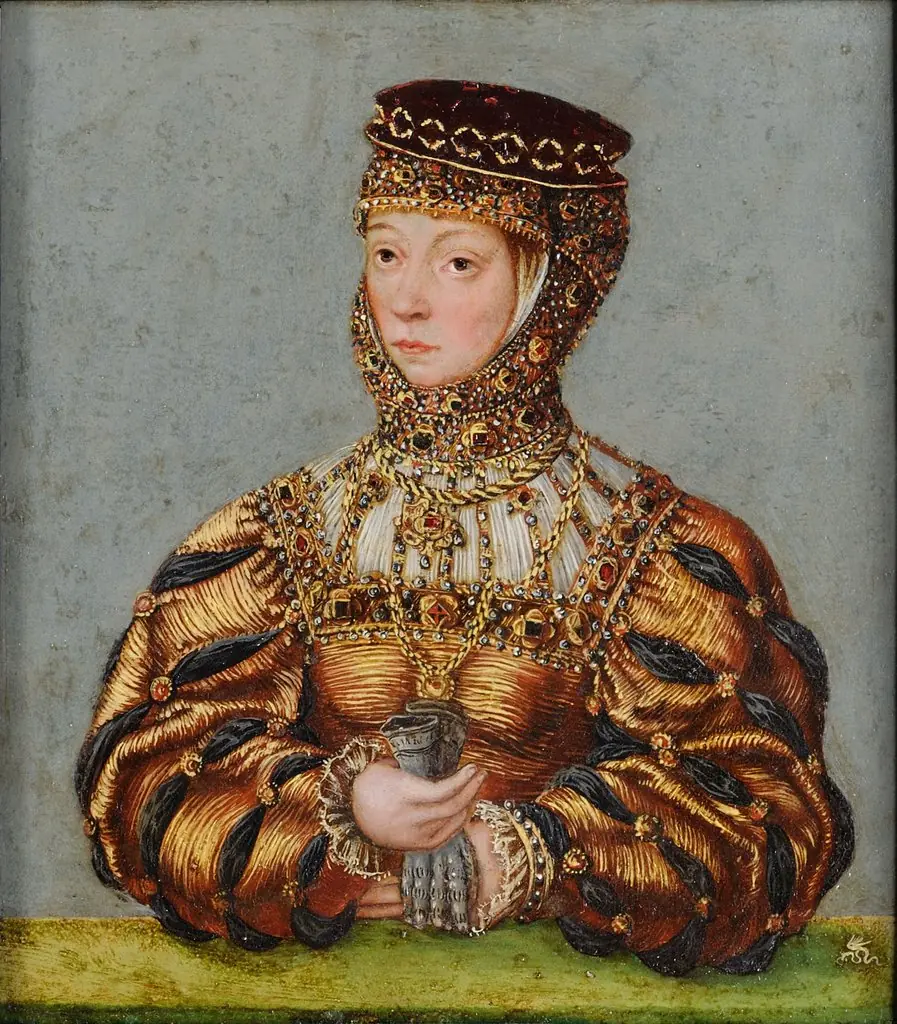 Barbara Radziwill