Artwork
Johann Wilhelm, Duke of Saxe-Weimar, son of Johann Friedrich I., died 1573
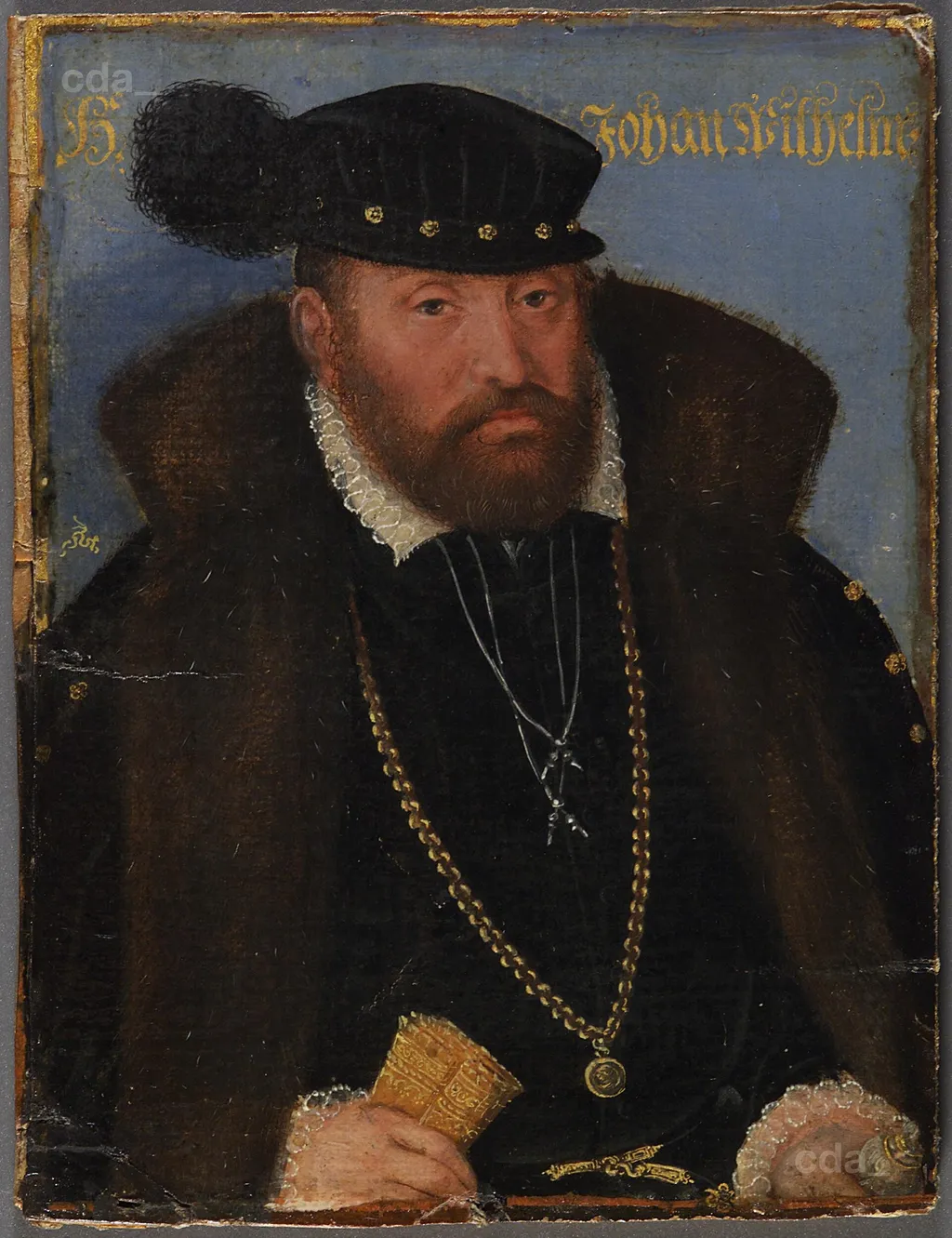
Johann Wilhelm, Duke of Saxe-Weimar, son of Johann Friedrich I., died 1573 is an unspecified painting by the Northern Renaissance artist Lucas Cranach the Younger. It is held in the collection of the Kunsthistorisches Museum.
About this work
Overview
Painted in 1590 by Lucas Cranach the Younger, this portrait commemorates Johann Wilhelm, Duke of Saxe-Weimar, who had died seventeen years earlier.
Painted in 1590 by Lucas Cranach the Younger, this portrait commemorates Johann Wilhelm, Duke of Saxe-Weimar, who had died seventeen years earlier. Created in the Northern Renaissance tradition, the work reflects the continued influence of Cranach’s family workshop, known for its precise and dignified depictions of German nobility. The painting resides in the Kunsthistorisches Museum, where it serves as a record of Saxon dynastic identity.
Subject & Meaning
Johann Wilhelm, son of Johann Friedrich I, is portrayed in ceremonial attire, his posture and regalia signaling status rather than personal emotion. Though deceased before the painting’s creation, his image was likely commissioned to affirm lineage and authority within the Saxon court. The inclusion of a gold chain and pendant underscores his noble rank, while the book or scroll in his hand suggests intellectual or administrative duty.
Technique & Style
Cranach the Younger employed fine brushwork to render textures—fur, silk, metal—with meticulous realism. The muted blue background isolates the figure, directing focus to his detailed costume and composed expression. Shading and highlights are carefully modulated to suggest volume, particularly in the ruffled collar and the metallic surfaces of the chain and accessory. The style remains rooted in his father’s workshop conventions, emphasizing clarity and symbolic precision over emotional intensity.
History & Provenance
Commissioned posthumously, the portrait was likely part of a broader effort to visually consolidate the Saxe-Weimar line during a period of dynastic transition. It entered the Kunsthistorisches Museum’s collection through Habsburg holdings, reflecting the interconnectedness of German principalities and imperial collections. Its survival through centuries underscores its role as a document of political memory rather than a personal likeness.
Context
In late 16th-century Germany, portraiture served political ends, reinforcing lineage and legitimacy after the Reformation’s upheavals. Cranach the Younger, continuing his father’s legacy, produced numerous such images for Protestant nobility. This portrait aligns with a trend of posthumous commissions that stabilized familial identity amid religious and territorial fragmentation across the Holy Roman Empire.
Legacy
The painting exemplifies the enduring role of Cranach’s workshop in shaping the visual language of German nobility. While not innovative in composition, its technical consistency and symbolic clarity made it a model for later court portraiture. It remains a key reference for understanding how dynastic memory was preserved through art in early modern Central Europe.
Artist & collection
Artist
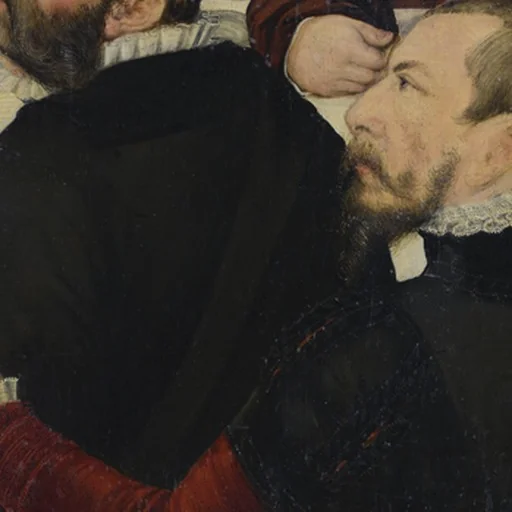
Lucas Cranach the Younger (German: Lucas Cranach der Jüngere, IPA: ; 4 October 1515 – 25 January 1586) was a German Renaissance painter and portraitist, the son of Lucas Cranach the Elder and brother of Hans Cranach.

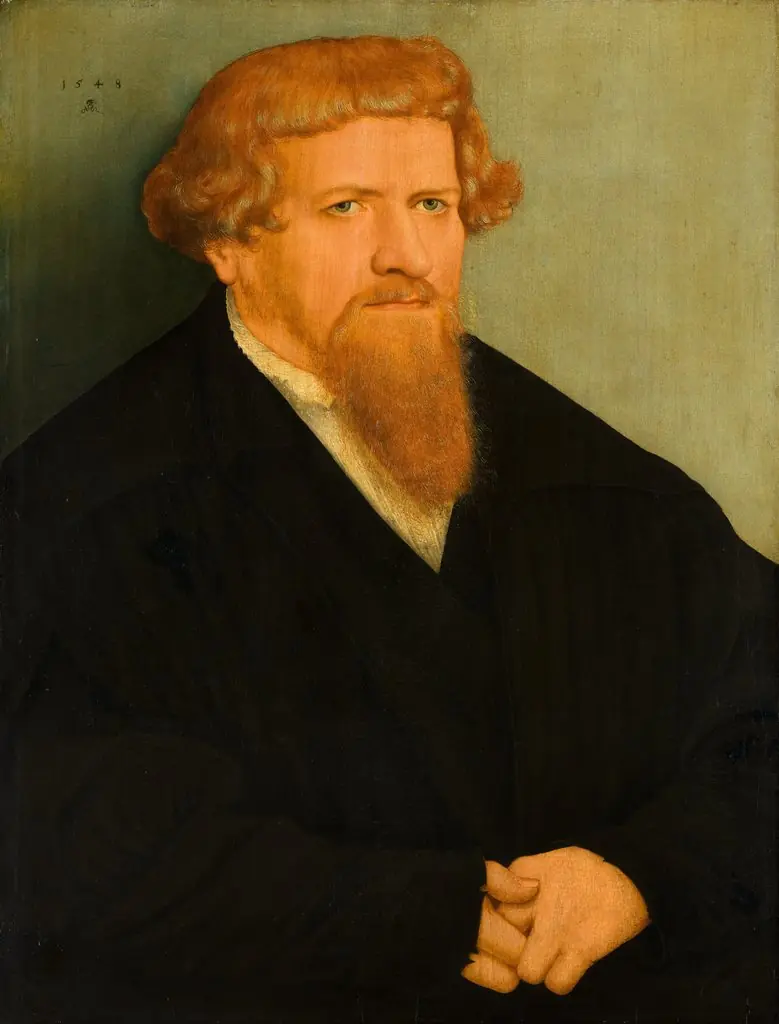
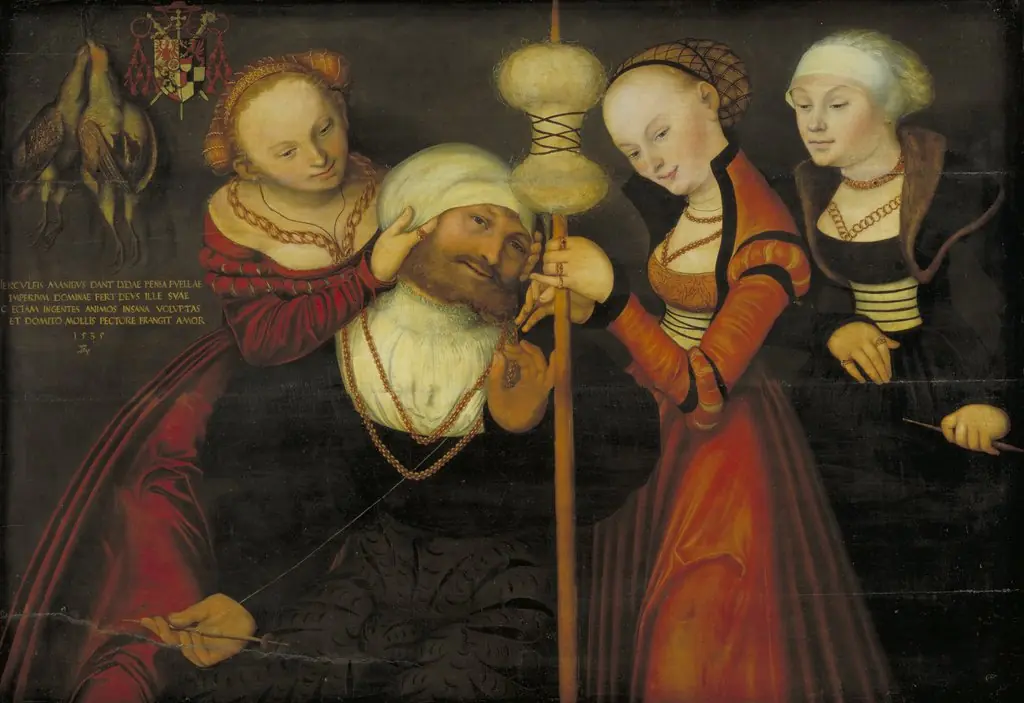
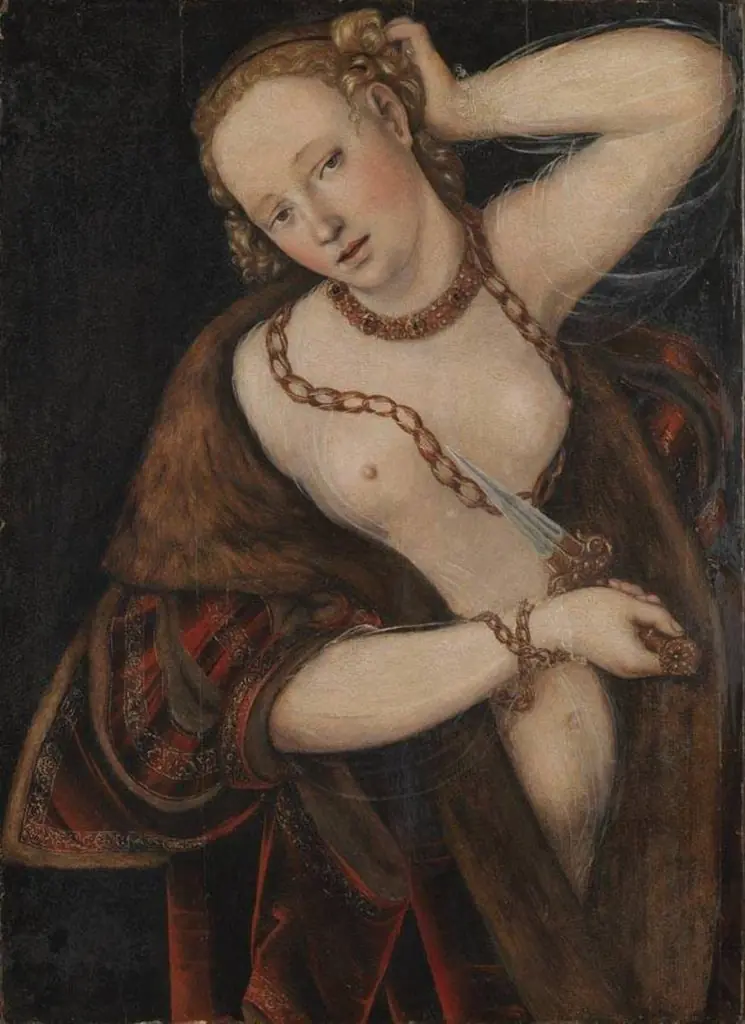
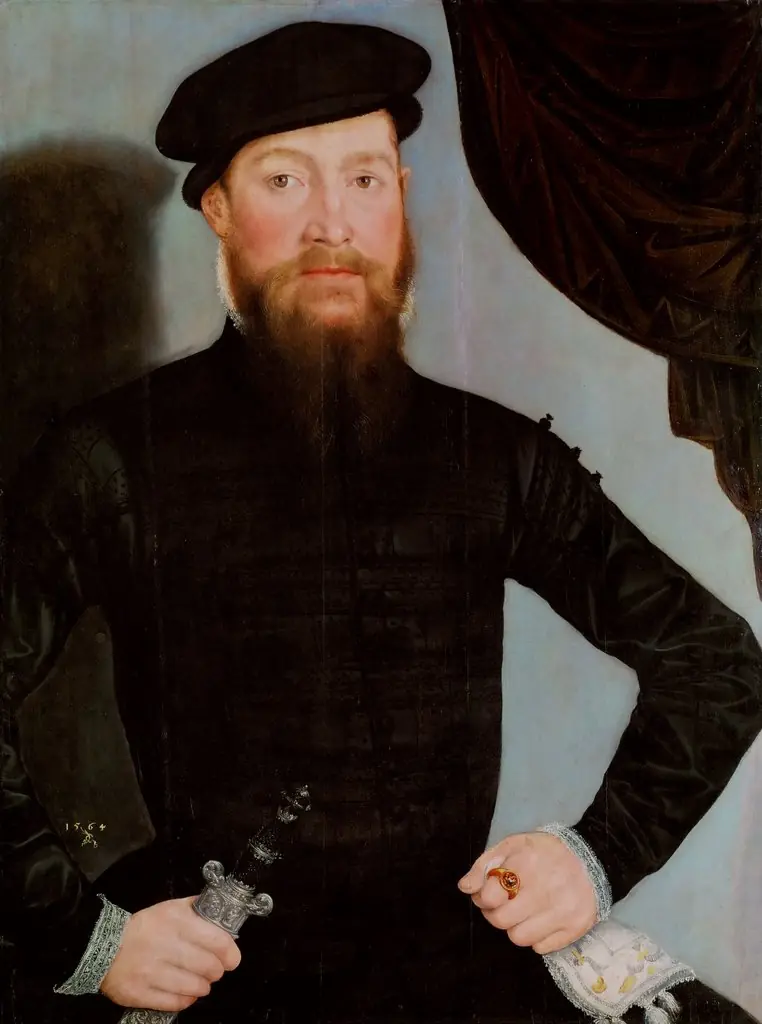
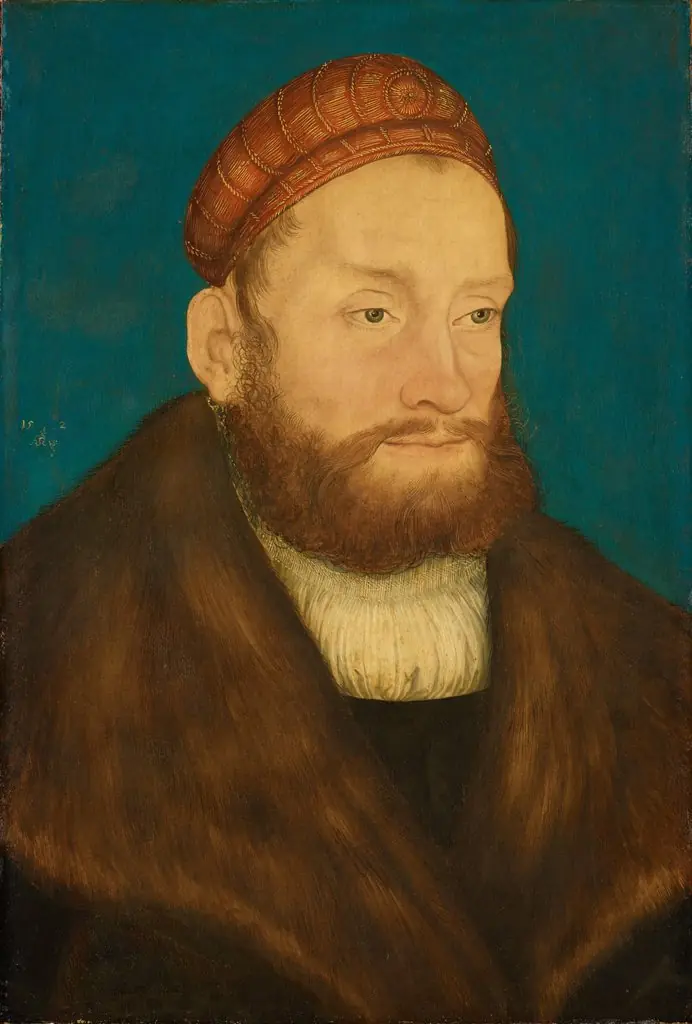 Portrait Margrave Casimir of Brandenburg-Kulmbach
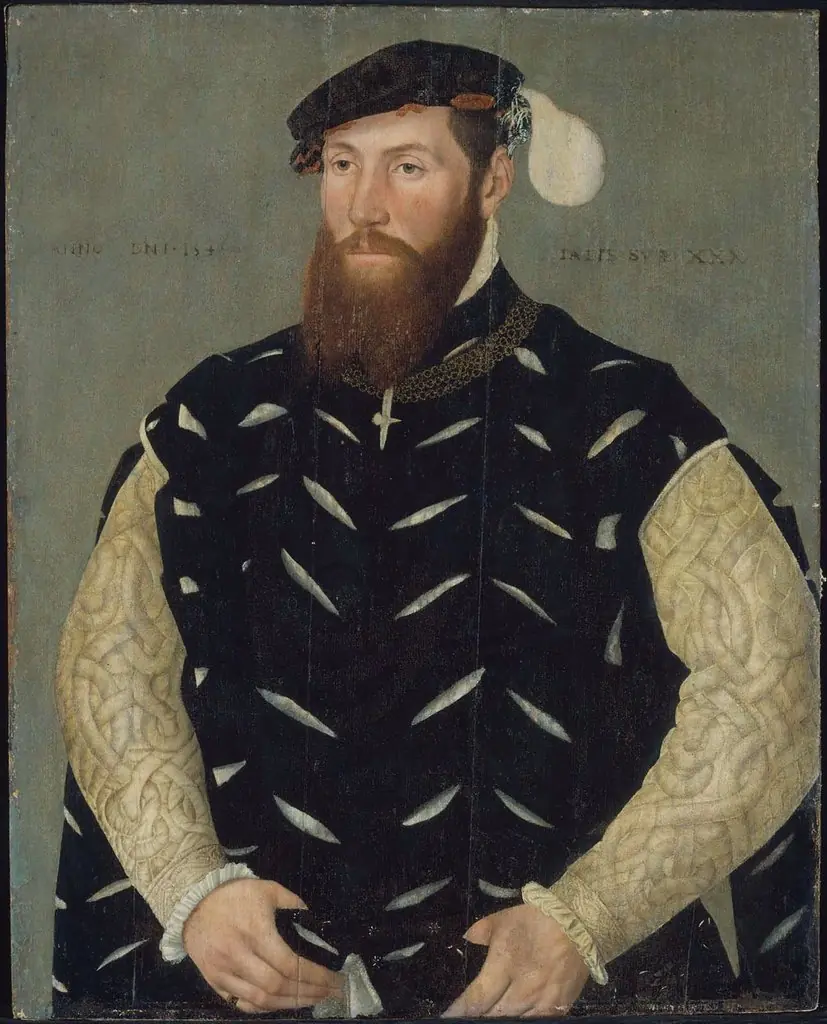 Sir William Butts
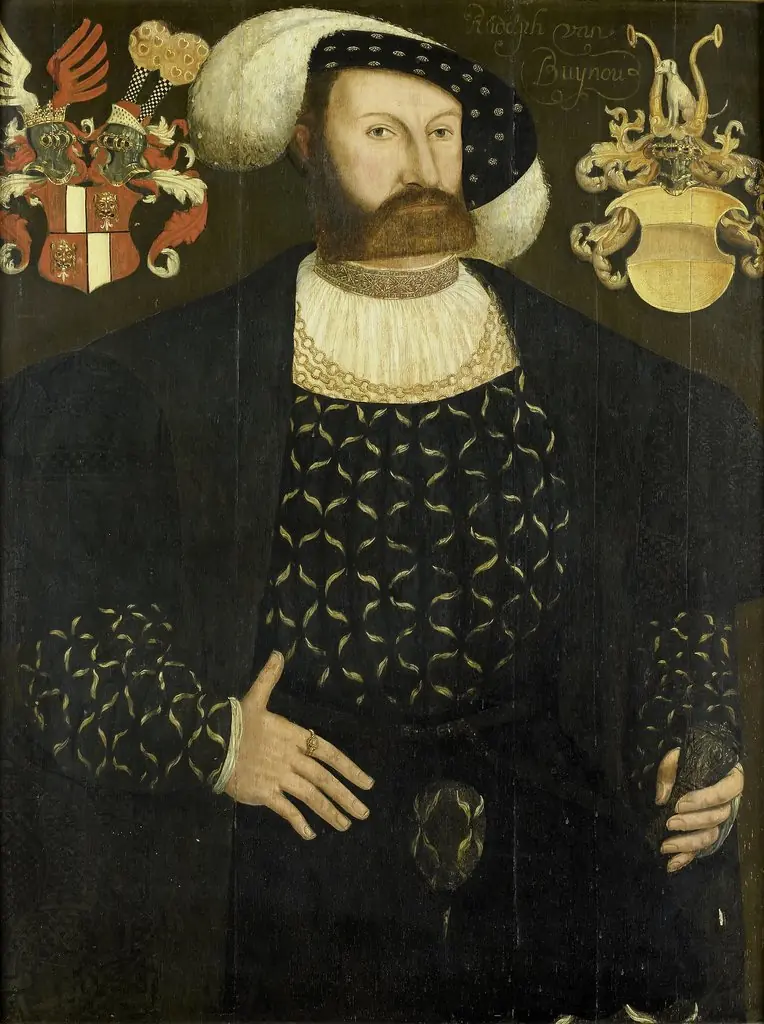 Presumed Posthumous Portrait of Rudolph van Buynou (Bunau), Drossard of Stavoren and Chief Magistrate of Gaasterland
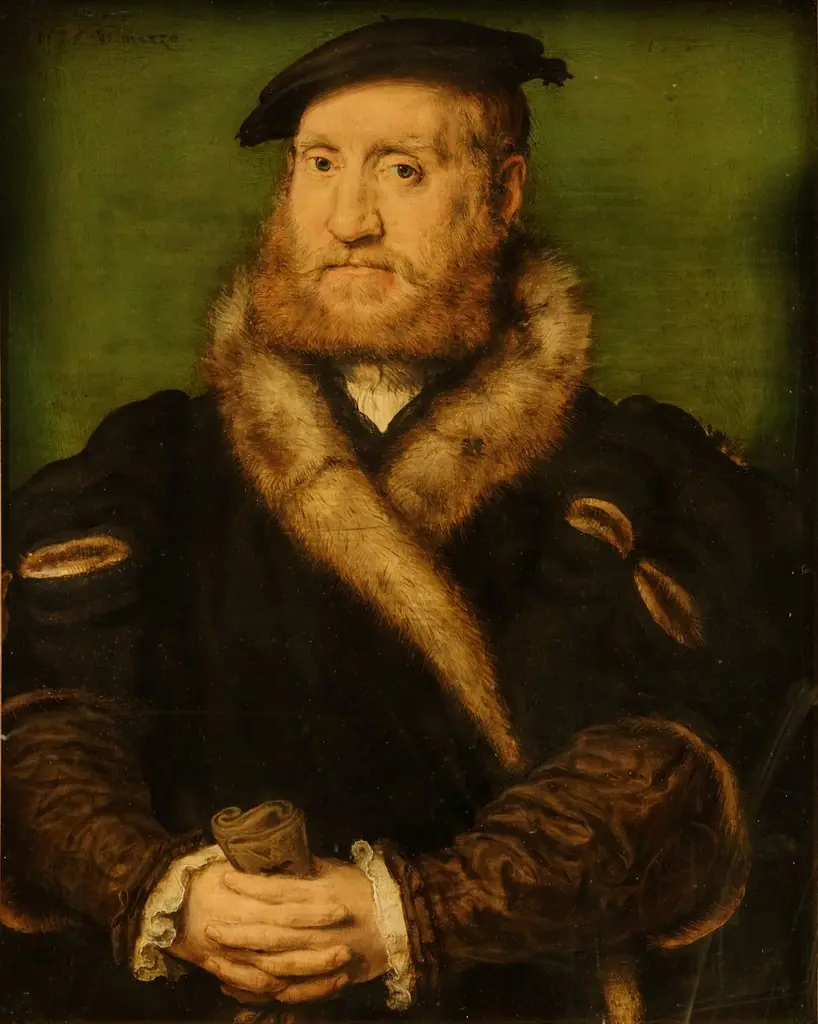 Bearded Man in a Fur Coat
 Portrait of the Danish King Christian II
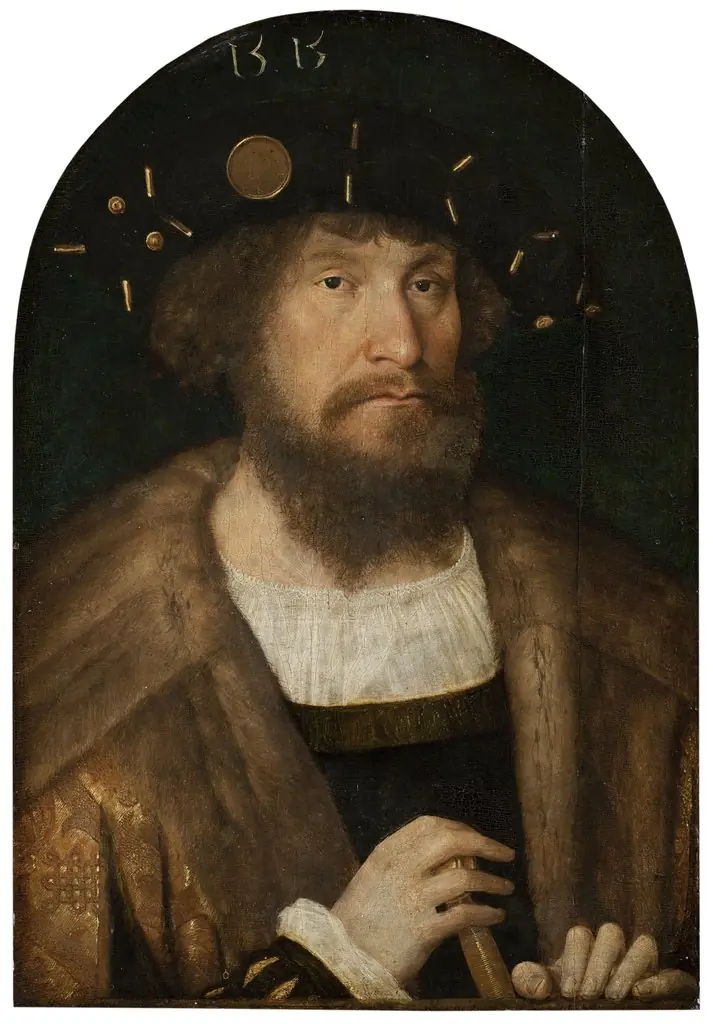 Portrait of the Danish King Christian II
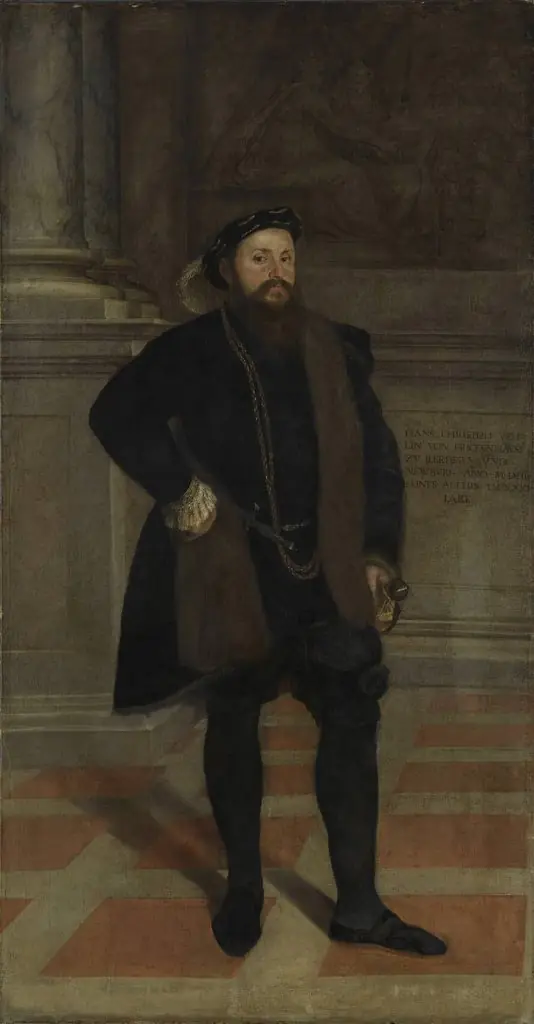 Hans Christoph I. Vöhlin von Frickenhausen (1522-1576)
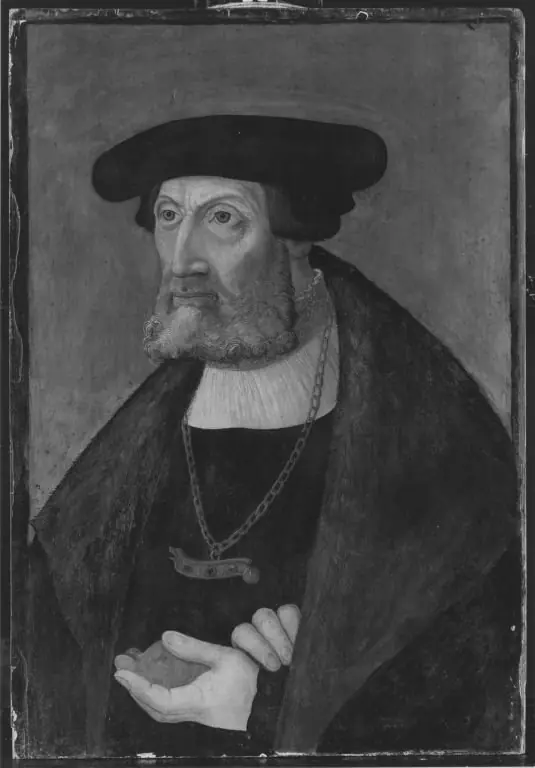 Bildnis eines vornehmen Herren (angeblich Ruprecht Stüpf, Bürgermeister von München)
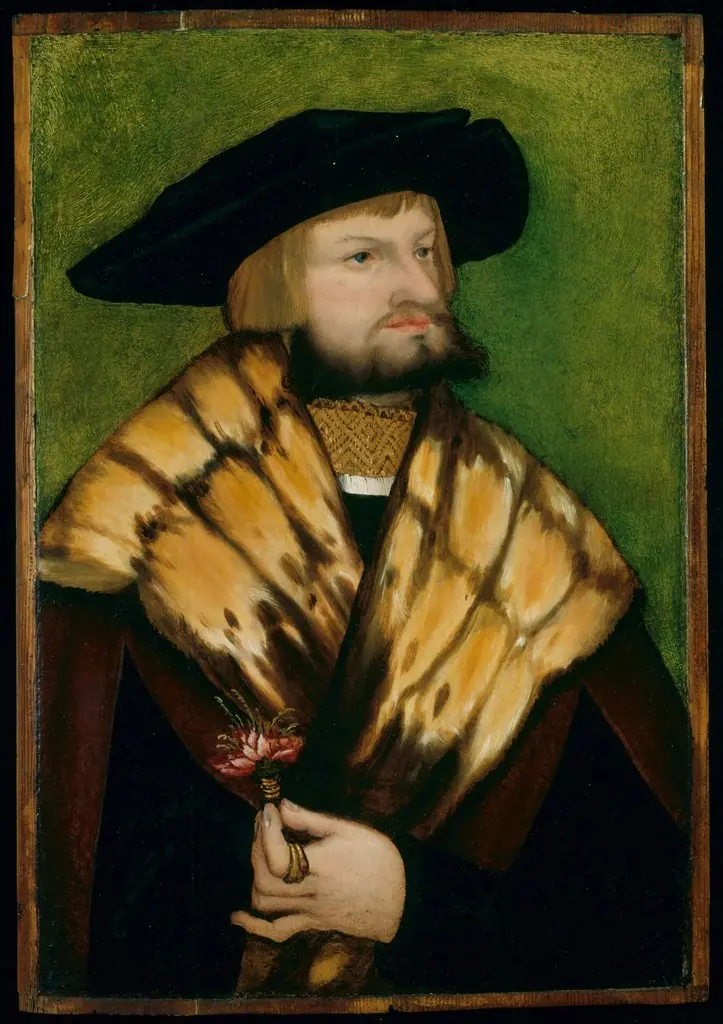 Portrait of Leonhard Fuchs
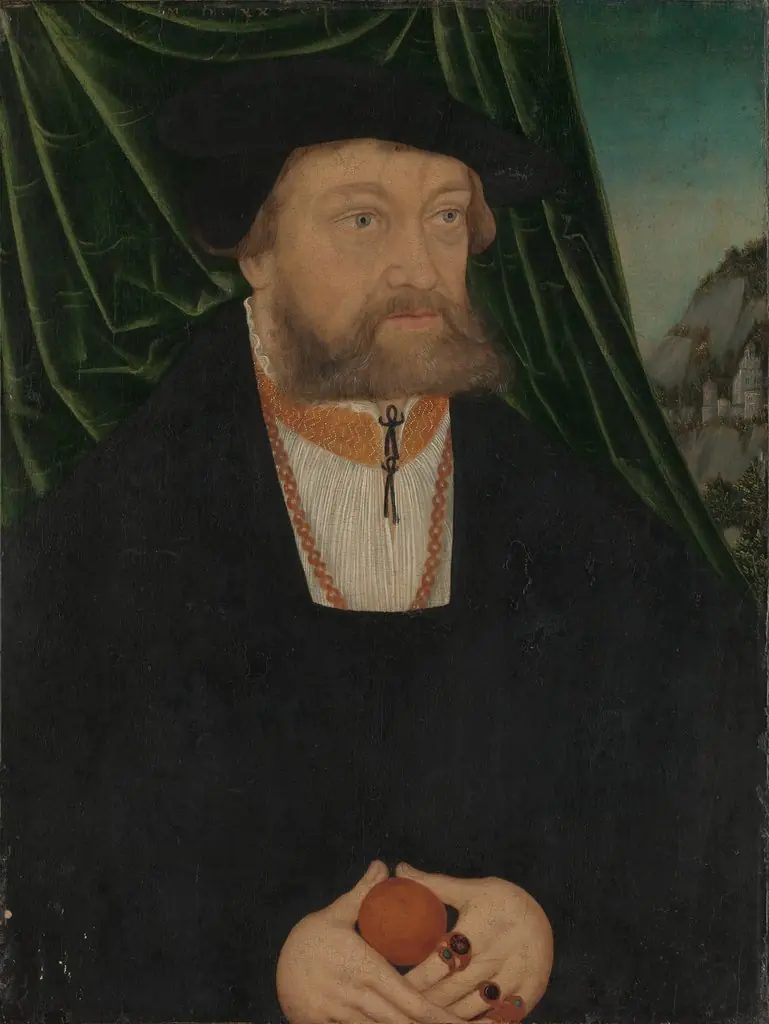 Portrait of a Man