Artwork
Solomon's Idolatry
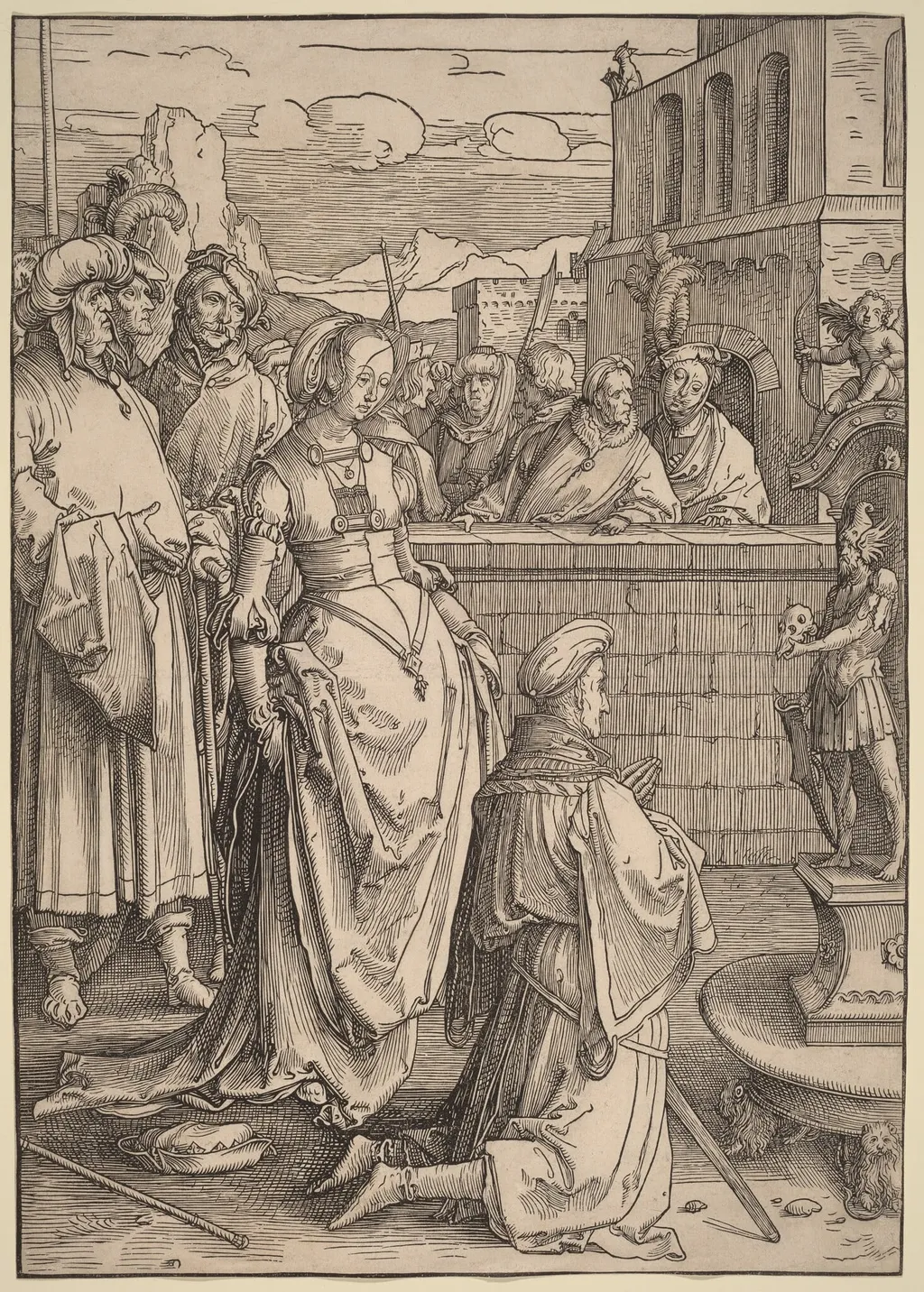
Solomon's Idolatry is an ink print by the Renaissance artist Lucas van Leyden. It dates from 1512 and is held in the collection of the National Gallery of Art.
About this work
Overview
Rendered entirely in black ink on paper, the composition relies on fine, controlled lines to convey movement, space, and emotional tension without color.
Created around 1512 by Lucas van Leyden, this woodcut is part of a series illustrating biblical episodes. Van Leyden, a Dutch artist active in the early 16th century, was known for his technical precision in printmaking. The image captures a moment from the Old Testament in which King Solomon turns from monotheism to worship foreign deities. Rendered entirely in black ink on paper, the composition relies on fine, controlled lines to convey movement, space, and emotional tension without color.
Subject & Meaning
The scene portrays King Solomon, robed and central, holding an ambiguous object—possibly an idol or ritual implement—amid a crowd of onlookers. Figures around him react with awe, alarm, or devotion, suggesting moral tension. Behind them, a walled city and a balcony of spectators imply public spectacle. The narrative draws from 1 Kings 11, where Solomon’s apostasy leads to divine punishment. Van Leyden emphasizes the weight of spiritual failure through gesture and composition, not overt symbolism.
Technique & Style
Van Leyden employed the woodcut medium with exceptional control, carving fine, interwoven lines to model form and depth. Shading is achieved through density of strokes rather than tone, creating volume and texture without grayscale. The figures are rendered with crisp outlines and varied postures, enhancing narrative clarity. Background elements like trees and architecture are simplified but suggest spatial recession. The absence of color focuses attention on line and structure, characteristic of Northern European printmaking of the period.
History & Provenance
The print was produced during van Leyden’s mature period in Leiden, when he was among the most influential printmakers in the Low Countries. It likely circulated among educated patrons familiar with biblical texts and Reformation-era concerns. No early ownership records are widely documented, but similar works by van Leyden appear in major European collections from the 16th century onward. Its survival in multiple impressions suggests moderate demand in its time.
Context
In the early 1500s, religious reform movements questioned idolatry and church authority, making biblical warnings about spiritual corruption especially resonant. Van Leyden’s choice of Solomon’s downfall aligned with Protestant critiques of Catholic ritual. The woodcut format allowed wide dissemination, making such moral lessons accessible beyond elite audiences. His style reflects the influence of Albrecht Dürer but retains a distinctly Netherlandish attention to detail and human expression.
Legacy
Van Leyden’s *Solomon’s Idolatry* exemplifies the potential of woodcut as a vehicle for complex narrative and moral commentary. Though less celebrated than his engravings, this work influenced later Northern printmakers in its use of spatial depth and psychological nuance. It remains a key example of how religious themes were visually translated during the transition from medieval to early modern visual culture, preserving the tension between faith and human frailty.
Artist & collection

Artist
Lucas van Leyden (1494 – 8 August 1533), was a Dutch painter and printmaker in engraving and woodcut. Lucas van Leyden was among the first Dutch exponents of genre painting and was a very accomplished engraver.

 Salome with the head of St John the Baptist
 The Virgin and Child
 Worship of the Golden Calf
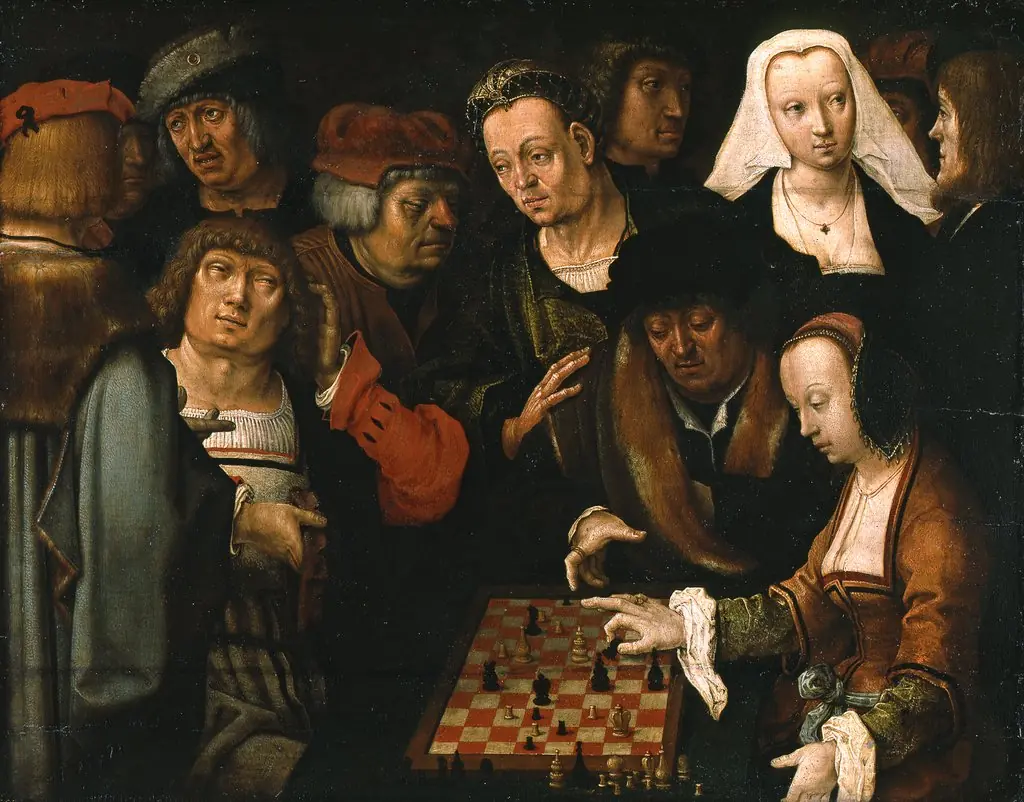 A Game of Chess
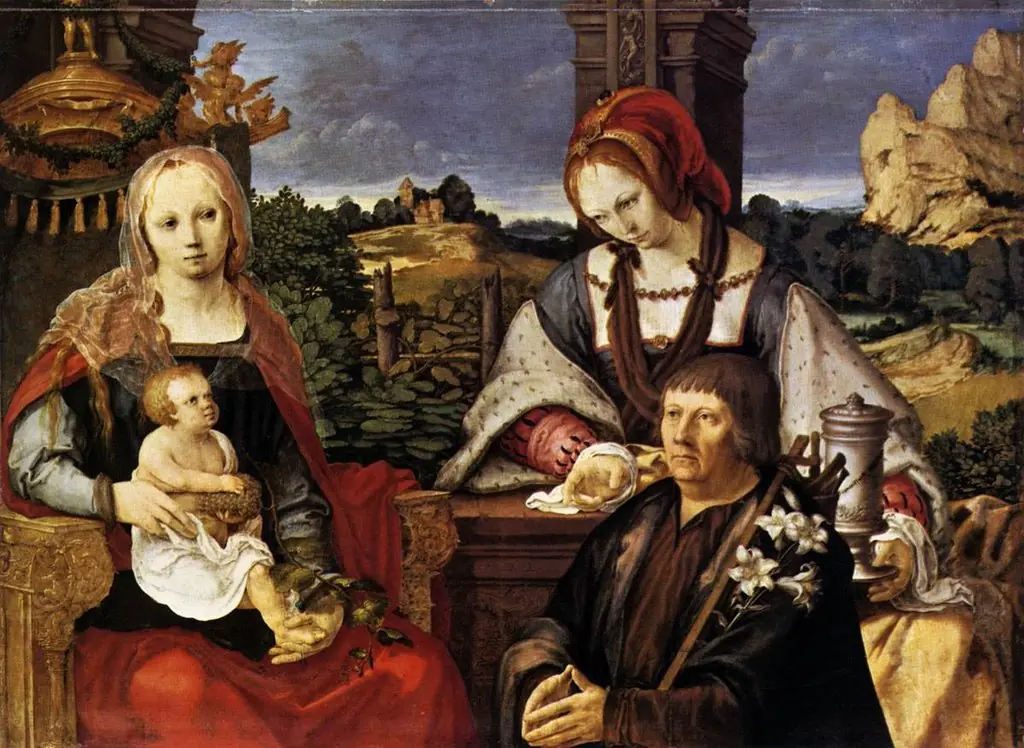 Mary with Child, St. Maria Magdalena and founder (separate outside, Inv. No. 7713)
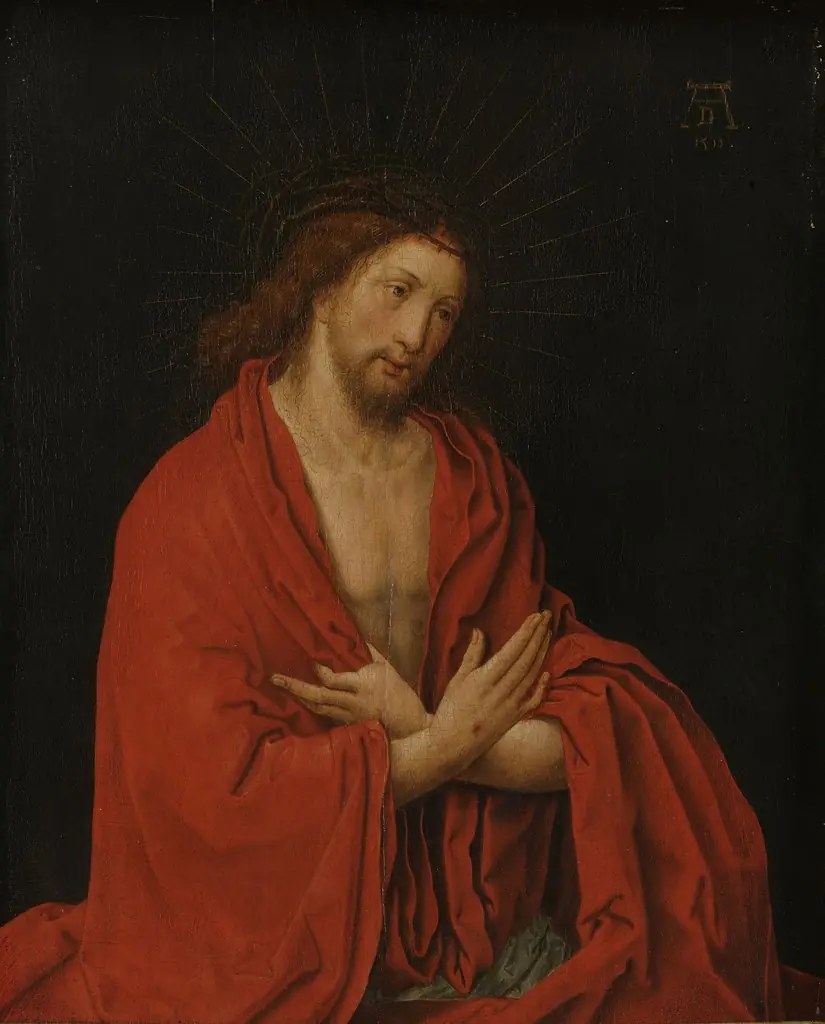 Inner left wing of a diptych with Christ as the Man of Sorrows
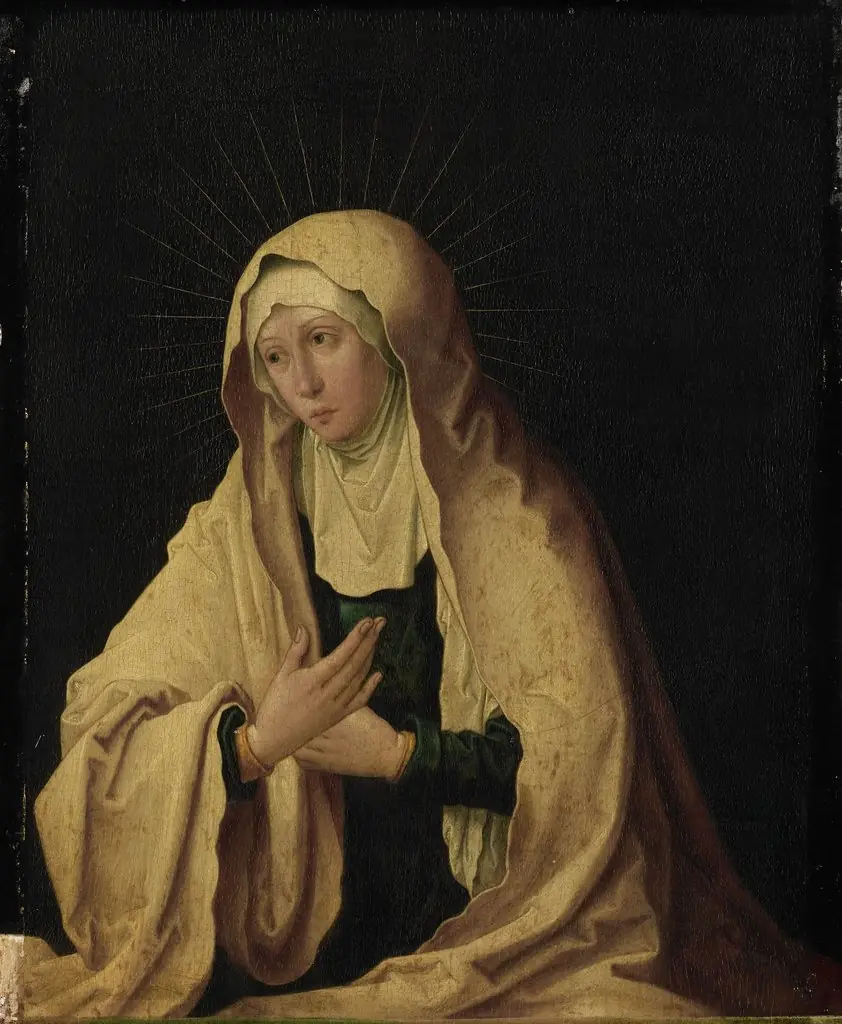 Inner right wing of a diptych with the Virgin as Mater Dolorosa
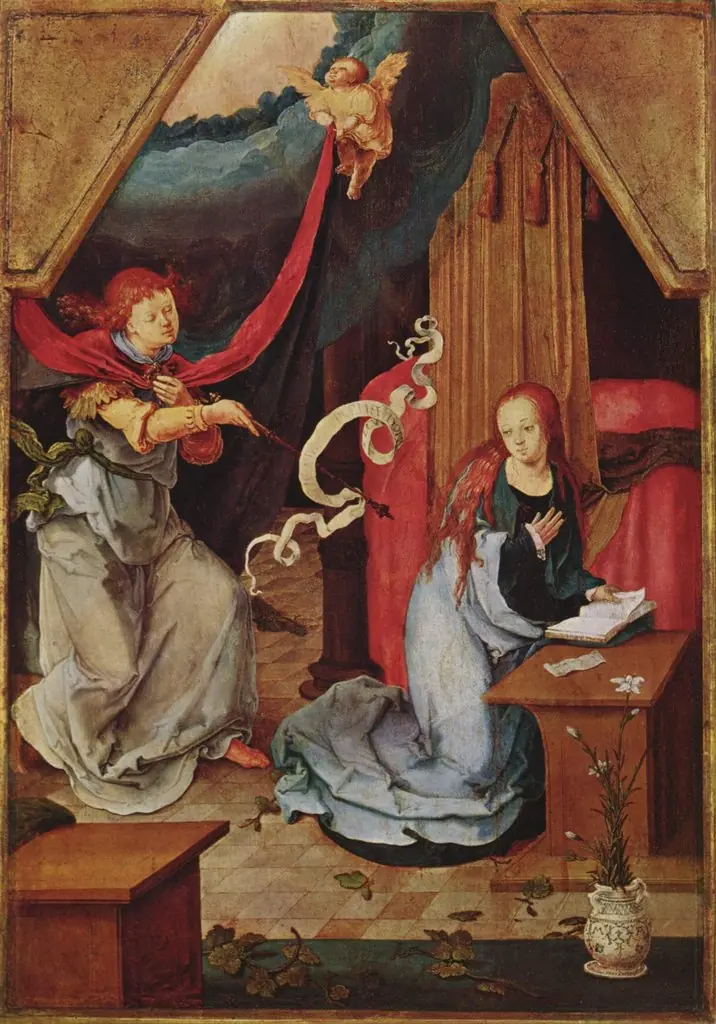 Annunciation
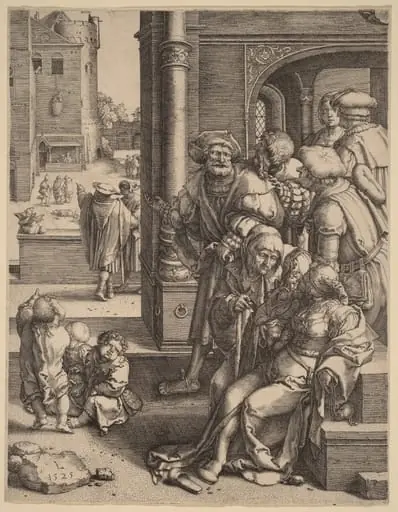 The Poet Virgil Suspended in a Basket
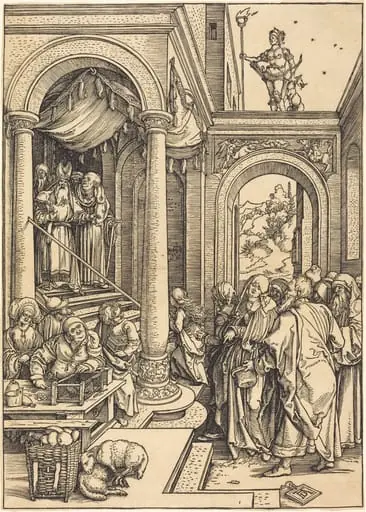 The Presentation of the Virgin in the Temple
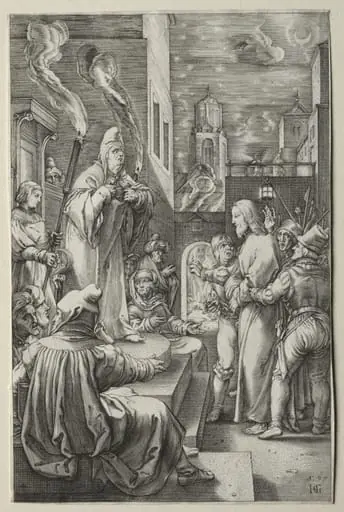 The Passion: Christ before Caiaphas
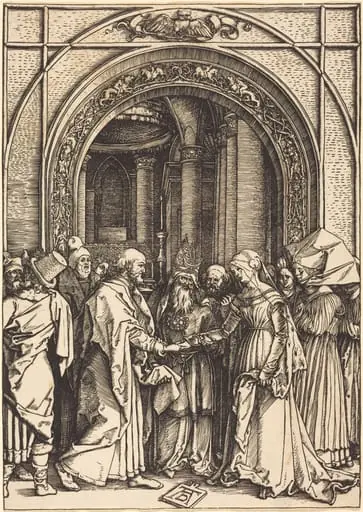 The Betrothal of the Virgin
![The Betrothal of Margaret of Austria to Philip III, King of Spain [verso], by Raffaello Schiaminossi](https://artifactworldgallery.com/img/raffaello-schiaminossi--the-betrothal-of-margaret-of-austria-to-philip-iii-king-of-s--509229b9feb3b80f-w320.webp) The Betrothal of Margaret of Austria to Philip III, King of Spain [verso]
The Betrothal of Margaret of Austria to Philip III, King of Spain [verso]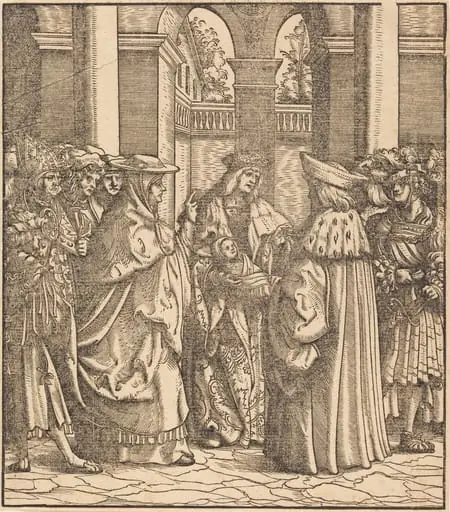 The Archbishop Blessing the Child after the Baptism
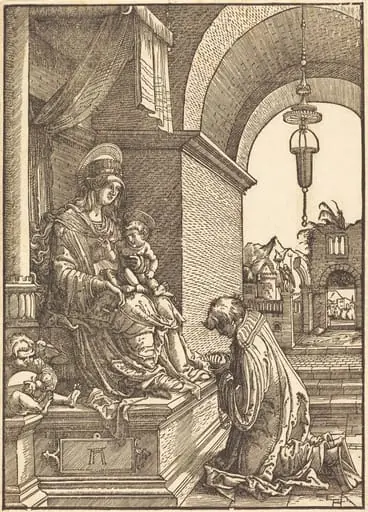 A Cleric Kneeling before the Virgin and the Christ Child
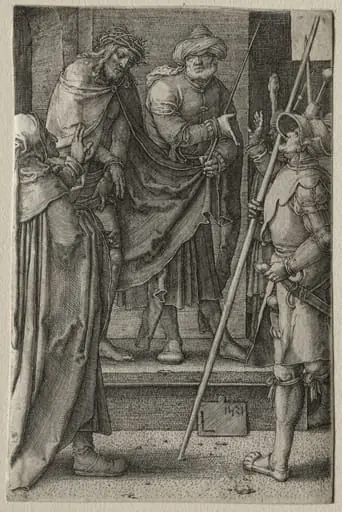 The Passion: Christ Presented to the People