Artwork
Maaslandschaft mit Bergwerk und Schmelzhütten
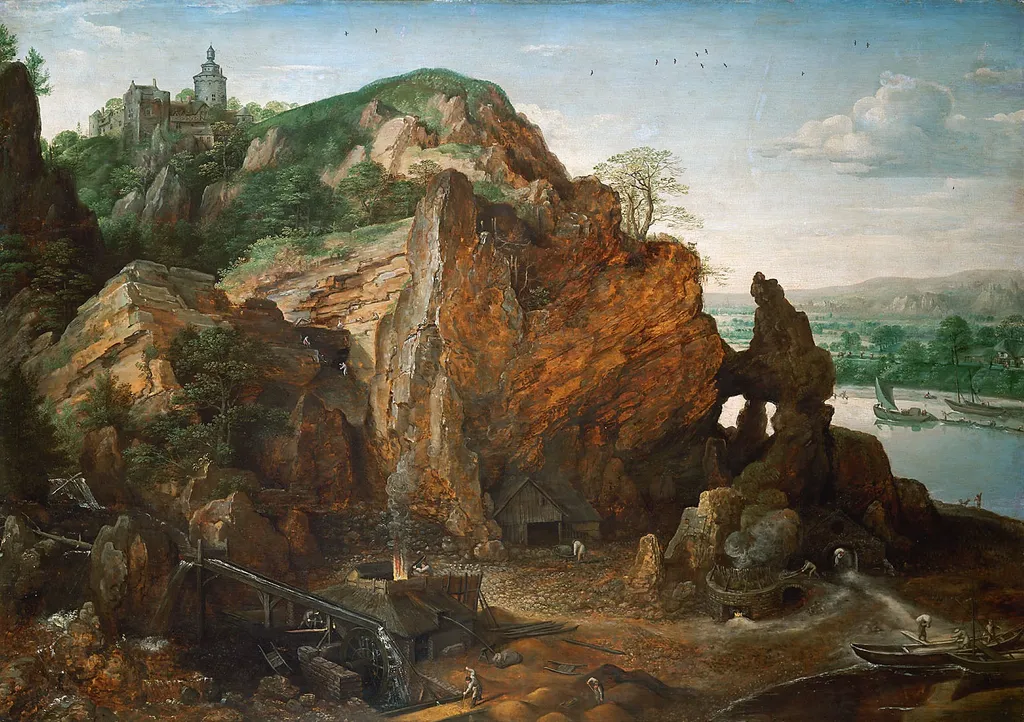
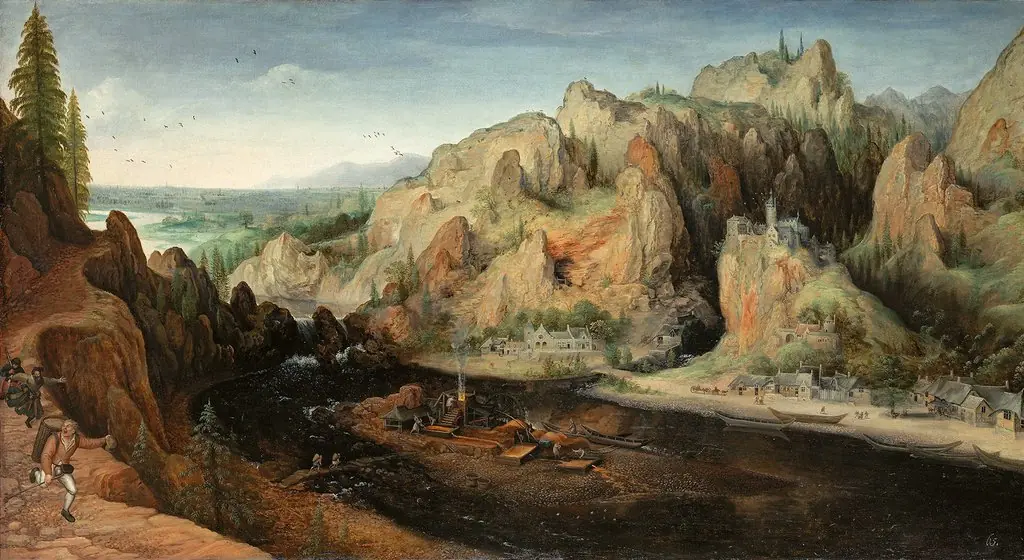
Maaslandschaft mit Bergwerk und Schmelzhütten is an oil painting by the Northern Renaissance artist Lucas van Valckenborch. It dates from 1590 and is held in the collection of the Kunsthistorisches Museum.
About this work
Overview
Painted in 1590 by Lucas van Valckenborch, this oil-on-panel landscape captures a valley along the Meuse River with active mining and metallurgical sites.
Painted in 1590 by Lucas van Valckenborch, this oil-on-panel landscape captures a valley along the Meuse River with active mining and metallurgical sites. It reflects the artist’s shift from the Spanish Netherlands to Central Europe, where he worked under imperial patronage. The composition blends natural scenery with industrial activity, characteristic of his mature style and the Northern Renaissance interest in detailed, observed environments.
Subject & Meaning
The scene portrays human labor integrated into the natural landscape: miners extract ore from a cliffside quarry, while smelting furnaces glow in the foreground. Boats drift along the river in the distance, suggesting trade and transport. The painting does not idealize nature but presents it as a site of economic activity, reflecting the growing importance of resource extraction in early modern Europe and the artist’s engagement with contemporary industry.
Technique & Style
Van Valckenborch employs fine brushwork to render the rugged cliff face, textured vegetation, and atmospheric depth. Chiaroscuro models the rock formations and structures, guiding the eye toward the central outcrop. Layers of translucent glazes create subtle shifts in tone across the landscape, while the palette—dominated by earthy browns and muted greens—enhances the sense of geological solidity and spatial recession.
History & Provenance
Created during van Valckenborch’s tenure as court painter to Archduke Matthias, the work likely originated in his Central European period after his move from Antwerp. It entered the Kunsthistorisches Museum’s collection in Vienna, where it has remained since the Habsburgs’ imperial holdings were systematically cataloged in the 19th century. Its survival reflects its value as a record of both artistic and economic history.
Context
In late 16th-century Central Europe, mining and metal production were vital to imperial economies. Van Valckenborch’s depiction aligns with a broader trend among Northern artists to document practical landscapes, moving beyond religious or mythological themes. His work responds to the Habsburg court’s interest in natural resources and technological advancement, offering a visual archive of industrial life.
Legacy
The painting stands as a representative example of Flemish landscape painting that incorporates topographical accuracy and economic realism. While van Valckenborch was not widely celebrated in his time, his detailed depictions of labor and terrain influenced later generations of regional painters. Today, it remains a key reference for understanding how art engaged with the material world during the Renaissance.
Artist & collection
Artist
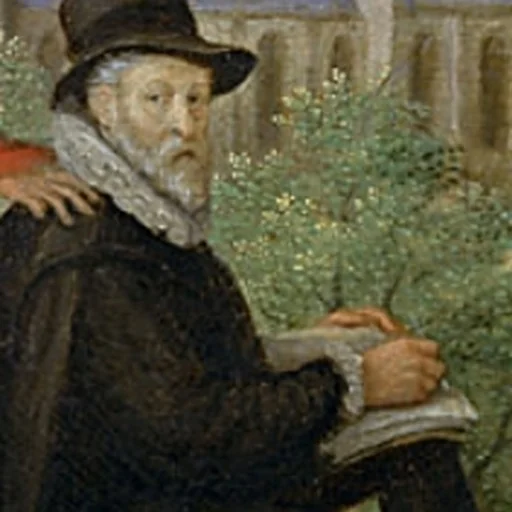
Lucas van Valckenborch or Lucas van Valckenborch the Elder (c. 1535 in Leuven – 2 February 1597 in Frankfurt am Main) was a Flemish painter, mainly known for his landscapes. He also made contributions to portrait…

 Gebirgslandschaft mit räuberischem Überfall und Stuckofen
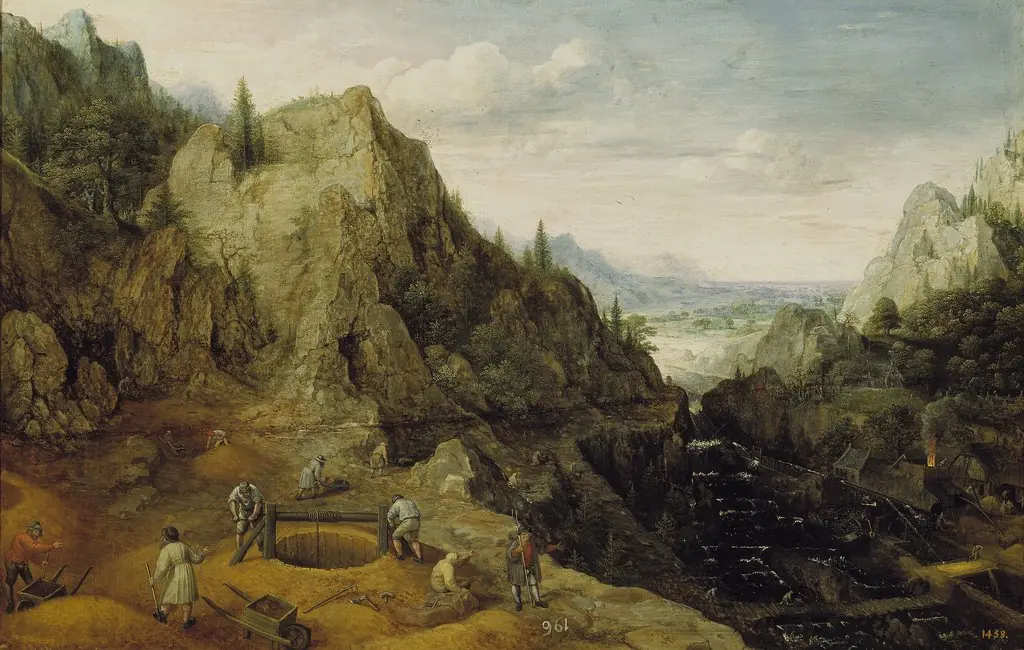 Landscape with Ironworks
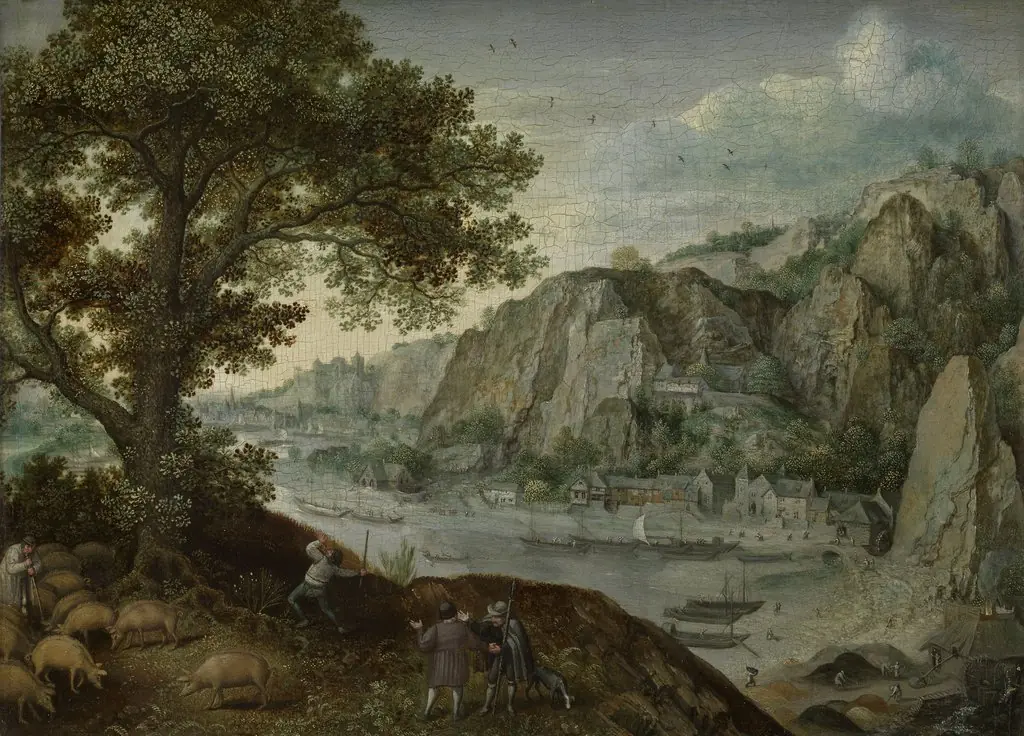
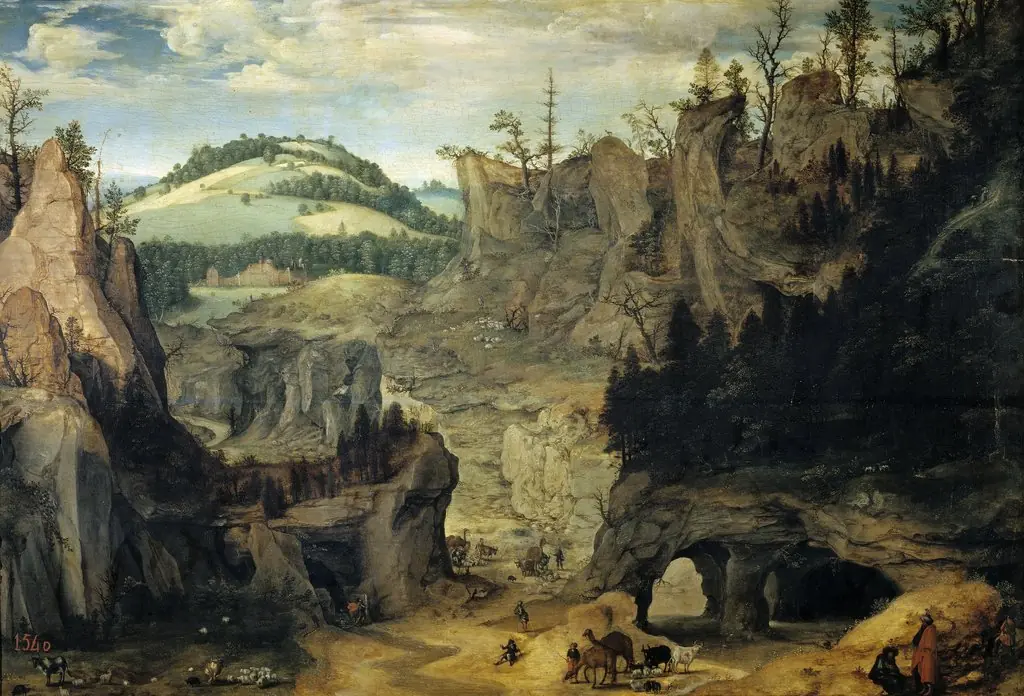 Landscape with Herdsmen
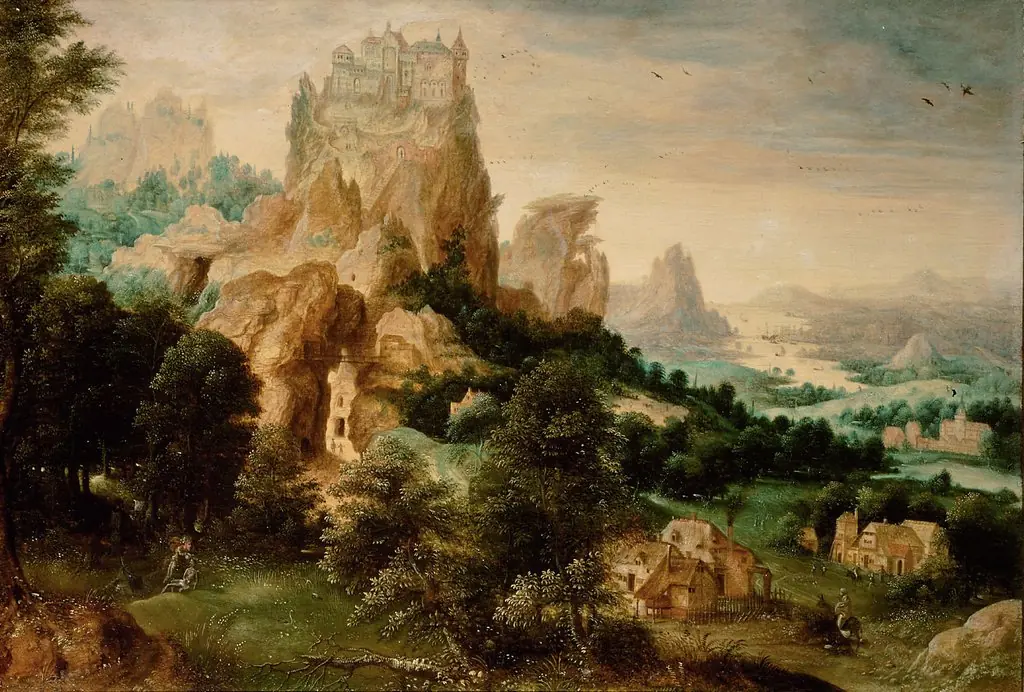 Hilly landscape with the story of the Good Samritan (Luke 10:25-37)
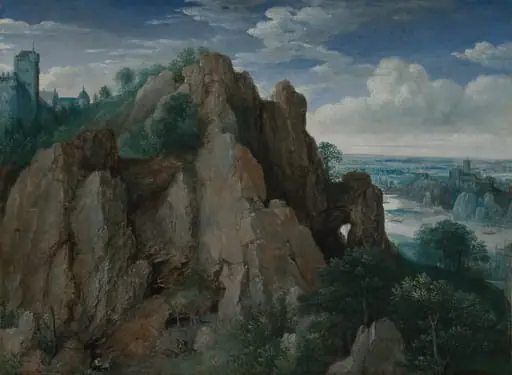
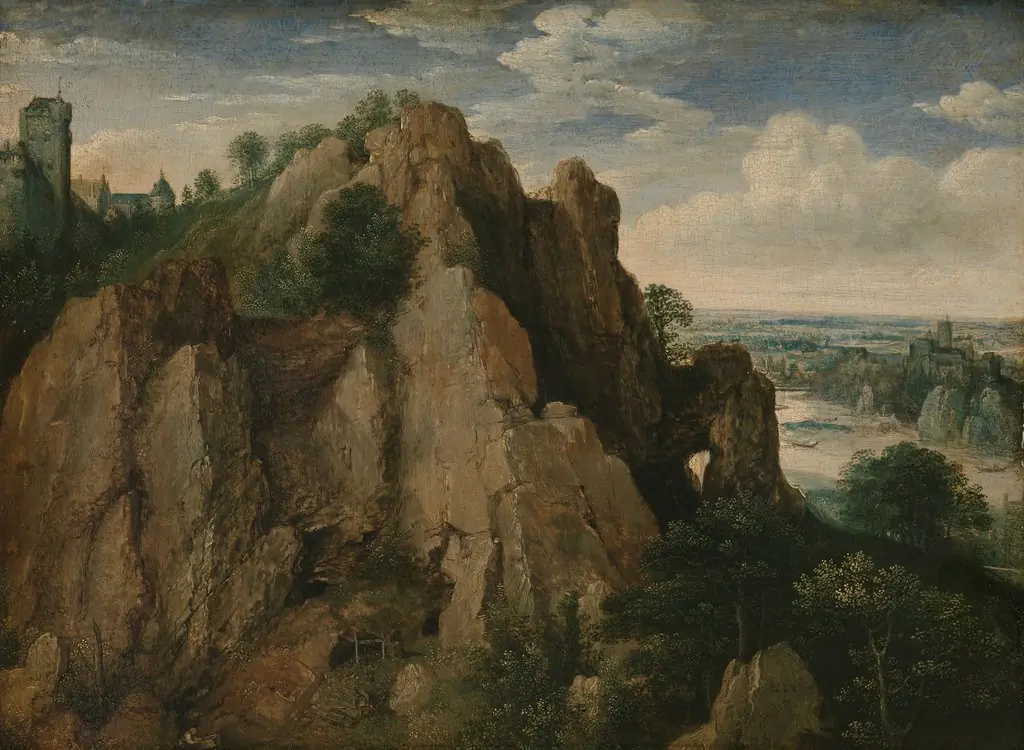
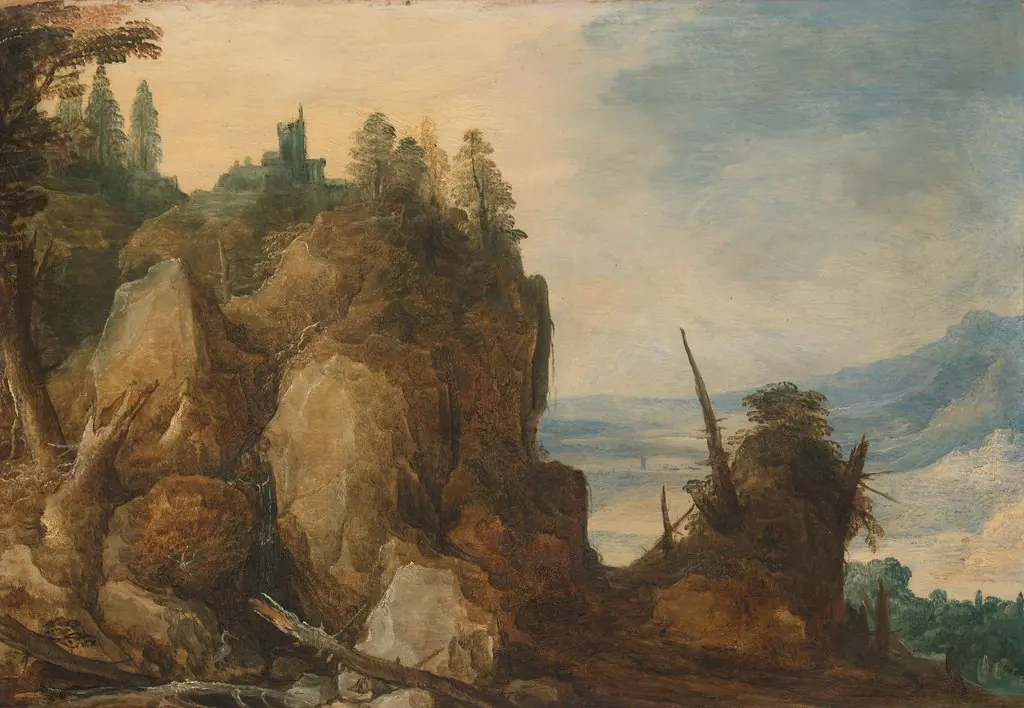 Mountain view
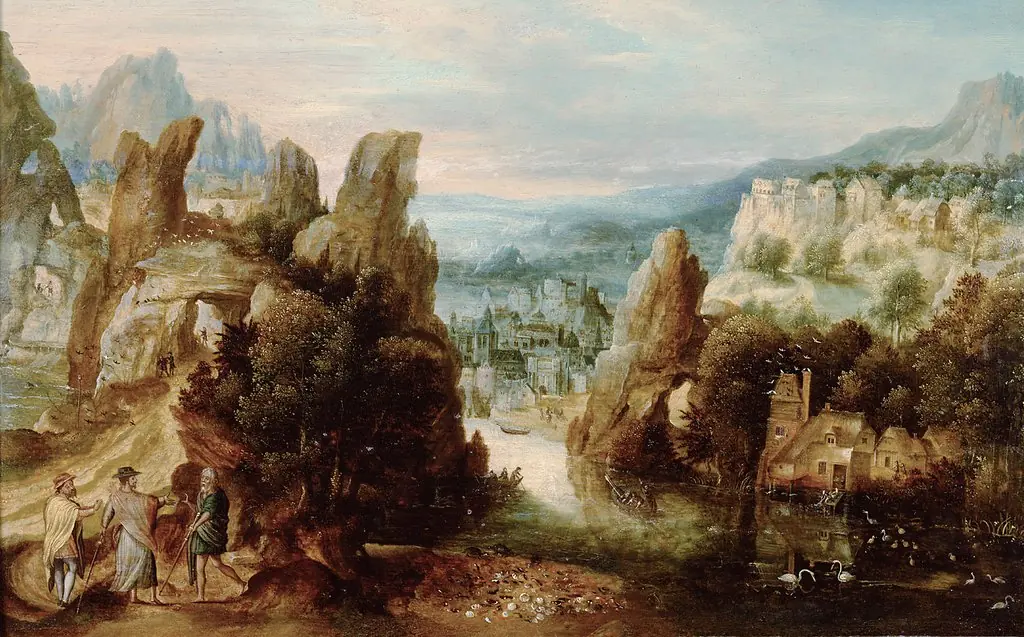 Landschaft mit dem Gang nach Emmaus
 Landscape with the Penitent Saint Jerome
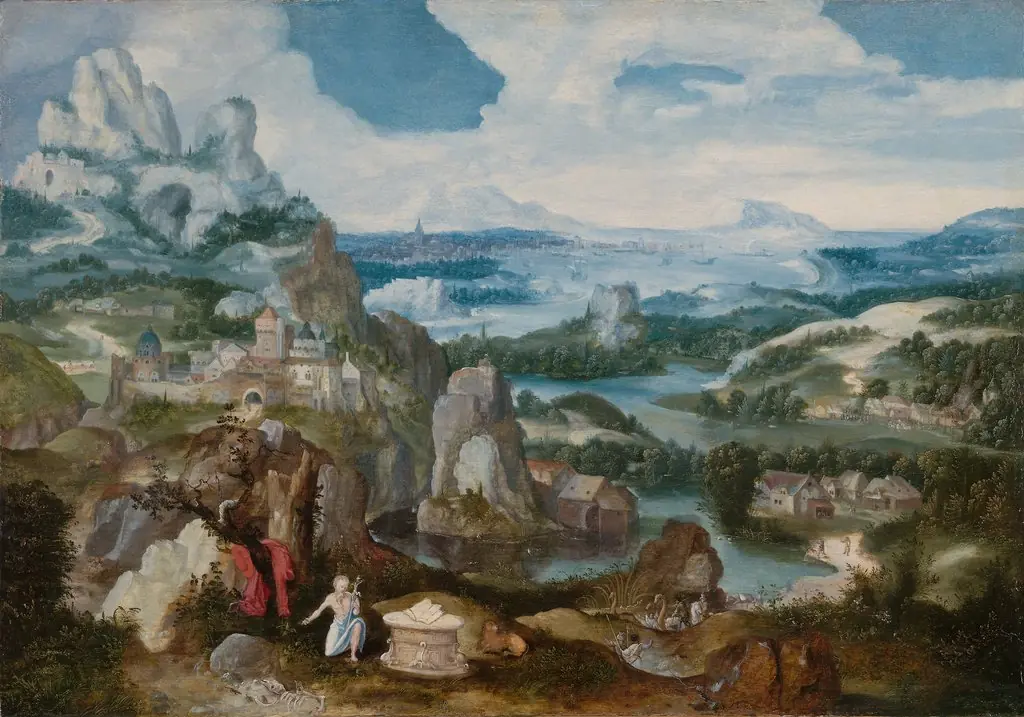 Landscape with the Penitent Saint Jerome
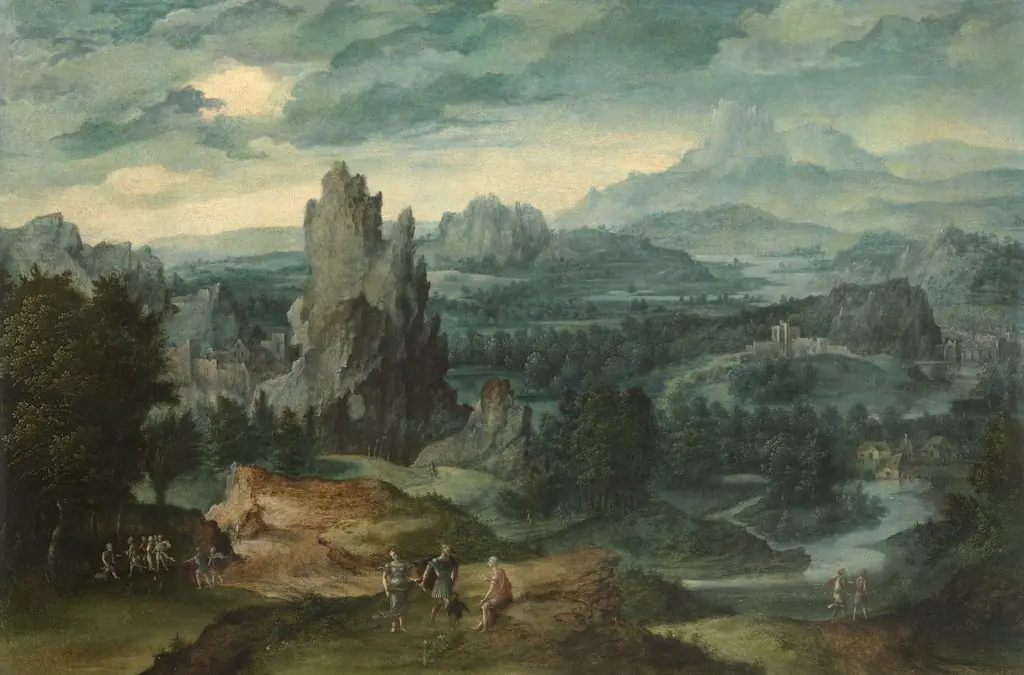 Landscape with Procne and Philomela
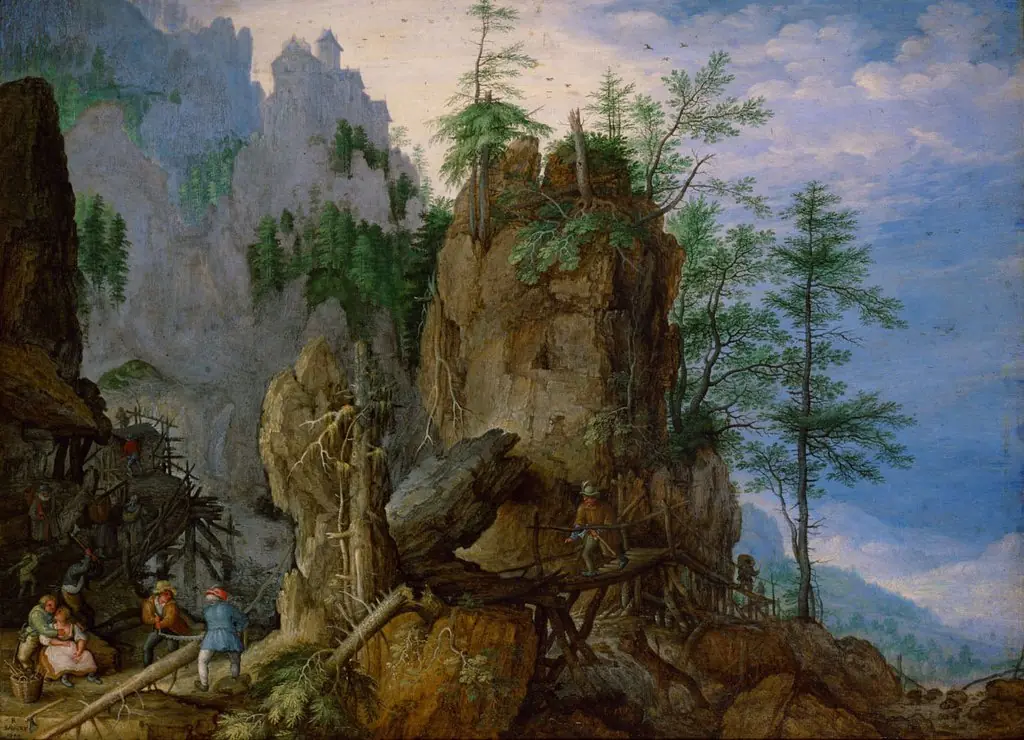 Gebirgslandschaft mit Holzfällern