Artwork
Kielentutkija, kanslianeuvos Johan Ihre
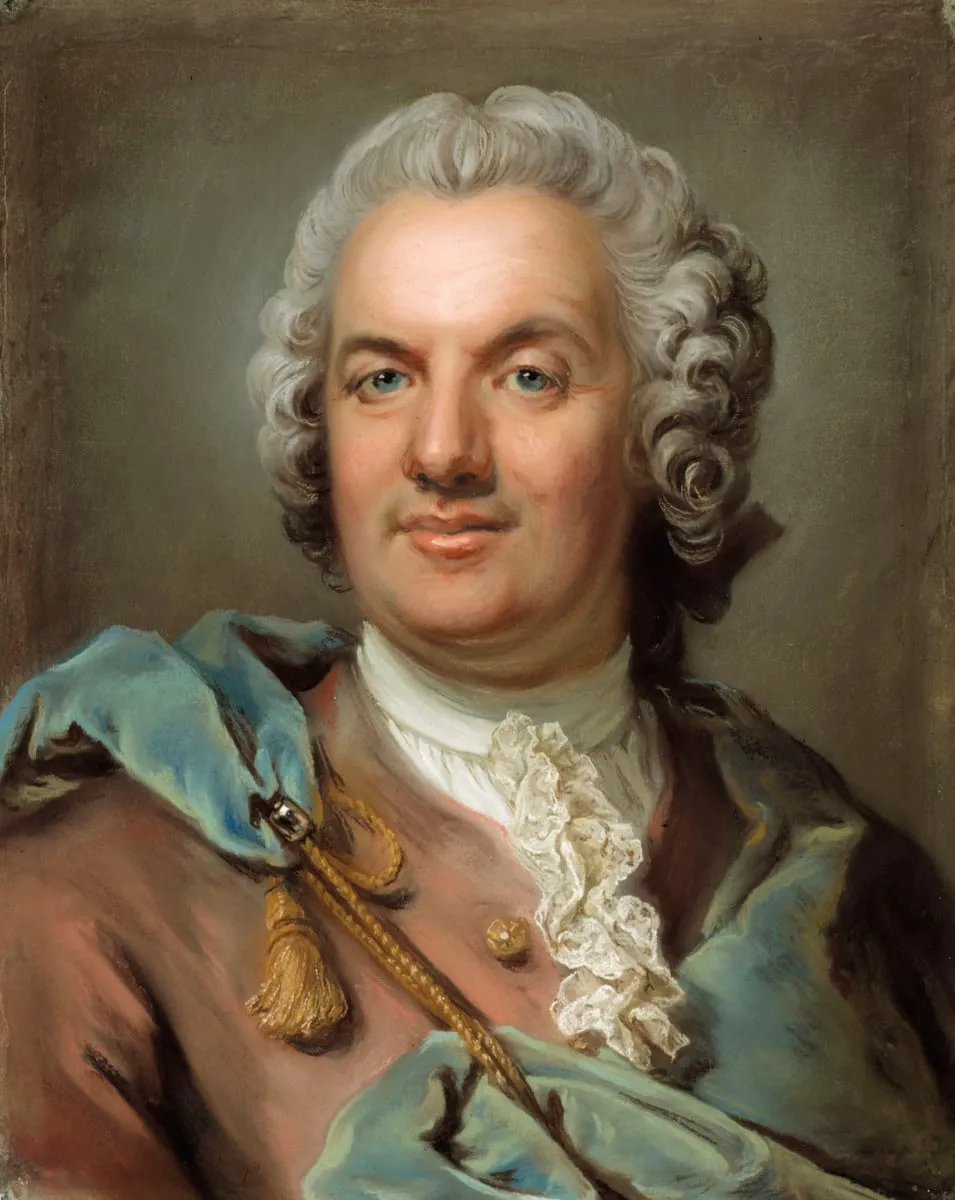
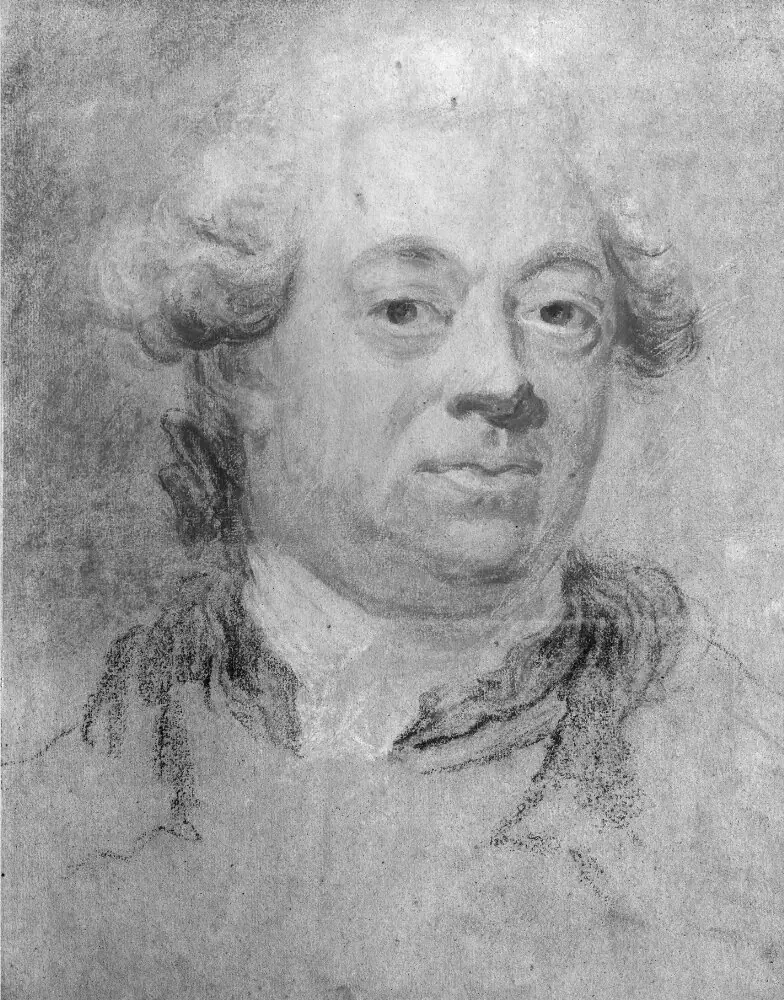
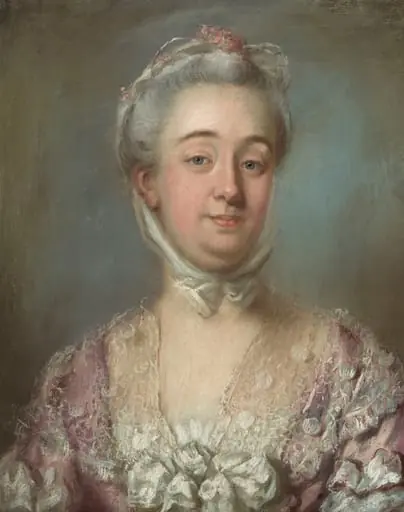
Kielentutkija, kanslianeuvos Johan Ihre is a drawing by Gustaf Lundberg. It is held in the collection of the Finnish National Gallery. This portrait depicts Johan Ihre, a Finnish civil servant holding the title of kanslianeuvos, rendered in soft pastel on paper.
About this work
Overview
This portrait depicts Johan Ihre, a Finnish civil servant holding the title of kanslianeuvos, rendered in soft pastel on paper.
This portrait depicts Johan Ihre, a Finnish civil servant holding the title of kanslianeuvos, rendered in soft pastel on paper. The medium lends the image a muted, delicate texture, emphasizing subtle tonal shifts rather than sharp definition. The artist, Gustaf Lundberg, employed pastel for its ability to capture nuanced skin tones and fabric textures, despite the material’s vulnerability to smudging and fading over time.
Subject & Meaning
Johan Ihre, a prominent figure in 18th-century Finnish administration, is portrayed with a composed, introspective demeanor. His formal attire reflects his official status, while the quiet intensity of his gaze suggests intellectual gravitas. The portrait functions not as a public monument but as a private record of a respected bureaucrat, aligning with Enlightenment ideals of reason and civic duty.
Technique & Style
Gustaf Lundberg utilized pastel sticks to build layered, soft contours, avoiding harsh lines in favor of blended hues. The technique relies on gentle pressure and directional strokes to suggest volume and fabric folds, with minimal use of outline. The paper’s slight tooth holds the pigment without heavy fixative, preserving the medium’s inherent fragility and luminosity.
History & Provenance
Created in the mid-1700s, the portrait likely originated in Sweden-Finland’s administrative circles, where Lundberg was active as a court artist. It remained within private or institutional collections, possibly tied to Ihre’s family or government archives, before entering public ownership. Its survival reflects the care taken with pastel works of notable individuals during the period.
Context
Lundberg’s use of pastel aligned with European trends among portraitists seeking intimacy and immediacy, particularly in Northern courts. In Finland, then part of Sweden, such portraits served both personal and bureaucratic functions, documenting officials who shaped regional governance. The choice of pastel over oil signaled a preference for elegance and speed, suited to the refined tastes of civil elites.
Legacy
The portrait stands as one of the few surviving pastel works by Lundberg depicting Finnish figures of the era. It contributes to the visual record of early Finnish civil administration and illustrates the transnational exchange of artistic methods within the Swedish realm. Its preservation offers insight into how identity and authority were visually encoded in 18th-century Nordic society.
Artist & collection
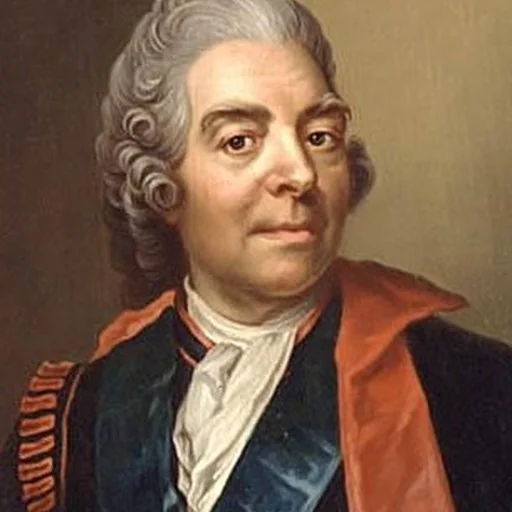
Artist
Gustaf Lundberg (17 August 1695 – 18 March 1786) was a Swedish rococo pastelist and portrait painter. He trained and worked in Paris and later was appointed court portrait painter in Stockholm.

 Портрет В.И. Майкова
 Портрет В.И. Майкова
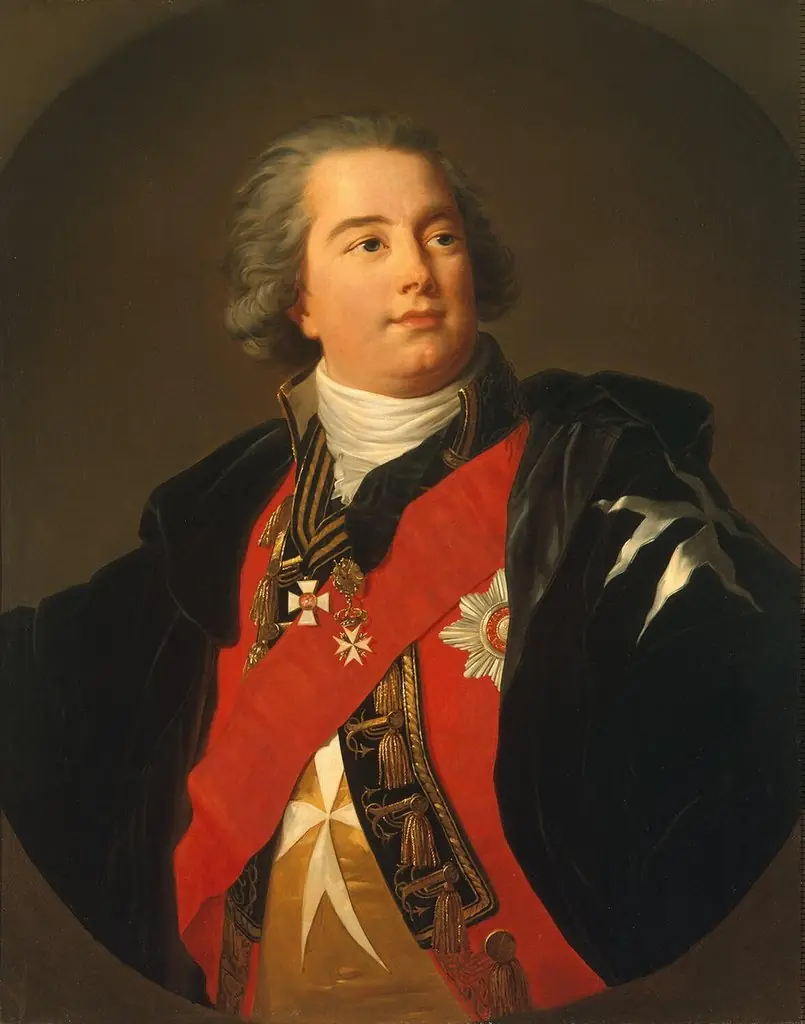 Portrait of Count Yuly Litta
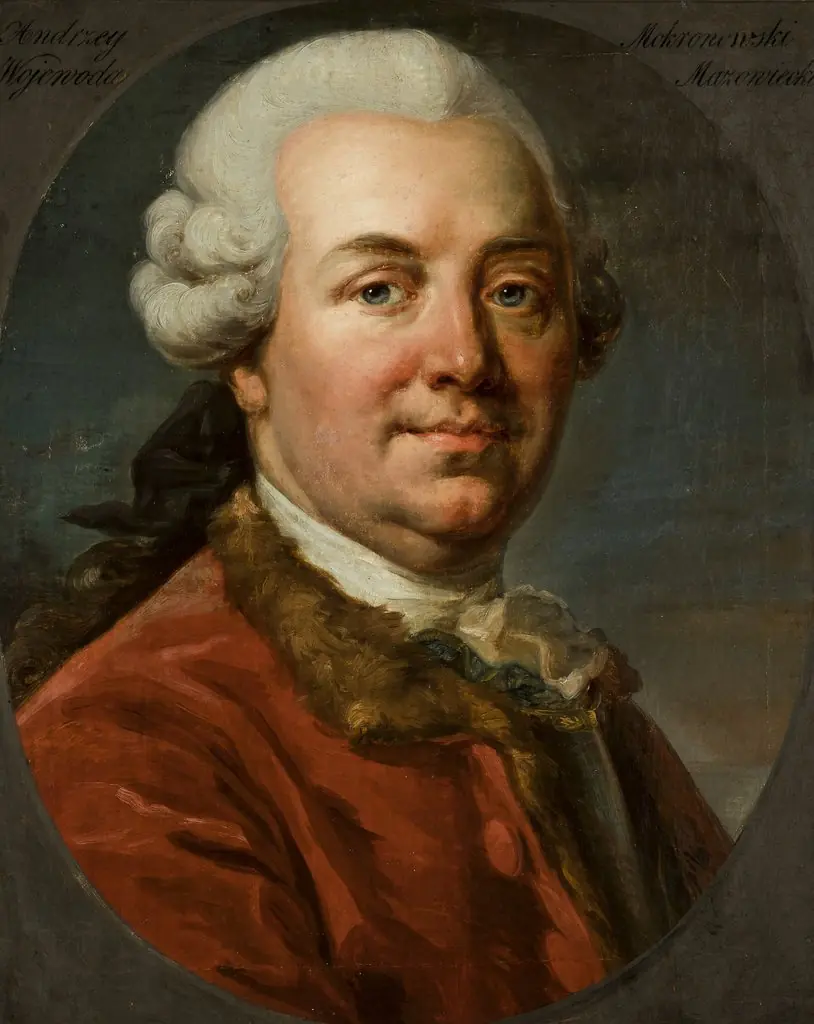 Portrait of Andrzej Mokronowski
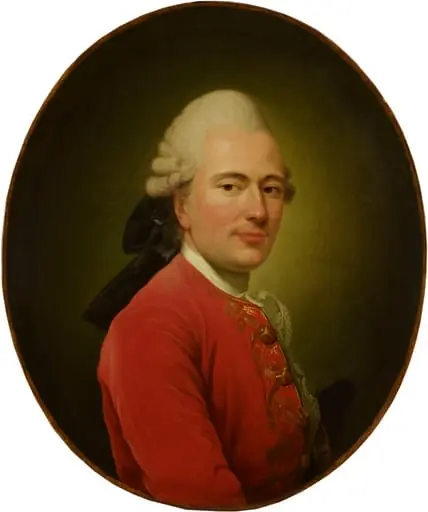 Paul Marie Victoire de Beauvilliers
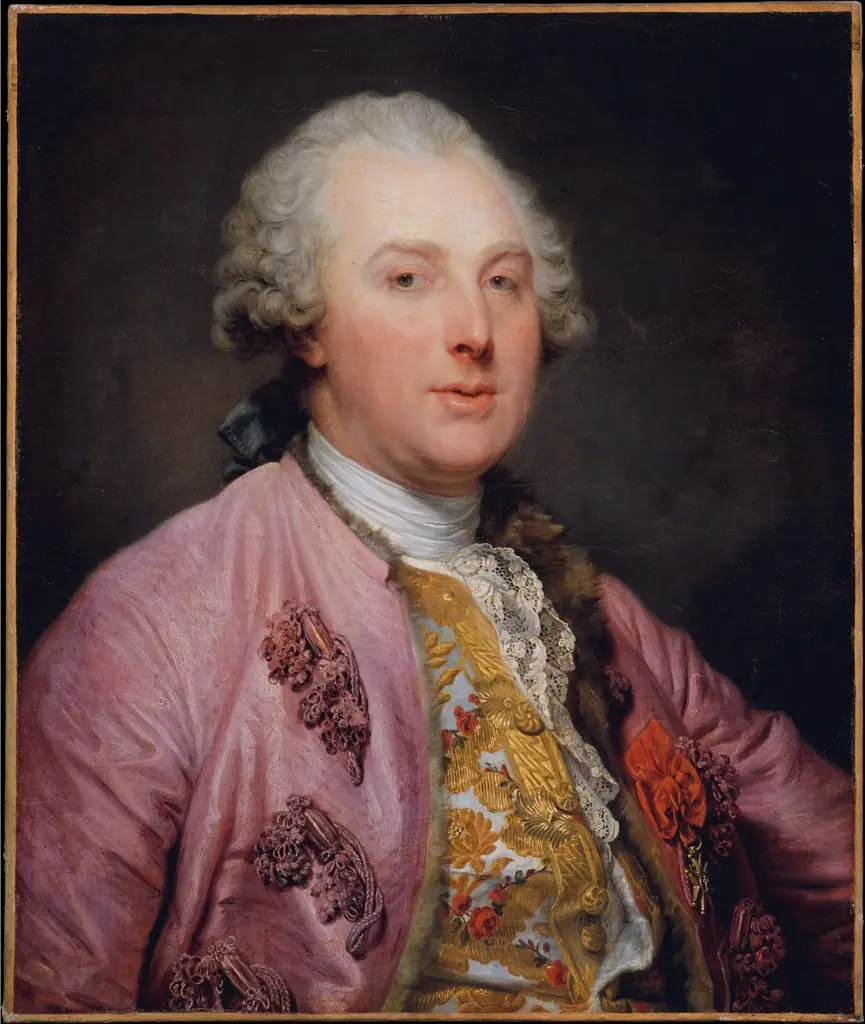 Portrait of Charles Claude de Flahaut de La Billarderie (Comte d'Angiviller)
 Louis de Bourbon-Condé, Count of Clermont
 Jean Charles Garnier d'Isle (1697–1755)
 Louis XVI of France (1754-1793)
 Portrait of a Gentleman