Artwork
Vapaaherratar Maria Sofia Juliana von Blixen
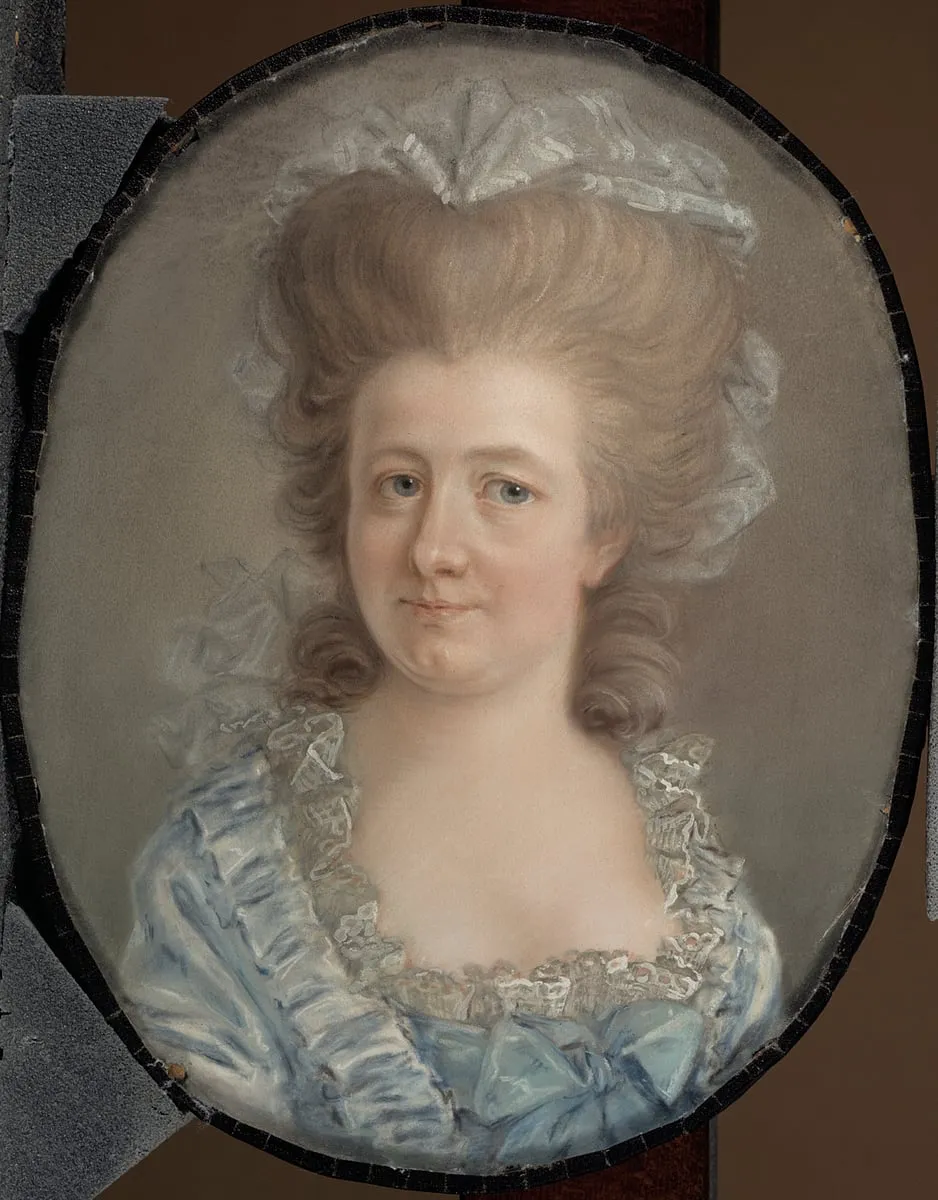
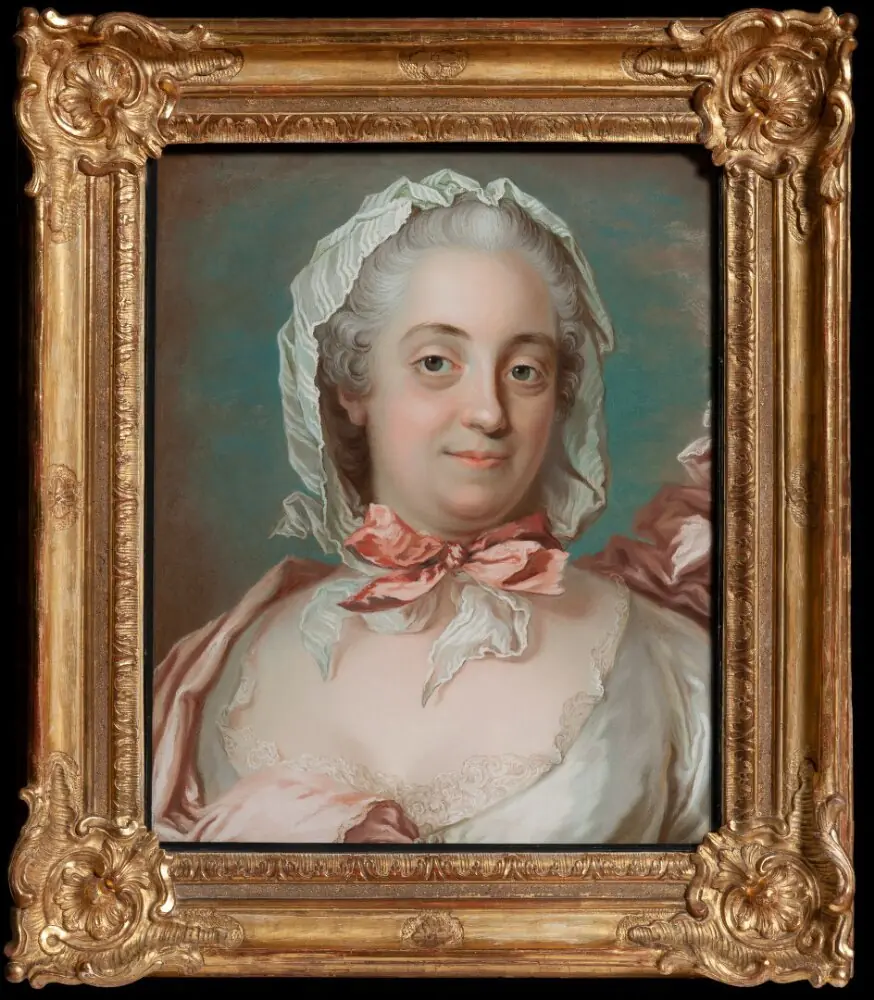
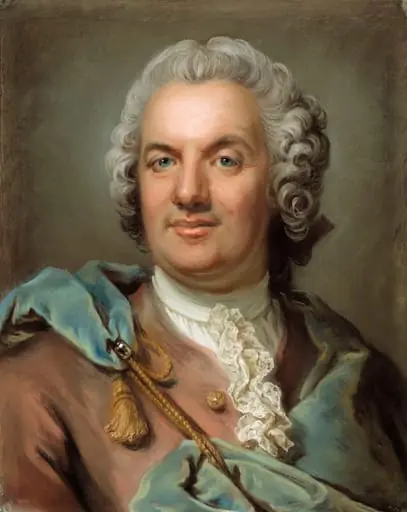
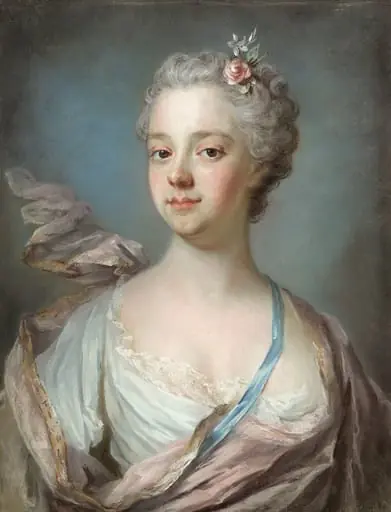
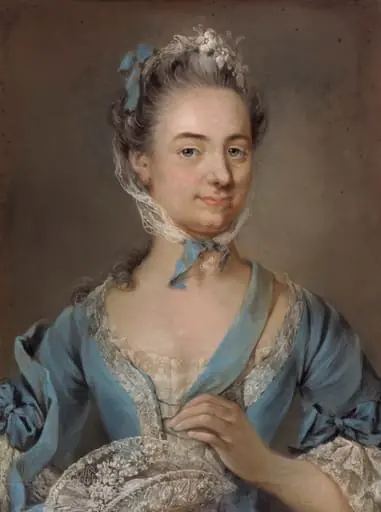
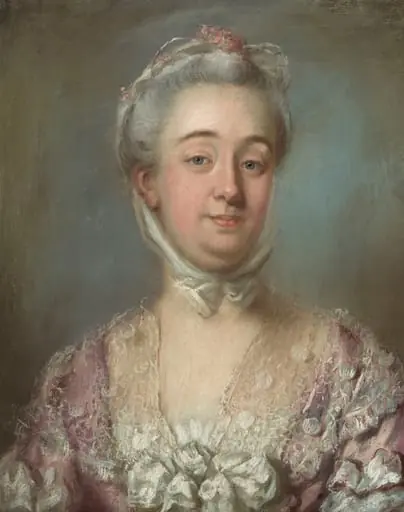
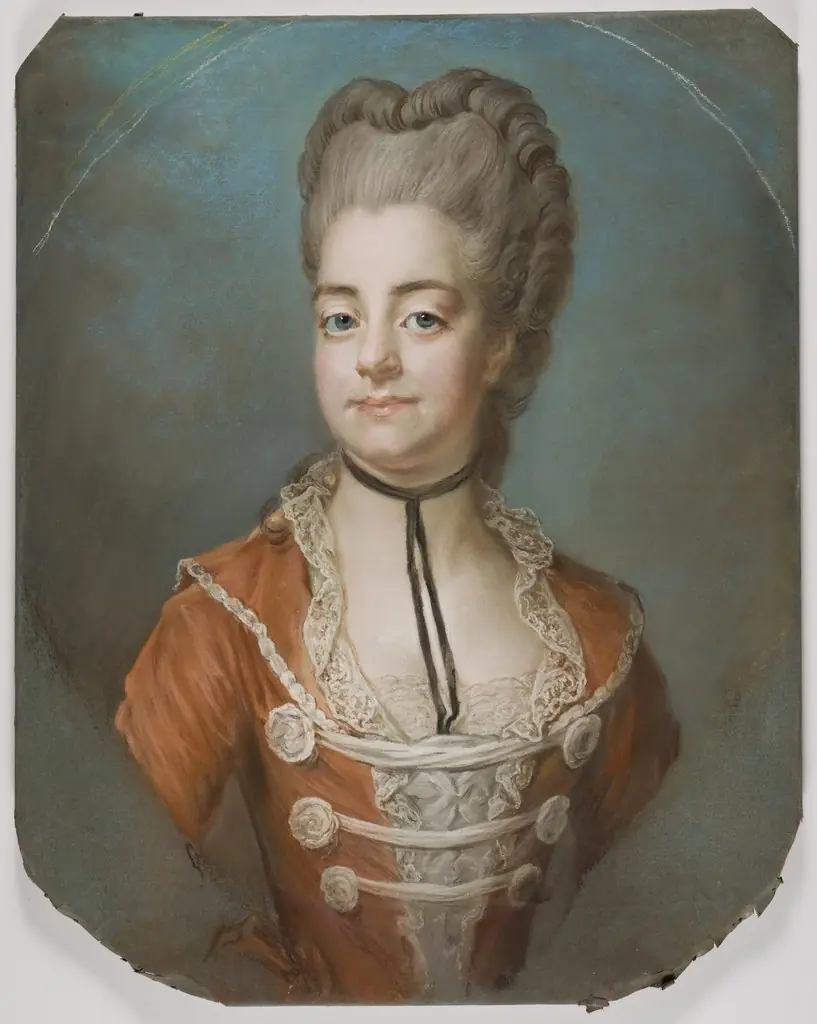
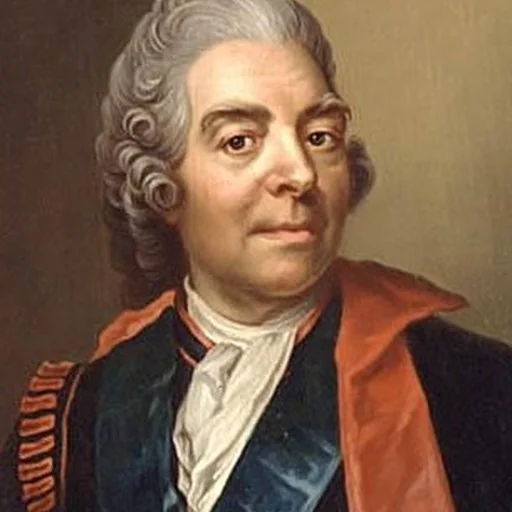
Vapaaherratar Maria Sofia Juliana von Blixen is a drawing by Gustaf Lundberg. It is held in the collection of the Finnish National Gallery. This portrait depicts Maria Sofia Juliana von Blixen, a Swedish noblewoman, rendered in pastel on parchment.
About this work
Overview
This portrait depicts Maria Sofia Juliana von Blixen, a Swedish noblewoman, rendered in pastel on parchment. The medium, known as pastelli pergamentille, was rarely employed in 18th-century portraiture, distinguishing this work from more common chalk or ink drawings. Its delicate texture and muted tonality reflect a quiet intimacy, unusual for formal aristocratic commissions of the period.
Subject & Meaning
Maria Sofia Juliana von Blixen is portrayed with a serene expression and restrained posture, typical of noblewomen’s portraiture in late 18th-century Sweden. Her attire, though outdated by the time of execution, suggests a deliberate reference to tradition or familial heritage. The absence of ornate symbols or allegorical elements emphasizes personal dignity over social display.
Technique & Style
The artist employed pastels on parchment, a technique known as pastelli pergamentille, which allowed for subtle blending and a velvety surface. Unlike paper, parchment’s slight translucency and smoothness enhanced the softness of the pigment, creating a luminous effect. This method was uncommon in Sweden at the time and is associated primarily with the work of Gustaf Lundberg.
History & Provenance
The drawing likely originated in Sweden during the late 1700s, commissioned by the von Blixen family. Its survival suggests it was preserved within private collections, possibly as a keepsake rather than a public display piece. No documented exhibition history exists prior to modern archival interest, and its current location remains within a private or institutional Swedish collection.
Context
In an era dominated by oil portraiture among the nobility, pastel on parchment represented a quiet alternative—less costly, more intimate, and suited to domestic spaces. Gustaf Lundberg’s use of this technique in Sweden reflected a niche aesthetic preference, bridging French pastel traditions with local materials and sensibilities.
Legacy
The work stands as a rare example of pastelli pergamentille in Swedish portraiture, illustrating a localized artistic experiment. While not widely adopted, it contributes to understanding the diversity of materials used in aristocratic representation. Its preservation offers insight into understudied techniques and the personal dimensions of noble identity in the late Enlightenment.
Artist & collection
Artist
Gustaf Lundberg (17 August 1695 – 18 March 1786) was a Swedish rococo pastelist and portrait painter. He trained and worked in Paris and later was appointed court portrait painter in Stockholm.