Artwork
Pojan muotokuva
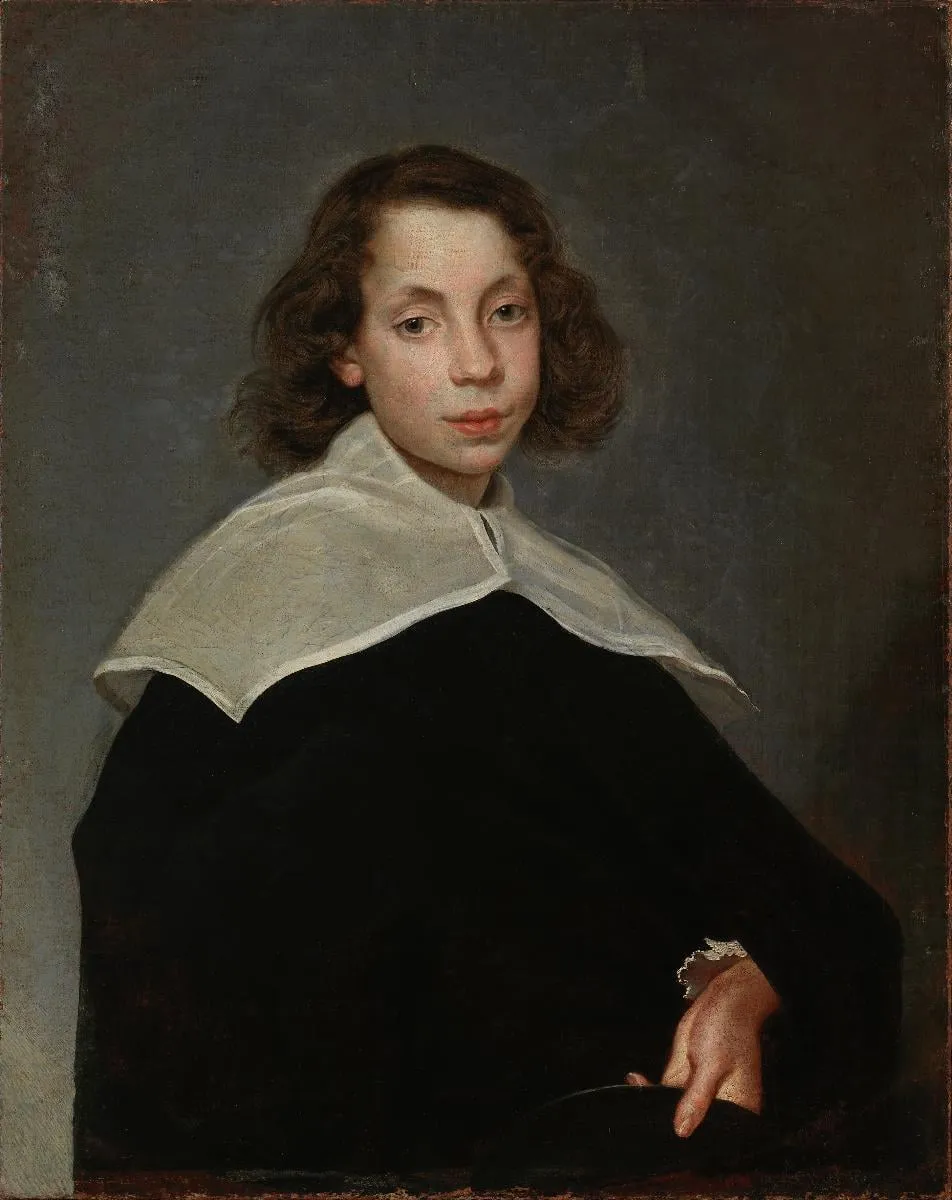
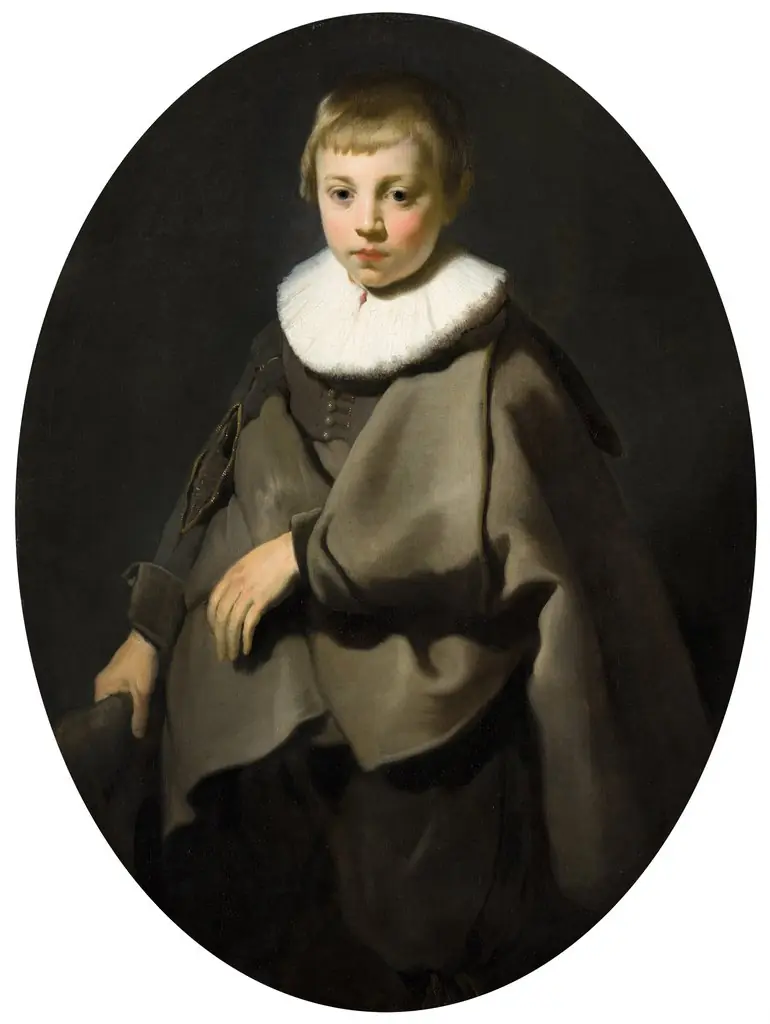
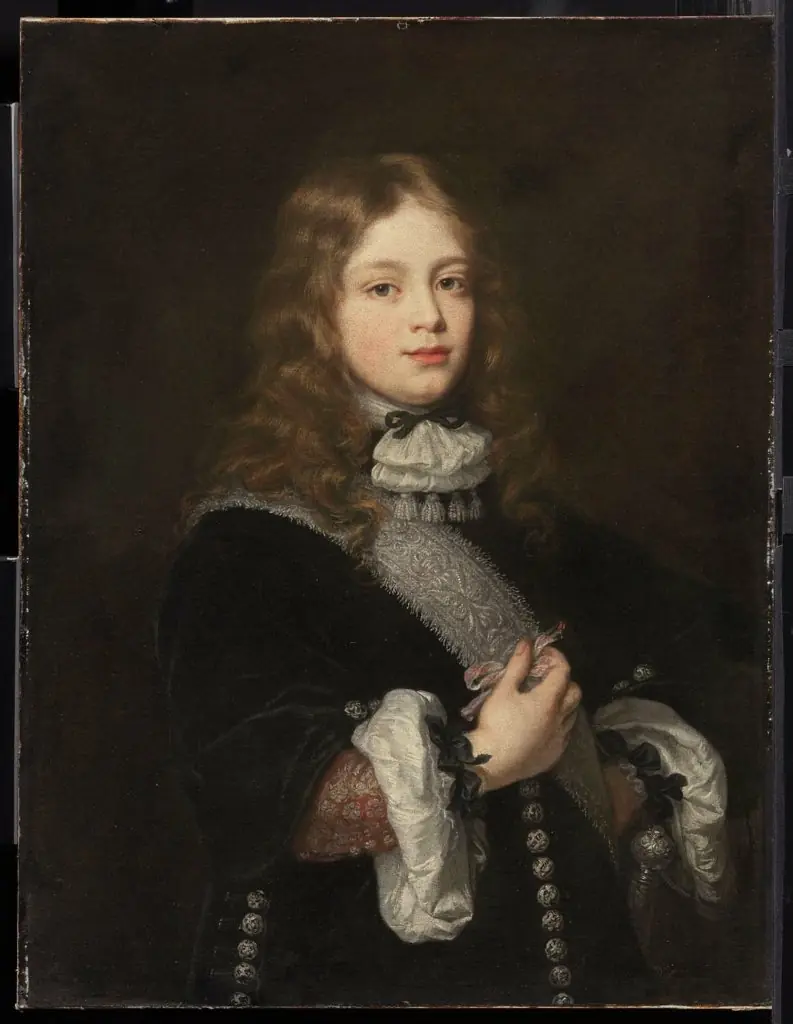
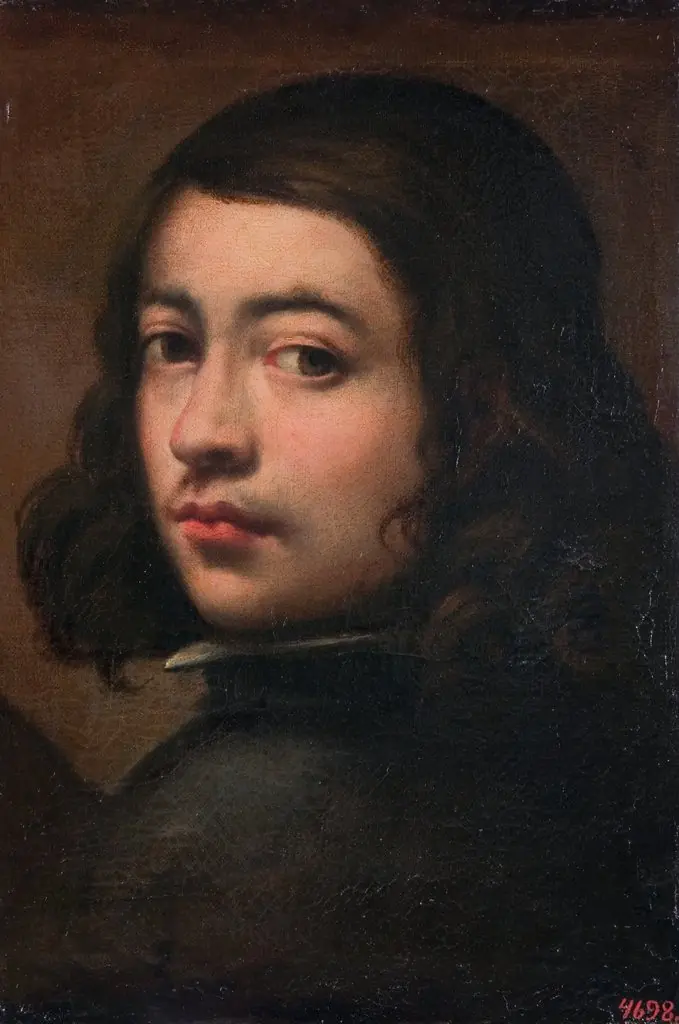
Pojan muotokuva is an unspecified painting by Frans Luyckx. It is held in the collection of the Finnish National Gallery. This portrait depicts a youthful individual set against a subdued, monochromatic backdrop.
About this work
Overview
The figure’s attire—a dark garment contrasted by a luminous white collar—draws attention to the face, which is rendered with delicate modeling.
This portrait depicts a youthful individual set against a subdued, monochromatic backdrop. The figure’s attire—a dark garment contrasted by a luminous white collar—draws attention to the face, which is rendered with delicate modeling. A single hand rests on a small, indistinct object, possibly an accessory or book, adding a subtle narrative element. The composition prioritizes the subject’s presence through restrained detail and controlled illumination.
Subject & Meaning
The sitter’s identity remains unspecified, though the portrait adheres to conventions of early modern European likenesses, where individual character and social standing were often conveyed through posture and dress. The white collar, a recurring motif in portraits of the period, may signal refinement or professional affiliation. The ambiguous object in the subject’s hand invites speculation about personal interests or status, though its exact significance is left to interpretation.
Technique & Style
Executed with a restrained palette, the work employs chiaroscuro to sculpt the figure’s features, creating volume through the interplay of light and shadow. The brushwork is precise yet understated, with particular attention to the texture of fabrics and the subtle gradations of flesh tones. The dark background serves to isolate the subject, a technique common in portraiture of the era, emphasizing the individual’s visage and attire.
History & Provenance
Details regarding the painting’s creation, including its artist, date, and original patron, are not firmly established. The work’s stylistic traits suggest an origin within Northern or Central European portrait traditions, possibly dating to the late 16th or early 17th century. Its subsequent ownership history and path to its current collection remain undocumented, limiting conclusions about its early reception or display.
Context
Portraits of this kind were typically commissioned to document personal or familial identity, often serving as markers of social or professional achievement. The plain background and focus on the sitter’s appearance align with the era’s emphasis on individual likeness over allegorical or narrative embellishment. Such works were commonly displayed in domestic settings, where they functioned as visual records of lineage or status.
Artist & collection
Artist
This 17th-century artist left behind quiet portraits of real people, their faces calm and direct.

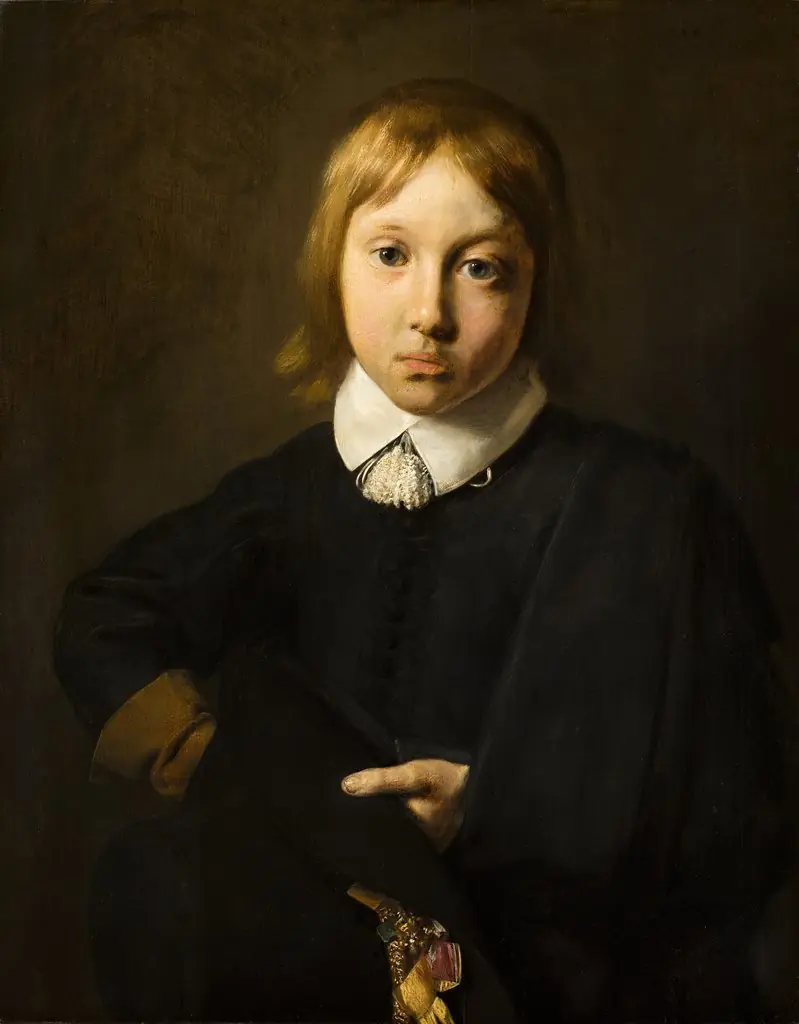 Portrait of a Six-year-old Boy
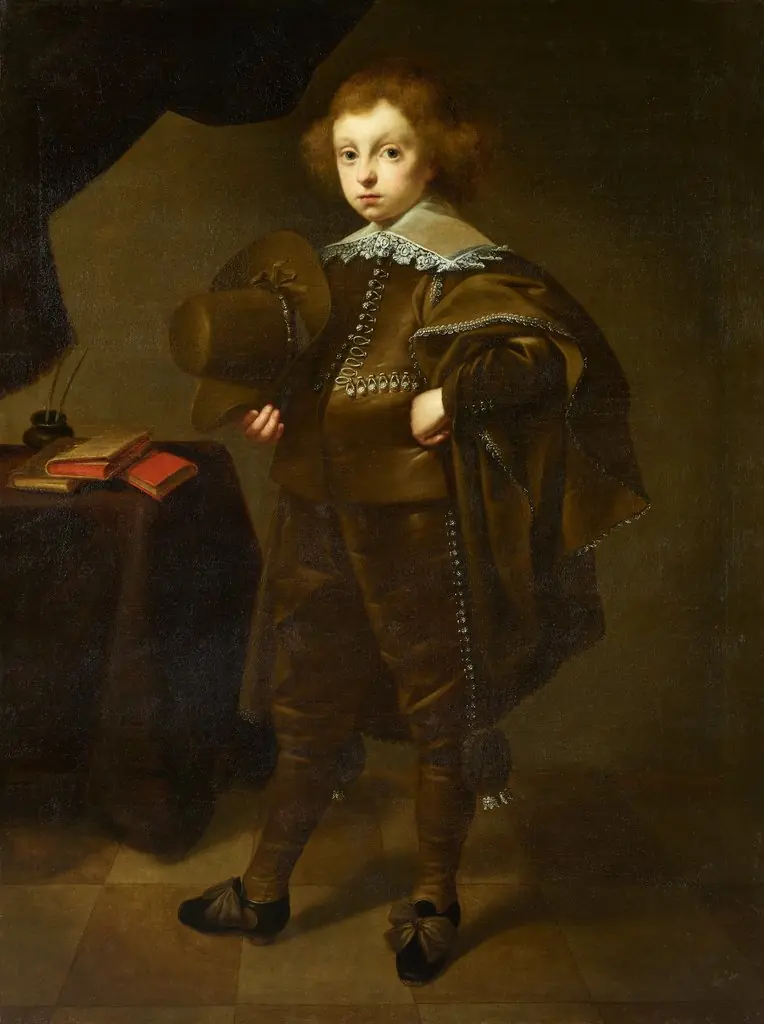 Portrait of a Boy
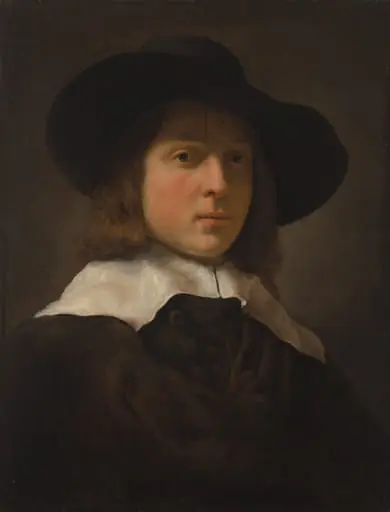 Head of a Young Man
 Portrait of a Boy
 Portrait of a Boy in Gray
 Portrait of Dirck Hendrick Meulenaer (1620-in or after 1649 ?)
 Dirck Hendrick Meulenaer
 Portrait of a Boy
 Portrait of Maerten Soolmans
 Portrait of a Young Man Seated Smoking
 Willem Jacobsz Baert (1636-84). Mayor of Alkmaar and Amsterdam
 Portrait of a Man