Artwork
Portrait of a Boy
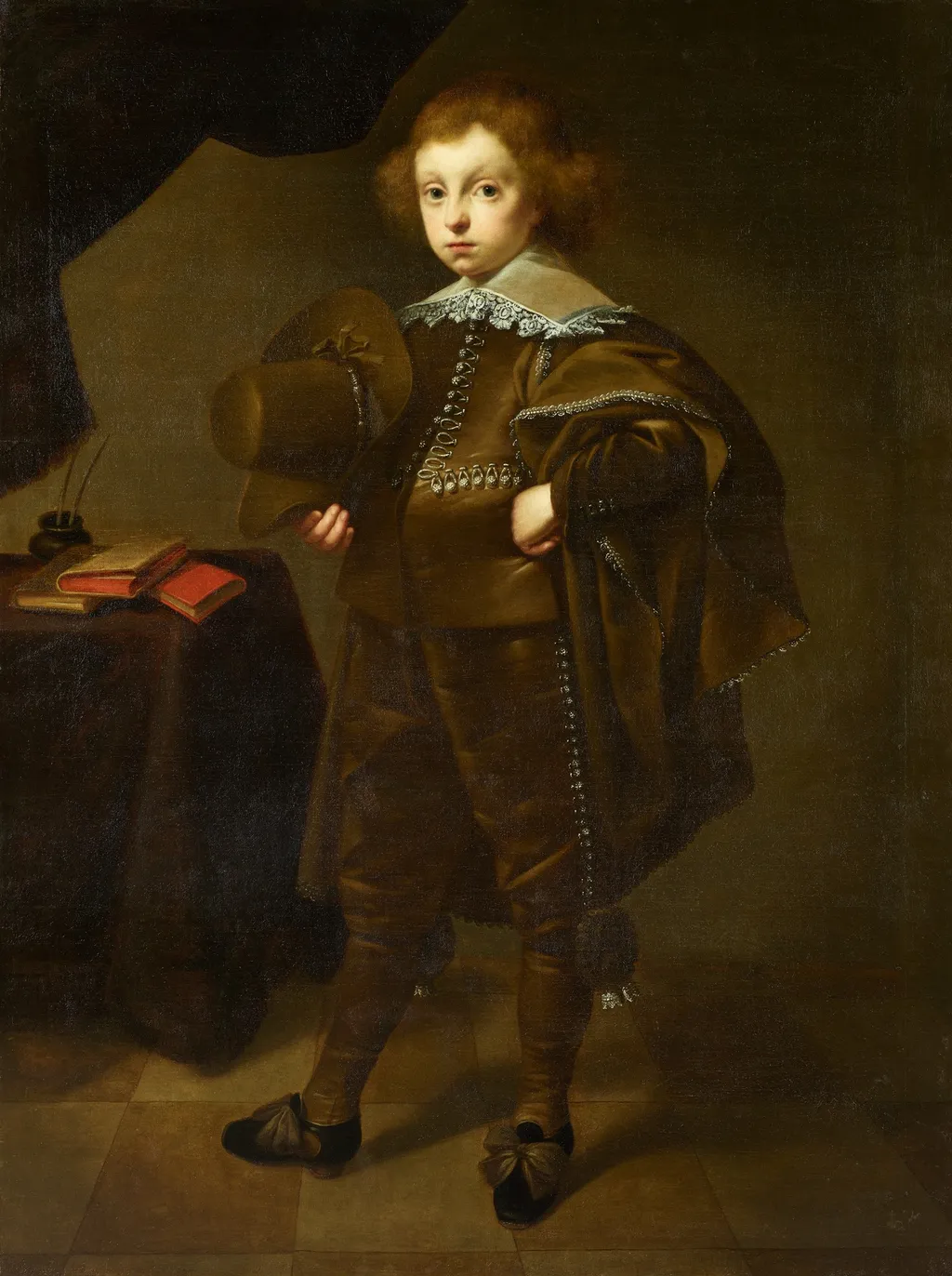
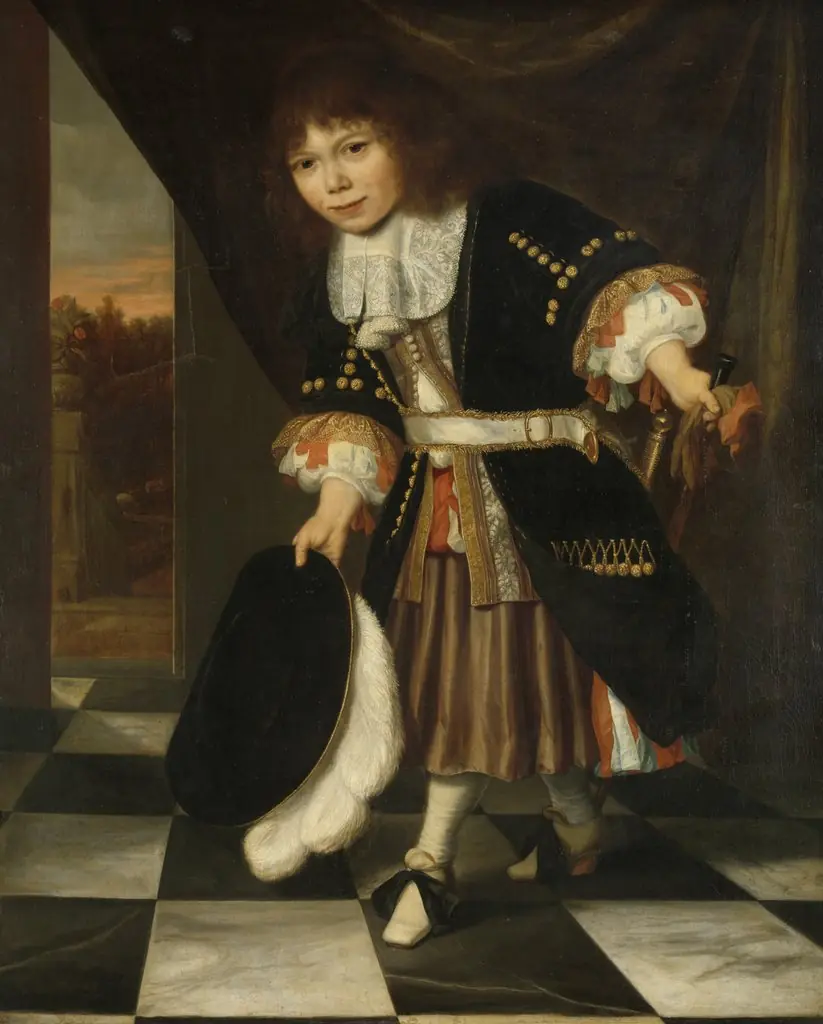
Portrait of a Boy is a paint painting by the Dutch Golden Age artist Hercules Sanders. It dates from 1635 and is held in the collection of the Gemäldegalerie Berlin.
About this work
Overview
Painted in 1635, this portrait depicts an unidentified young boy and is attributed to Hercules Sanders. Executed in oil on panel, it resides in the Gemäldegalerie, Berlin. The composition centers on the figure against a muted interior setting, with careful rendering of texture and light that reflects the Northern European tradition of intimate portraiture from the early seventeenth century.
Subject & Meaning
The boy, dressed in formal attire, holds a hat and stands beside a table bearing books and a quill, suggesting a scholarly or upper-class background.
The boy, dressed in formal attire, holds a hat and stands beside a table bearing books and a quill, suggesting a scholarly or upper-class background. His direct gaze and composed posture convey quiet dignity rather than playfulness, aligning with contemporary ideals of childhood as a period of moral and intellectual development. The objects imply education and social standing, though no specific identity or narrative is recorded.
Technique & Style
Sanders employed fine brushwork to capture the textures of fabric, leather, and paper. The boy’s red curls, embroidered belt, and layered cloak are rendered with precision, while the dim interior enhances the focus on the figure. Light falls subtly across the face and hands, modeling form without dramatic contrast. The palette is restrained—browns, creams, and muted reds—emphasizing realism over ornamentation.
History & Provenance
The painting entered the Gemäldegalerie Berlin’s collection in the nineteenth century, though its earlier ownership remains undocumented. It has been consistently attributed to Hercules Sanders since its cataloging, with no evidence of significant alteration or restoration. Its survival in good condition reflects careful stewardship within institutional collections over centuries.
Context
In 1630s Northern Europe, portraits of children from affluent families were increasingly common, often serving as records of lineage or status. Unlike earlier depictions of children as miniature adults, this work suggests a growing sensitivity to individual youth, though still framed within formal conventions. Similar portraits by Dutch and Flemish artists reflect shared aesthetic and social values of the period.
Legacy
The portrait contributes to a broader corpus of early modern child portraiture, illustrating how artists balanced realism with symbolic elements to convey social identity. While Sanders is not widely known, this work exemplifies the quiet precision of regional painters who catered to elite patrons. It remains a quiet testament to the cultural emphasis on education and decorum in early seventeenth-century households.
Own this work as a print
Artist & collection

 Portrait of a Boy
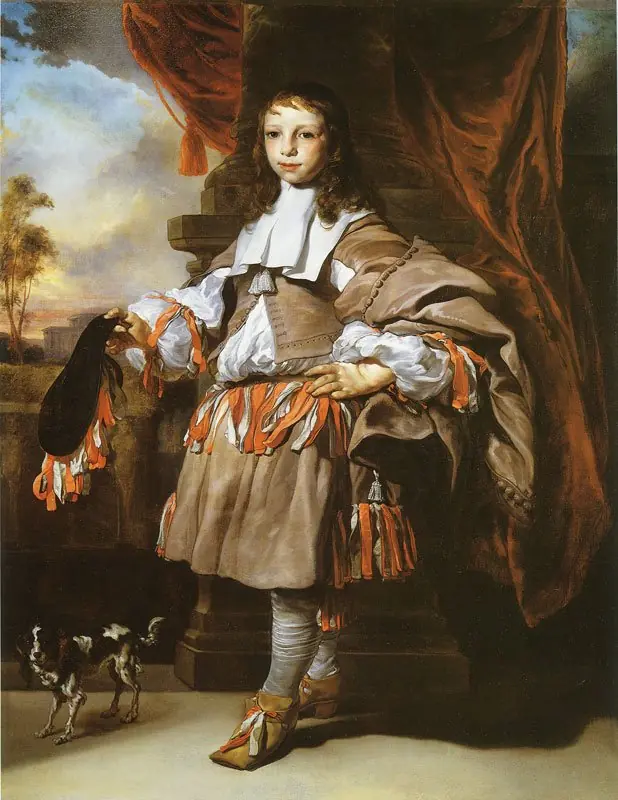 Portrait of a Boy
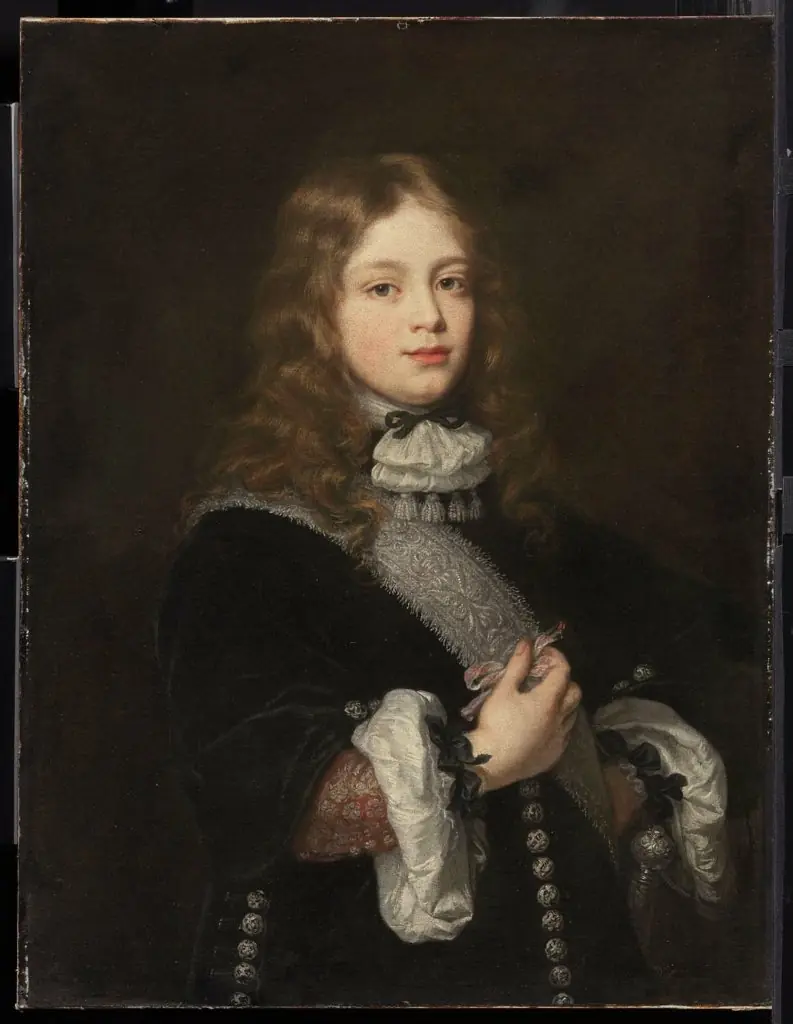 Portrait of a Boy
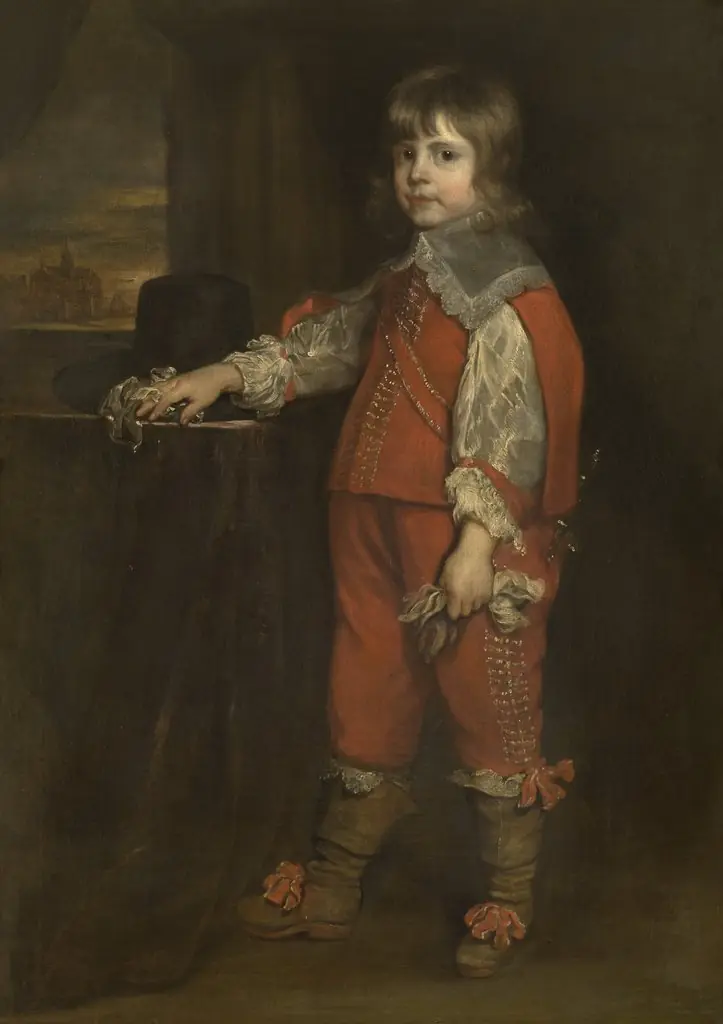 Charles II, when Prince of Wales
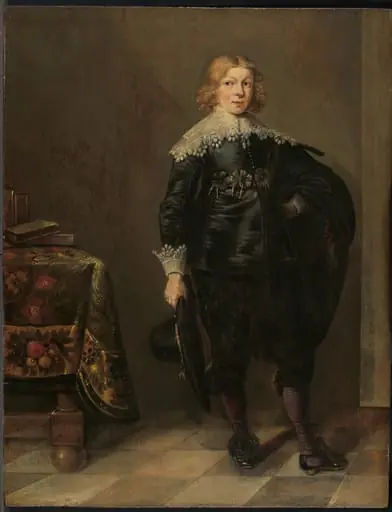 Portrait of a Boy
 Portrait of a boy, called 'The son of Admiral van Nes'
 Portrait of Maerten Soolmans
 Portrait of a Gentleman
 Portrait of a Boy, called The Young Son of Admiral van Nes (The Admiral's Son)
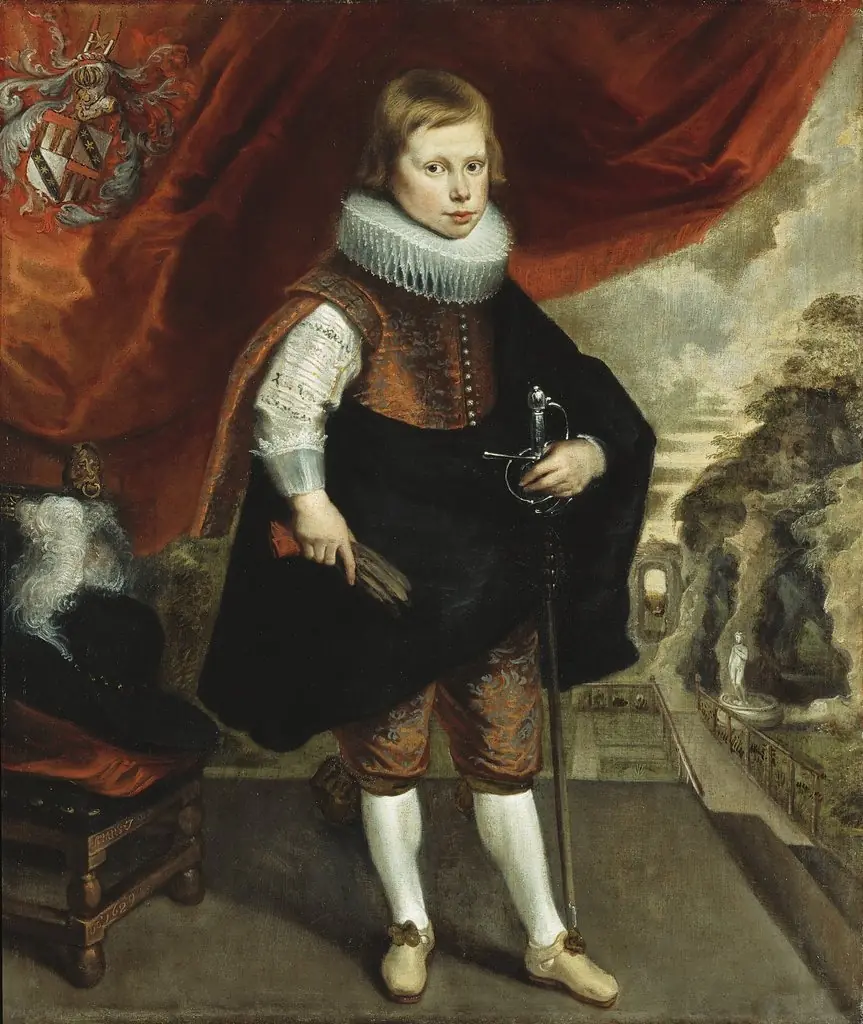 A Boy
A Boy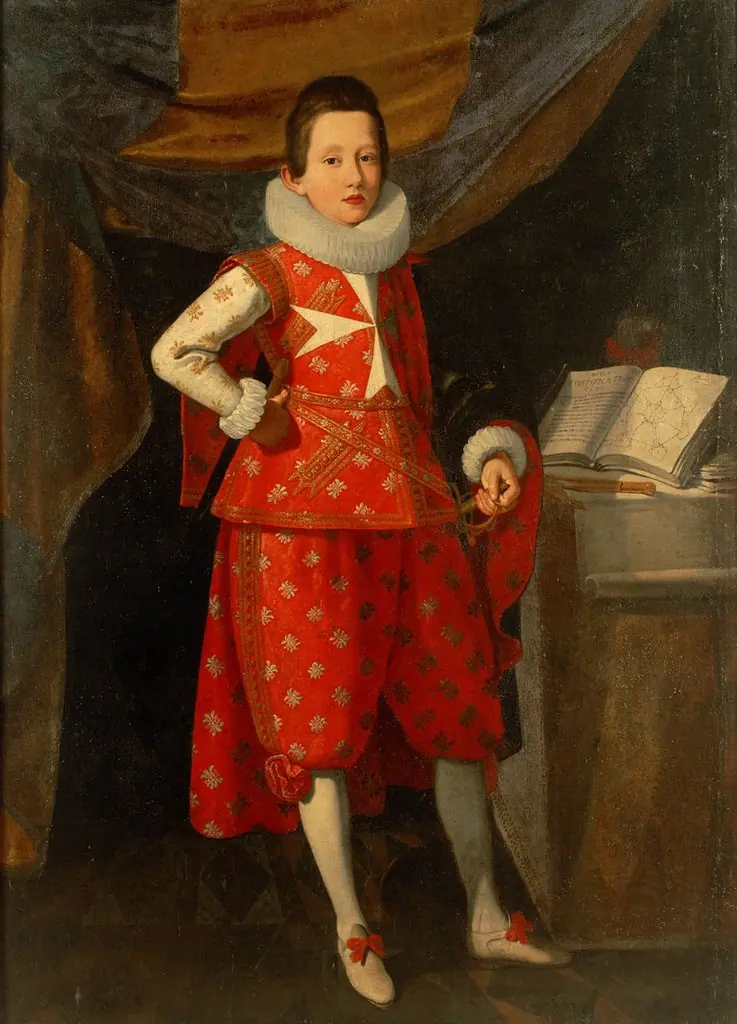 Giancarlo de' Medici (1611-1663), Cardinal, at the age of 10.
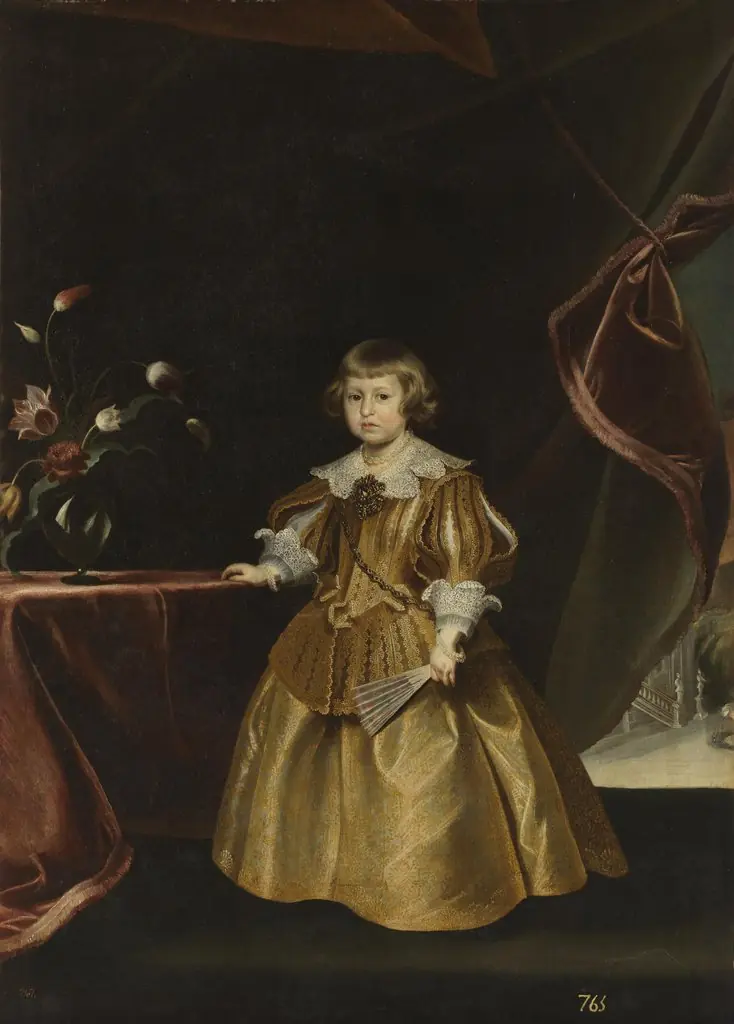 Portrait of an infanta