Artwork
宋馬麟暗香疏影
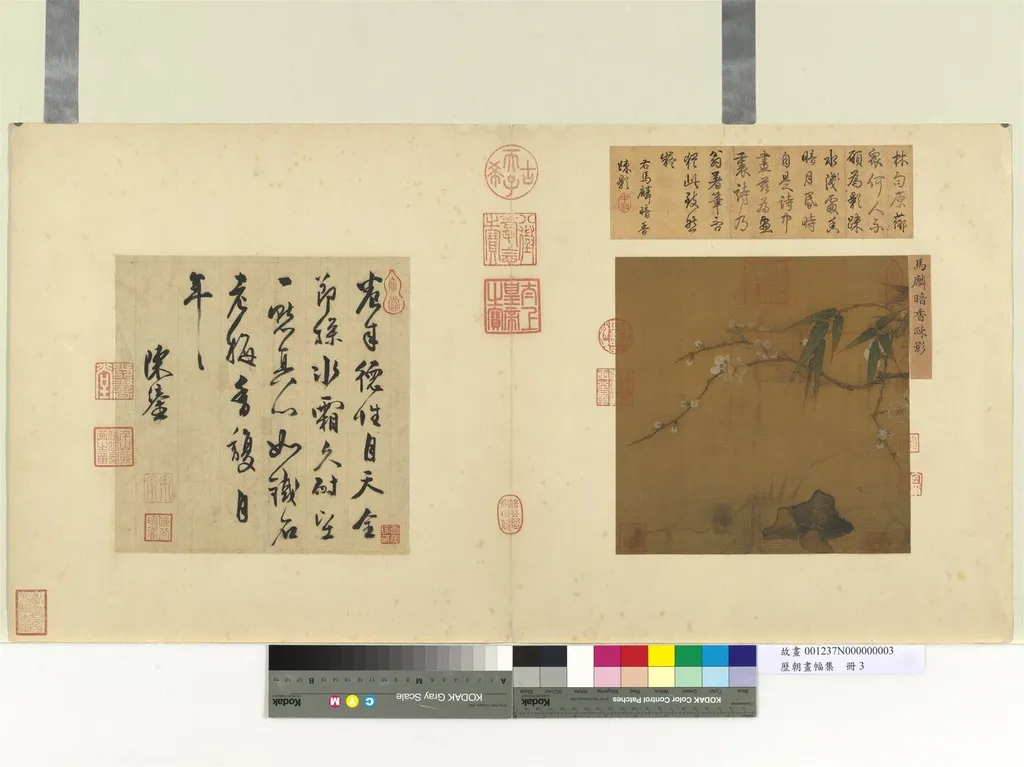
宋馬麟暗香疏影 is an unspecified painting by the Ming dynasty painting artist Ma Lin. It dates from 1127 and is held in the collection of the National Palace Museum.
About this work
Overview
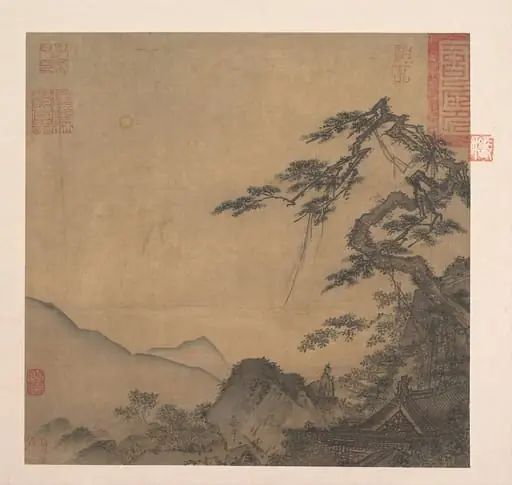
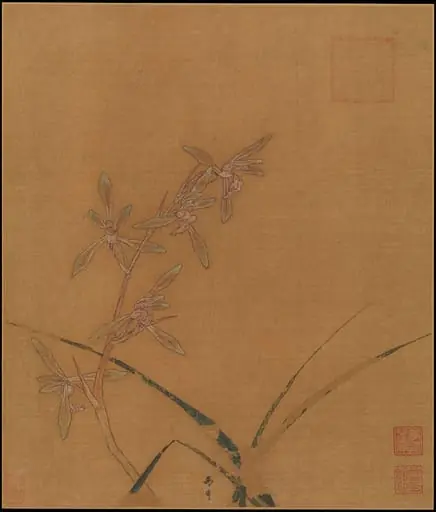
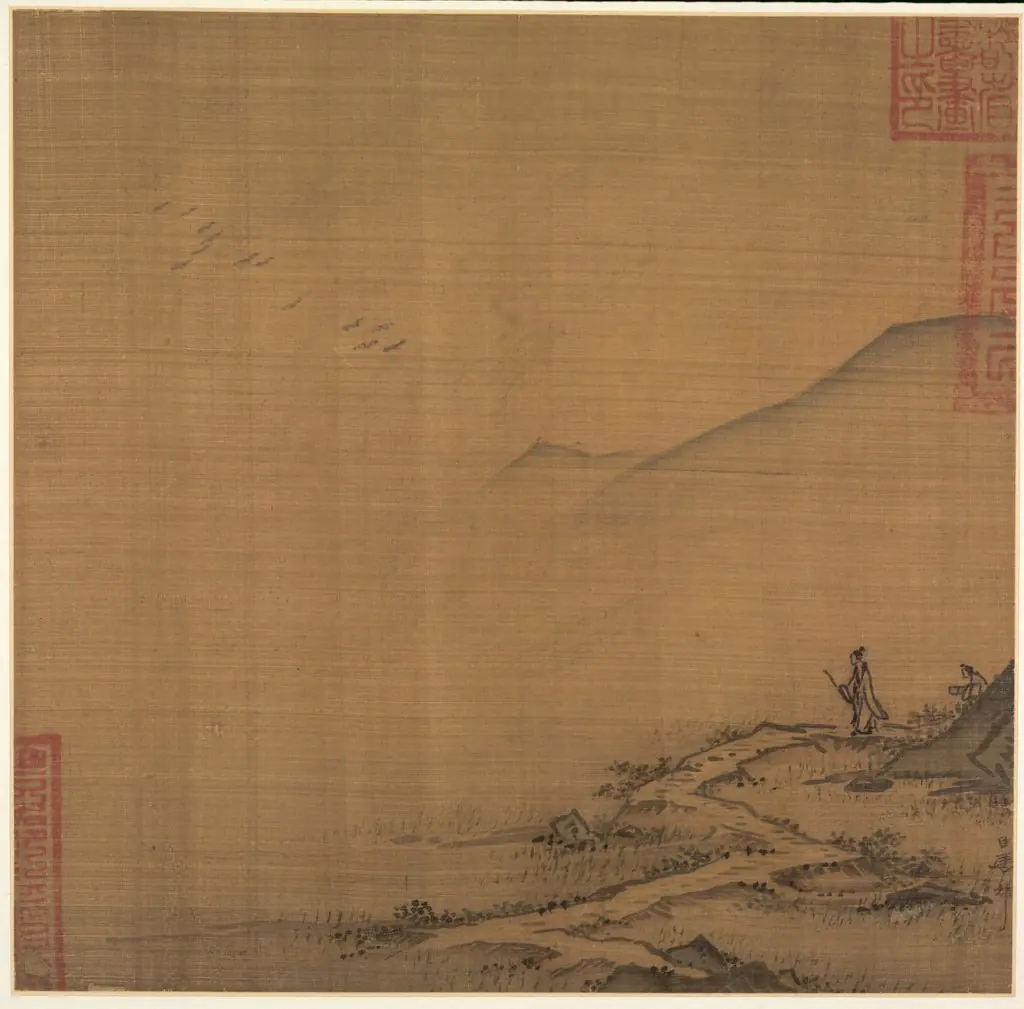
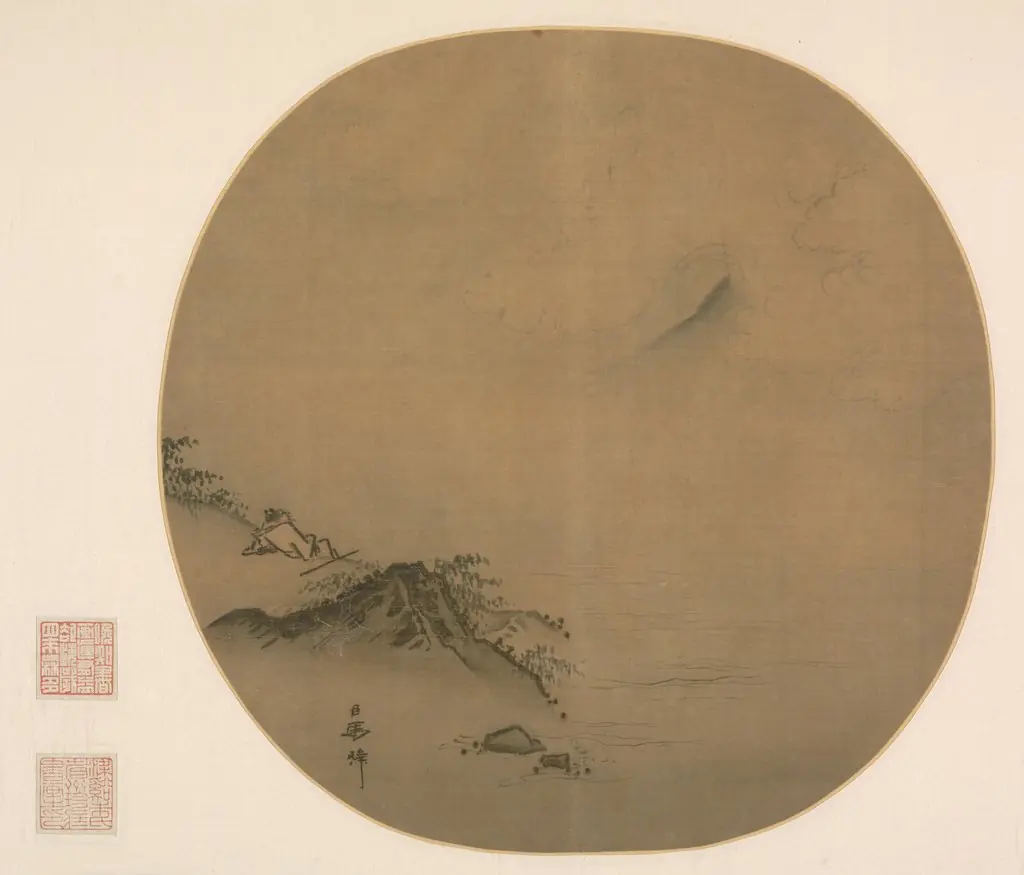
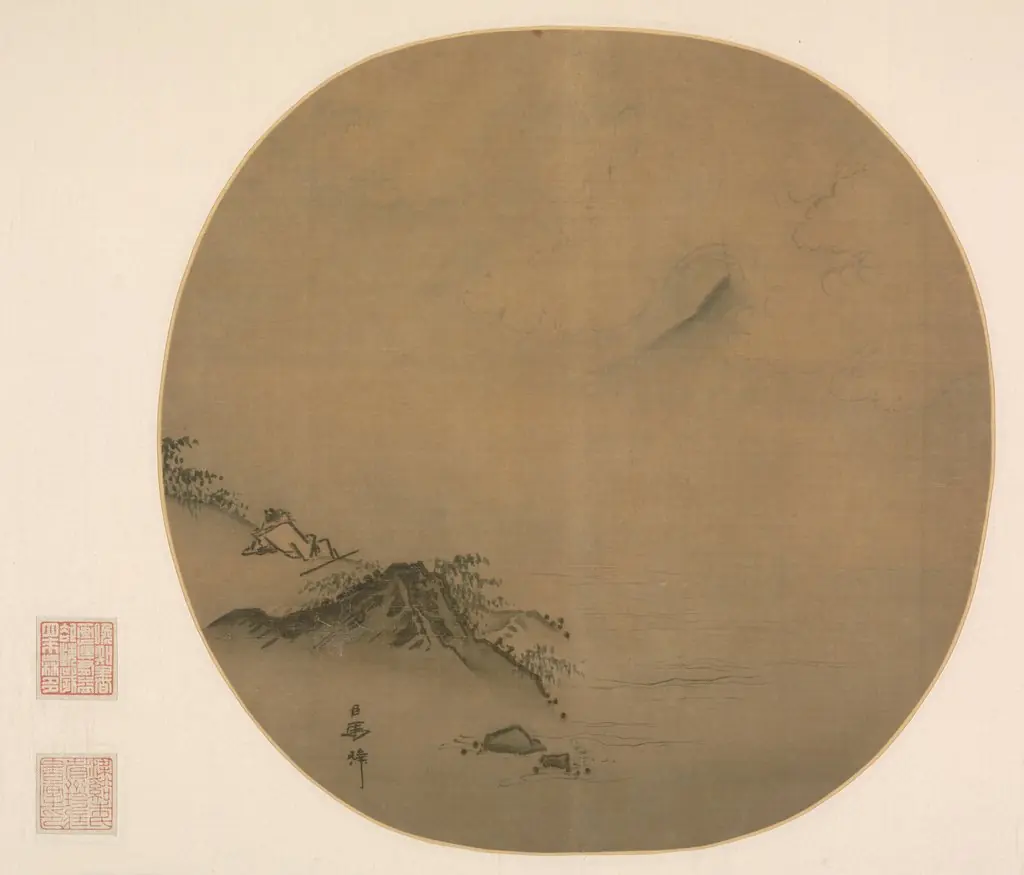
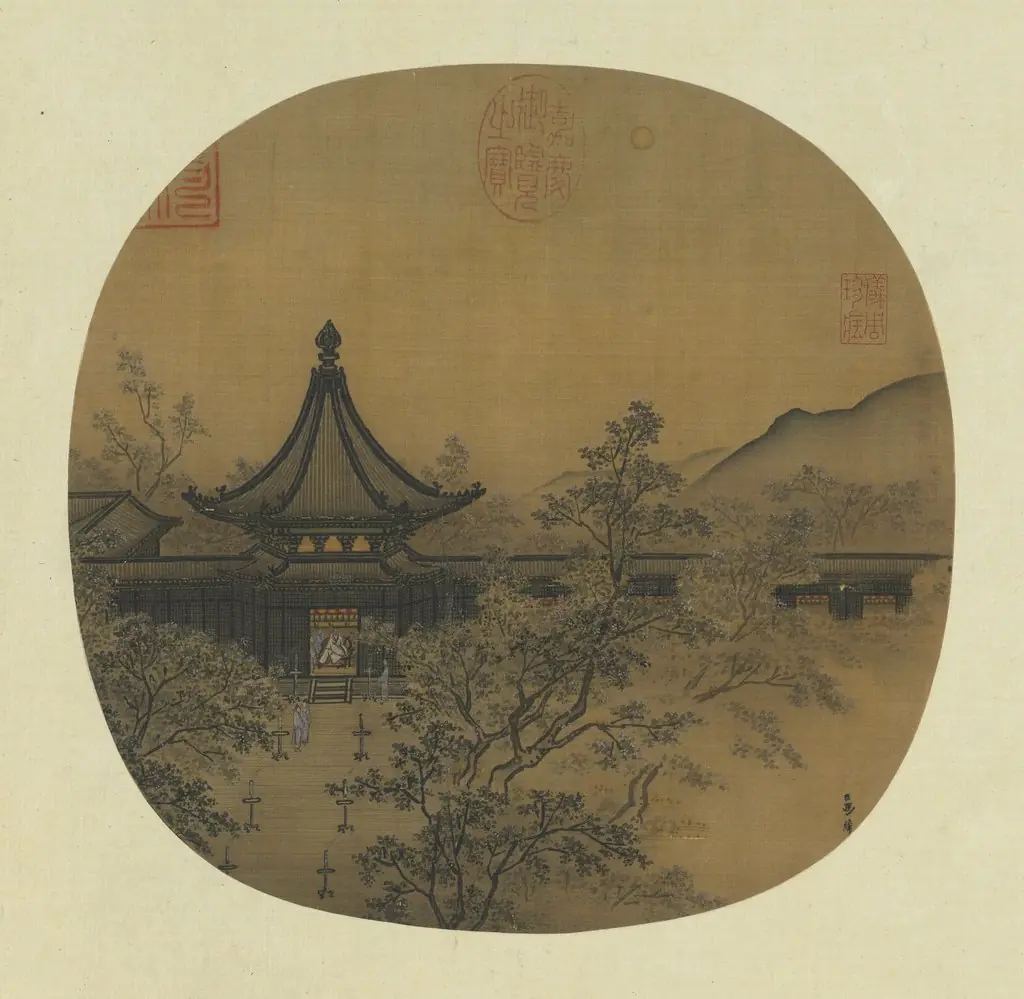
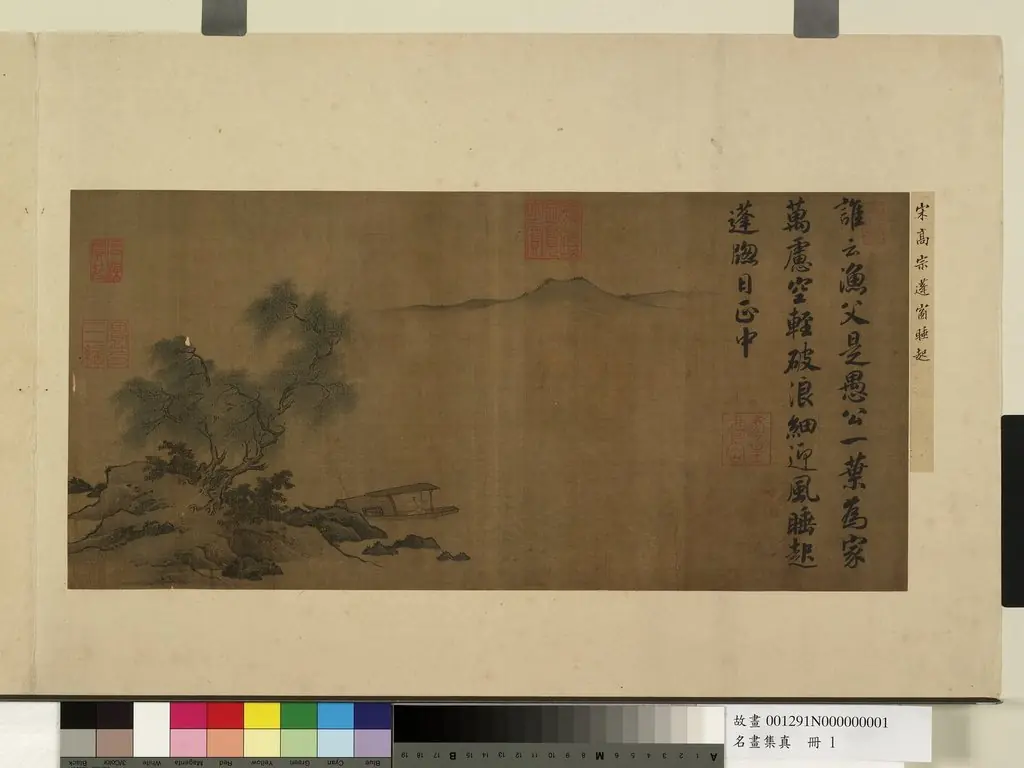
Created in 1127 by Ma Lin, a painter of the Southern Song court, this work is executed on silk with ink and subtle color. It combines calligraphy and imagery in a structured format, centered within a square composition. The piece is part of the National Palace Museum’s collection and reflects the refined aesthetic favored by imperial patrons during the early 12th century.
Subject & Meaning
The painting features plum blossoms and bamboo, traditional symbols in Chinese culture representing endurance and integrity. Plum blossoms, blooming in winter, suggest resilience, while bamboo, flexible yet unyielding, embodies moral steadfastness. Together, they form a quiet allegory of virtue, aligned with Confucian ideals valued in courtly circles.
Technique & Style
Rendered in fine brushwork with monochrome ink, the flora is rendered with delicate precision. The brown tones of the blossoms and stems contrast subtly against the beige silk, creating depth without color saturation. Calligraphy on the left is executed in black ink, its form balanced with the pictorial element on the right, demonstrating a harmonious integration of text and image.
History & Provenance
Commissioned during the Southern Song dynasty, the work passed through imperial collections and was later preserved in the National Palace Museum. Its surface bears multiple red seals, indicating ownership by emperors and connoisseurs across centuries. These stamps serve as historical markers, tracing its journey through elite hands since its creation.
Context
Ma Lin worked within a lineage of court painters, continuing the stylistic traditions of his father, Ma Yuan. This piece reflects the Southern Song preference for intimate, contemplative subjects, often confined to small formats suited for private viewing. The fusion of poetry, painting, and seal marks was a hallmark of literati-influenced court art of the period.
Legacy
The painting exemplifies the Southern Song synthesis of poetic imagery and refined technique. While not widely reproduced, it remains a key reference for scholars studying the evolution of ink painting in imperial China. Its preservation underscores the enduring value placed on such works within institutional and scholarly traditions.
Artist & collection

Artist
Ma Lin (simplified Chinese: 马麟; traditional Chinese: 馬麟; pinyin: Mǎ Lín; Wade–Giles: Ma Lin) (c.