Artwork
Spring Fragrance, Clearing After Rain
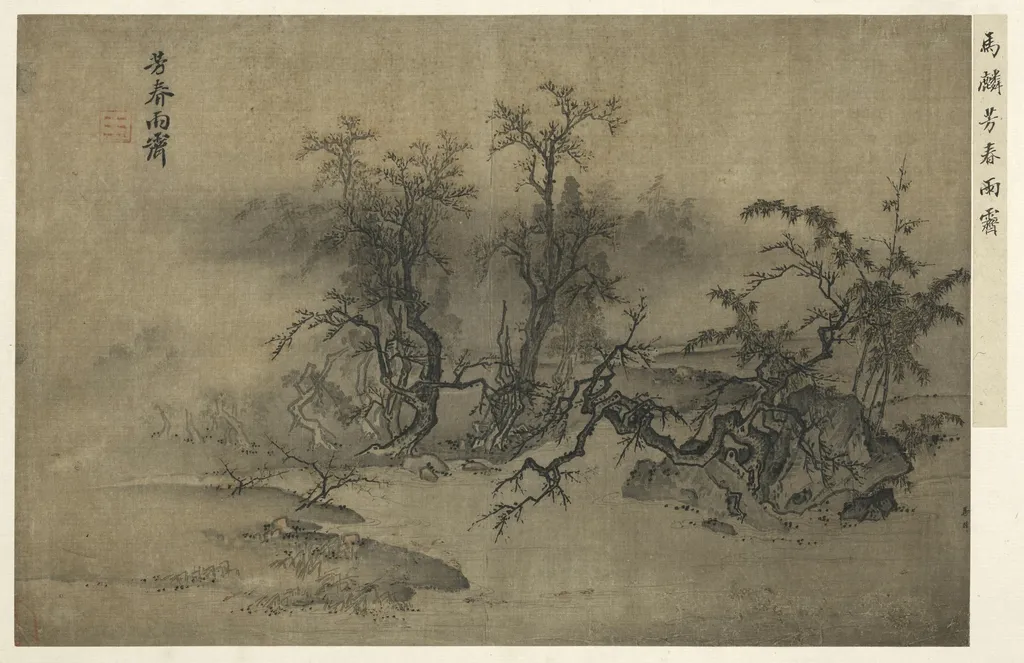
Spring Fragrance, Clearing After Rain is an unspecified painting by the Ming Painting artist Ma Lin. It dates from 1209 and is held in the collection of the National Palace Museum.
About this work
Overview
The use of silk as a support contributes to the painting’s subtle tonal transitions and delicate texture, typical of imperial studio practices of the era.
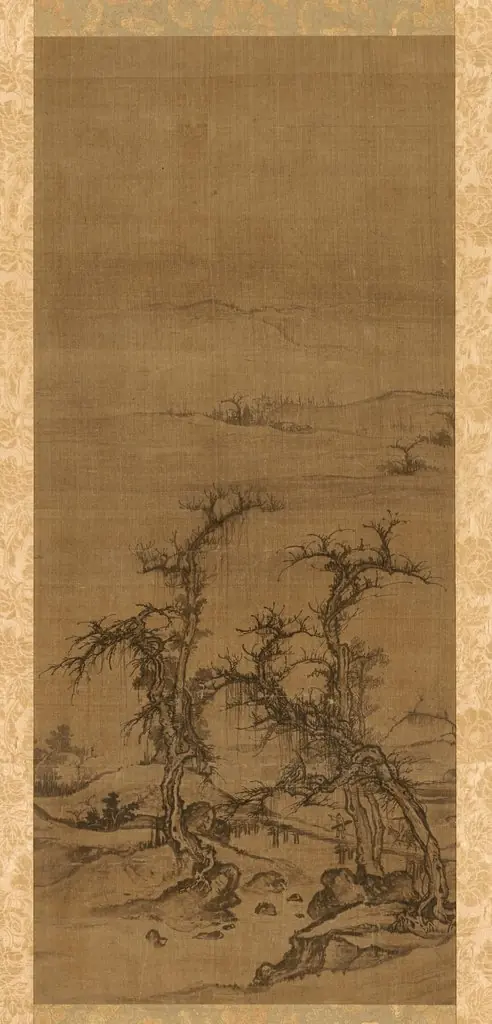
Painted in 1209 during the Southern Song dynasty, *Spring Fragrance, Clearing After Rain* is a silk painting by Ma Lin, a court artist and son of the painter Ma Yuan. Executed in the refined tradition of Southern Song landscape art, the work captures a quiet moment after rainfall, emphasizing atmosphere over narrative. The use of silk as a support contributes to the painting’s subtle tonal transitions and delicate texture, typical of imperial studio practices of the era.
Subject & Meaning
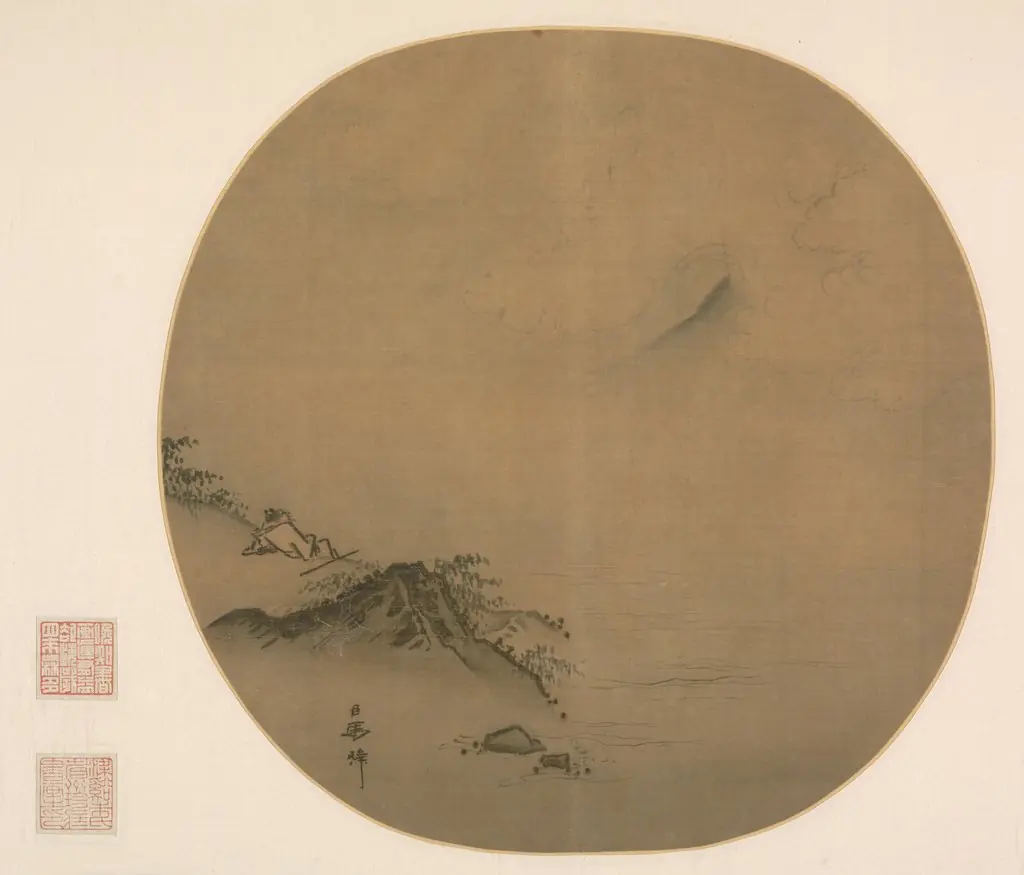
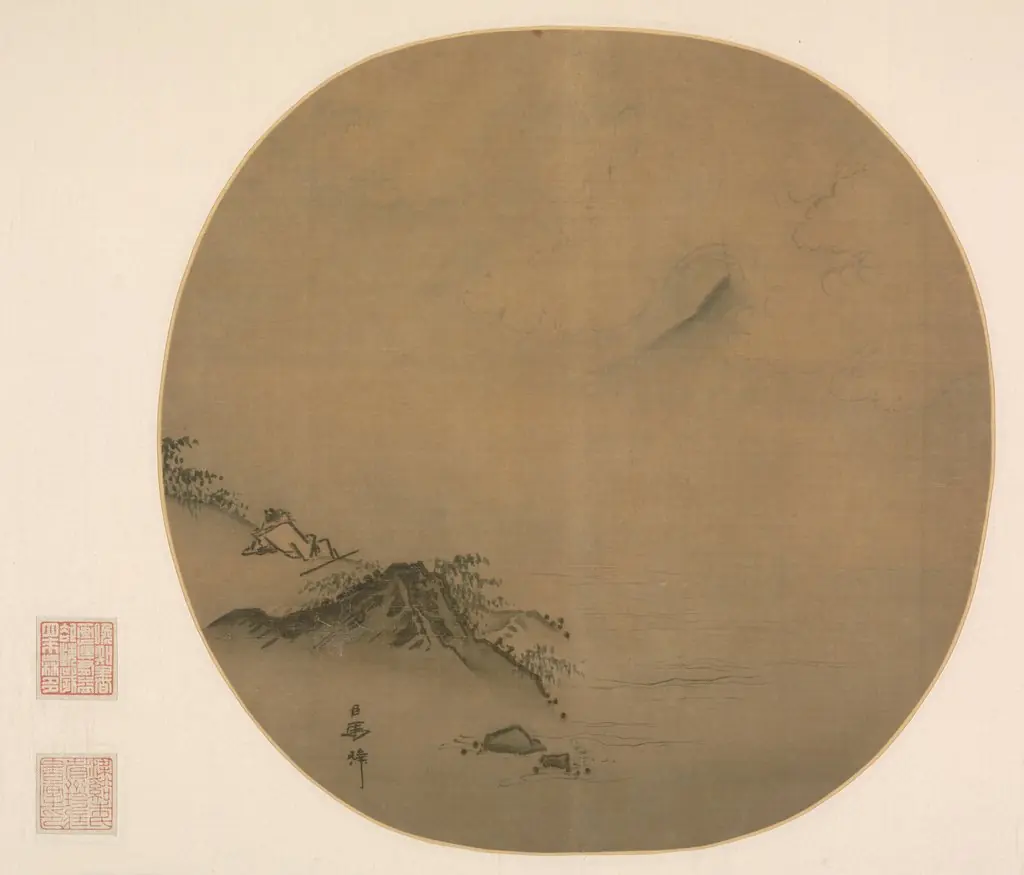
The scene portrays a mist-laden landscape with bare trees and weathered rocks in the foreground, softened by a hazy distance. Blossoms suggest the arrival of spring, while the lingering moisture implies renewal. There is no human presence, reinforcing a contemplative mood aligned with Daoist and Chan Buddhist ideals of harmony with nature. The title evokes sensory quietude—fragrance carried on damp air, the stillness after rain—as much as visual form.
Technique & Style
Ma Lin employed fine, controlled brushstrokes to suggest texture in bark, rock, and foliage, using ink washes to build gradations of gray and brown. Subtle hints of green in the leaves are applied sparingly, avoiding vibrancy in favor of restraint. The silk surface enhances the transparency of ink layers, allowing atmospheric depth to emerge through minimal means. Composition follows the Southern Song tradition of asymmetrical balance, guiding the eye through layered space with quiet precision.
History & Provenance
Created for the Southern Song imperial court, the painting reflects the artistic priorities of the early 13th-century palace studio. Ma Lin inherited his father Ma Yuan’s position and stylistic approach, continuing a lineage of court painters focused on lyrical landscapes. While its early ownership is undocumented, the work survived through imperial collections and later private holdings, entering institutional care in the 20th century as part of broader efforts to preserve Song-era art.
Context
During the Southern Song dynasty, after the loss of northern territories, court artists turned inward, favoring intimate, poetic landscapes over grand imperial narratives. Painting on silk remained a mark of elite patronage, and themes of nature’s transience resonated with the era’s political fragility. Ma Lin’s work aligns with this shift, embodying a quiet aesthetic that valued suggestion over statement, reflecting broader cultural values of restraint and introspection.
Legacy
Ma Lin’s paintings, including this one, exemplify the Southern Song aesthetic that influenced later Chinese and Japanese ink traditions. His restrained technique and emphasis on mood over detail became a model for generations of literati painters. Though less celebrated than his father, Ma Lin’s contributions helped define the poetic language of Chinese landscape painting, preserving a visual vocabulary centered on subtlety and natural harmony.
Artist & collection

Artist
Ma Lin (simplified Chinese: 马麟; traditional Chinese: 馬麟; pinyin: Mǎ Lín; Wade–Giles: Ma Lin) (c.

 Returning Peasants in a Spring Evening
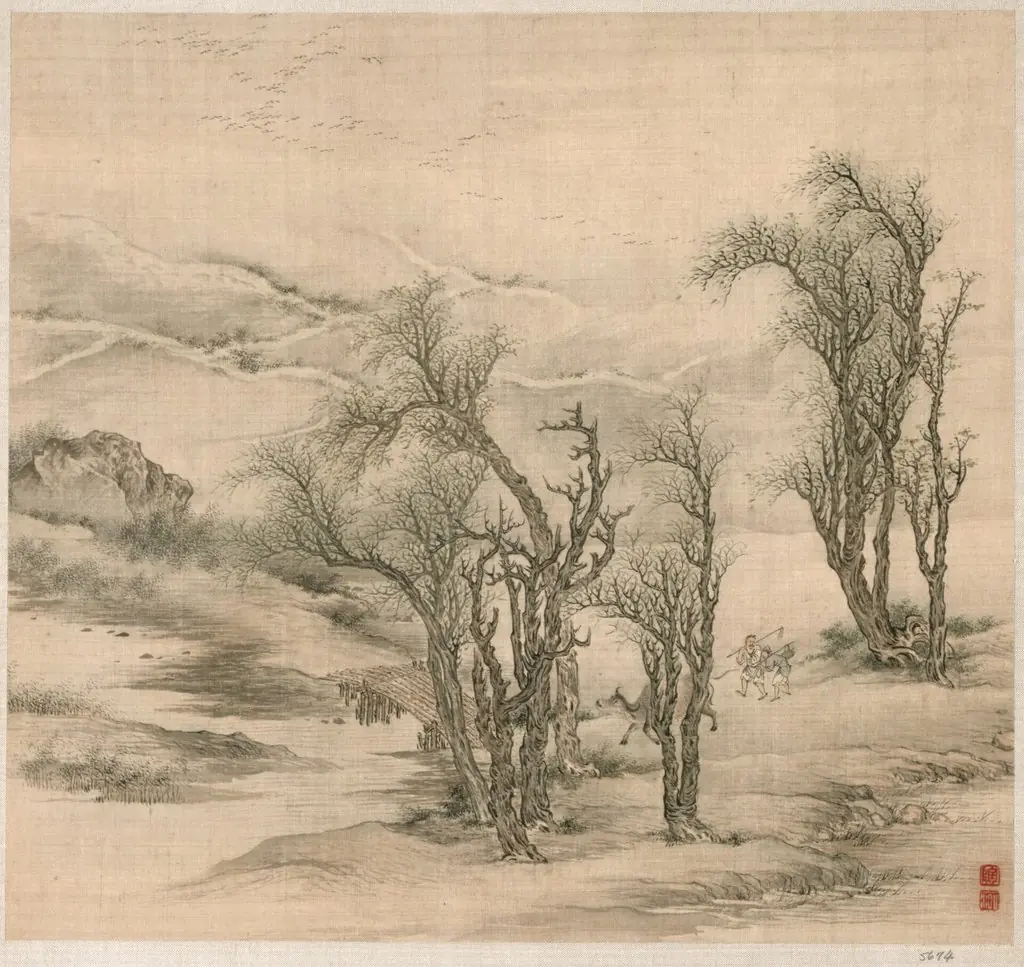 Returning Peasants in a Spring Evening
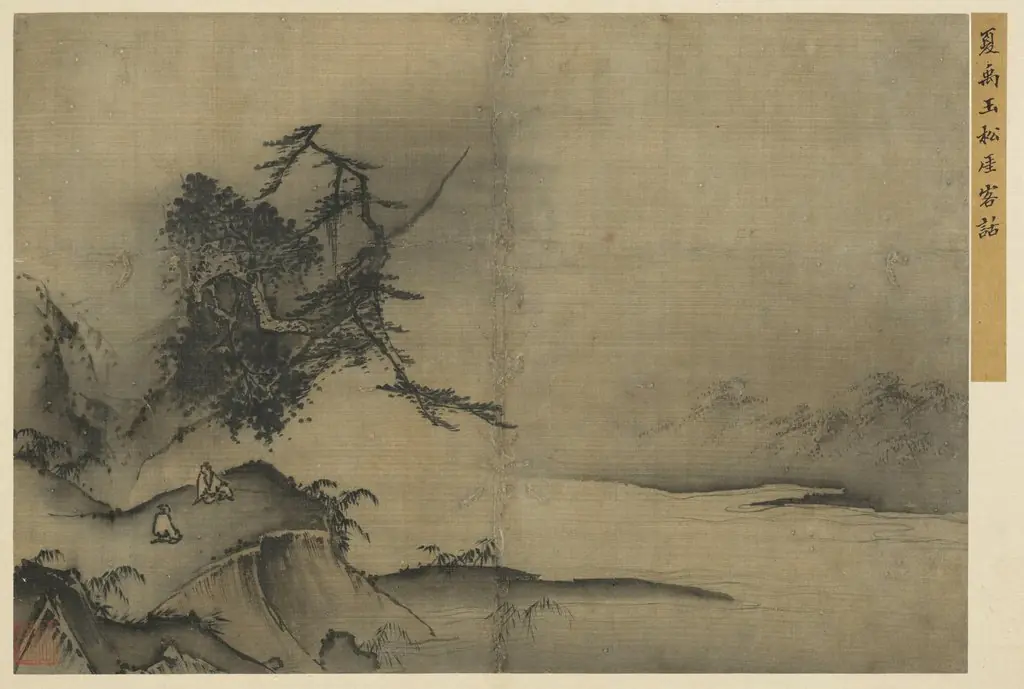 名繪集珍 冊 宋夏珪松厓客話
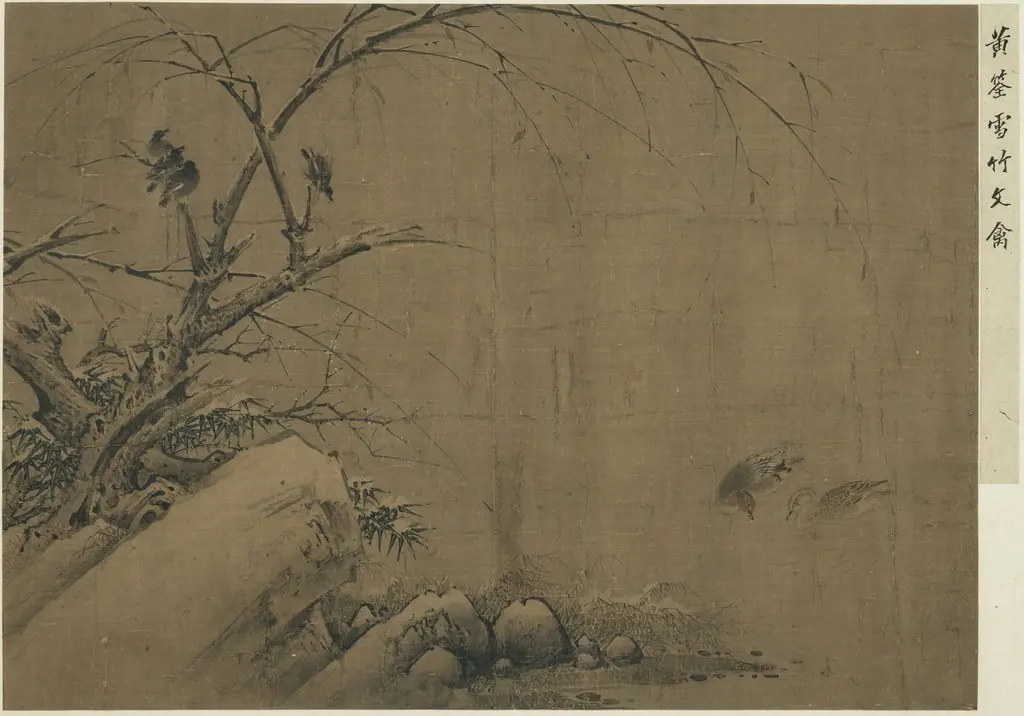 名繪集珍 冊 五代黃筌雪竹文禽
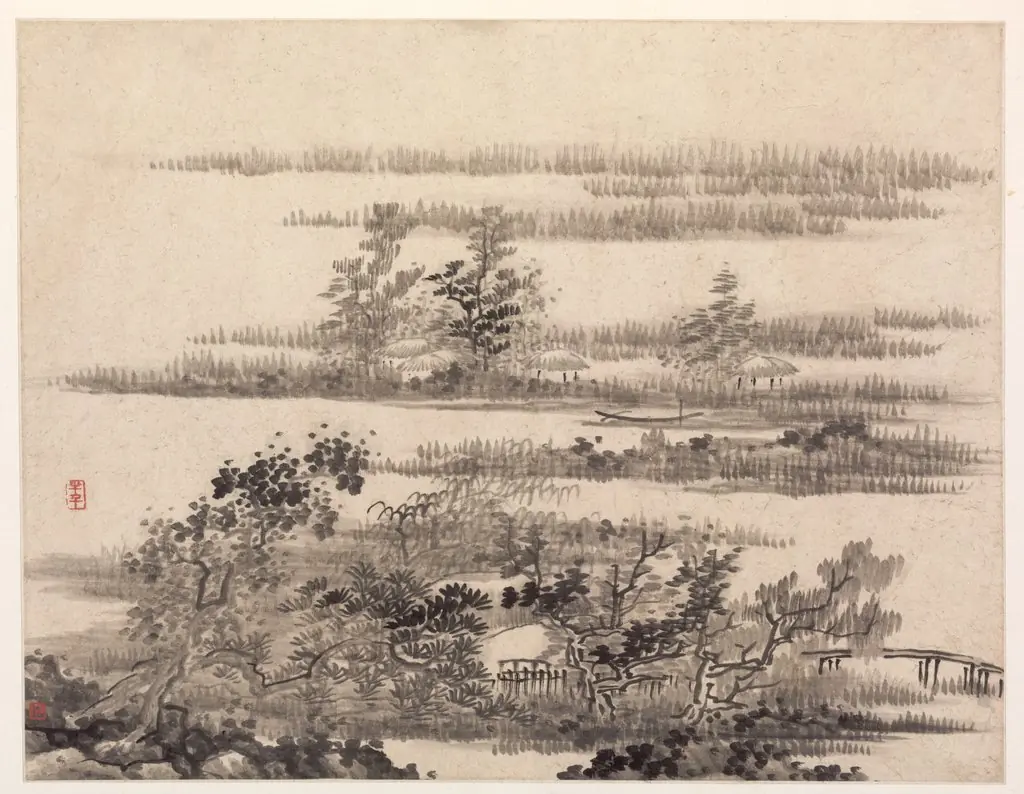 Summer in the Water Country
 Carrying a Qin on a Visit
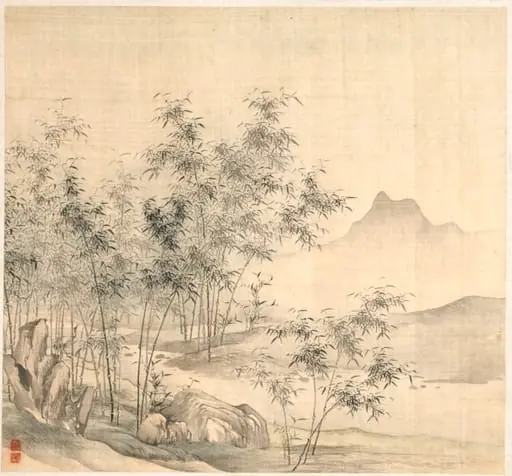 A Solitary Crane in the Bamboo Grove
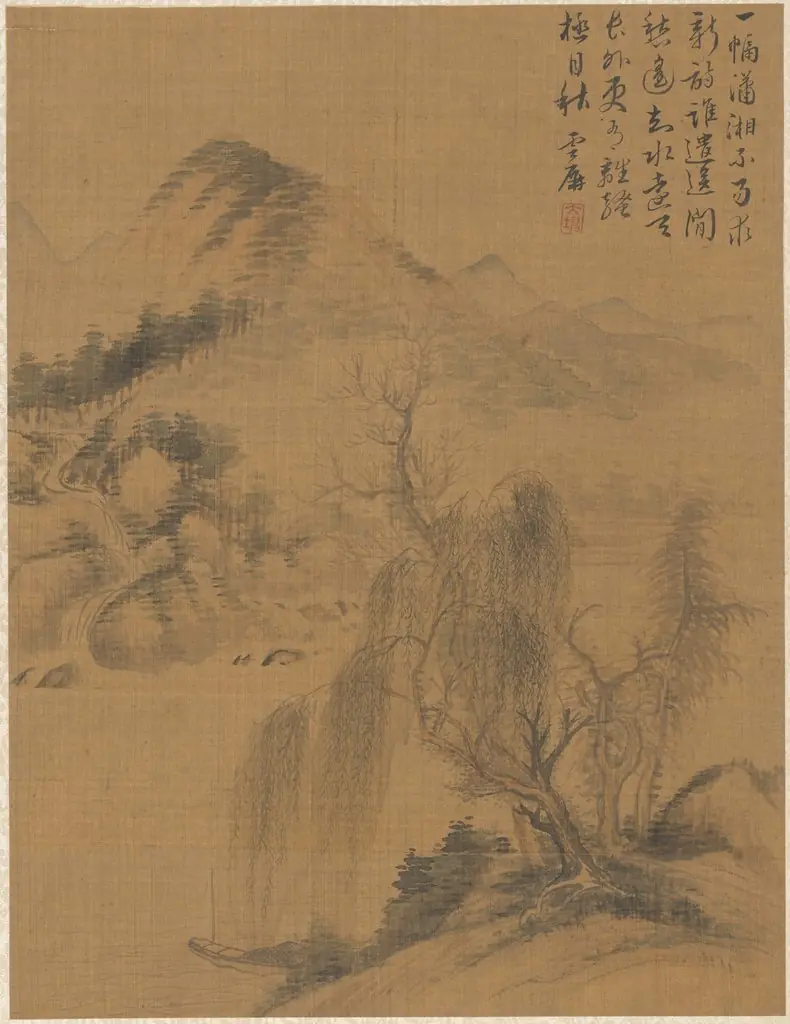 Landscape
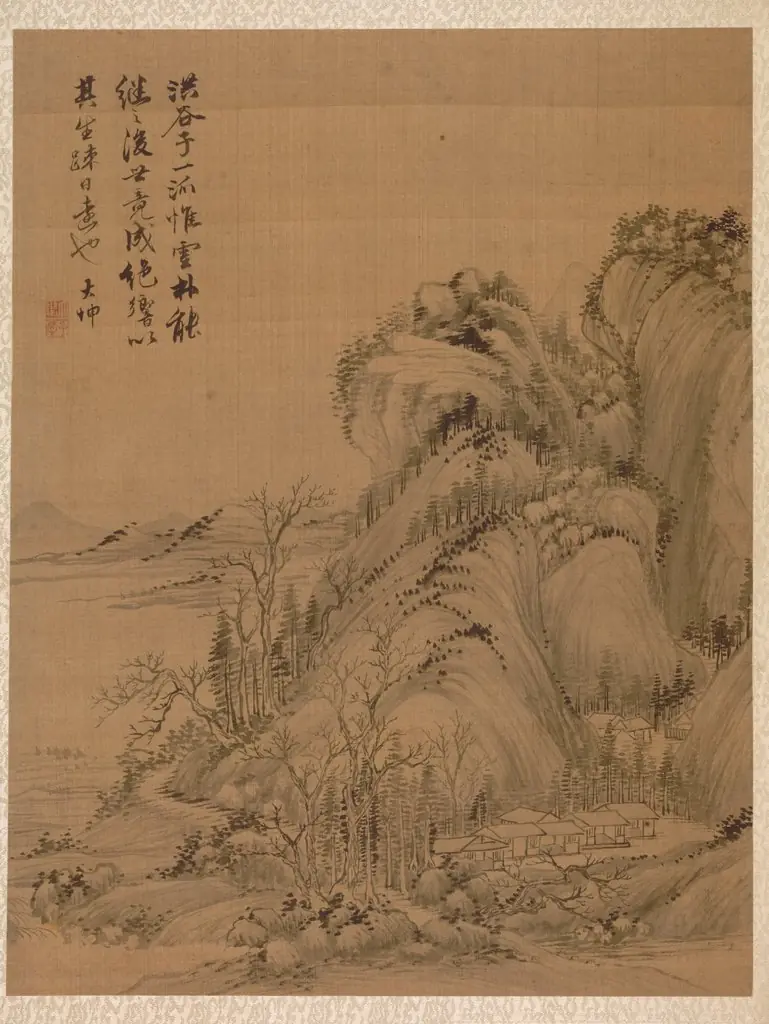 Landscape in the Style of Ching Hao
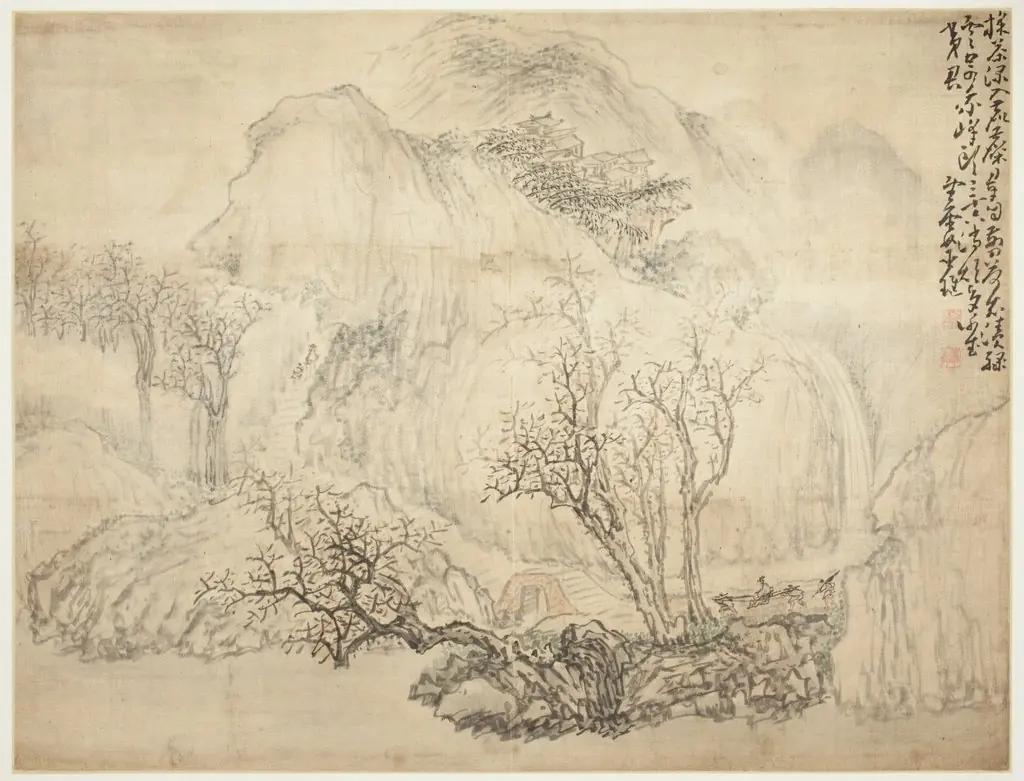 Landscapes and Figures: Landscape
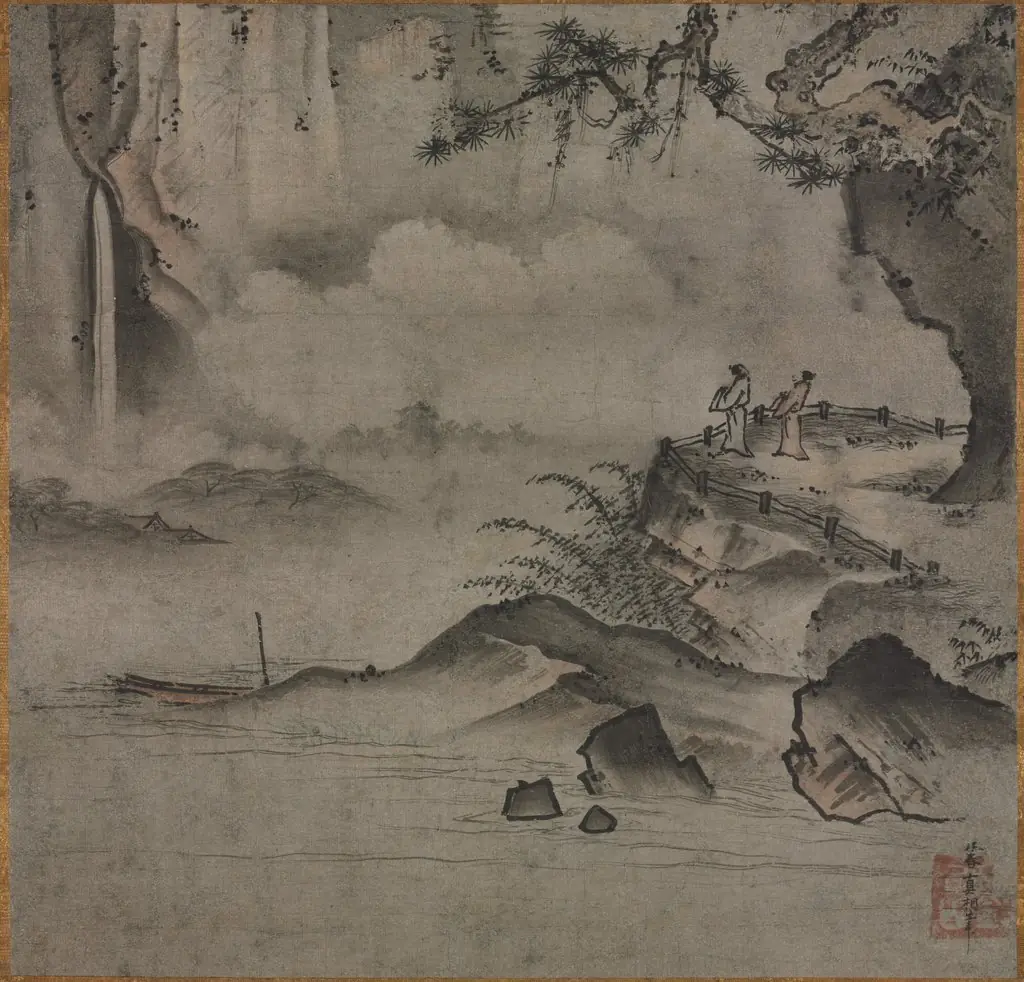 Gazing at a Waterfall
 Carrying a Qin on a Visit