Artwork
歷代集繪 冊 無款桃花
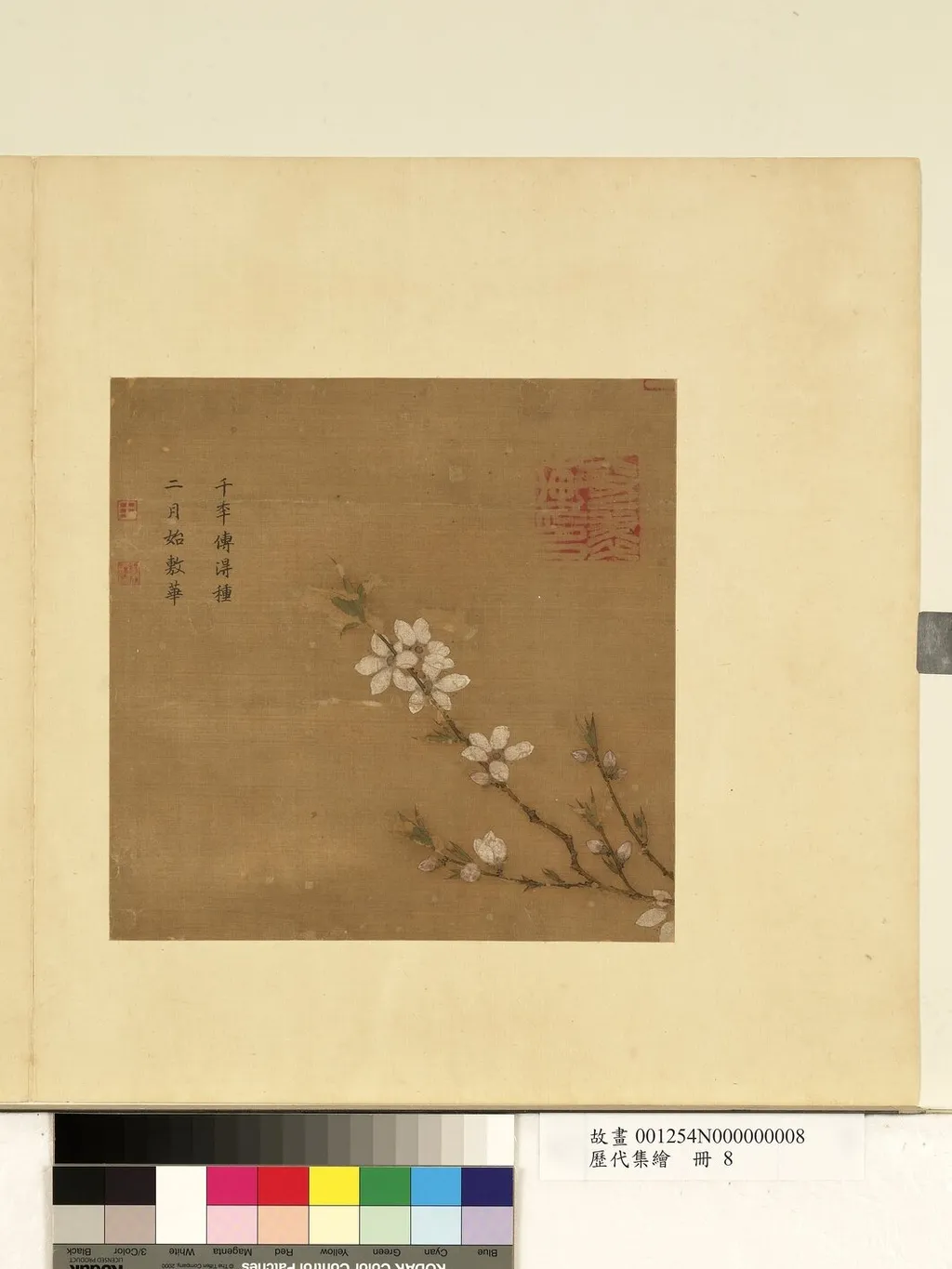
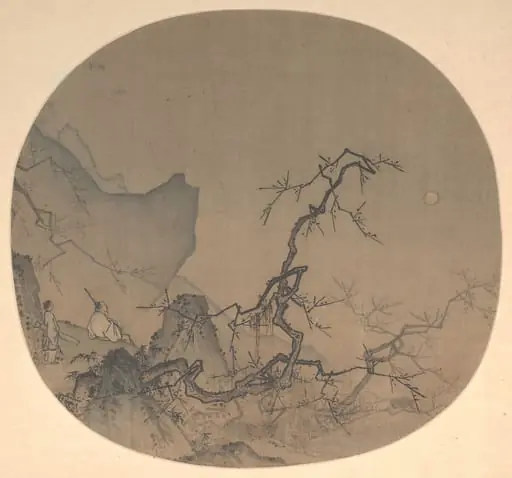
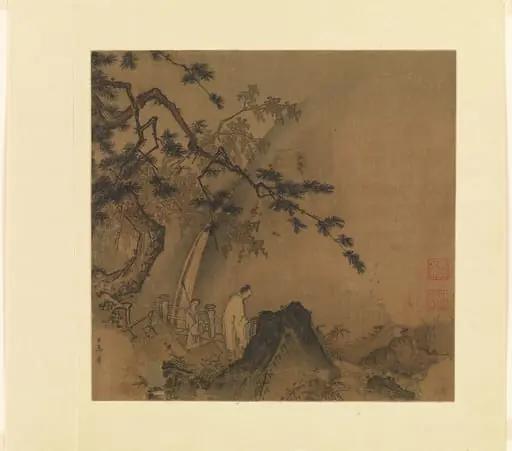
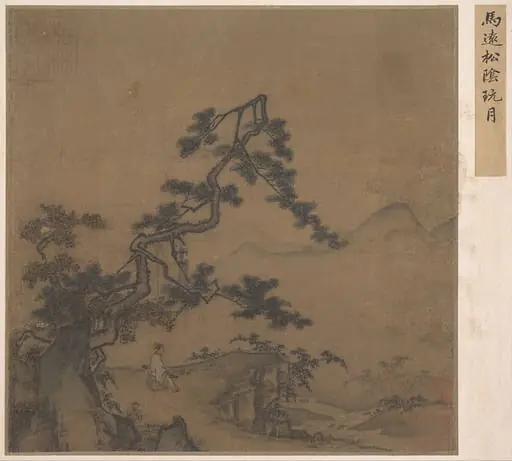
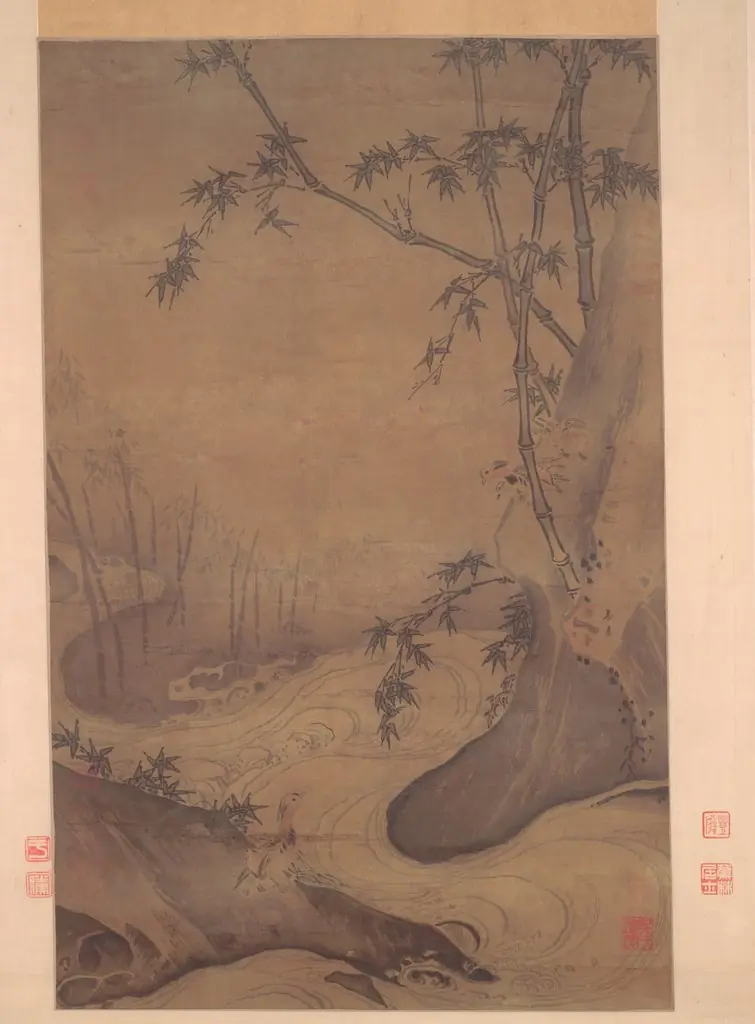
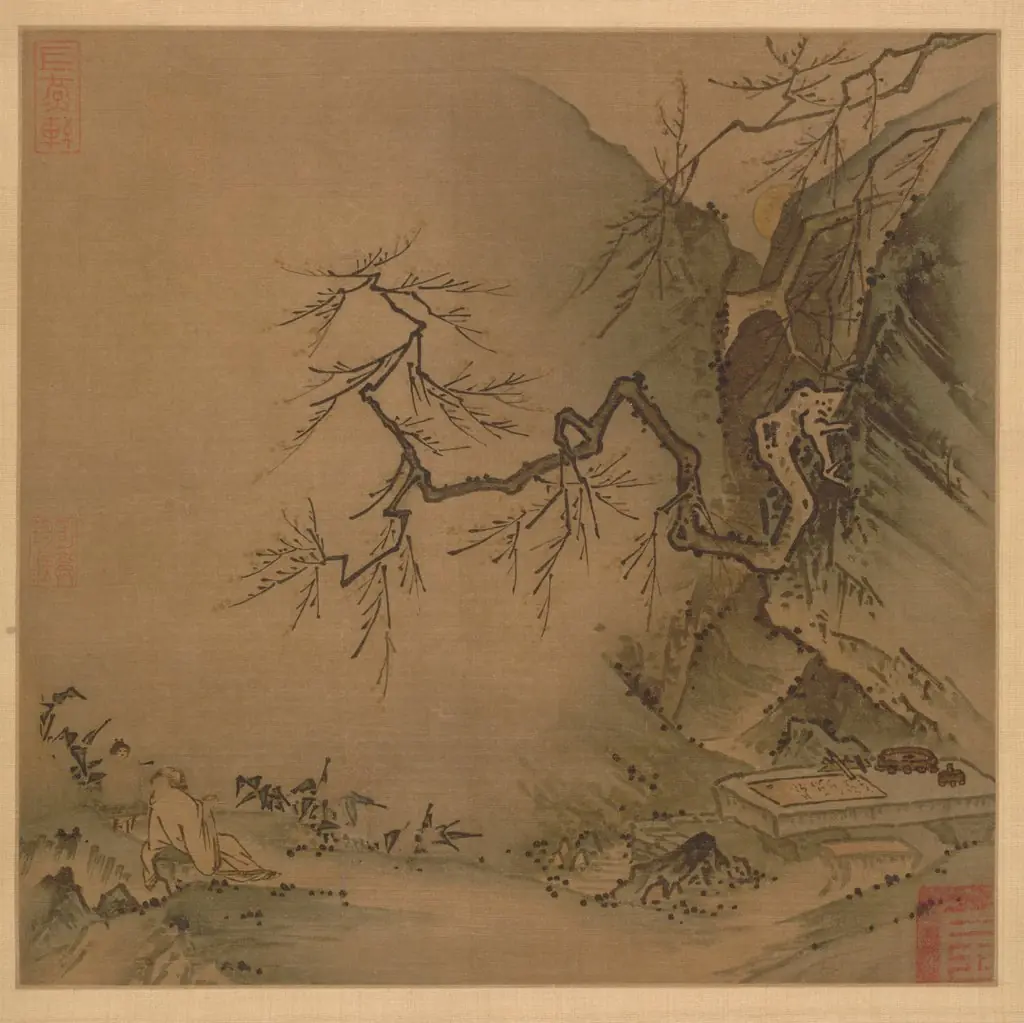
歷代集繪 冊 無款桃花 is an unspecified painting by the Song dynasty landscape artist Ma Yuan. It dates from 1109 and is held in the collection of the National Palace Museum.
About this work
Overview
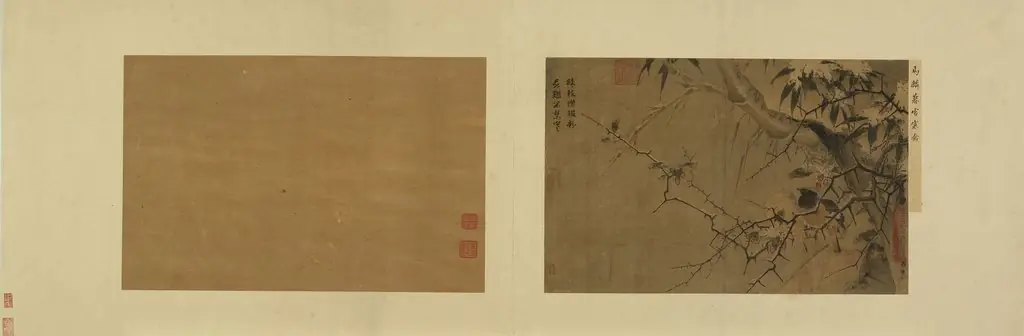
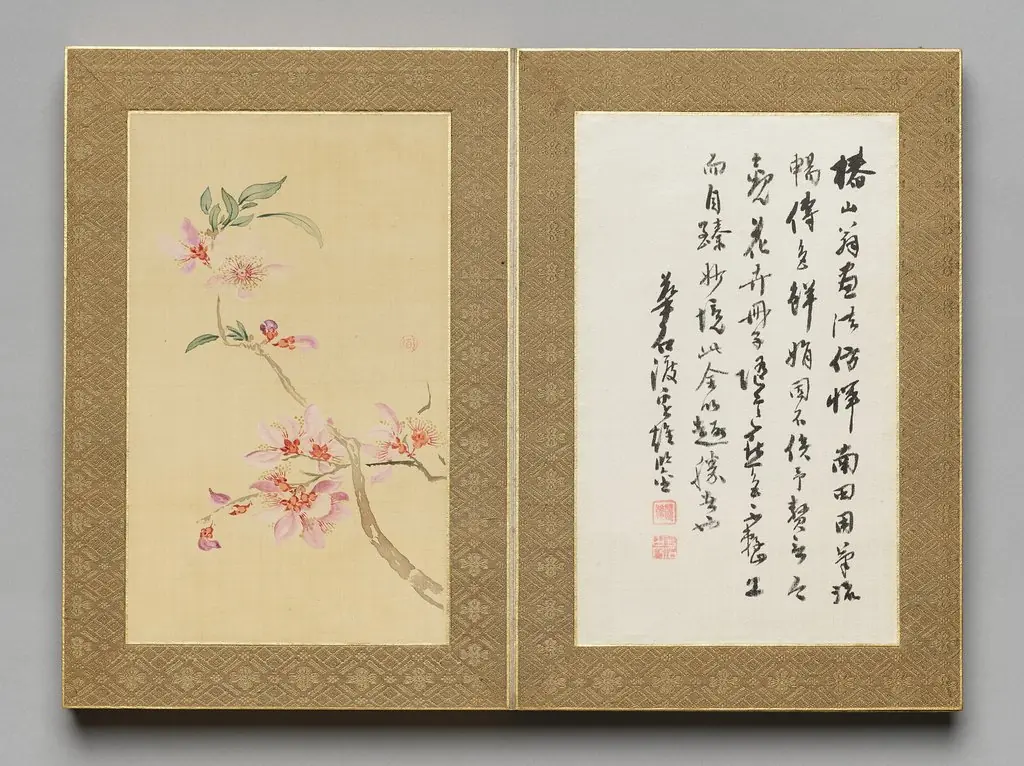
This silk album leaf, titled *Peach Blossoms in an Album of Paintings Through the Ages*, dates from 1109 and belongs to the Song dynasty tradition of landscape and flower painting. It is part of the National Palace Museum’s collection and exemplifies the refined aesthetic typical of courtly artworks of the period.
Subject & Meaning
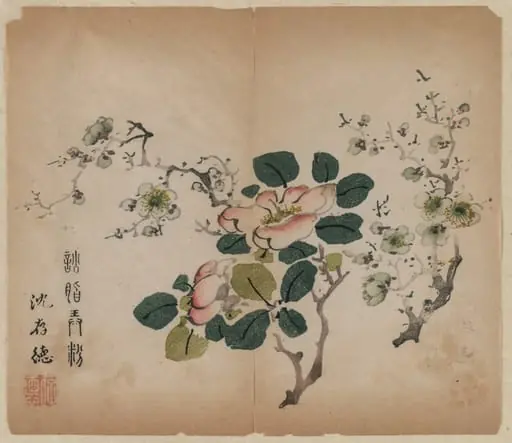
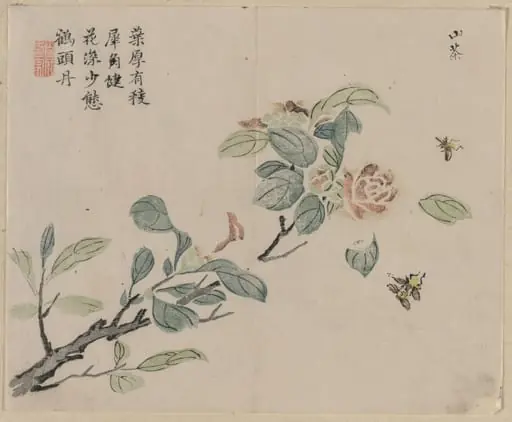
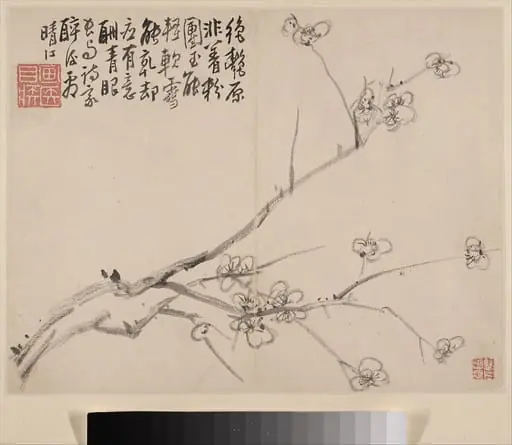
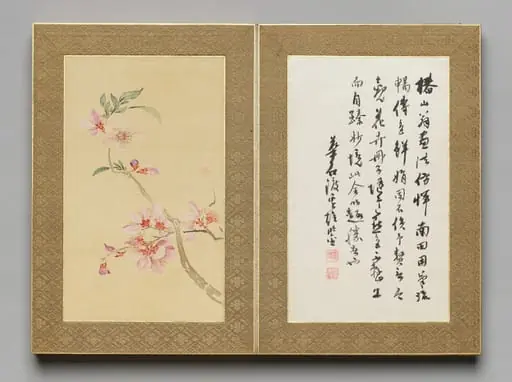
The composition centers on a single branch laden with white blossoms, rendered in a graceful curve that suggests both natural growth and poetic delicacy. The muted brown ground provides a subtle backdrop, allowing the fleeting beauty of the flowers to convey a sense of quiet contemplation.
Technique & Style
Executed on silk, the piece employs light, feathery brushwork to suggest the texture of petals and leaves. The artist’s use of soft, flowing lines and restrained color aligns with the Song dynasty’s emphasis on understated elegance and the Ma‑Xia school’s characteristic atmospheric effects.
History & Provenance
Although the work is attributed to the early 12th‑century tradition, it is associated with the later painter Ma Yuan (active c. 1160–1225), a leading figure of the Ma‑Xia school. The leaf has remained in imperial collections before entering the National Palace Museum, where it is displayed as part of the dynasty’s artistic legacy.
Context
During the Song era, album leaves served as portable collections of exemplary paintings, often compiled to illustrate the evolution of style. This piece reflects the period’s fascination with nature’s transient moments, integrating calligraphic inscriptions in the corner that further anchor it within scholarly and artistic practice.
Artist & collection

Artist
Ma Yuan (Chinese: 馬遠; pinyin: Mǎ Yuǎn; Wade–Giles: Ma Yüan; c. 1160–65 – 1225) was a Chinese painter of the Song dynasty. His works, together with that of Xia Gui, formed the basis of the so-called Ma-Xia (馬夏) school of…