Artwork
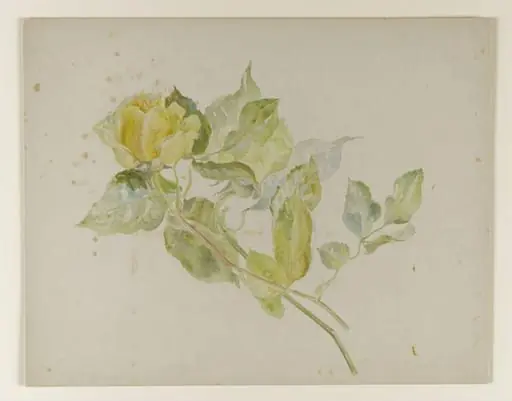
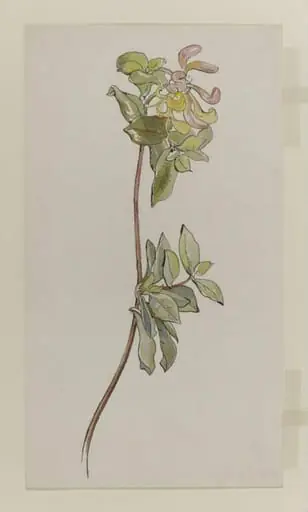
Yellow clover
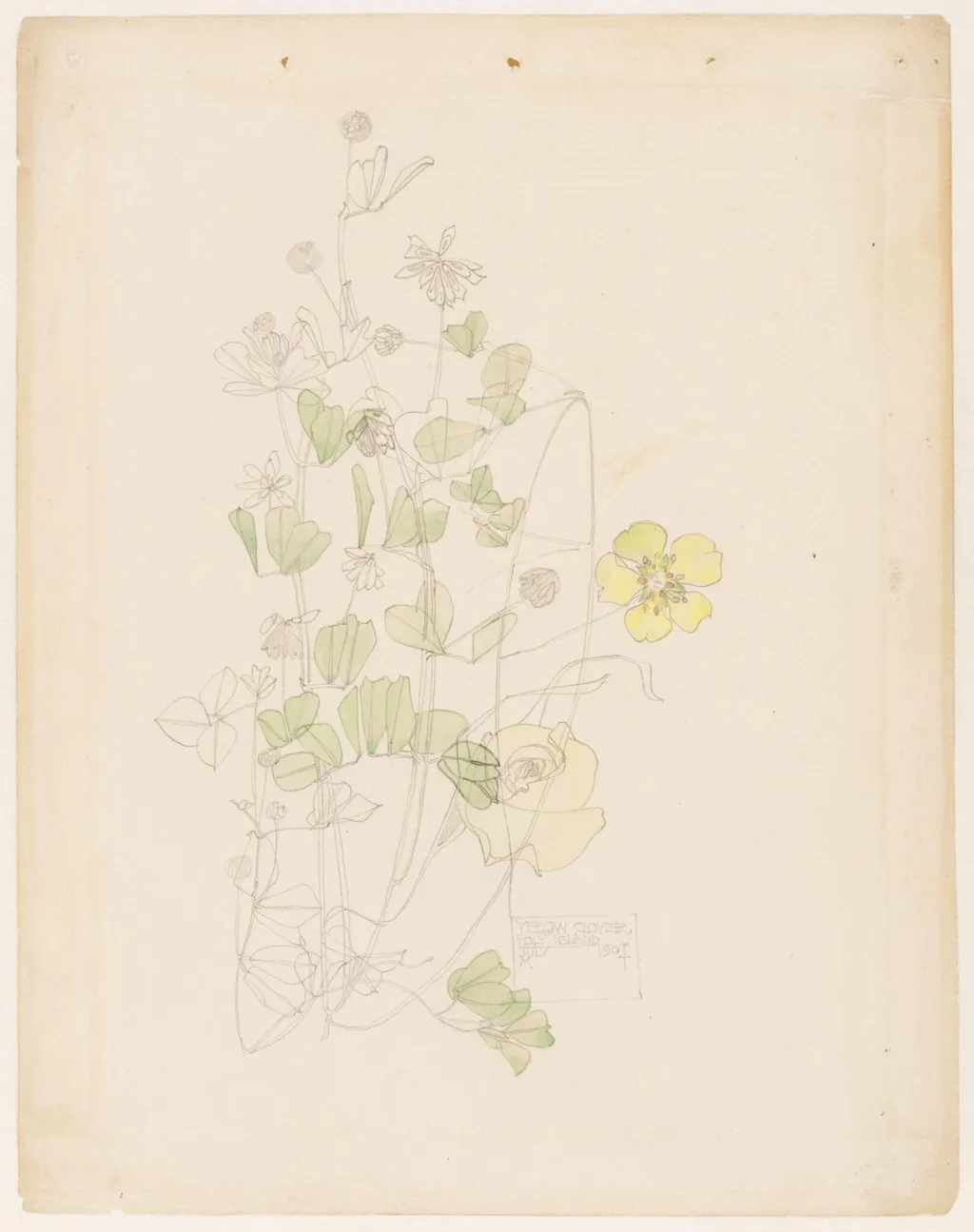
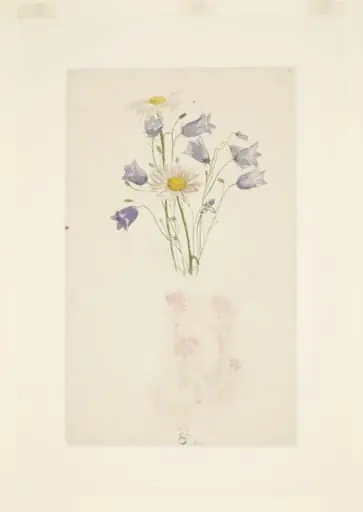
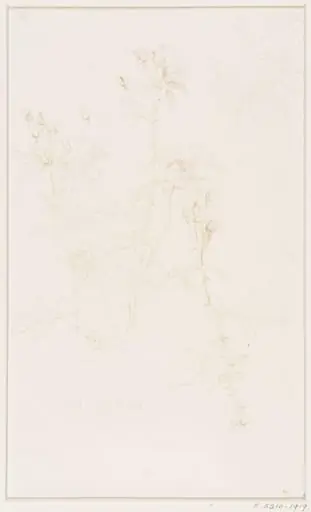
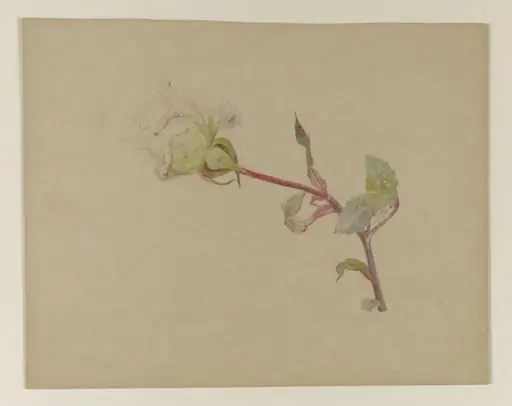
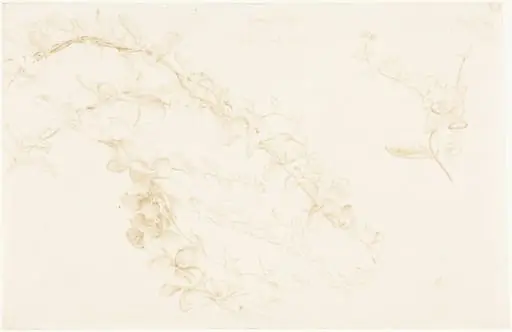
Yellow clover is a watercolor work on paper by the Post-Impressionist artist Charles Rennie Mackintosh. It dates from 1901 and is held in the collection of the Victoria and Albert Museum.
About this work
These detailed plant drawings were once key for artists and designers to learn from.
Charles Rennie Mackintosh painted *Yellow clover* in 1901 using watercolour. It’s a precise botanical study of a plant. These detailed plant drawings were once key for artists and designers to learn from.
Mackintosh is better known as an architect. But here he shows his sharp eye for natural shapes. This work comes from the year he shifted fully to painting.
Check out Mackintosh, Charles Rennie next.
Overview
Charles Rennie Mackintosh created this watercolour in 1901 as part of a series of botanical studies made during his holidays in England. Though best known for architecture, he turned increasingly to painting in his later years. These works reflect a disciplined engagement with natural forms, rooted in the tradition of scientific illustration but reinterpreted through his distinctive visual language.
Subject & Meaning
The painting depicts a single stem of yellow clover, rendered with quiet precision. Rather than idealizing the plant, Mackintosh captures its subtle asymmetry and delicate structure. The focus on an ordinary wildflower suggests an interest in the quiet beauty of the everyday, transforming a common botanical subject into a meditative study of form and line.
Technique & Style
Using watercolour, Mackintosh employed thin washes and fine, controlled lines to define the plant’s anatomy. The composition is sparse, avoiding decorative embellishment. His approach merges the accuracy expected of botanical illustration with the modernist tendency toward abstraction, reducing the subject to its essential contours while preserving its organic vitality.
History & Provenance
This work belongs to a group of botanical studies Mackintosh produced between 1901 and the early 1910s, marking his transition from architectural design to fine art. Created during periods of personal retreat, these drawings were not intended for public display but served as private exercises in observation. They remained largely unseen until after his death.
Context
In early 20th-century art education, detailed botanical drawing was a foundational skill for designers, training the eye in structure and proportion. Mackintosh, trained in architecture, adhered to this tradition but pushed it toward minimalism. His studies reflect a broader shift in European art toward simplification and abstraction, anticipating movements like Expressionism and Modernism.
Legacy
Though overshadowed by his architectural achievements, Mackintosh’s botanical works reveal the depth of his observational skill and his quiet innovation. They demonstrate how traditional disciplines could be reimagined through a modern sensibility. Today, these watercolours are valued as intimate documents of an artist’s evolving vision beyond built form.
Artist & collection
Artist
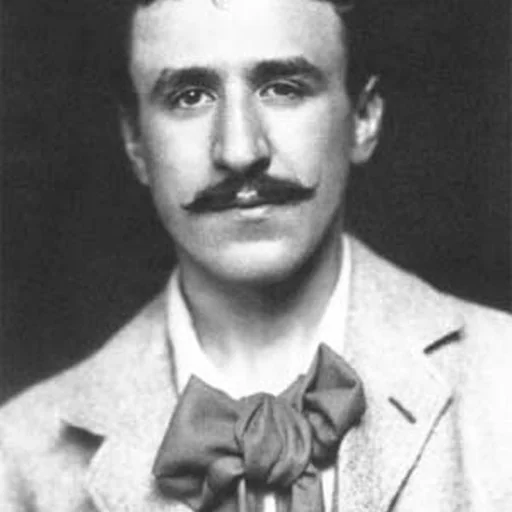
Charles Rennie Mackintosh (7 June 1868 – 10 December 1928) was a Scottish architect, designer, water colourist and artist.