Artwork
In front of the graveyard, sketch
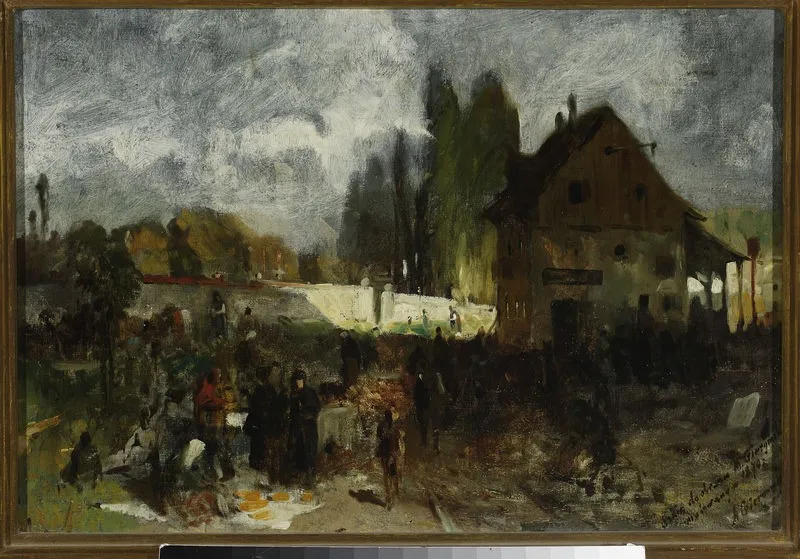
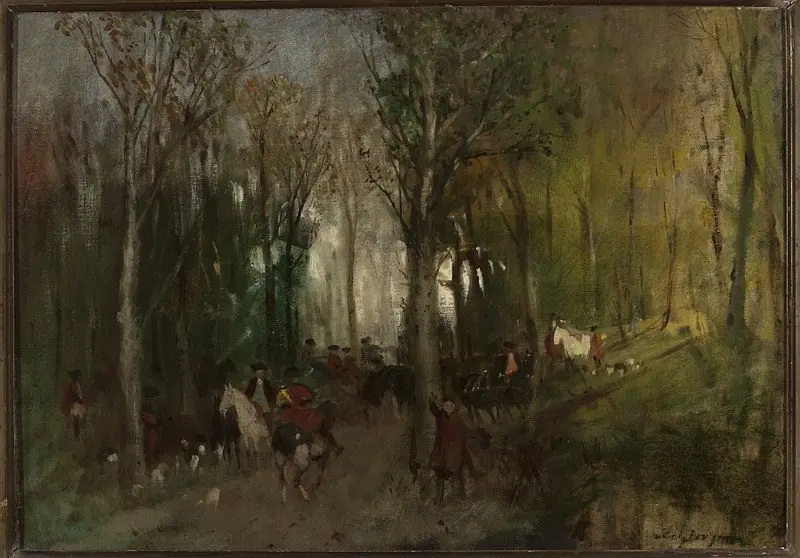
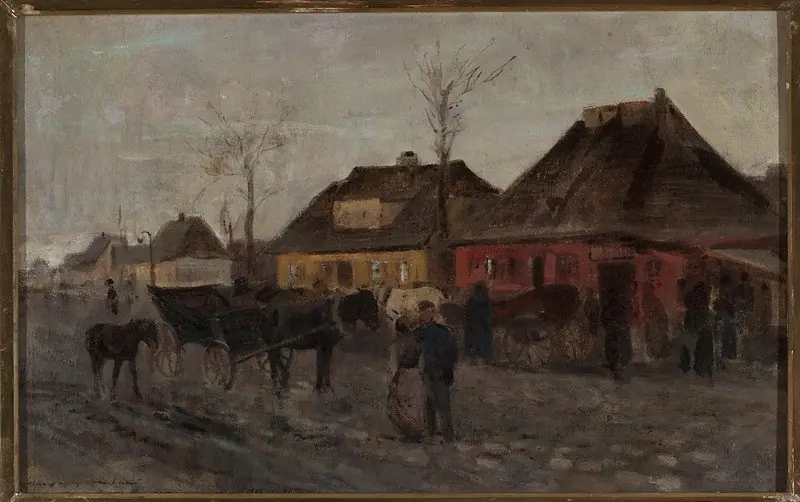
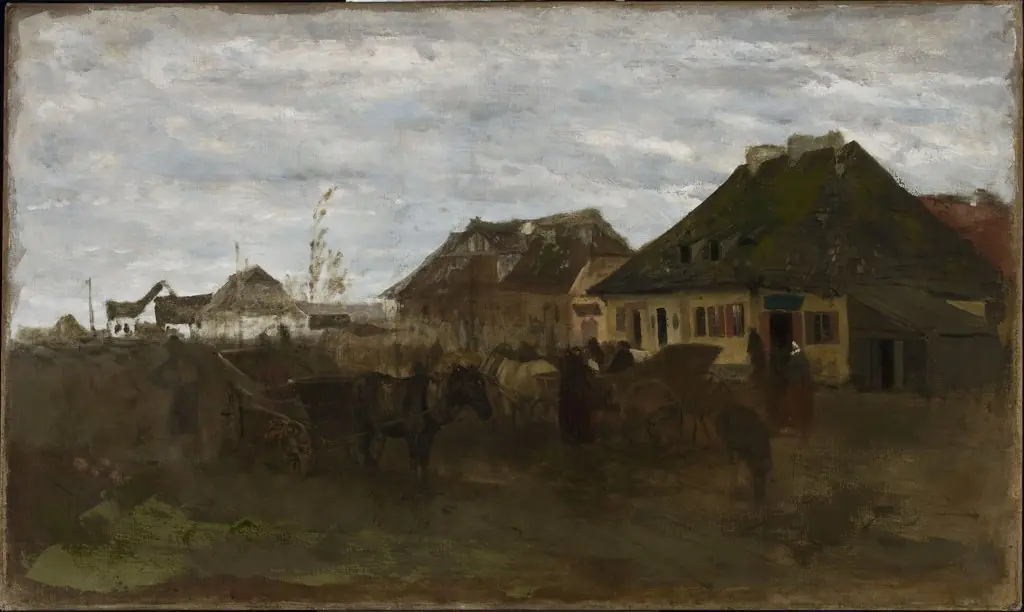
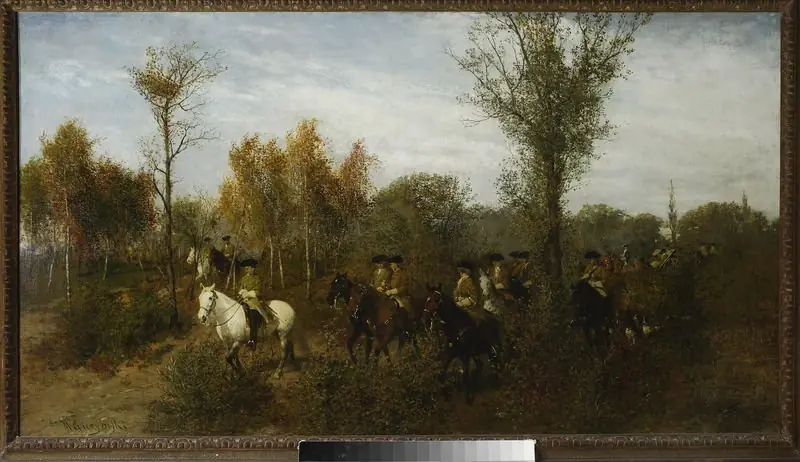
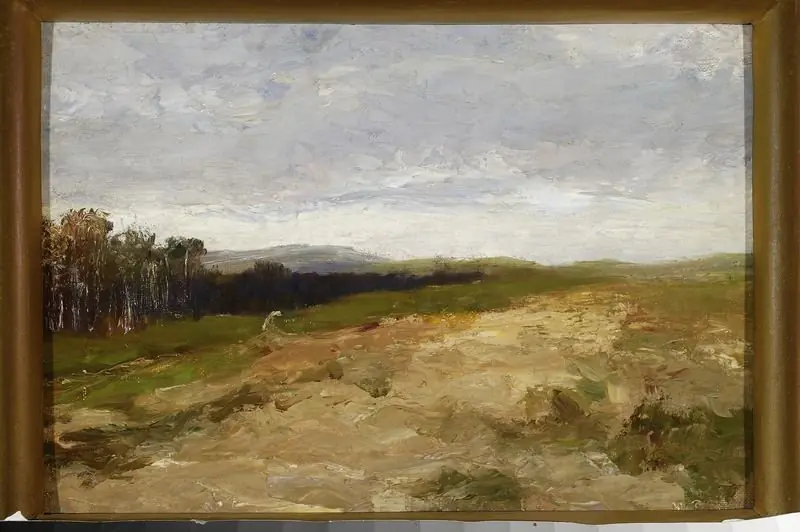
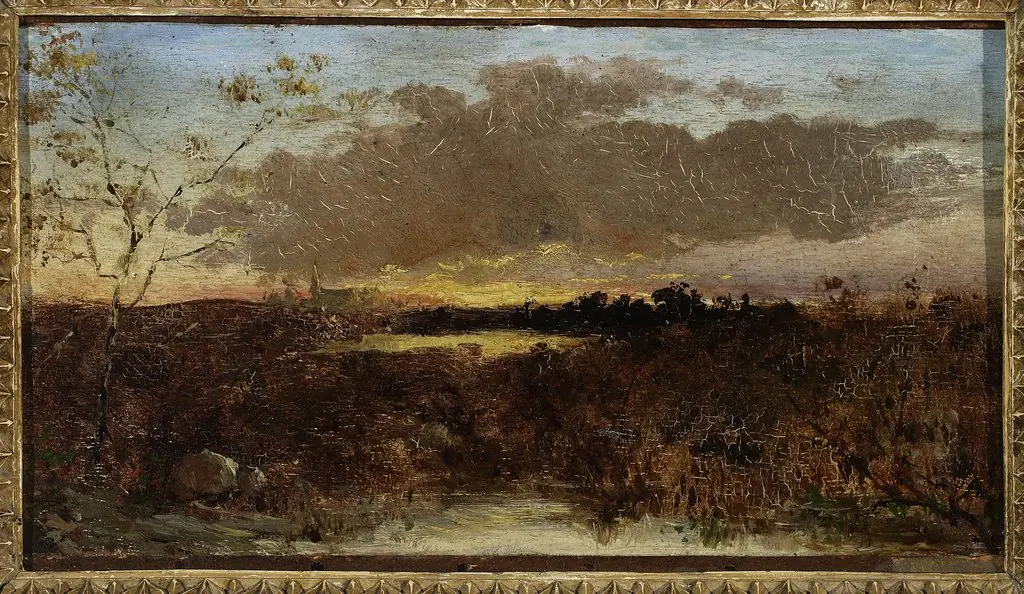
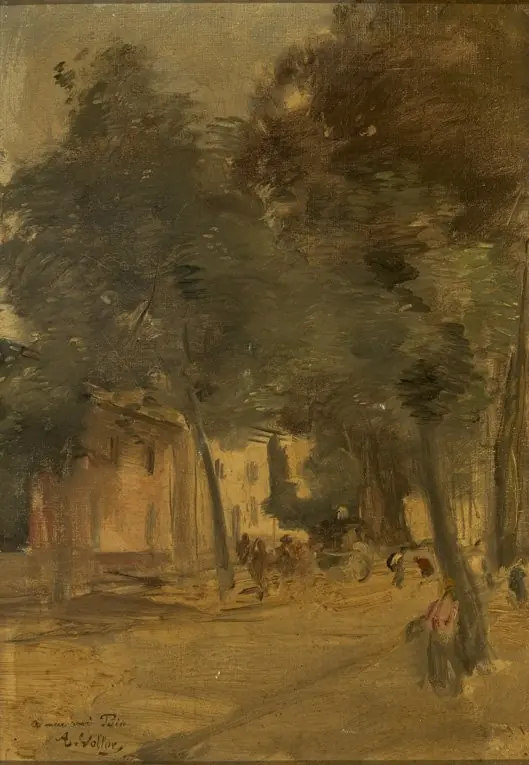
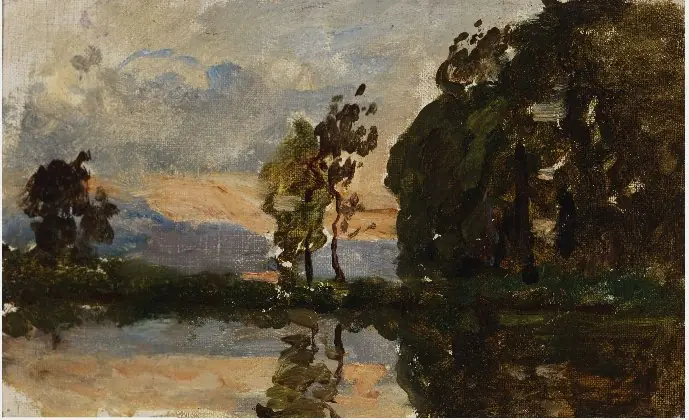
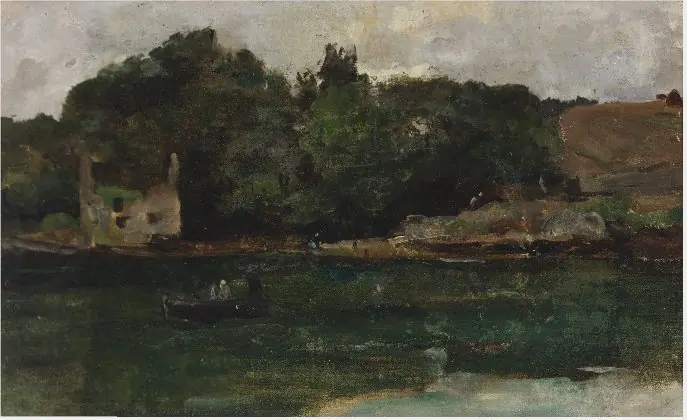
In front of the graveyard, sketch is an oil painting by the Realist artist Maksymilian Gierymski. It dates from 1870 and is held in the collection of the National Museum in Warsaw.
About this work
Overview
It reflects his engagement with realism and captures a quiet, observational moment rather than a dramatic narrative.
Painted in 1870, *In front of the graveyard, sketch* is an oil work by Polish artist Maksymilian Gierymski. It reflects his engagement with realism and captures a quiet, observational moment rather than a dramatic narrative. The piece is part of the National Museum in Warsaw’s collection and represents a shift in Gierymski’s focus from military subjects to more contemplative landscapes and scenes of everyday life.
Subject & Meaning
The painting depicts a somber, unadorned view near a cemetery, likely in rural Poland. There are no figures in motion, no overt symbolism—only the quiet presence of graves and the surrounding terrain. The mood is restrained, suggesting reflection on mortality and the passage of time, consistent with Gierymski’s interest in unembellished, truthful representation of the natural world.
Technique & Style
Gierymski employed a muted palette and loose, direct brushwork typical of the Munich realism school. The composition avoids idealization, favoring atmospheric depth and subtle tonal variations. The sketch-like quality suggests spontaneity, as if the scene was recorded quickly on-site, reinforcing the artist’s commitment to capturing transient, authentic moments rather than staged compositions.
History & Provenance
Gierymski received a government scholarship in 1867 to study at the Academy of Fine Arts in Munich, where he developed his realist approach. After early recognition for battle scenes, he increasingly turned to landscape and genre subjects. *In front of the graveyard, sketch* was likely painted during this transitional phase. It entered the National Museum in Warsaw’s collection in the late 19th or early 20th century, preserving its connection to Polish artistic heritage.
Context
In the late 1860s and 1870s, Polish artists abroad, particularly in Munich, sought to define a national identity through secular, non-romanticized imagery. Gierymski’s focus on ordinary landscapes and burial grounds aligned with broader European realist trends, rejecting historical grandeur in favor of quiet, local truths. His work contributed to a growing movement that valued observation over narrative.
Legacy
Though less known than his brother Aleksander, Maksymilian Gierymski’s sketches and paintings helped broaden Polish realism beyond political or historical themes. His emphasis on atmosphere and understated emotion influenced later generations of Polish landscape painters. *In front of the graveyard, sketch* remains a quiet testament to his dedication to truthful, unadorned observation.
Artist & collection
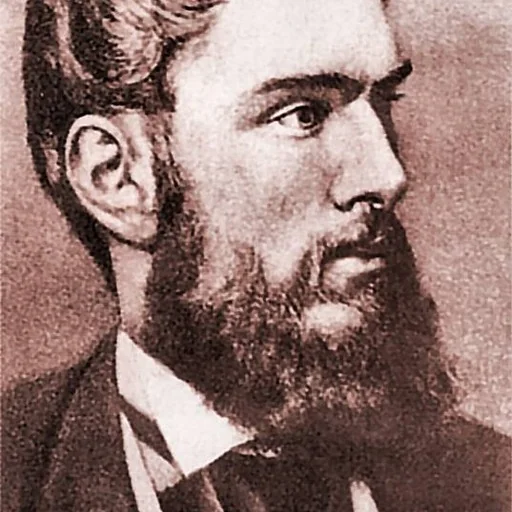
Artist
Maksymilian Dionizy Gierymski (1846 in Warsaw – 1874 in Reichenhall, Bavaria) was a Polish painter, specializing mainly in watercolours.