Artwork
Untitled
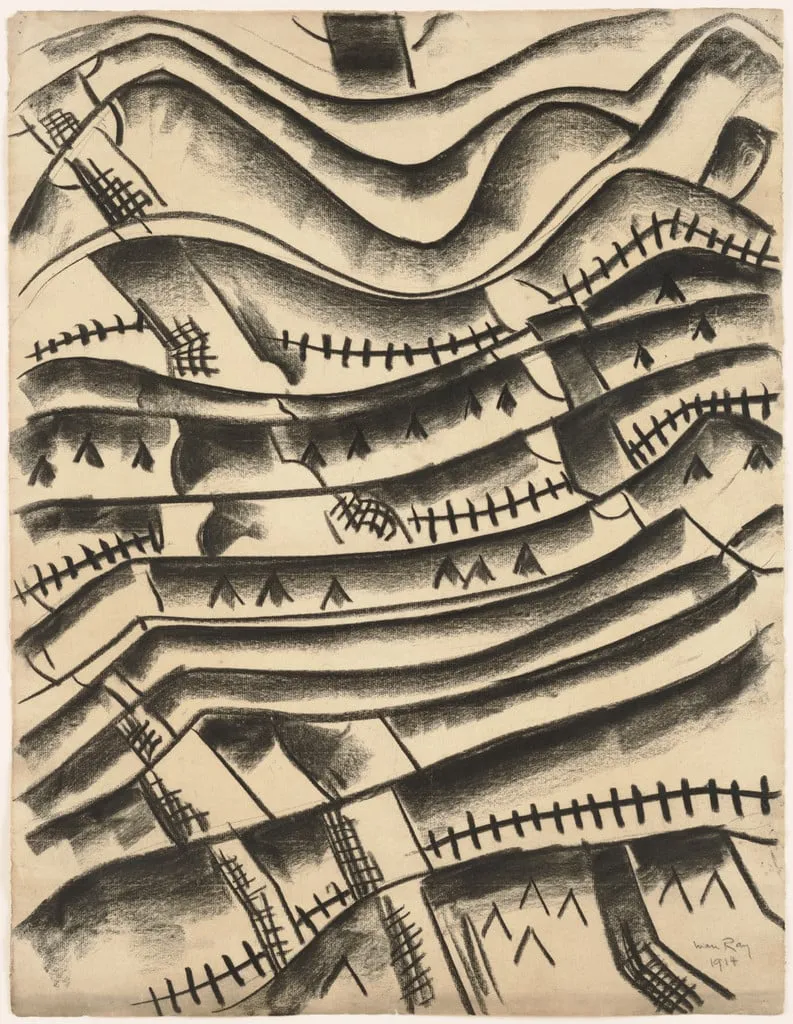
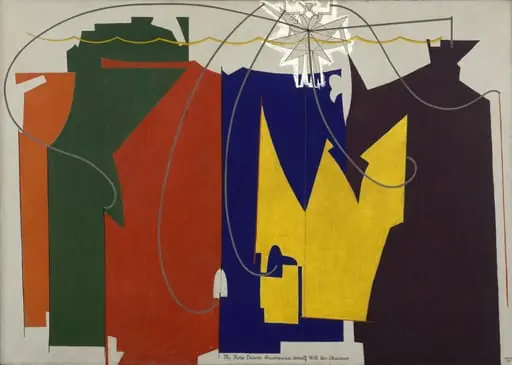
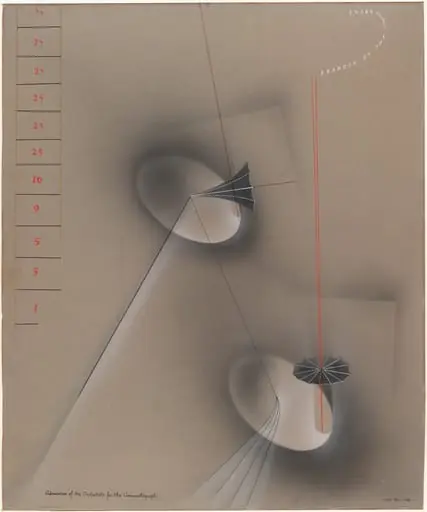
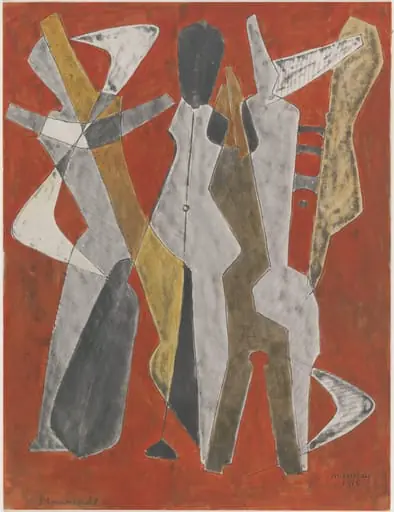
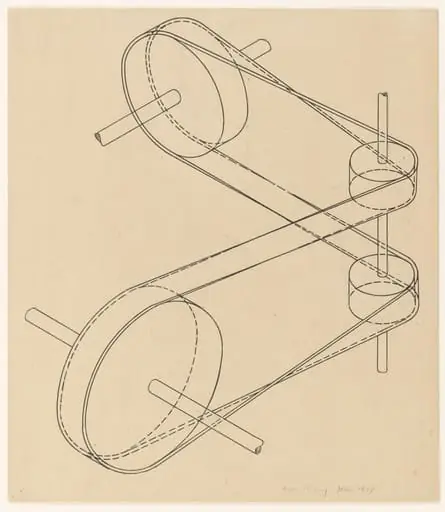
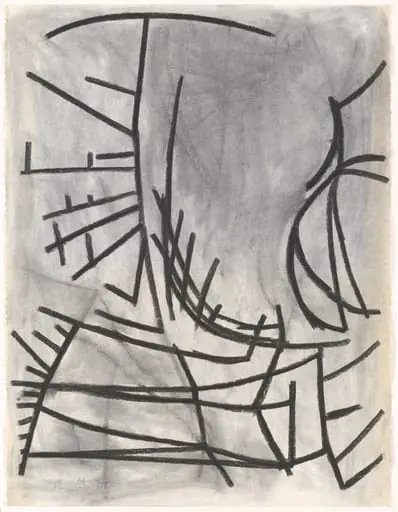
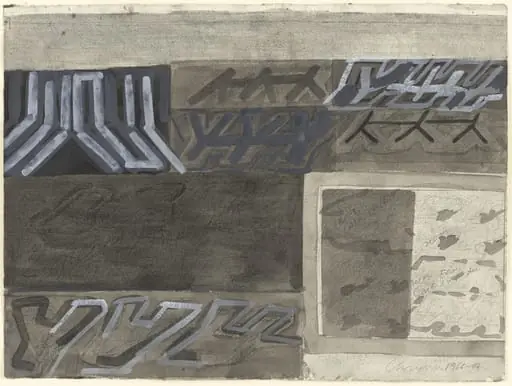
Untitled is a charcoal drawing by Man Ray. It dates from 1914 and is held in the collection of the Museum of Modern Art.
About this work
Overview
Executed on paper with loose, gestural marks, it reveals an interest in abstraction and materiality before he fully embraced Dada and Surrealist movements.
Created in 1914, this charcoal drawing by Man Ray predates his better-known photographic work and reflects an early, experimental phase in his artistic development. Executed on paper with loose, gestural marks, it reveals an interest in abstraction and materiality before he fully embraced Dada and Surrealist movements. The work stands as a private exploration, unbound by representational expectations, and signals his shift from traditional draftsmanship toward more intuitive forms of expression.
Subject & Meaning
The drawing resists clear narrative or recognizable subject matter. Instead, it presents a field of intersecting, irregular lines that suggest fragmented architecture or eroded terrain. Crosses and dots punctuate the surface like indecipherable notations, hinting at symbolic or personal markers. The absence of defined forms invites interpretation as an internal landscape—perhaps a visual record of thought in motion rather than a depiction of external reality.
Technique & Style
Man Ray employed charcoal’s versatility to build texture through layering, smudging, and scraping. Lines vary in pressure and continuity, creating a sense of urgency and revision. Some strokes are dense and dark; others are faint, as if partially erased. The composition avoids resolution, favoring tactile immediacy over polish. This method anticipates later avant-garde practices that valued process over finished form, emphasizing the physical act of making.
History & Provenance
This work originates from Man Ray’s formative years in the United States, before his relocation to Paris and association with avant-garde circles. It was likely produced during a period of personal and artistic transition, as he moved away from conventional training toward experimental modes. While its early ownership is undocumented, it remains part of a broader body of drawings from this time that reveal his evolving visual language prior to his rise in European modernism.
Context
In 1914, American art was still largely tied to realism and academic traditions. Man Ray’s drawing diverges from these norms, aligning more with emerging European tendencies toward abstraction and spontaneity. Though he had not yet encountered Dada, the work’s disregard for structure and embrace of chaos foreshadowed his later affiliations. It reflects a broader cultural shift in which artists began to question representation and prioritize expressive gesture.
Legacy
Though not widely exhibited during his lifetime, this drawing contributes to understanding Man Ray’s artistic trajectory. It demonstrates how his engagement with drawing informed his later innovations in photography and object-making, particularly in his use of chance and texture. The work’s unfinished quality and energetic mark-making resonate with postwar abstract expressionist practices, positioning it as an early, quiet precursor to broader modernist experiments.
Artist & collection
Artist
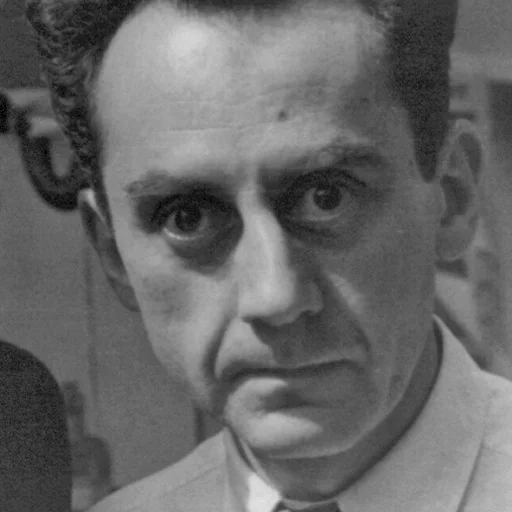
Man Ray (born Emmanuel Radnitzky; August 27, 1890 – November 18, 1976) was an American-born, French-naturalized visual artist who spent most of his career in Paris.