Artwork
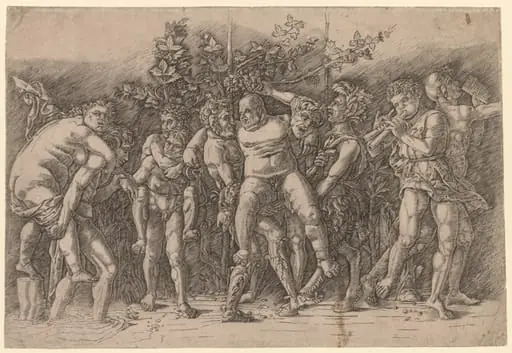
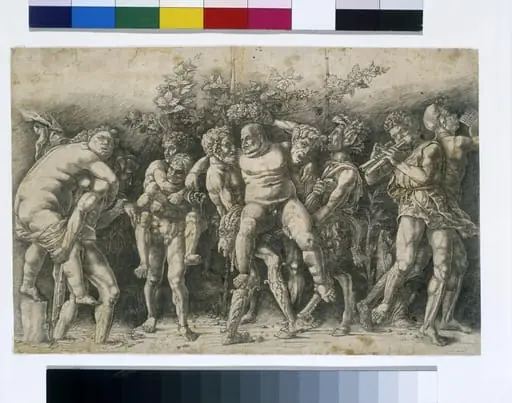
Bacchanal with Silenus
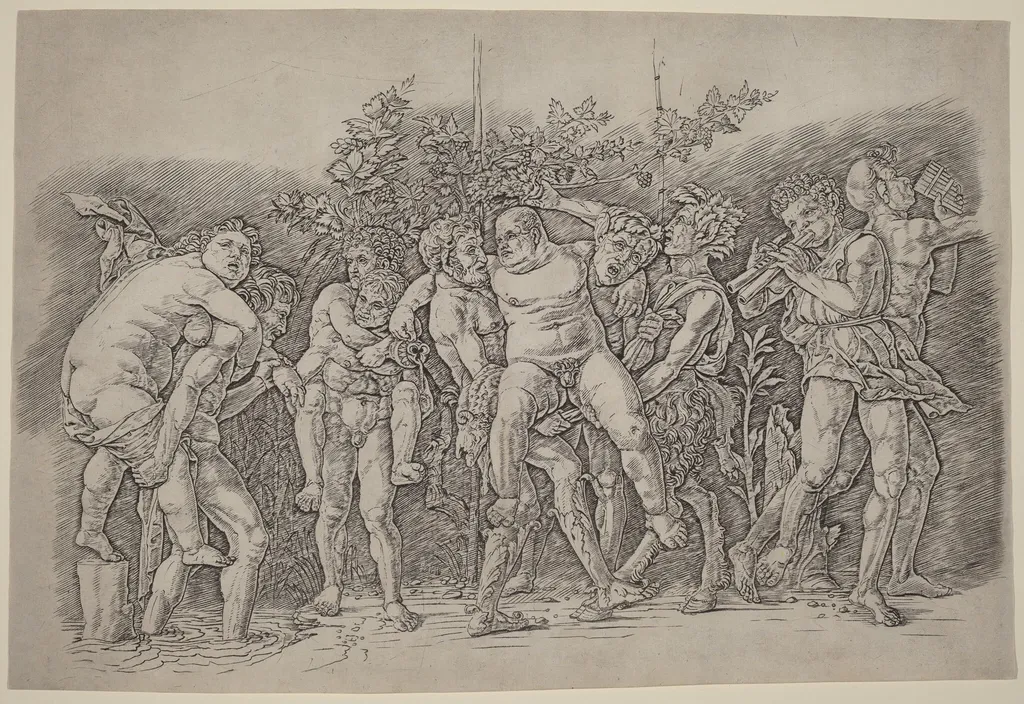
Bacchanal with Silenus is an ink print by the Renaissance artist Andrea Mantegna. It dates from 1481 and is held in the collection of the National Gallery of Art.
About this work
Overview
Bacchanal with Silenus is an engraving on laid paper created by Andrea Mantegna in 1481. The work captures a lively, nude male gathering amidst a natural setting, characterized by detailed realism and classical themes.
Subject & Meaning
The engraving depicts a vibrant scene of men dancing and playing instruments, surrounded by foliage. This bacchanal scene, referencing ancient Roman revelry, showcases Mantegna's fascination with classical archaeology and mythology.
Technique & Style
Mantegna employed sharp, metallic lines and cross-hatching to achieve depth and volume. The solid rendering of figures and landscapes reflects his sculptural approach, enhancing the overall sense of monumentality through innovative perspective techniques.
History & Provenance
Produced during Mantegna's experimental period with perspective, this engraving was created in his Venice workshop, which played a pivotal role in advancing print production in the region before 1500.
Context
As a leading Renaissance artist, Mantegna's work bridged Roman archaeological influences with Renaissance realism. This engraving exemplifies the era's classical themes and the evolving technical sophistication of printmaking.
Legacy
Bacchanal with Silenus contributes to Mantegna's legacy as a pioneer in Renaissance printmaking, influencing the development of the medium through his distinctive style and technical innovations.
Artist & collection
Artist
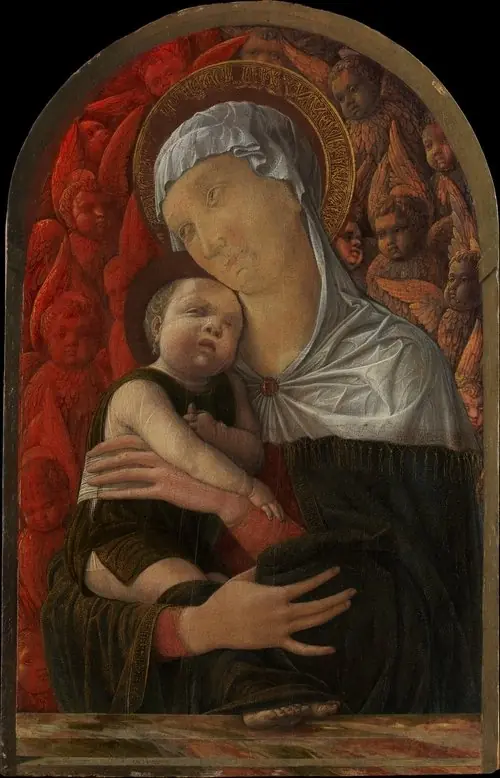
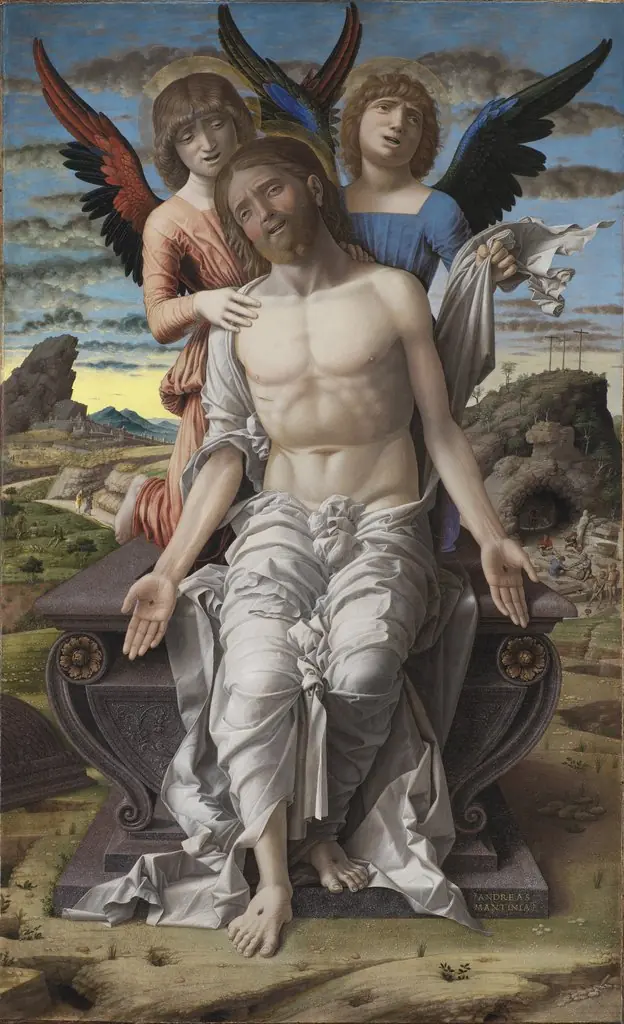
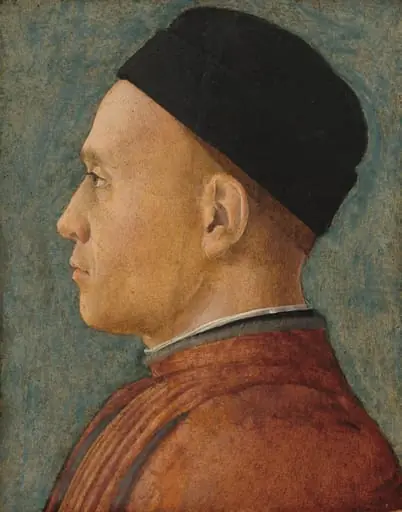
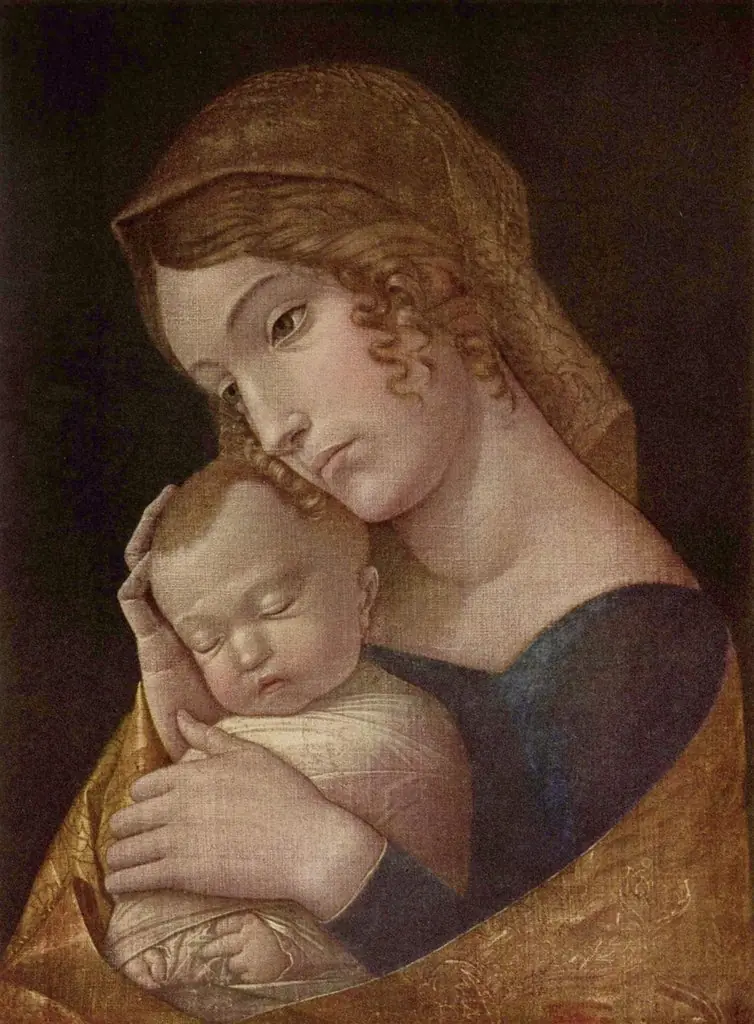
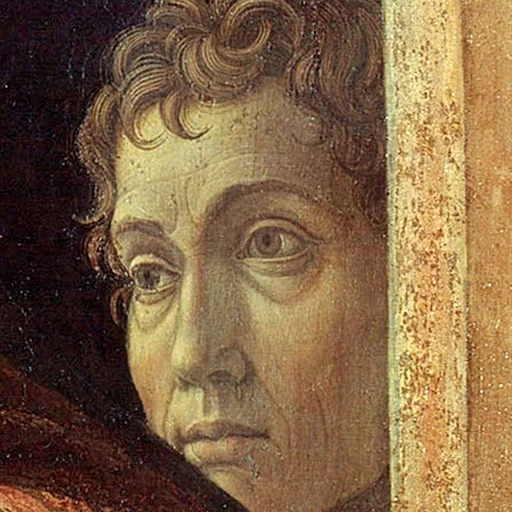
Andrea Mantegna (UK: , US: ; Italian: ; c. 1431 – September 13, 1506) was an Italian Renaissance painter, a student of Roman archaeology, and the son-in-law of Jacopo Bellini. Like other artists of the time, Mantegna…