Artwork
Salvador Albacete ministro de Ultramar
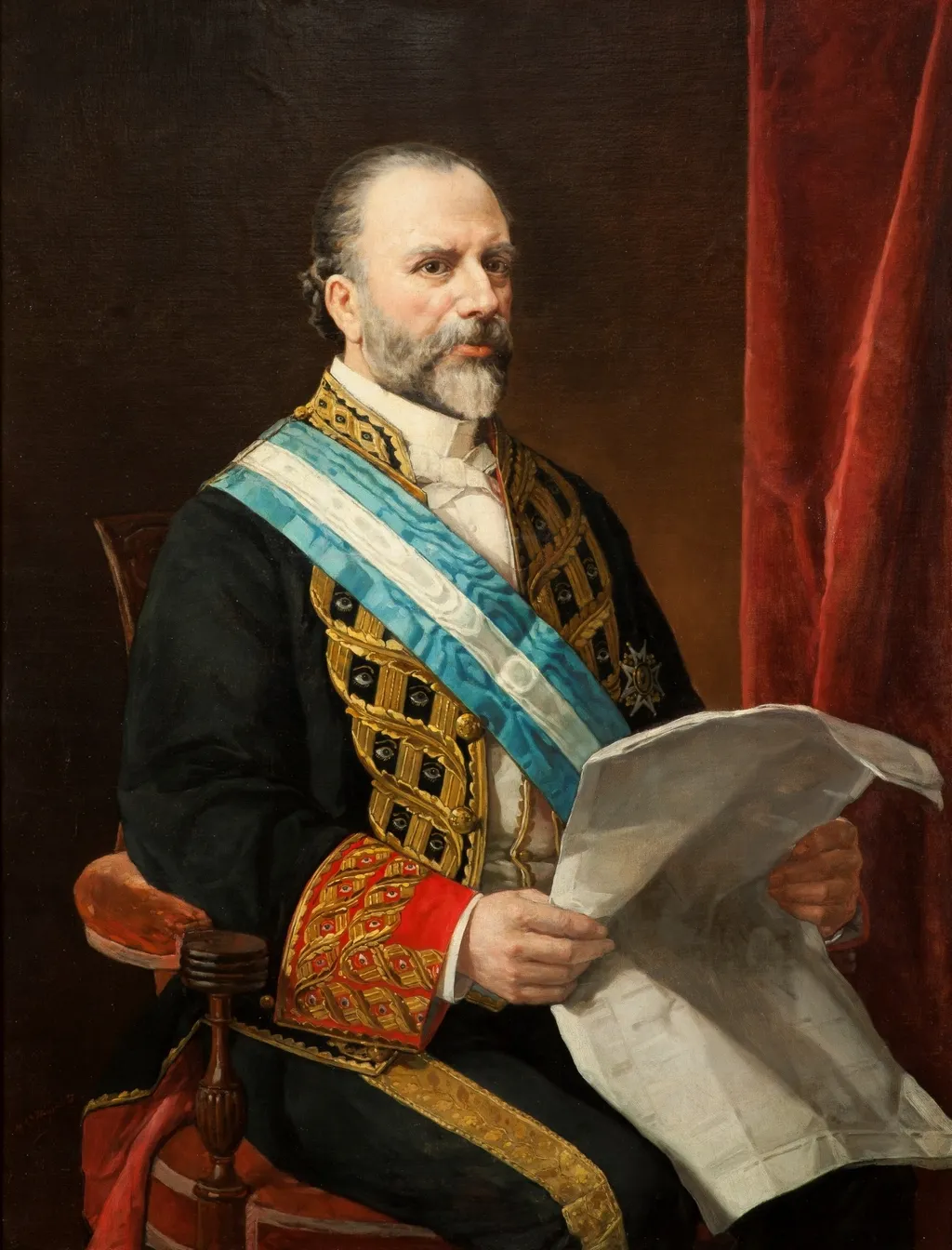
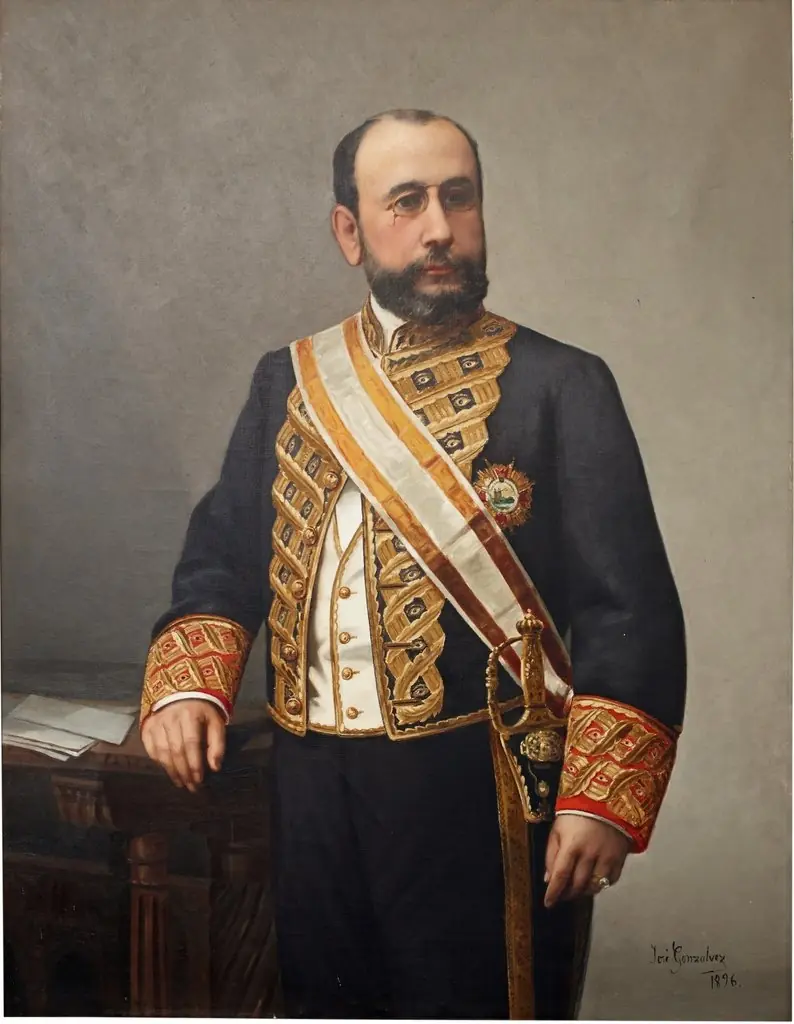
Salvador Albacete ministro de Ultramar is an oil painting by the Post-Impressionist artist Manuel García Hispaleto. It dates from 1896 and is held in the collection of the Museo del Prado.
About this work
Overview
Painted in 1896 by Manuel García Hispaleto, this oil portrait captures Salvador Albacete in his official capacity as Minister of the Overseas Territories.
Painted in 1896 by Manuel García Hispaleto, this oil portrait captures Salvador Albacete in his official capacity as Minister of the Overseas Territories. The work belongs to the Museo del Prado’s collection and reflects the artist’s focus on dignified portraiture. García Hispaleto, a Seville-born painter known for realistic depictions of Spanish society, rendered the subject with attention to ceremonial detail and material texture, characteristic of late 19th-century Spanish academic painting.
Subject & Meaning
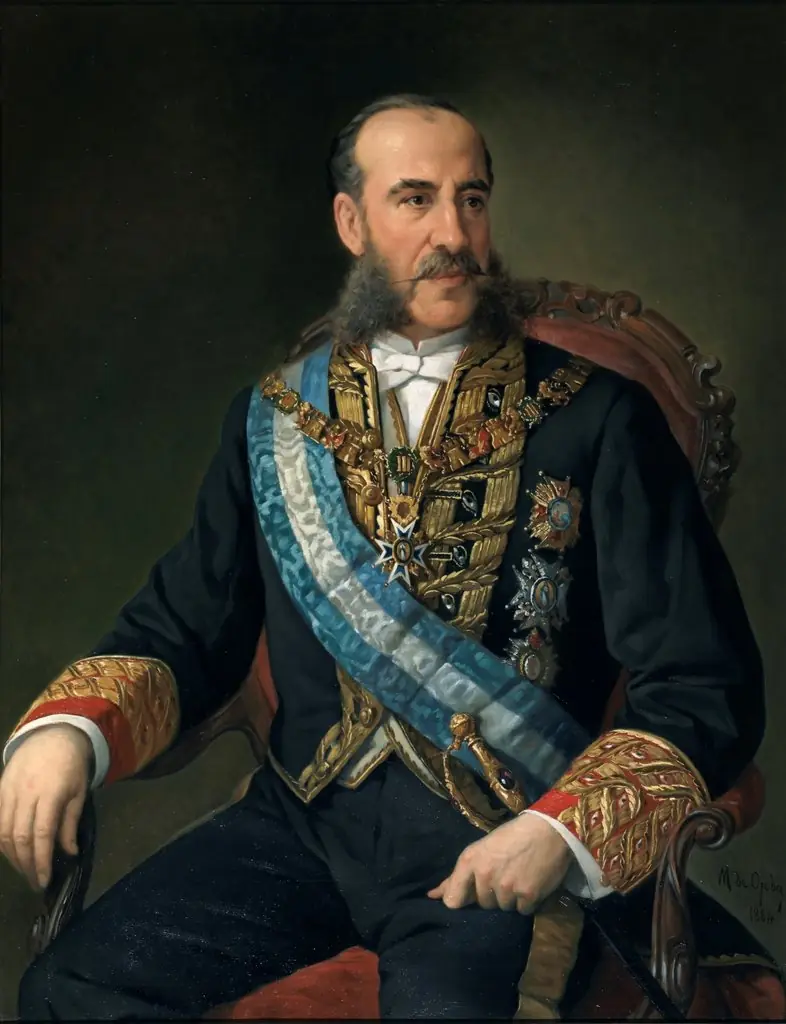
Salvador Albacete, a prominent political figure, is portrayed in full regalia of the Order of Charles III, Spain’s highest civil honor. The uniform, with its gold embroidery and blue sash, signifies his rank and service to the state. The rolled document in his hand suggests official duties, while the restrained composition emphasizes authority over personal expression. The portrait functions as a visual record of bureaucratic power during a period of colonial administration.
Technique & Style
García Hispaleto employed thick, deliberate brushwork to render the textures of fabric and metal, particularly in the uniform’s embroidery and sashes. The impasto technique gives the surface a tactile quality, enhancing the sense of material richness. Dark red background and shadowed areas isolate the figure, focusing attention on the precision of his attire. The rendering is naturalistic, avoiding overt idealization, consistent with the artist’s costumbrista roots and attention to real-world detail.
History & Provenance
The painting was completed in 1896, two years before the artist’s death in Madrid. It entered the Museo del Prado’s collection shortly after, likely through official channels given the subject’s government role. García Hispaleto, who also trained as a lithographer, maintained a career centered on portraiture and scenes of Spanish life. His brother Rafael, also a painter, shared his artistic milieu, though this work stands as one of his most formally significant commissions.
Context
Painted during Spain’s final decades of colonial rule, the portrait reflects a state effort to visually affirm institutional legitimacy. Albacete’s role as Minister of Ultramar placed him at the center of policies governing remaining overseas territories. The emphasis on ceremonial dress aligns with broader trends in European portraiture, where official identity was communicated through insignia and attire rather than psychological depth, underscoring the symbolic weight of bureaucratic office.
Legacy
Though García Hispaleto is less widely known than his contemporaries, this portrait remains a key example of late 19th-century Spanish official portraiture. Its preservation in the Prado ensures its role as a historical document of state representation. The work contributes to understanding how visual culture reinforced political authority during a time of national transition, offering insight into the aesthetics of power beyond grand historical narratives.
Own this work as a print
Artist & collection
Artist
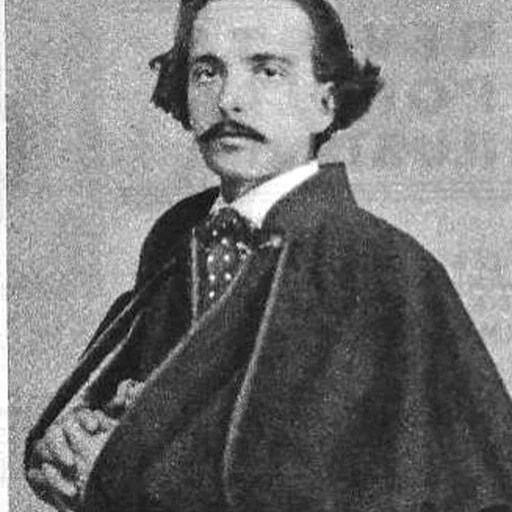
Manuel García Hispaleto, originally Manuel García y Martínez (22 November 1836, Seville - 26 December 1898, Madrid) was a Spanish painter; known for portraits and costumbrista scenes.

 Carlos Marfori ministro de Ultramar
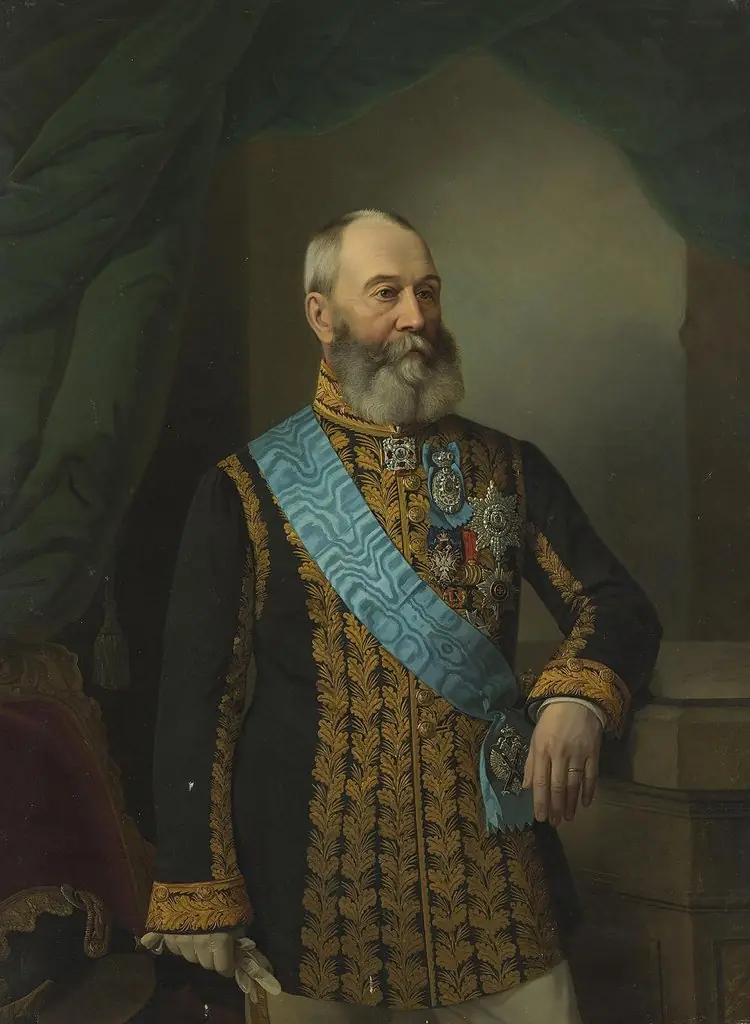 Portrait of P.P. Gagarin
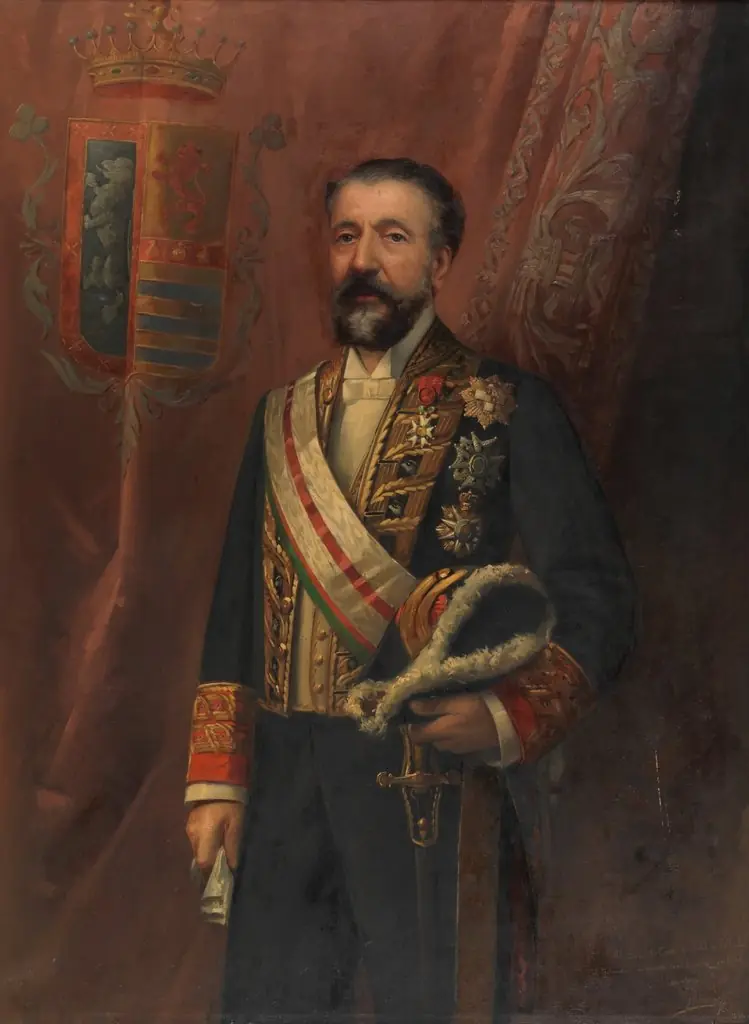 Saturnino Esteban Collantes y Miquel conde de Esteban Collantes
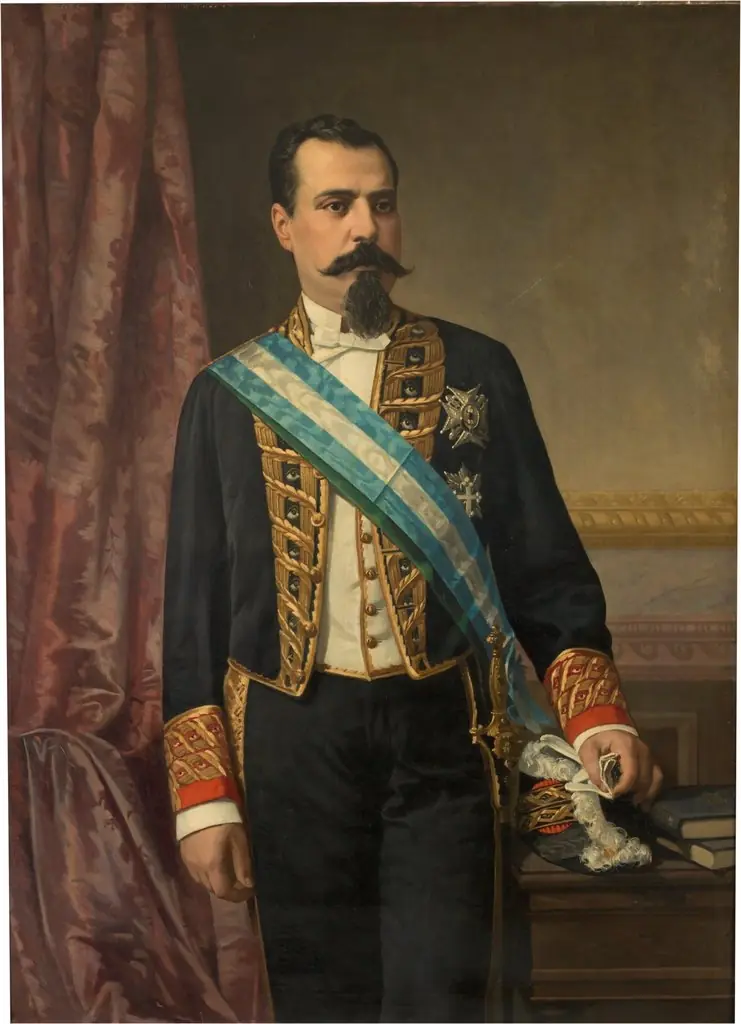 Cristóbal Martín de Herrera ministro de Fomento
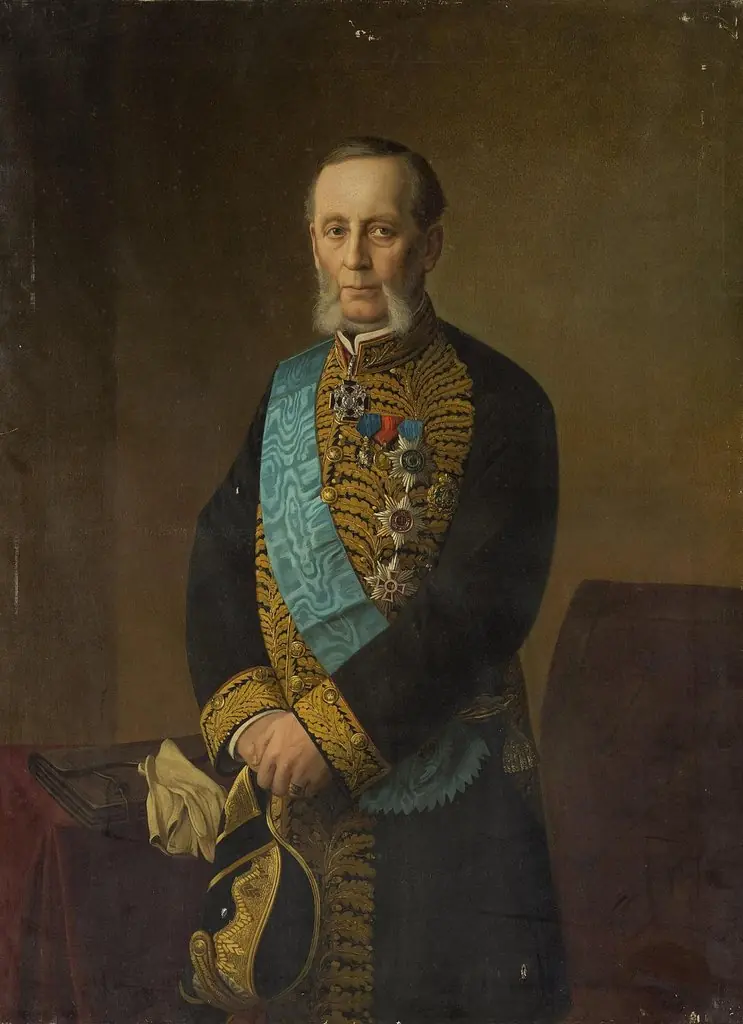 Portrait of Count Piotr Valuyev
 Tomás Castellano Villarroya ministro de Ultramar
 El capitán general Francisco de Serrano y Domínguez I duque de la Torre
 Pieter Mijer (1812-81). Gouverneur-generaal (1866-71)