Artwork
Interior of a Wood: The Past and the Present
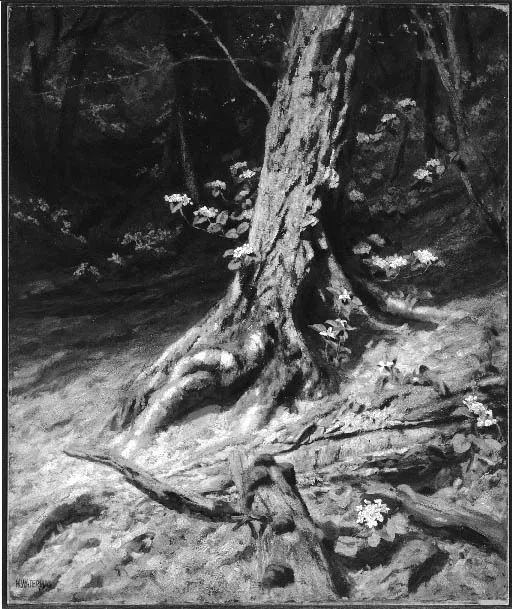
Interior of a Wood: The Past and the Present is an unspecified painting by Marcus Waterman. It dates from 1884 and is held in the collection of the Museum of Fine Arts Boston.
About this work
Overview
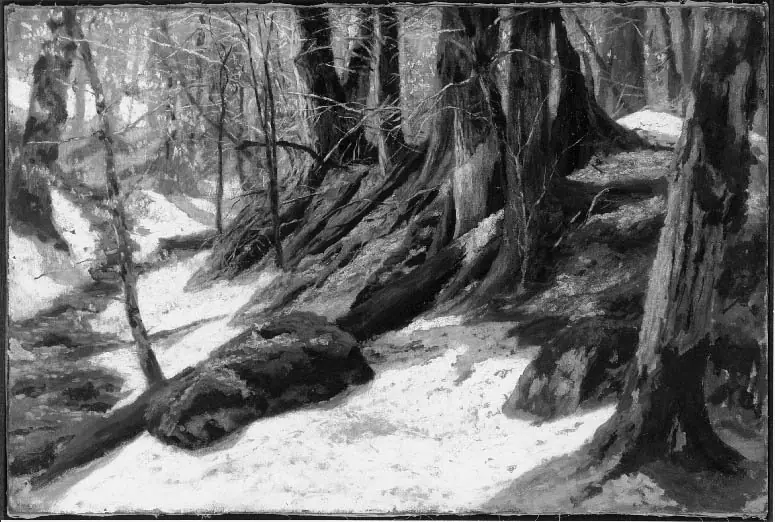
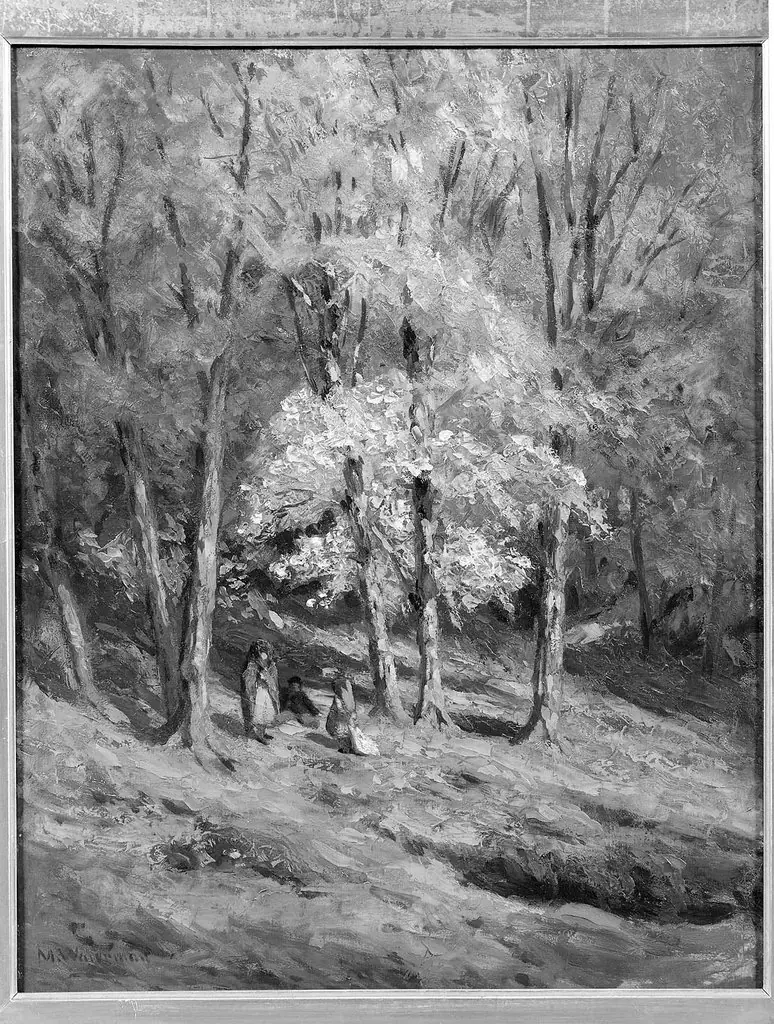
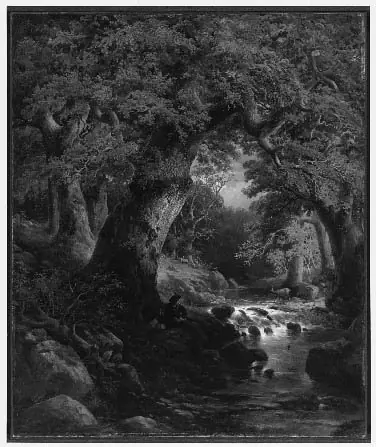
Interior of a Wood: The Past and the Present, painted by American artist Marcus Waterman circa 1884, is a landscape piece housed in the Museum of Fine Arts Boston. Characterized by its somber, mysterious ambiance, the work contrasts natural elements across different temporal planes within a dense forest setting.
Subject & Meaning
The painting centers on a large, gnarled tree trunk with sprawling roots, surrounded by small white flowers. This juxtaposition, set against a shadowy, depth-implied background, symbolizes the coexistence of the past (the ancient tree) and the present (the blooming flowers), inviting contemplation on the passage of time.
Technique & Style
Waterman employed contrasting brushwork techniques to achieve depth and texture. Bold, expressive strokes define the tree trunk and roots, while softer, delicate brushstrokes capture the flowers and faint foliage, enhancing the overall sense of mystery and depth.
History & Provenance
Created around 1884, the painting is part of the Museum of Fine Arts Boston's collection, reflecting Waterman's lesser-known deviation from his typical Orientalist and broader landscape themes.
Context
Within the broader context of American art in the late 19th century, this work touches on themes of naturalism and the introspective use of landscape, though it does not strongly align with dominant movements like the Hudson River School.
Legacy
While *Interior of a Wood* does not define Waterman's primary oeuvre, it showcases his versatility. Its impact lies more in its thematic depth and technical execution rather than influencing a broader artistic movement, remaining a nuanced piece within the MFA Boston's holdings.
Artist & collection
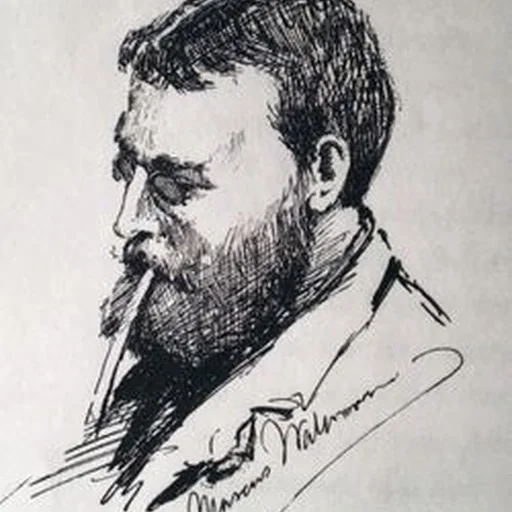
Artist
Marcus ("Mark") Waterman (1 September 1834 – 2 April 1914) was an American painter, mainly of landscapes and Orientalist subjects.