Artwork
Self-portrait
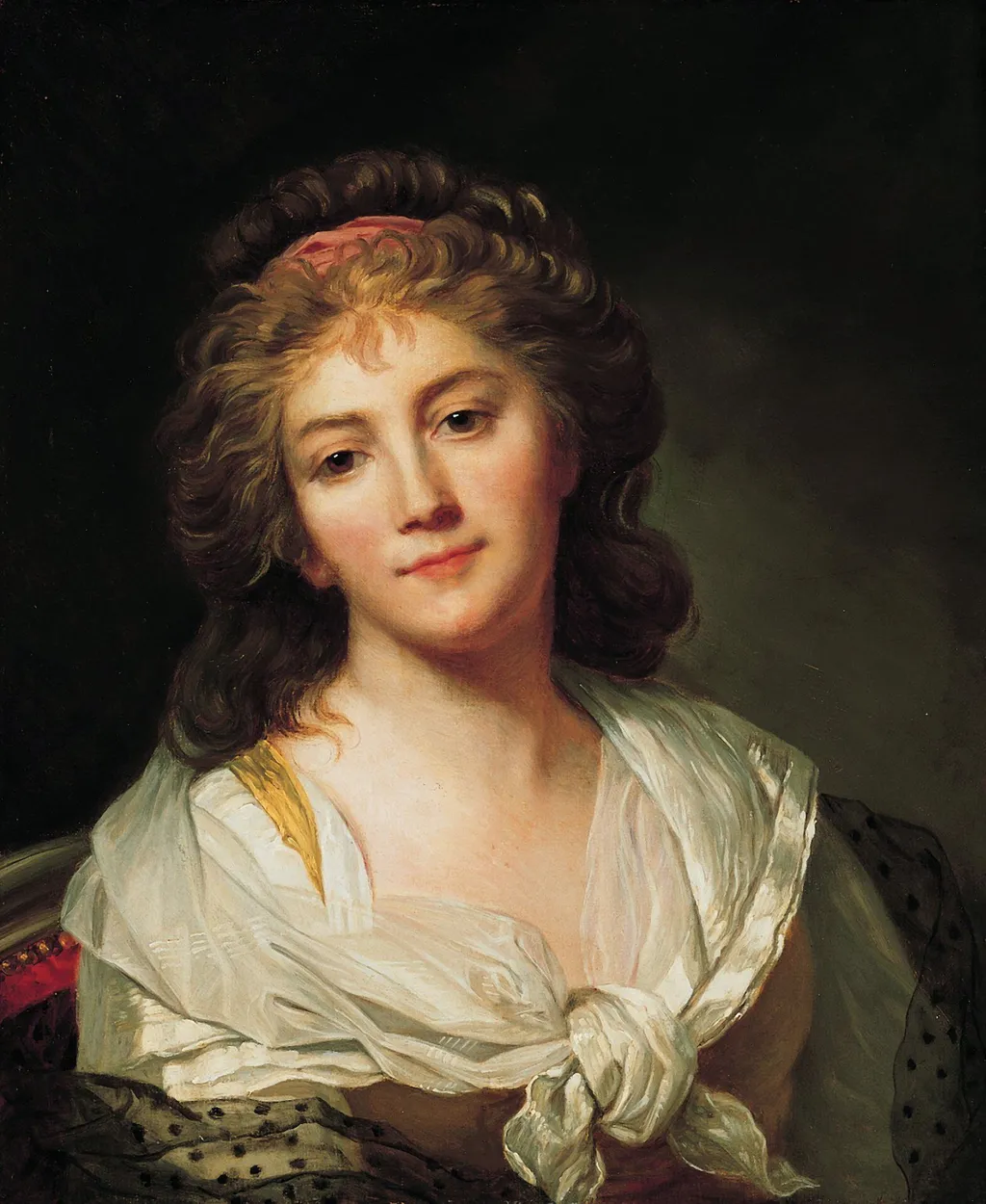
Self-portrait is an oil painting by the Neoclassicist artist Marie-Geneviève Bouliard. It dates from 1796 and is held in the collection of the Norton Simon Museum.
About this work
Overview
Marie-Geneviève Bouliard painted her self-portrait in 1796 using oil on canvas. A French artist trained under prominent portraitists of the era, she worked within the Neoclassical tradition. The work is now held in the Norton Simon Museum’s collection, where it stands as one of the few surviving self-representations by a female artist of late 18th-century France.
Subject & Meaning
Her neutral expression and modest attire suggest an emphasis on professional identity rather than personal adornment.
Bouliard presents herself with quiet composure, gazing directly at the viewer. Her neutral expression and modest attire suggest an emphasis on professional identity rather than personal adornment. The restrained elegance of her dress and the absence of symbolic props reflect a deliberate choice to assert her status as a serious artist, aligning with contemporary ideals of female intellectual dignity.
Technique & Style
The painting employs chiaroscuro to model the face and figure against a dark, undefined background, enhancing three-dimensionality. Brushwork is refined but unobtrusive, favoring smooth transitions over visible texture. The white dress and red sash provide subtle contrast, while the pink ribbon binding her hair adds a delicate note without diverting focus from her face and bearing.
History & Provenance
Created in 1796, the portrait emerged during a period when women artists faced institutional barriers. Bouliard, trained by established masters including Duplessis, maintained a modest public profile. The painting entered the Norton Simon Museum’s collection in the 20th century, where it remains a rare example of a female artist’s self-representation from revolutionary-era France.
Context
In late 18th-century France, women were largely excluded from formal academies and public commissions. Bouliard’s self-portrait reflects a quiet assertion of artistic legitimacy within these constraints. Her training under Greuze and Suvée placed her within a lineage of academic portraiture, yet her choice to depict herself without allegory or ornament distinguishes her from male contemporaries.
Legacy
Bouliard’s self-portrait endures as a testament to the quiet persistence of women in the art world during a time of limited recognition. Though her career was brief and largely undocumented, this work offers insight into how female artists navigated professional visibility. It remains a significant artifact in the study of gender and artistic identity in the Neoclassical period.
Own this work as a print
Artist & collection
Artist
Marie-Geneviève Bouliard (1763–1825) was a French artist who primarily painted portraits.

 Portrait de Madame Mercier
 Portrait of a Young Woman
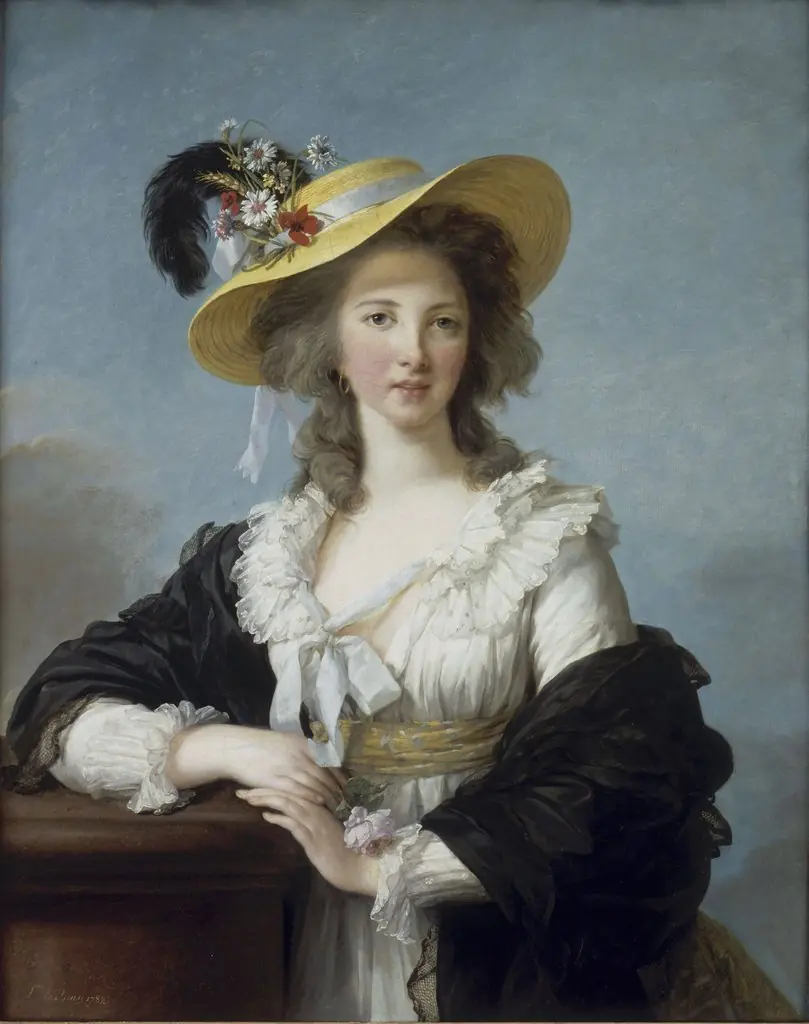 Yolande-Martine-Gabrielle de Polastron, Duchess de Polignac
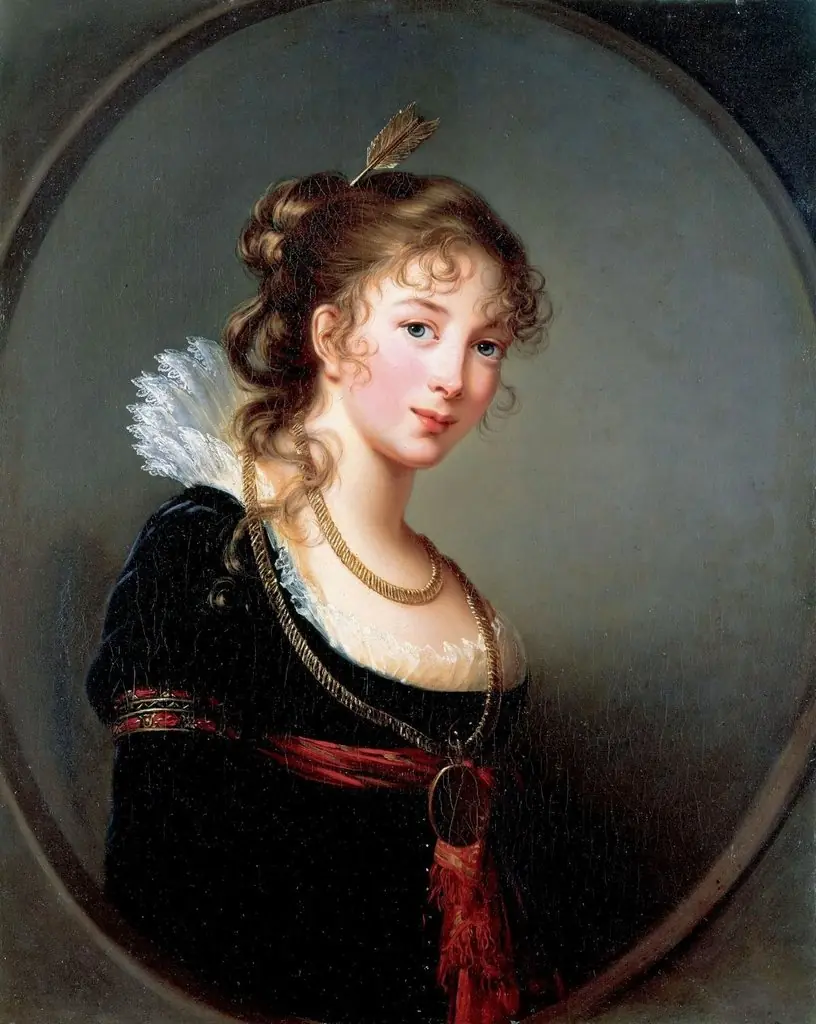 Porträt der Luise von Preußen (1770-1836), Ehefrau von Anton Radziwiłł (1775-1833)
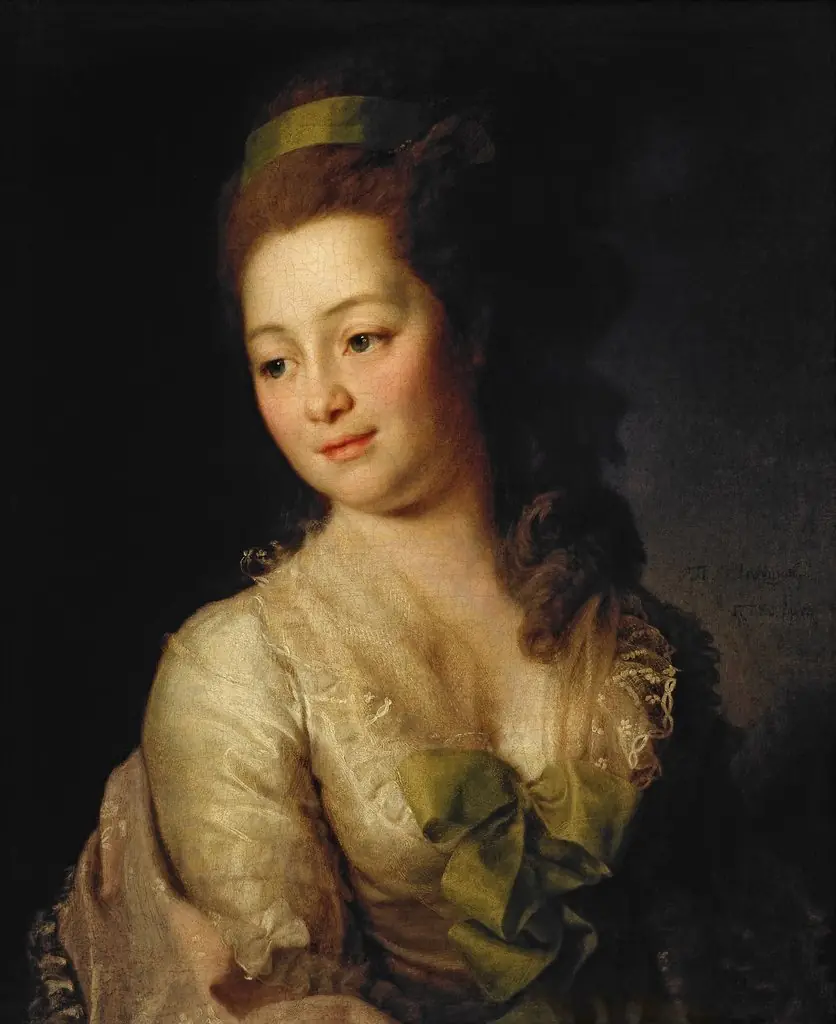 Portrait of Maria Dyakova
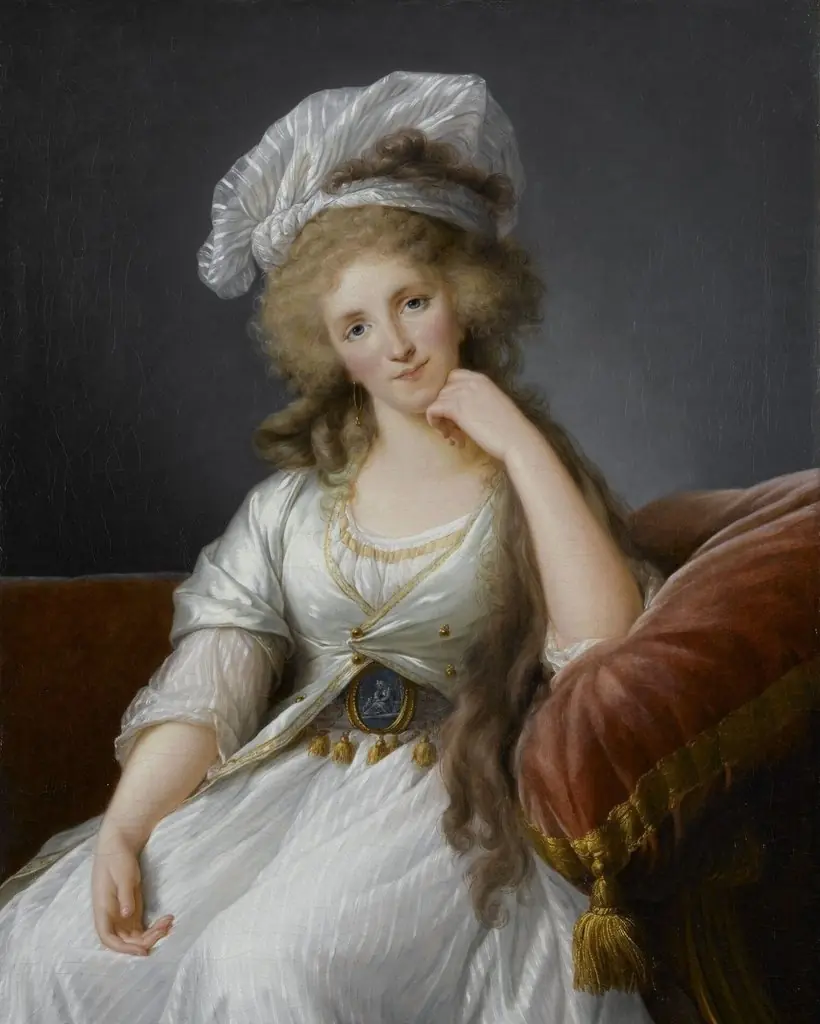 Louise-Marie-Adélaïde de Bourbon-Penthièvre, Duchess of Orléans
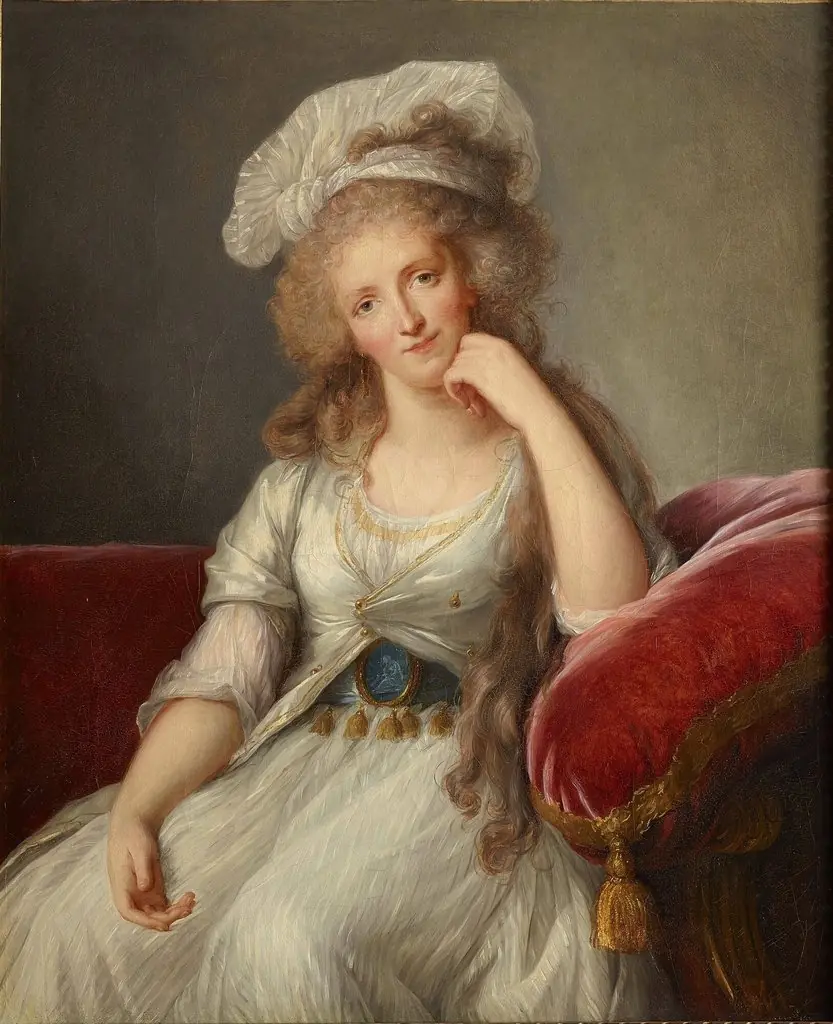 Louise-Marie-Adélaïde de Bourbon-Penthièvre, Duchess of Orléans
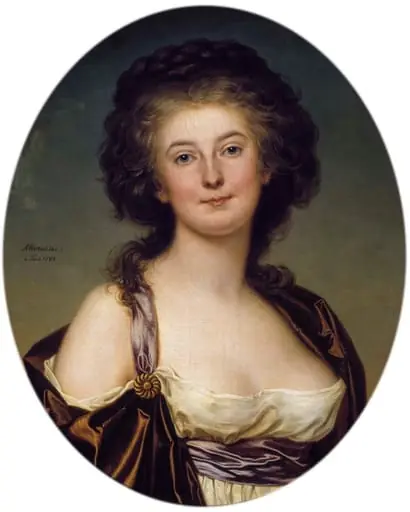 Laulajatar ja näyttelijätär Beata Charlotta Eckerman
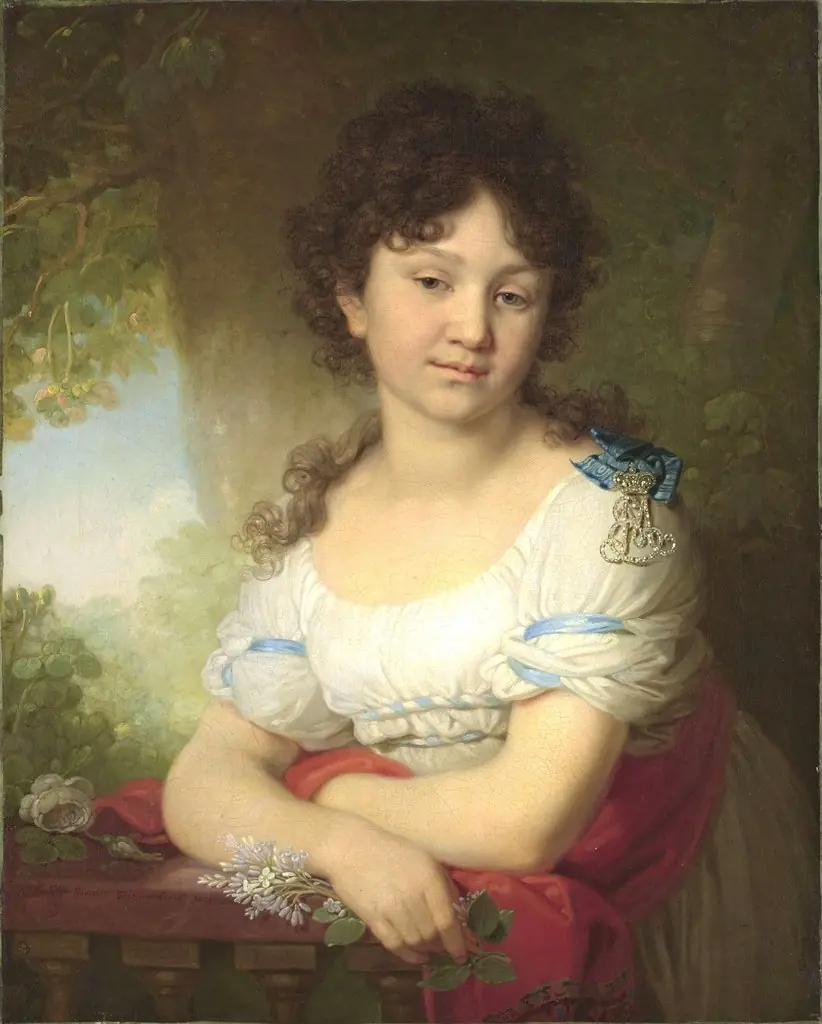 Портрет графини М.А. Орловой-Денисовой
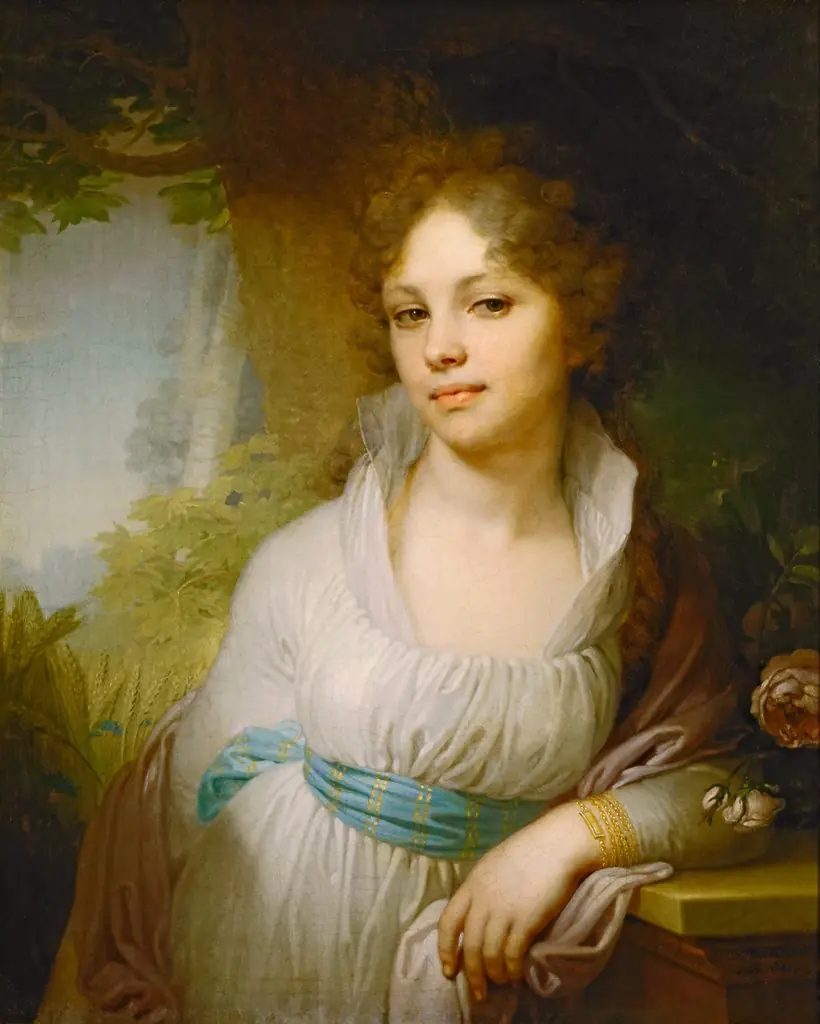 Portrait of Maria Ivanovna Lopukhina
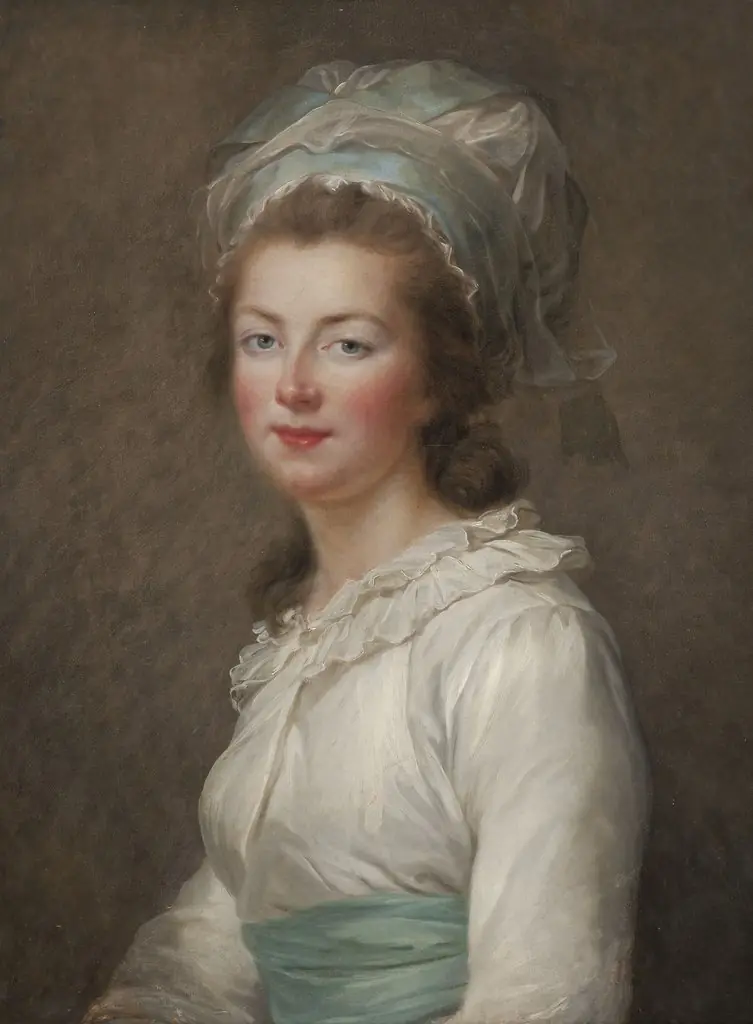 Elisabeth-Philippe-Marie-Hélène of France, known as Madame Elisabeth
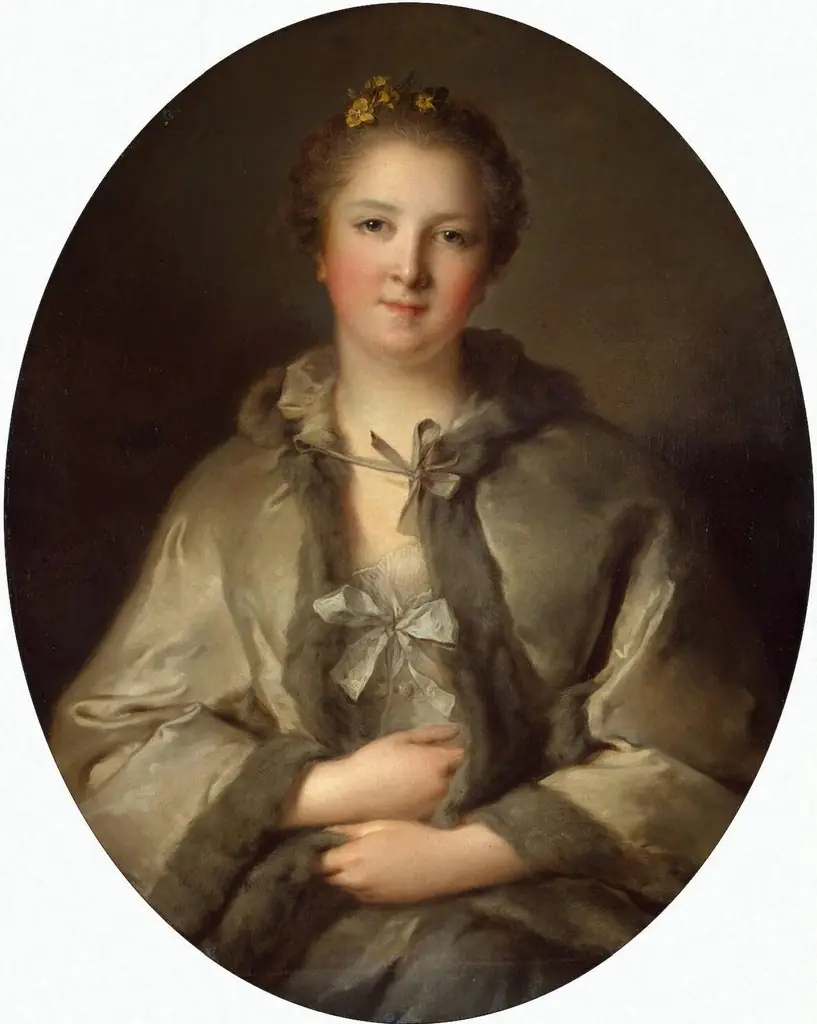 Portrait of a Woman in Grey