Artwork
Laulajatar ja näyttelijätär Beata Charlotta Eckerman
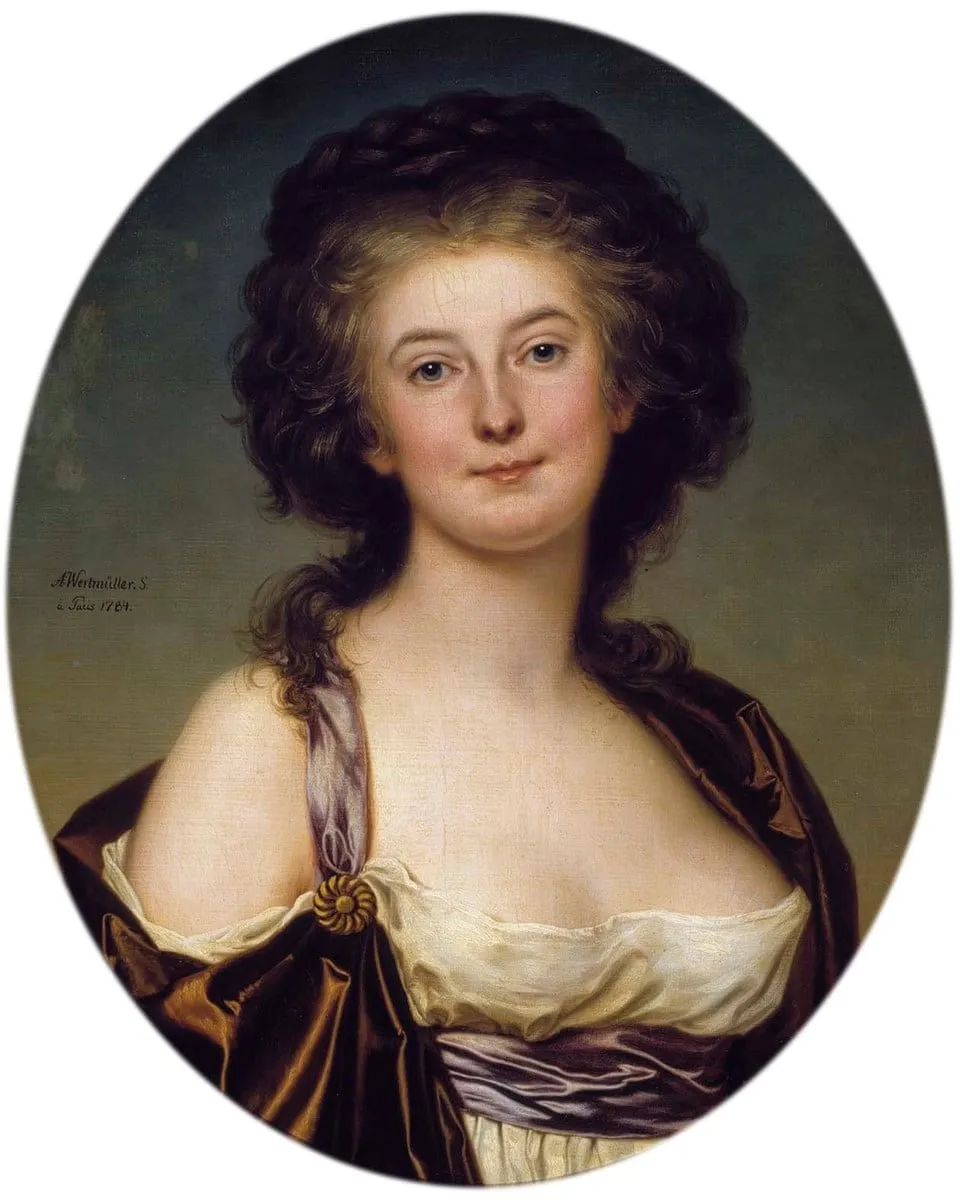
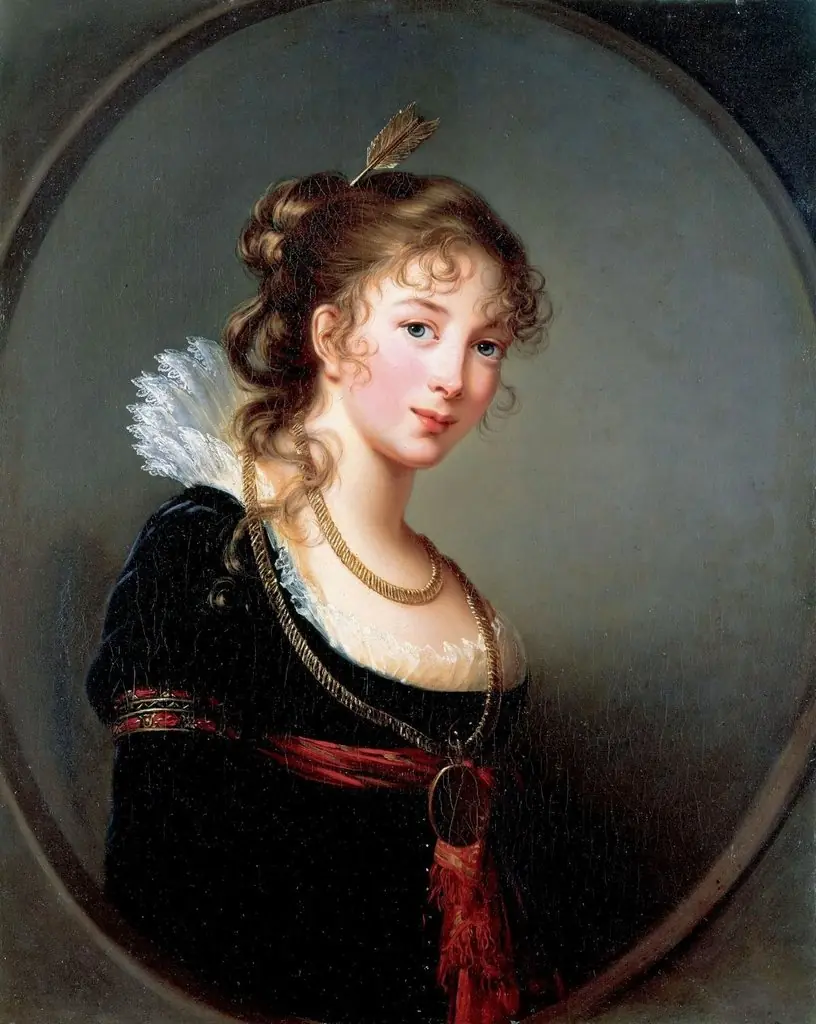
Laulajatar ja näyttelijätär Beata Charlotta Eckerman is an unspecified painting by Adolf Ulric Wertmüller. It is held in the collection of the Finnish National Gallery. This round portrait depicts Beata Charlotta Eckerman, a Swedish actress and singer, rendered in a compact, intimate format.
About this work
Overview
The composition isolates her figure against a dark, unadorned background, emphasizing her presence through careful lighting and subtle tonal transitions.
This round portrait depicts Beata Charlotta Eckerman, a Swedish actress and singer, rendered in a compact, intimate format. The composition isolates her figure against a dark, unadorned background, emphasizing her presence through careful lighting and subtle tonal transitions. The artist focuses on her facial expression and attire, using minimal context to heighten the psychological immediacy of the image.
Subject & Meaning
Beata Charlotta Eckerman was a prominent figure in Swedish cultural life during the late 18th century, known for her performances on stage. The portrait captures her in a moment of quiet dignity, reflecting her public identity as a performer. Her attire—a pale dress and dark shawl—suggests both elegance and modesty, aligning with contemporary ideals of refined femininity in the arts.
Technique & Style
The artist employs chiaroscuro to model the figure with soft gradations of light and shadow, giving the face and shoulders a sculptural depth. The curls of her hair and the fold of the shawl are rendered with delicate brushwork, enhancing tactile realism. The dark background isolates the subject, directing attention to the interplay of texture and tone across her form.
History & Provenance
The portrait was likely commissioned during Eckerman’s active years in the Swedish theater, possibly by a patron connected to the royal court or cultural institutions. Its survival suggests it remained in private or institutional collections in Sweden. The round format was common for intimate portraiture in the 18th century, often displayed in domestic settings.
Context
In late 18th-century Sweden, portraiture of performers was increasingly valued as a means of honoring cultural contributors. Eckerman’s depiction reflects a broader trend of recognizing artists beyond the nobility. The restrained palette and focus on naturalism align with Enlightenment-era ideals, favoring authenticity over ornamental display.
Legacy
The portrait endures as a record of a significant female performer in Swedish cultural history. Its technical precision and emotional restraint exemplify the quiet sophistication of Nordic portraiture of the period. Though not widely reproduced, it remains a key reference for understanding the visual representation of artists in 18th-century Scandinavia.
Artist & collection
Artist
Wertmüller kept a pet monkey in his Paris studio who once stole his paintbrushes mid-sketch.

 Portrait de Madame Mercier
 Portrait of the Countess Du Barry as Flora
 Portrait of a Woman in Grey
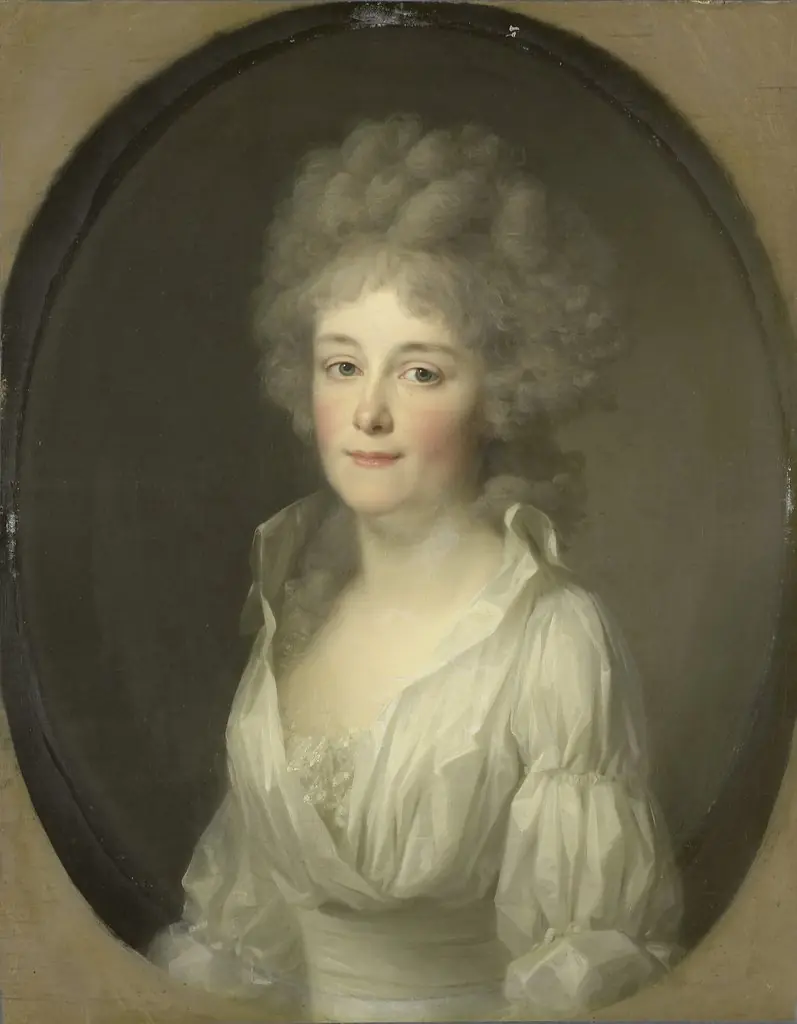 Portrait of Johanna Ferdinanda van Collen, Wife of Salomon Rendorp
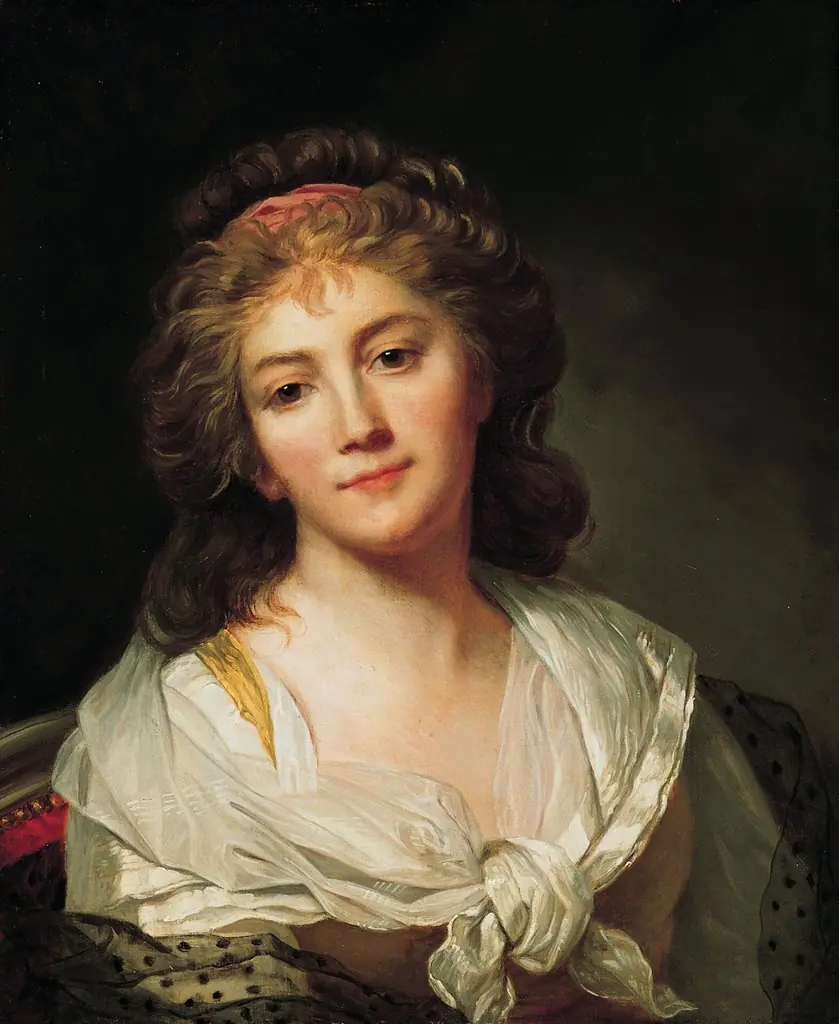 Self-portrait
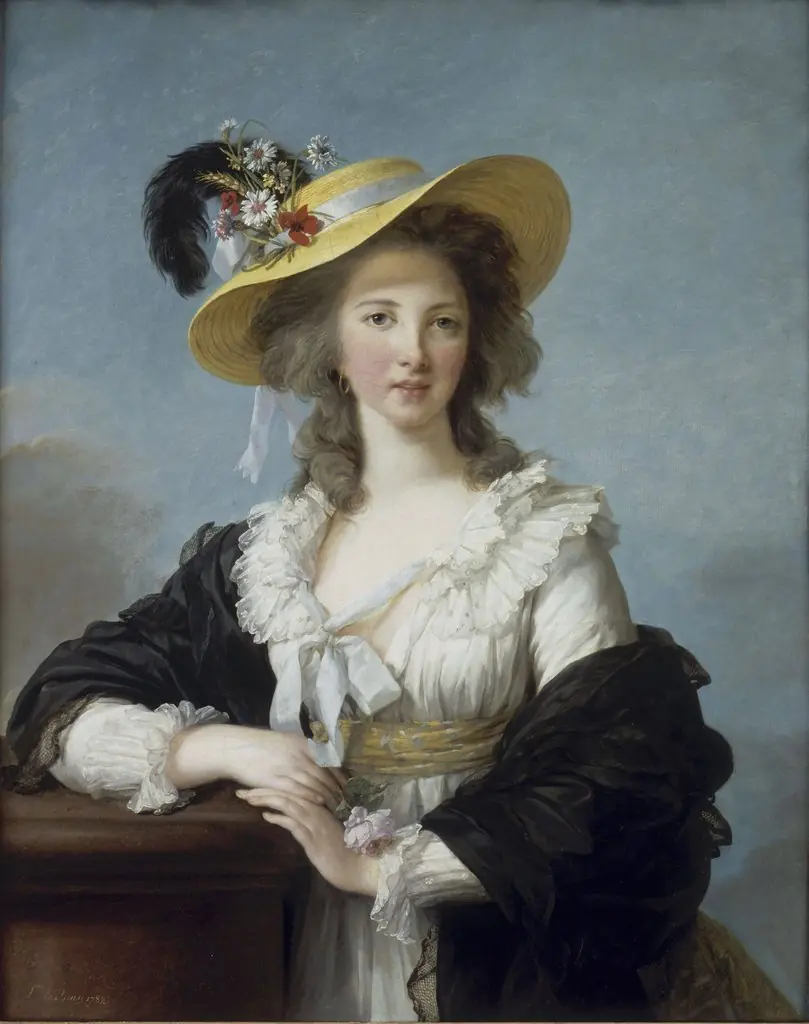 Yolande-Martine-Gabrielle de Polastron, Duchess de Polignac
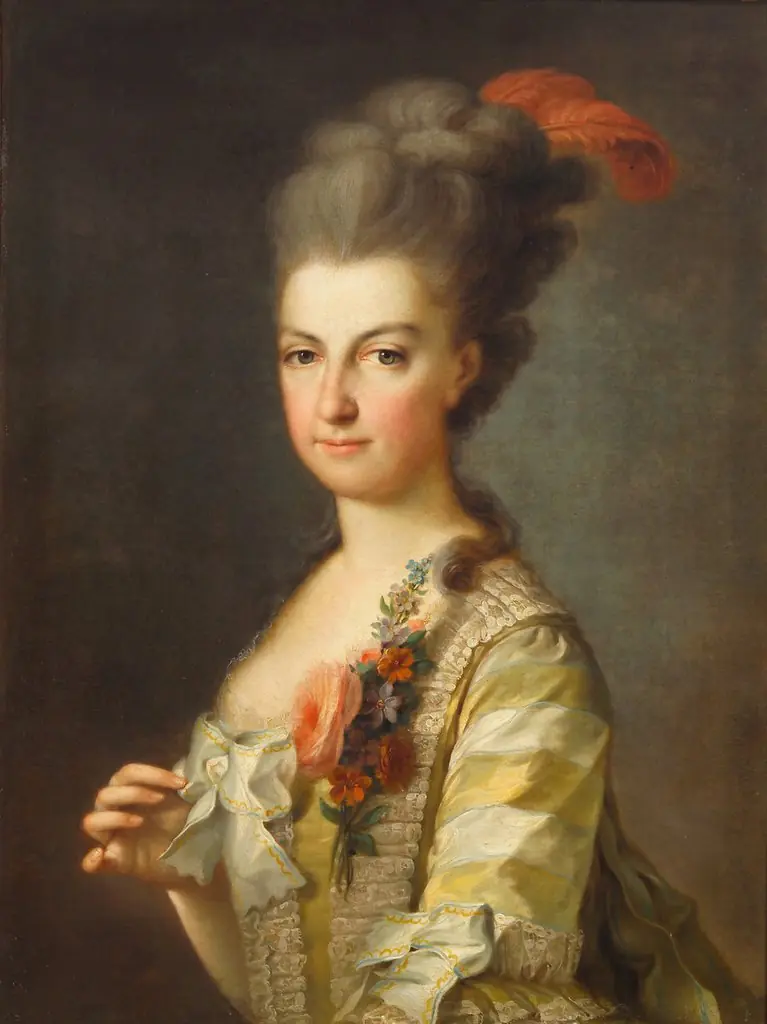 Erzherzogin Maria Christine (1742-1798), Herzogin von Sachsen - Teschen, in gestreiftem Seidenkleid, Halbfigur
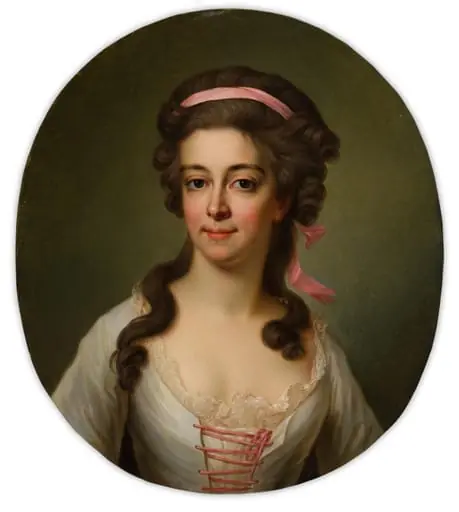 Kreivitär Maria Eleonora Lewenhaupt
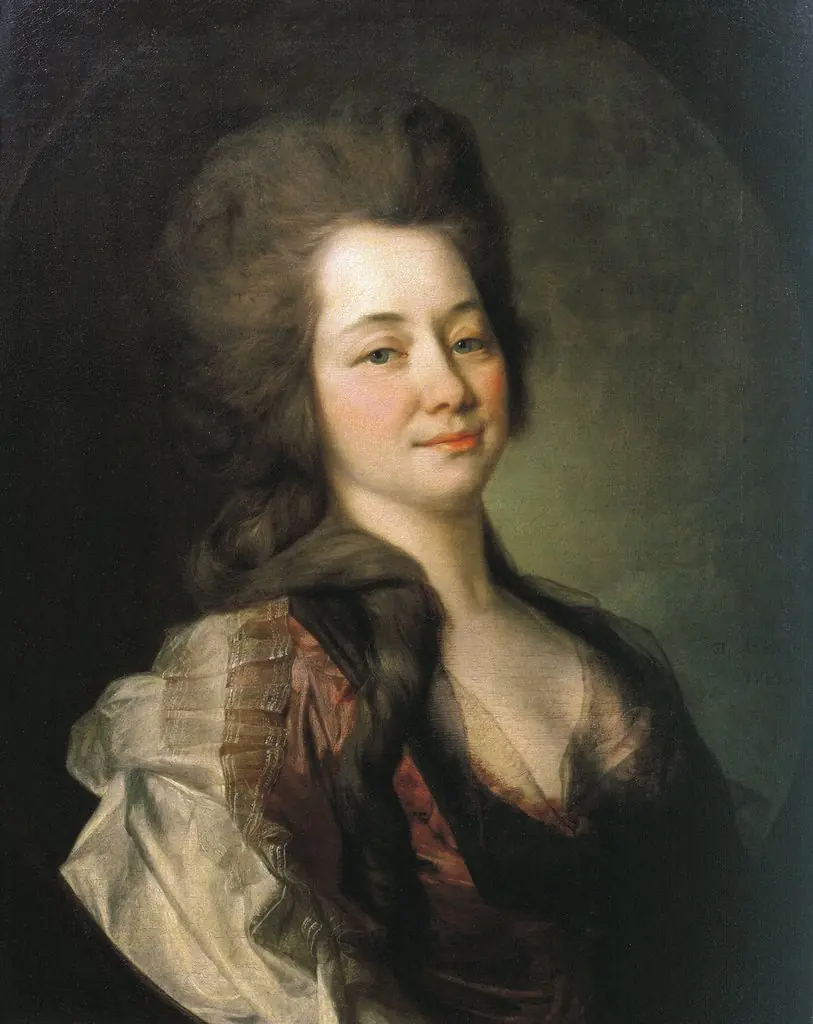 Portrait of Maria Alexeevna Lvova (Djakova) (1755-1807)
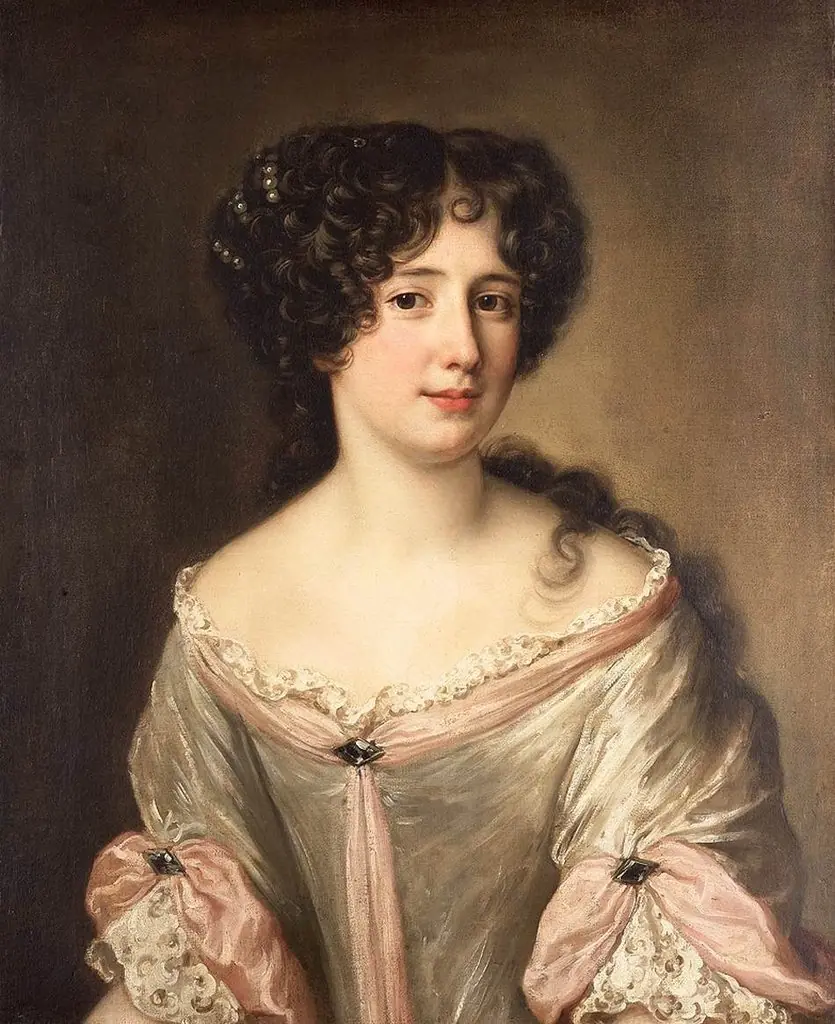 Portrait of Maria Mancini Colonna (1639-1715)
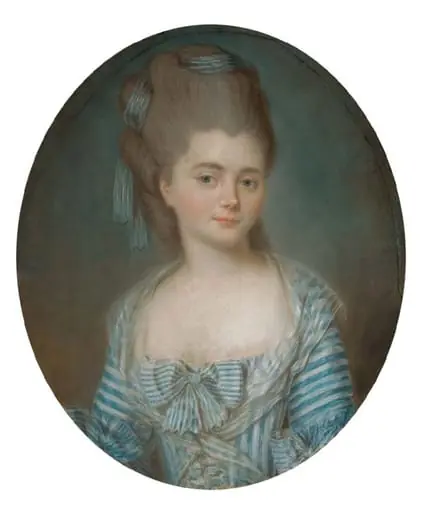 Portret de femeie
 Porträt der Luise von Preußen (1770-1836), Ehefrau von Anton Radziwiłł (1775-1833)