Artwork
The Coming Footstep
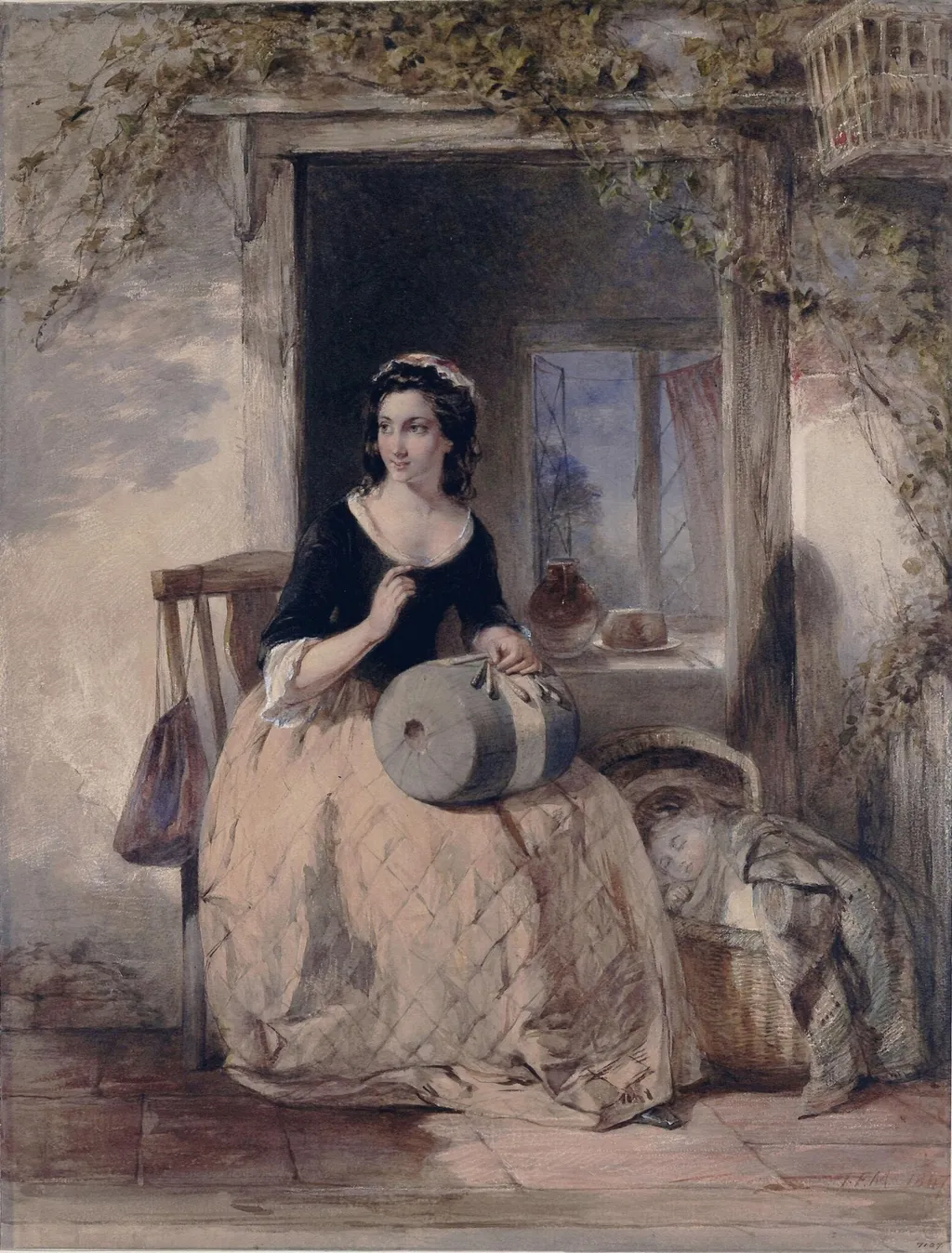
The Coming Footstep is a watercolor work on paper by the British Romanticist artist Thomas Falcon Marshall. It dates from 1847 and is held in the collection of the Victoria and Albert Museum.
About this work
Overview
The medium’s inherent subtlety enhances the quiet mood, aligning with mid-19th-century British watercolour traditions focused on intimate, everyday moments.
Created in 1847 by Thomas Falcon Marshall, this watercolour captures a solitary figure in a domestic interior. Executed in transparent pigments, the work reflects the artist’s skill in handling delicate washes to suggest light and texture. The composition centers on a woman seated in a doorway, her posture and gaze conveying stillness. The medium’s inherent subtlety enhances the quiet mood, aligning with mid-19th-century British watercolour traditions focused on intimate, everyday moments.
Subject & Meaning
The woman, dressed in a dark upper garment and light skirt, holds a large rounded object—possibly a basket or vessel—resting in her lap. Her turned head and calm expression suggest inward reflection rather than engagement with the viewer. The scene avoids narrative drama, instead emphasizing a moment of pause. The ambiguity of the object and her gaze invites interpretation, framing the image as a meditation on solitude and routine rather than a story.
Technique & Style
Marshall employed transparent watercolour with restrained layering to achieve soft transitions and muted tones. The background elements—a table and window—are rendered with loose washes, deliberately blurred to direct focus to the figure. Light falls gently from an unseen source, modeling form without harsh contrast. The technique prioritizes atmosphere over detail, characteristic of watercolour practices that valued emotional resonance over precision.
History & Provenance
Signed and dated by the artist in 1847, the work originates from a period when British watercolour painting was gaining recognition as a serious medium. Thomas Falcon Marshall, part of a family of artists, exhibited regularly with the Water-Colour Society. While specific ownership history is not documented, the piece aligns with the tastes of middle-class collectors who favored domestic scenes with emotional restraint during the Victorian era.
Context
In the 1840s, British art increasingly turned to intimate, domestic subjects as industrialization reshaped social life. Watercolour, valued for its portability and immediacy, became a favored medium for capturing quiet moments in the home. Marshall’s work reflects this trend, resonating with contemporary interest in private emotion and the dignity of ordinary life, even as academic painting favored grand historical themes.
Legacy
Though not widely known today, Marshall’s watercolours contribute to a broader understanding of 19th-century British genre painting. His focus on stillness and subtle expression influenced later artists who sought to convey psychological depth through restrained composition. The work remains a quiet example of how watercolour could elevate everyday scenes into contemplative visual poetry, preserving a sensitivity often overlooked in larger art historical narratives.
Artist & collection
Artist
Thomas Falcon Marshall painted quiet, detailed watercolours of everyday British life in the 1840s.

 The Cottagers
 Spinner at Her Work
 Dressed for a Ball: Girl with a Mandoline
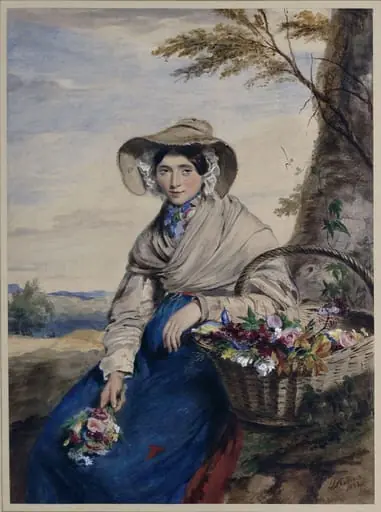 Flower Girl
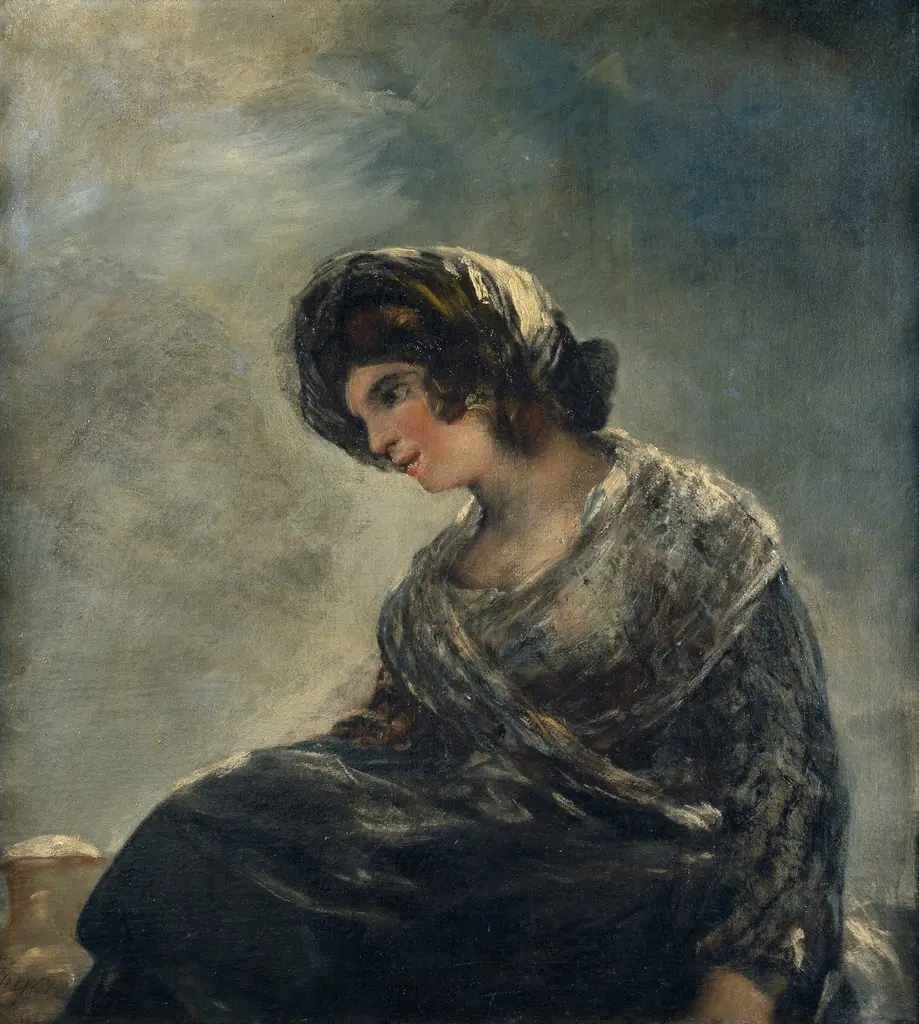 The Milkmaid of Bordeaux
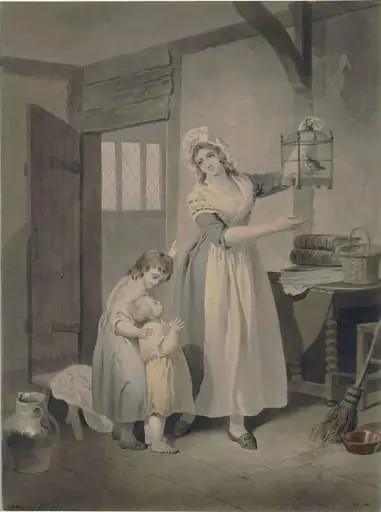 Interior with a woman showing a bird cage to two children
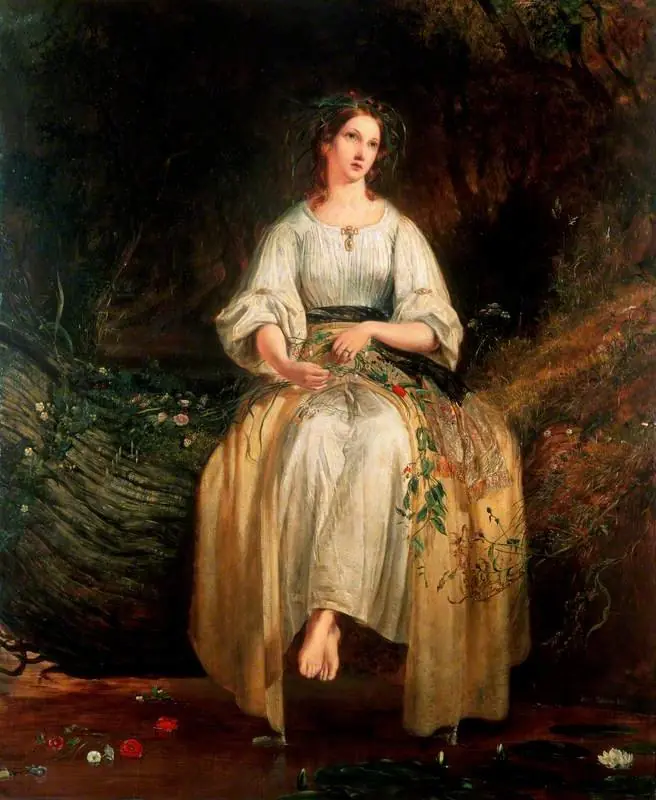 Ophelia Weaving Her Garlands (from William Shakespeare's 'Hamlet')
 The Little Gardener
 Portrait of L.L.Lazareva
 Rustic interior: figures of an old man and woman and a girl
 The Billet Doux
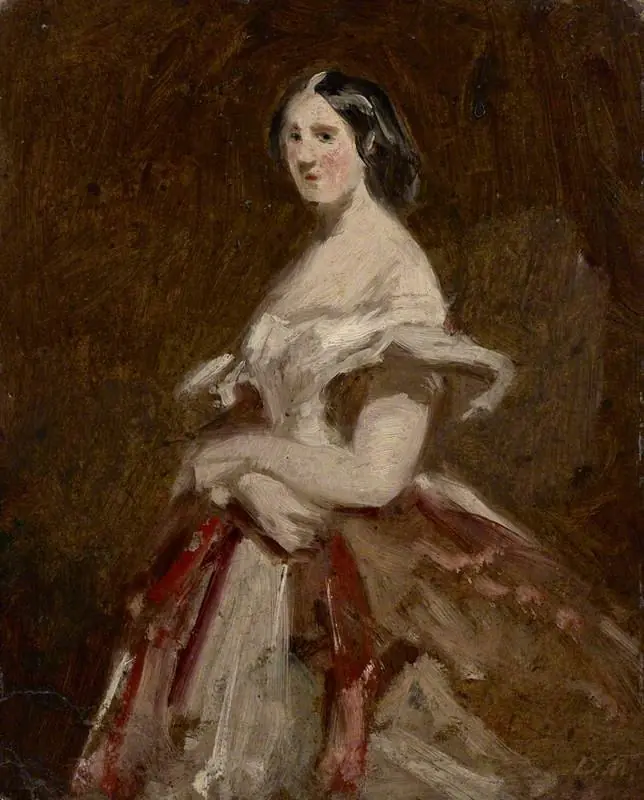 A Lady