Artwork
Die Grundsteinlegung des Concordiatempels in Laxenburg
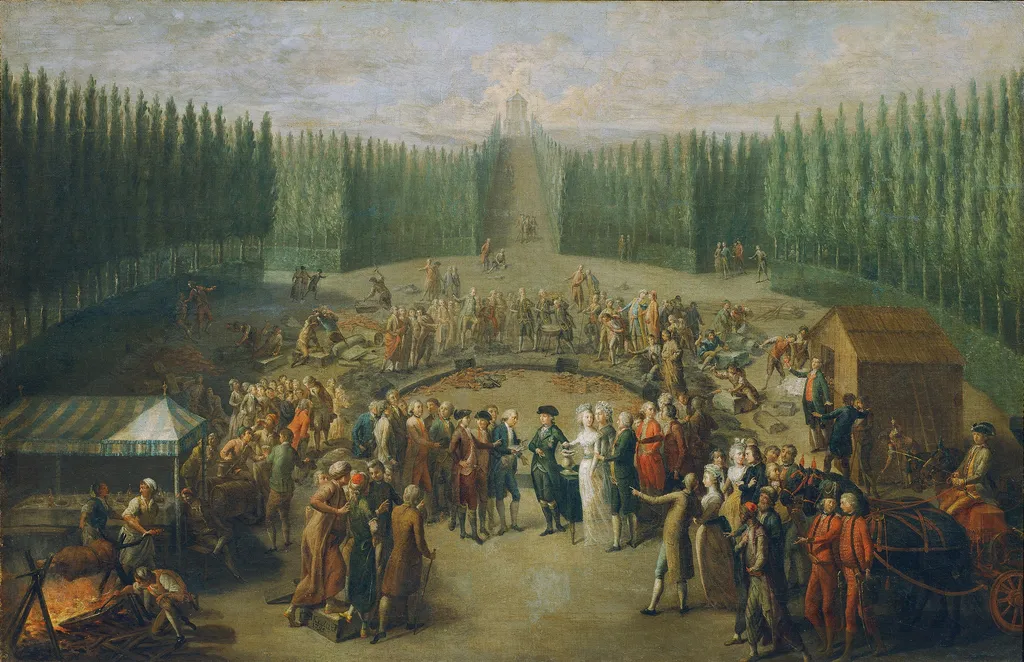
Die Grundsteinlegung des Concordiatempels in Laxenburg is an oil painting by the Biedermeier artist Martin Knoller. It dates from 1798 and is held in the collection of the Kunsthistorisches Museum.
About this work
Overview
Die Grundsteinlegung des Concordiatempels in Laxenburg is an 1798 oil painting by Martin Knoller, depicting the ceremonial foundation-laying of the Concordia Temple in Laxenburg. Characteristic of the Biedermeier movement, the work showcases Knoller's blend of Baroque and Rococo influences.
Subject & Meaning
The painting captures a festive outdoor scene marking the inception of the Concordia Temple. A formally attired crowd gathers in a park, surrounded by tall trees and a central fountain, conveying an atmosphere of joy and communal celebration.
Technique & Style
Executed in oil paint, the work features a vibrant color palette, from the lush greens of the park to the earthy tones of the spectators' attire. Knoller's style seamlessly integrates Baroque grandeur with the lighter, more intimate qualities of Rococo.
History & Provenance
Commissioned under the patronage of Karl Joseph von Firmian, Imperial Governor of Lombardy, the painting is now part of the Kunsthistorisches Museum's collection.
Own this work as a print
Artist & collection

Artist
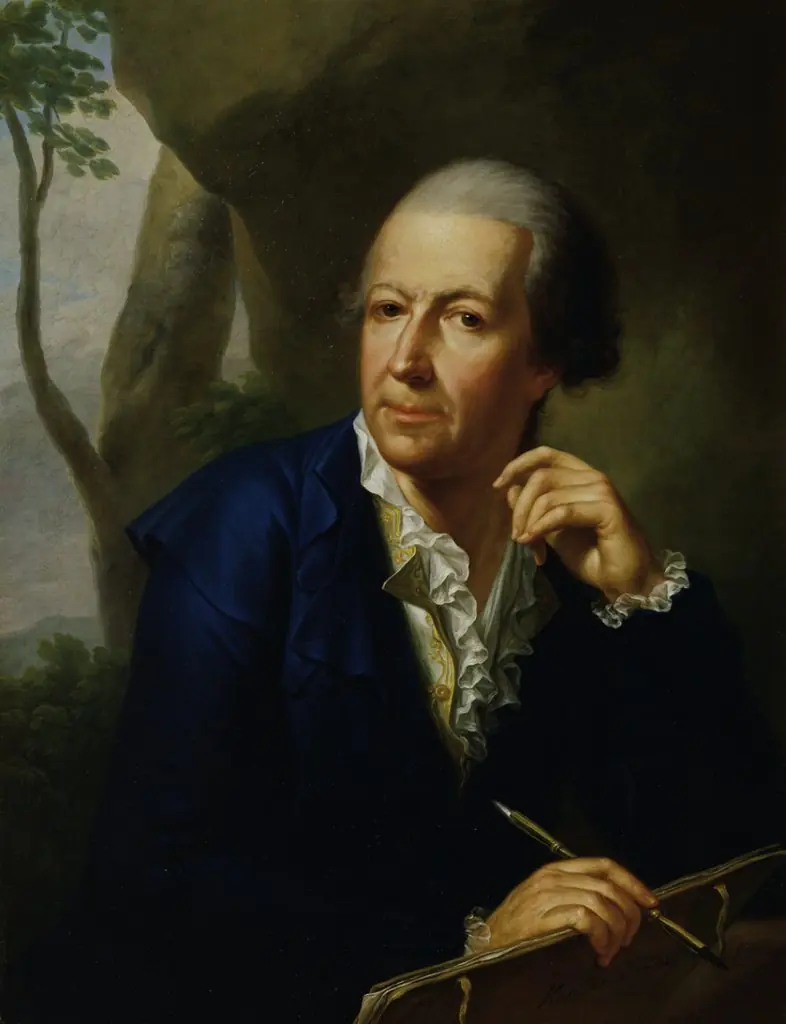
Martin Knoller (18 November 1725 – 24 July 1804) was an Austrian-Italian painter active in Italy who is remembered for his fresco work.


 Market with temple and maypole
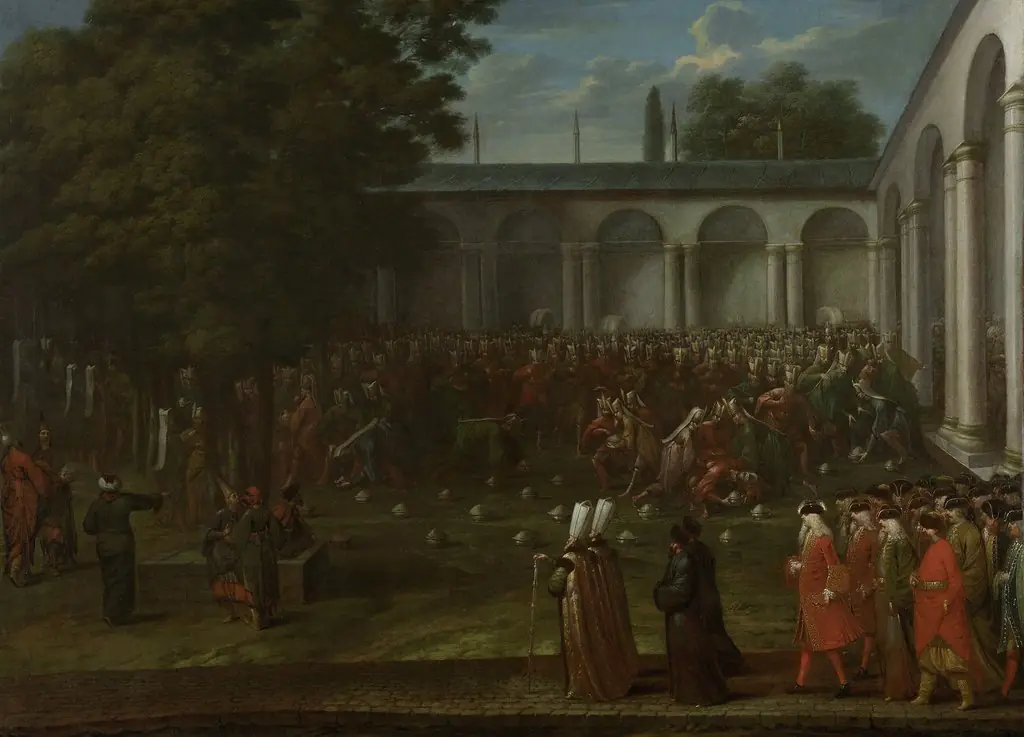 Cornelis Calkoen on his Way to his Audience with Sultan Ahmed III
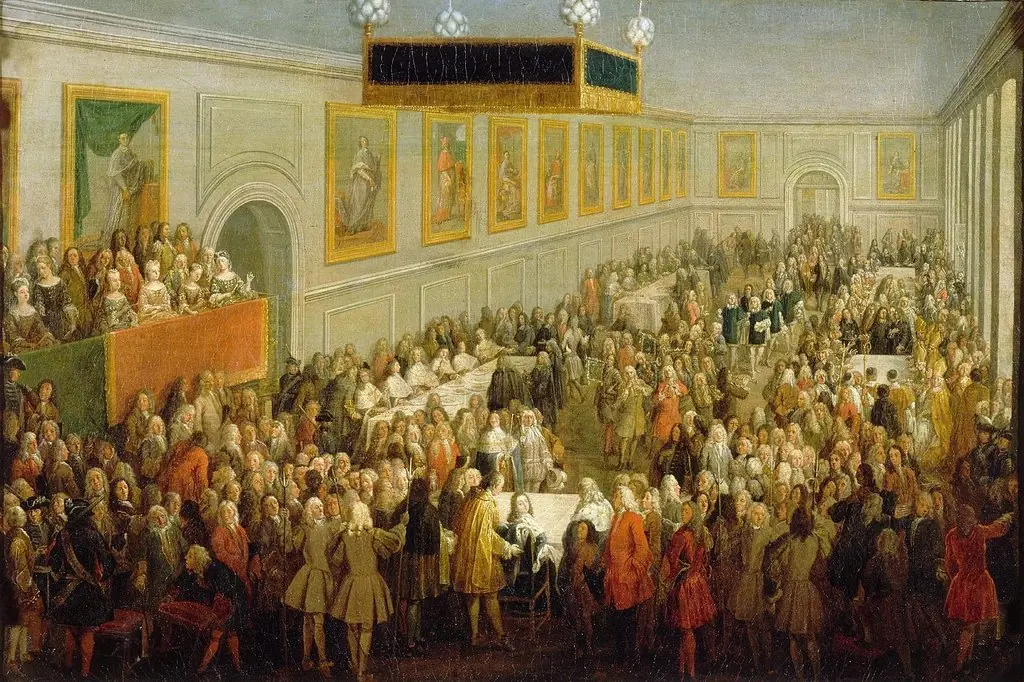 Feast given after the coronation of Louis XV of France
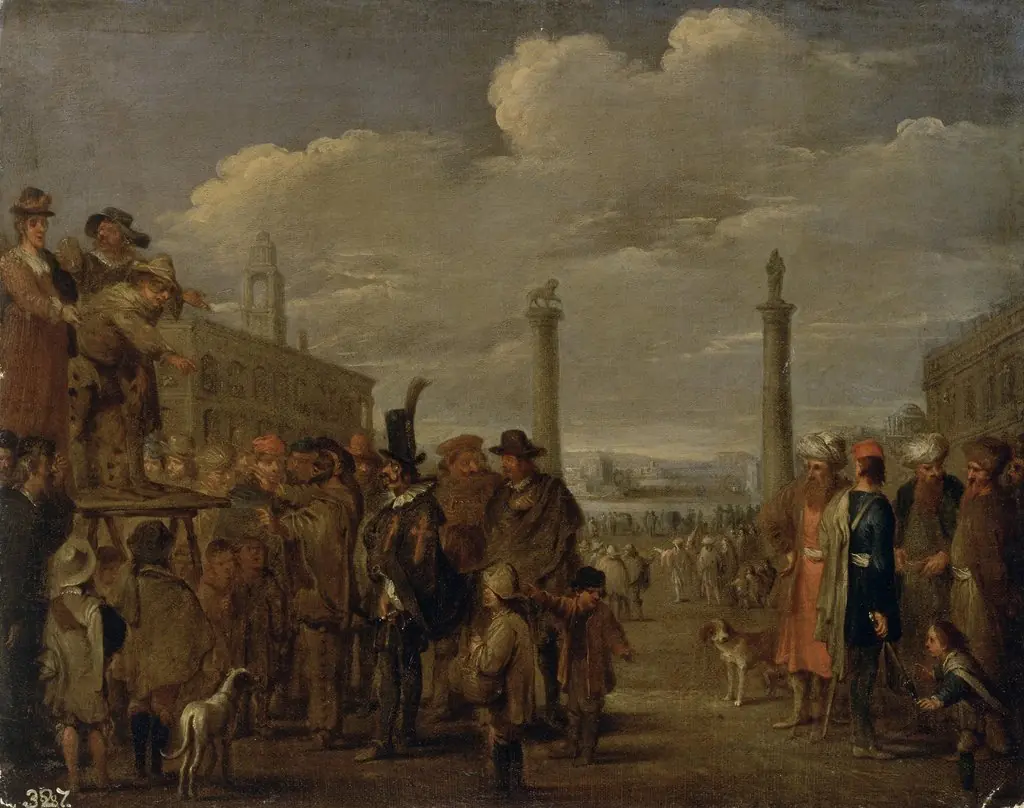 Street Comedians on the Square
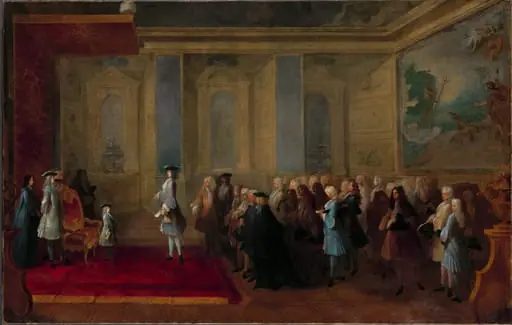 Untitled
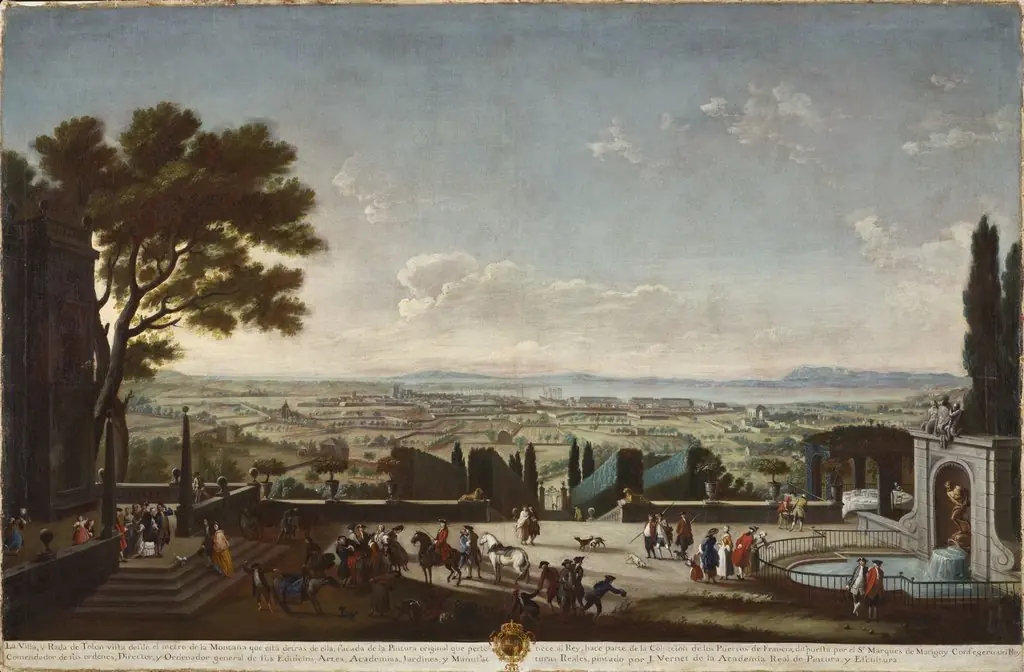 View of the Town and Harbor of Toulon (La villa y rada de Tolón)
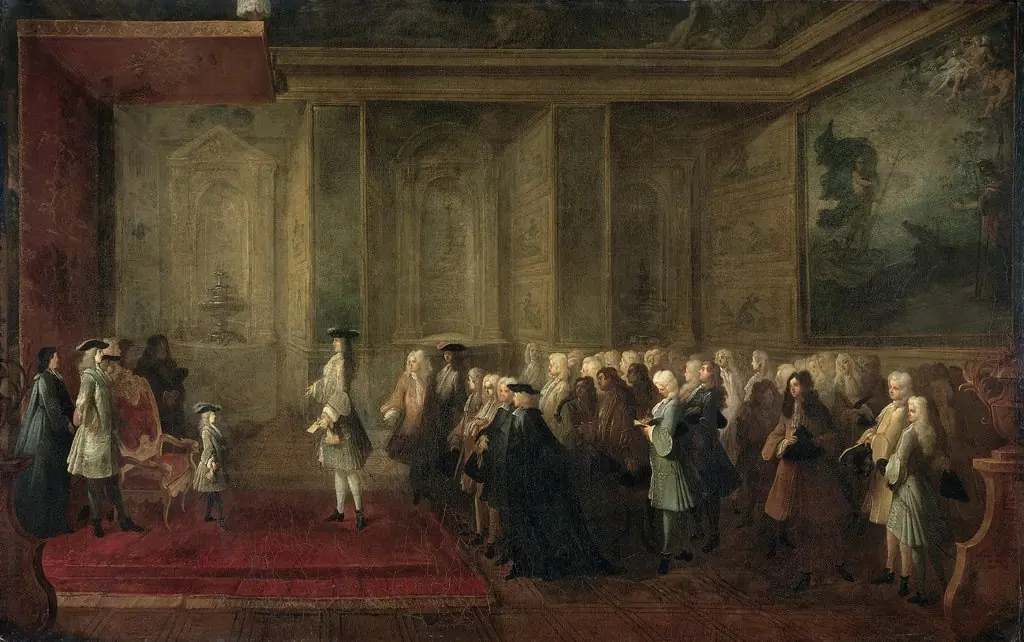 Reception of the Dutch ambassador Cornelis Hop by the French king Louis XV, 24 July 1724
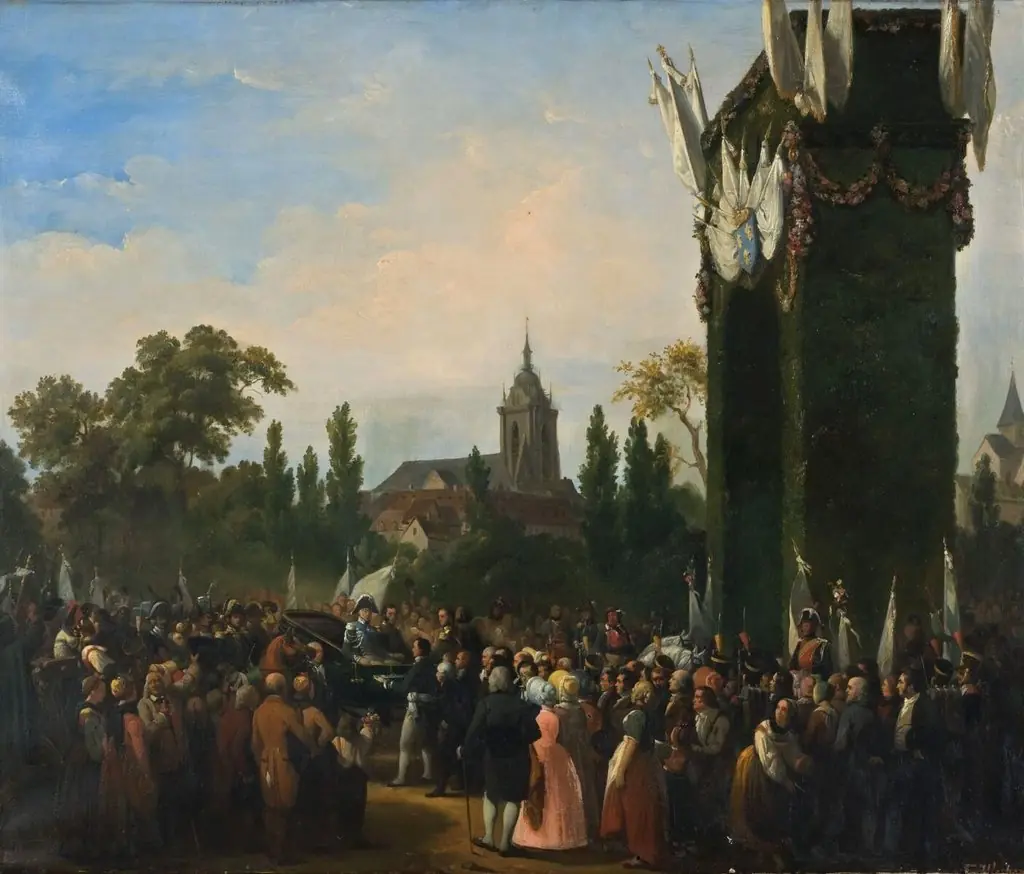 Entry of King Charles X in Colmar on 10 September 1828
 Elegant company supping in a park
 Kilderejsen. Intermedium
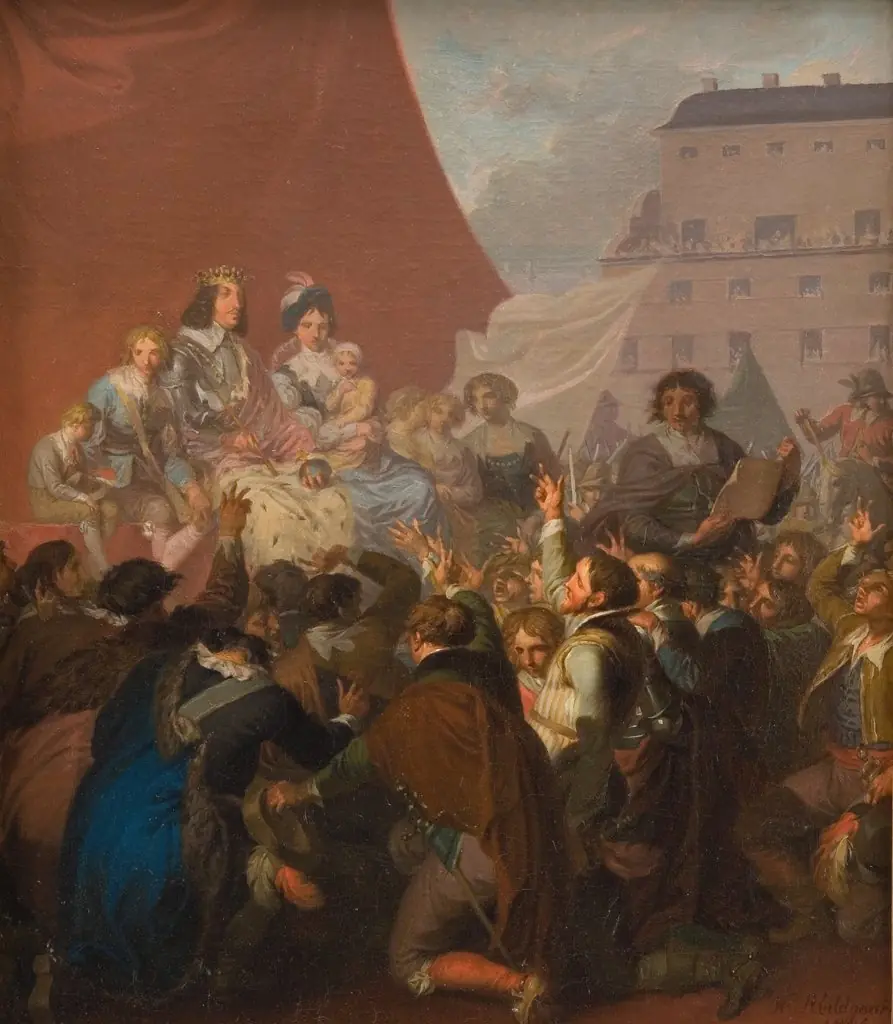 The Oath of Fealty in 1660
 Landschaft mit Reitern