Artwork
Cap de copil
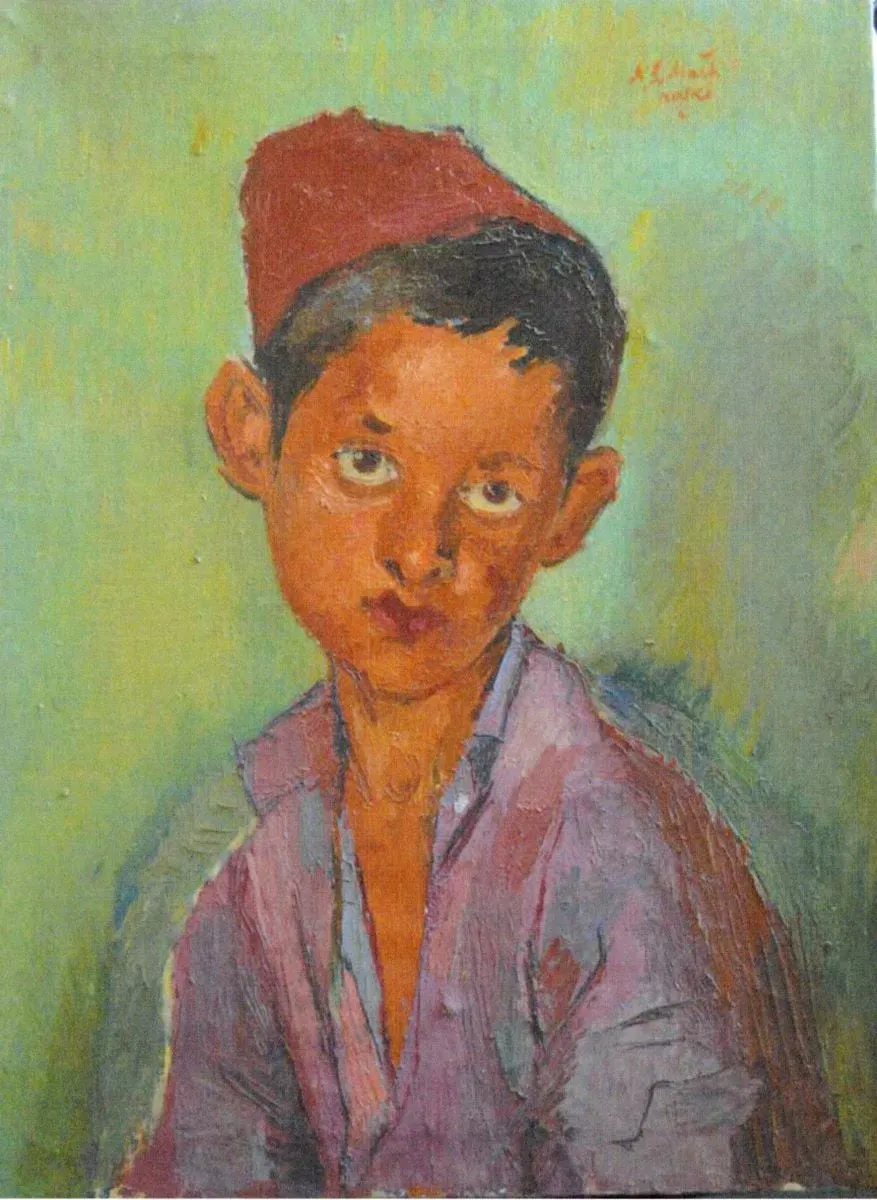
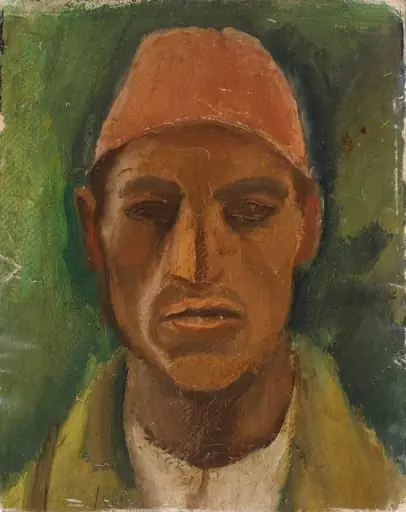
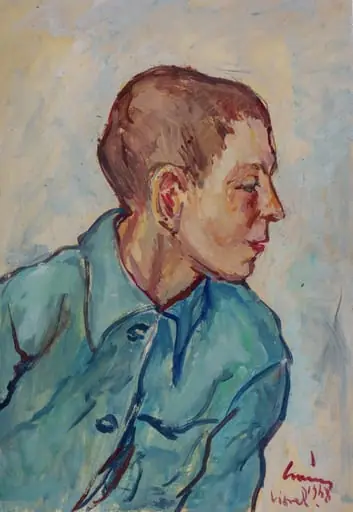
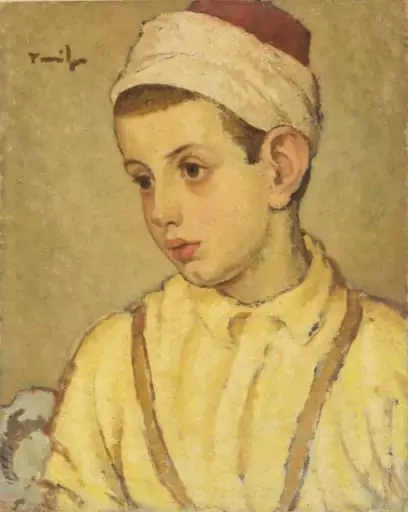
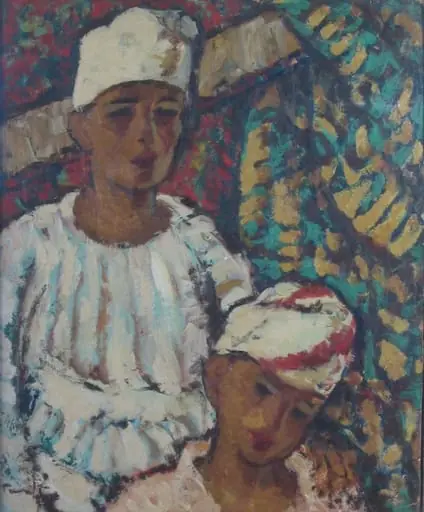
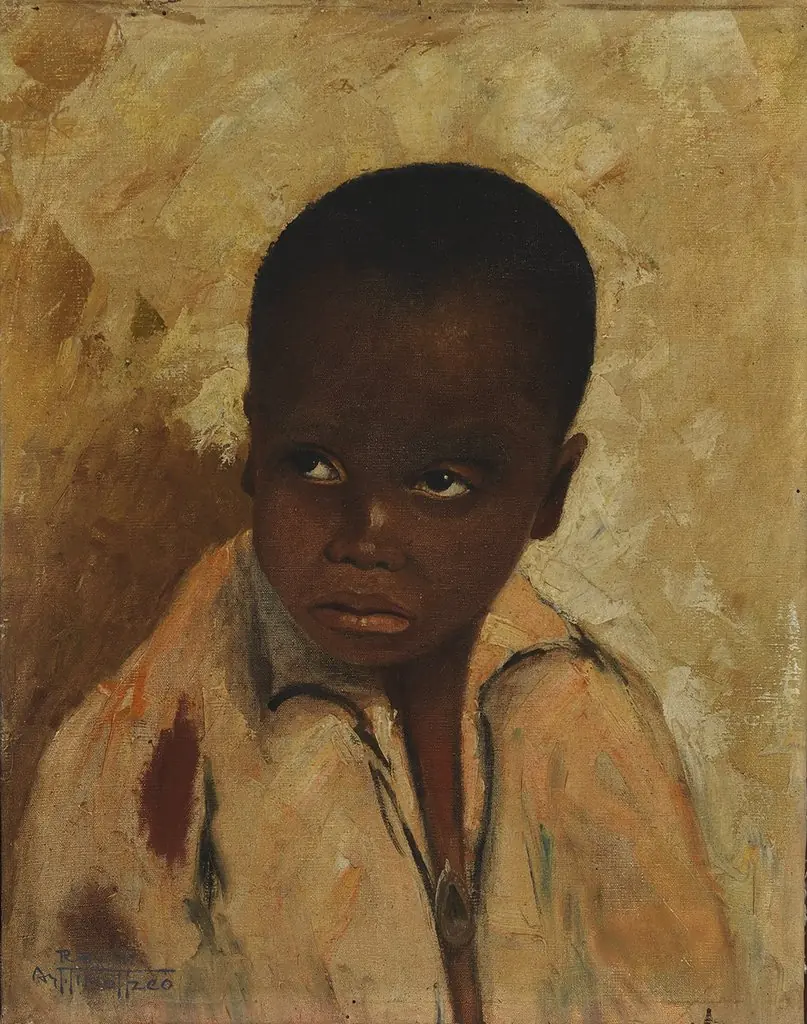
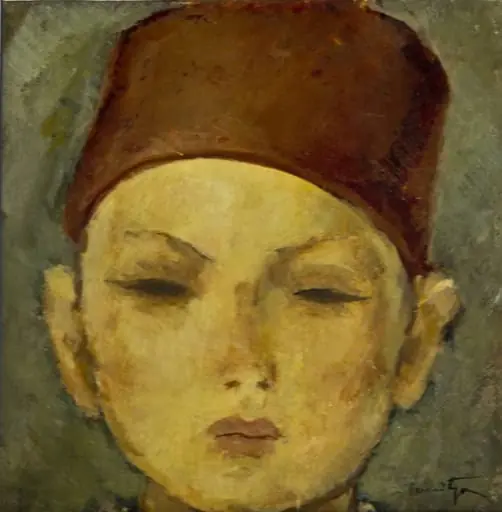
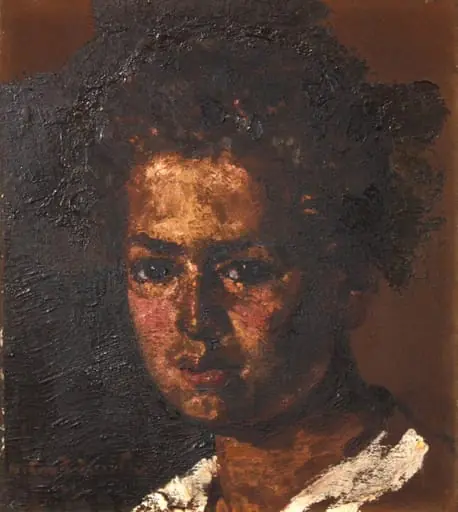
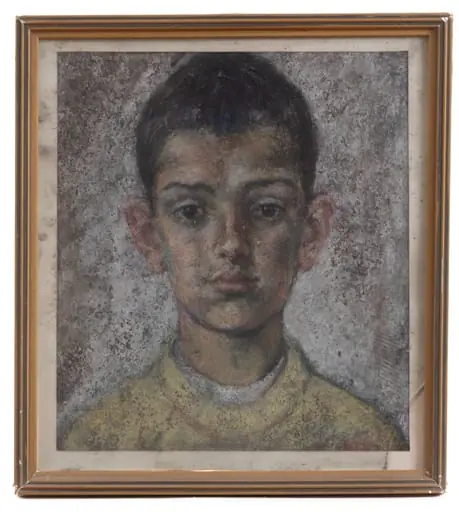
Cap de copil is an unspecified painting by Nicolae Martinovski. It is held in the collection of the Bucharest Municipality Museum. This small-scale image captures a child’s face with immediacy and tenderness.
About this work
Overview
The blurred background isolates the subject, drawing attention to the subtle play of light on skin and the quiet intensity of the gaze.
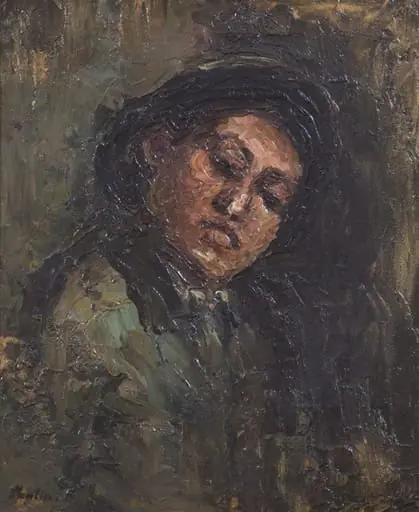
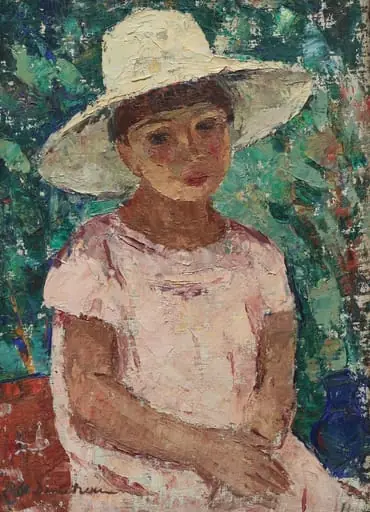
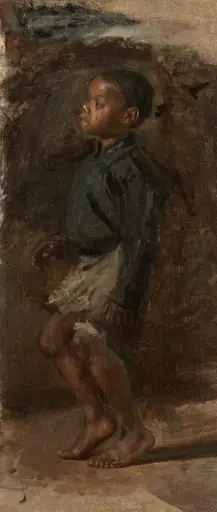
This small-scale image captures a child’s face with immediacy and tenderness. Executed in loose brushwork and warm tones, it avoids formal composition in favor of a spontaneous, intimate presence. The blurred background isolates the subject, drawing attention to the subtle play of light on skin and the quiet intensity of the gaze. Its scale and handling suggest a study rather than a grand portrait.
Subject & Meaning
The subject is a young child, rendered without idealization or narrative context. The upward glance and tousled hair convey naturalness, not performance. There is no symbolic attribute or setting to guide interpretation—only the quiet presence of a moment observed. The mood is contemplative, evoking vulnerability and innocence without sentimentality.
Technique & Style
The artist employs rapid, unrefined brushstrokes that suggest movement and texture rather than defined contours. Color is applied in thin, luminous layers, allowing the canvas to breathe beneath warm hues that mimic natural skin tones. The lack of sharp edges and the soft focus of the background reflect an interest in perception over precision, aligning with emerging modern approaches to portraiture.
History & Provenance
The work is held in the collection of the Museum of Ethnography, suggesting its acquisition may relate to anthropological or cultural documentation rather than fine art traditions. Its origins are undocumented, but its style and subject align with late 19th- or early 20th-century studies of everyday life. No record of exhibition or ownership prior to institutional acquisition is known.
Context
Created during a period when artists increasingly turned to informal, unposed subjects, this image reflects broader shifts away from academic portraiture. Similar studies of children by contemporaries sought authenticity in fleeting expressions, often influenced by photography’s immediacy. The work fits within a quiet, observational current in European visual culture, prioritizing presence over narrative.
Legacy
Though not widely reproduced or cited in major art histories, the piece endures as a quiet example of intimate observation. Its preservation in an ethnographic museum underscores its value as a record of lived experience rather than artistic achievement. It continues to resonate through its simplicity, offering a direct encounter with a child’s unmediated gaze.
Artist & collection
Artist