Artwork
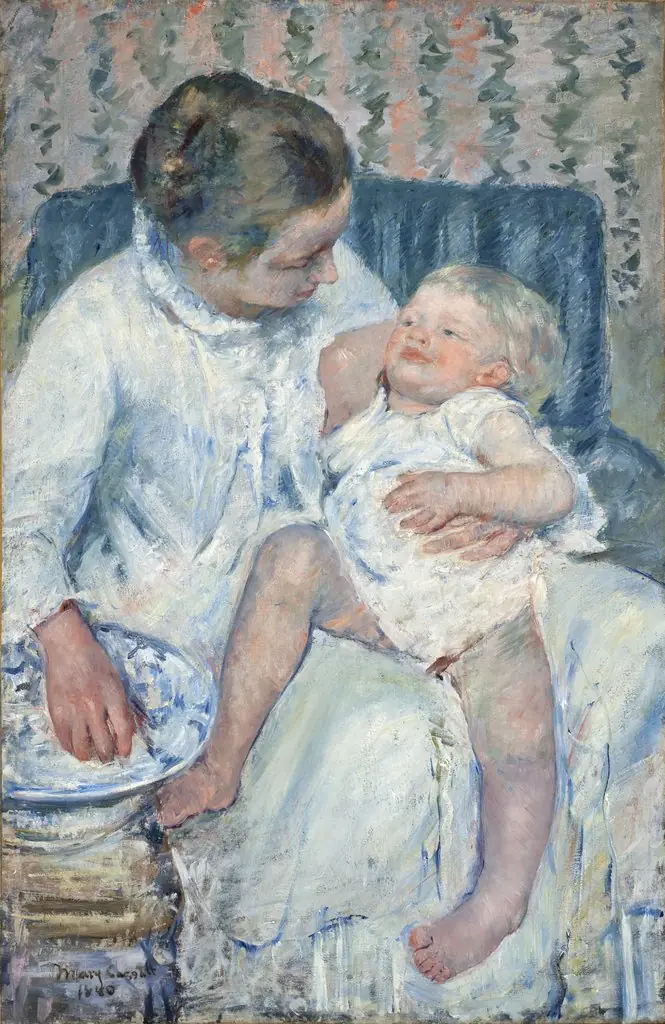
After the Bath
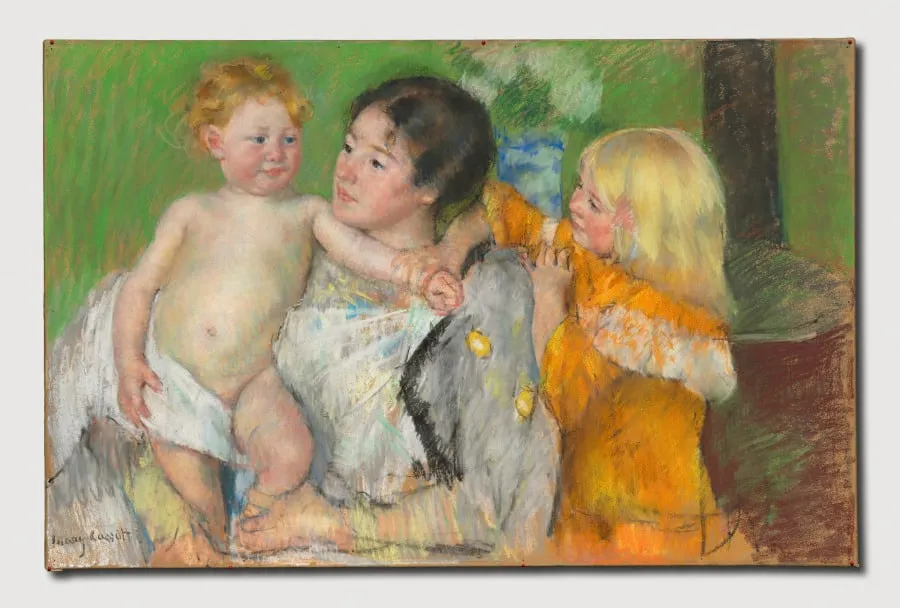
After the Bath is a drawing by Mary Cassatt. It dates from 1901 and is held in the collection of the Cleveland Museum of Art.
About this work
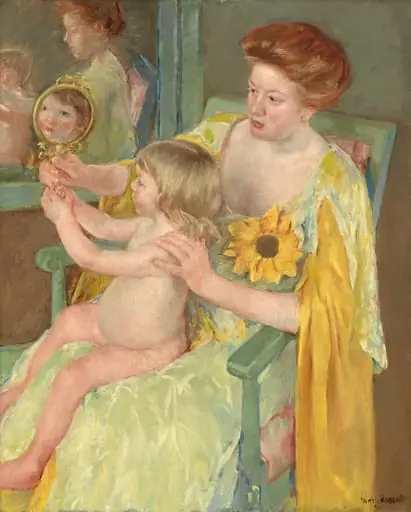
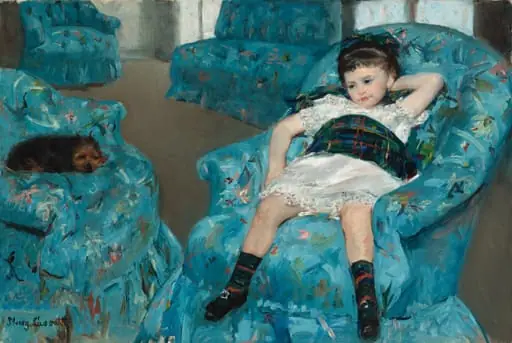
Look for more mother-and-child scenes by Mary Cassatt (American, 1844–1926) in the Cleveland Museum of Art.
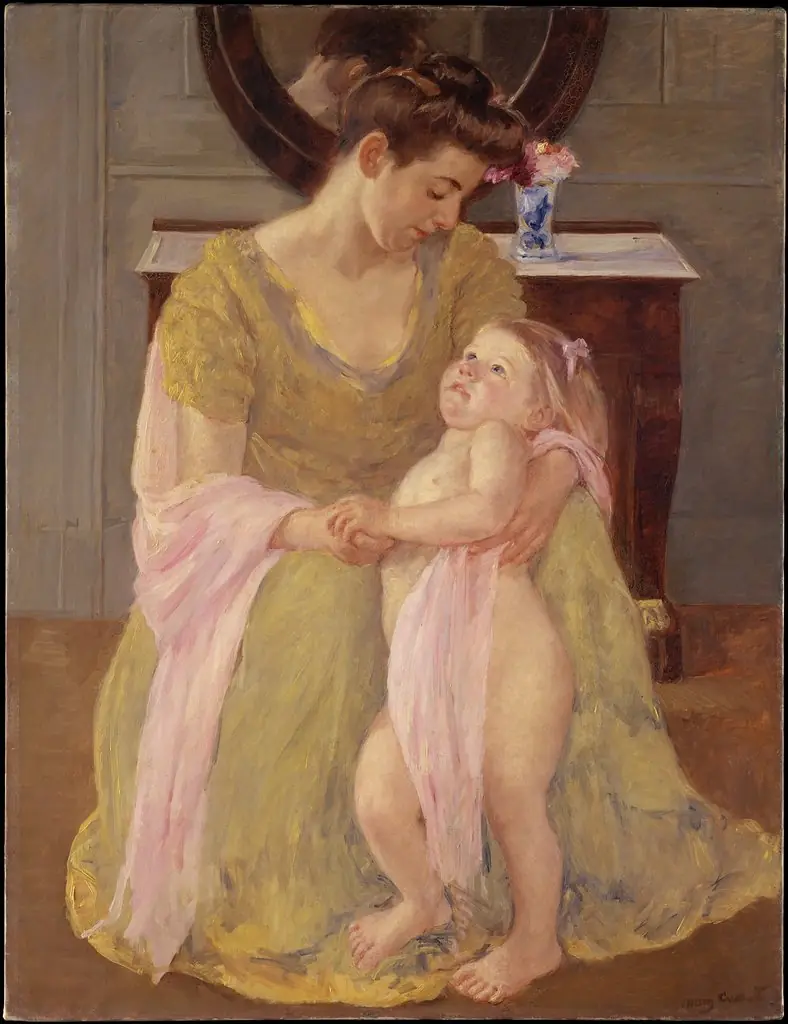
This painting shows a mother drying off a child after a bath. The mom’s face has sharp detail while the rest of the scene is loose and sketchy. Cassatt leaves the background almost blank, making the two figures pop.
Cassatt often painted mothers and kids, but here she plays with soft light. The pastel colors feel warm and gentle, like a quiet moment frozen in time.
Look for more mother-and-child scenes by Mary Cassatt (American, 1844–1926) in the Cleveland Museum of Art.
Overview
Created in pastel, this drawing by Mary Cassatt captures a quiet domestic moment: a mother gently drying her child after a bath. Executed in the 1870s or later, it reflects Cassatt’s sustained engagement with the medium, which she adopted as a primary tool for exploring intimate familial scenes. The work exemplifies her distinctive approach to composition and texture, emphasizing emotional resonance over narrative detail.
Subject & Meaning
The subject—a mother and child in private ritual—recurs throughout Cassatt’s oeuvre, reflecting her interest in the quiet dignity of everyday domestic life. Rather than idealizing the scene, she presents it with unembellished tenderness. The act of drying the child suggests care, routine, and closeness, rendered without sentimentality. The absence of context or setting focuses attention on the physical and emotional bond between the two figures.
Technique & Style
Cassatt applied pastel with deliberate contrast: the mother’s face is rendered with fine, precise strokes, capturing subtle expressions and texture, while the body and surroundings are suggested through loose, fluid marks. The background is left largely untouched, enhancing the figures’ presence through negative space. This technique directs the viewer’s gaze inward, toward the intimacy of the moment rather than its surroundings.
History & Provenance
This drawing belongs to a series of pastels Cassatt produced from the 1870s onward, following her association with the Impressionists. It was likely created during a period when she was refining her personal style, moving away from academic conventions. The work entered the Cleveland Museum of Art’s collection as part of a broader acquisition of her drawings and prints, reflecting institutional recognition of her contributions to American and modern art.
Context
Cassatt’s focus on maternal themes aligned with contemporary shifts in artistic subject matter, away from grand historical narratives toward personal, domestic life. Her use of pastel, a medium often associated with Rococo charm, was repurposed to convey modern realism. The soft, warm tones and muted lighting reflect both the influence of Japanese prints and her own sensitivity to natural, unposed moments within the home.
Legacy
Cassatt’s approach to the mother-and-child theme, particularly through pastel, influenced later artists exploring intimacy and private life. Her technical innovation—balancing detailed portraiture with expressive abstraction—expanded the possibilities of the medium. This drawing remains a quiet testament to her ability to elevate ordinary moments through careful observation and restrained execution.
Artist & collection
Artist
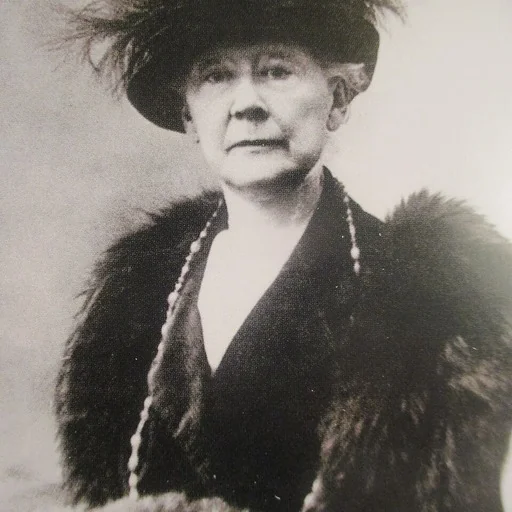
Mary Stevenson Cassatt (; May 22, 1844 – June 14, 1926) was an American painter and printmaker.

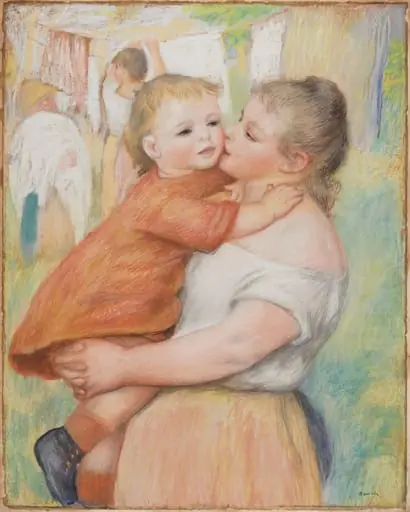 Laundress and Her Child (Aline and Pierre)
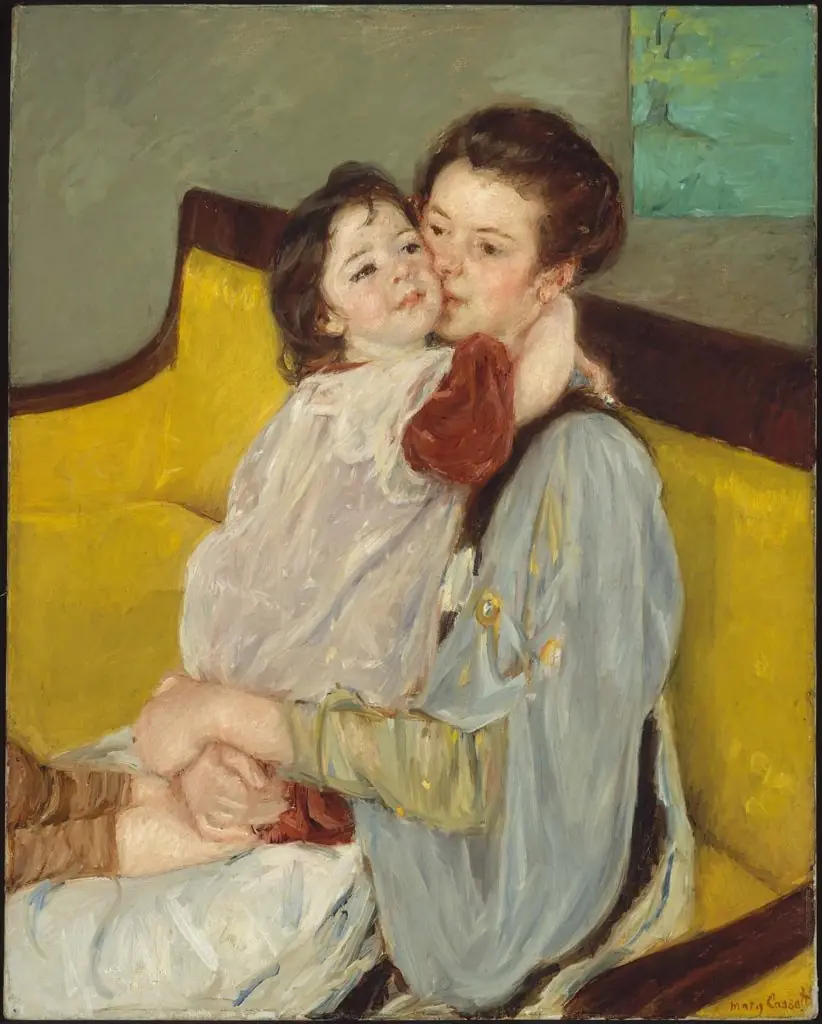 Caresse Maternelle
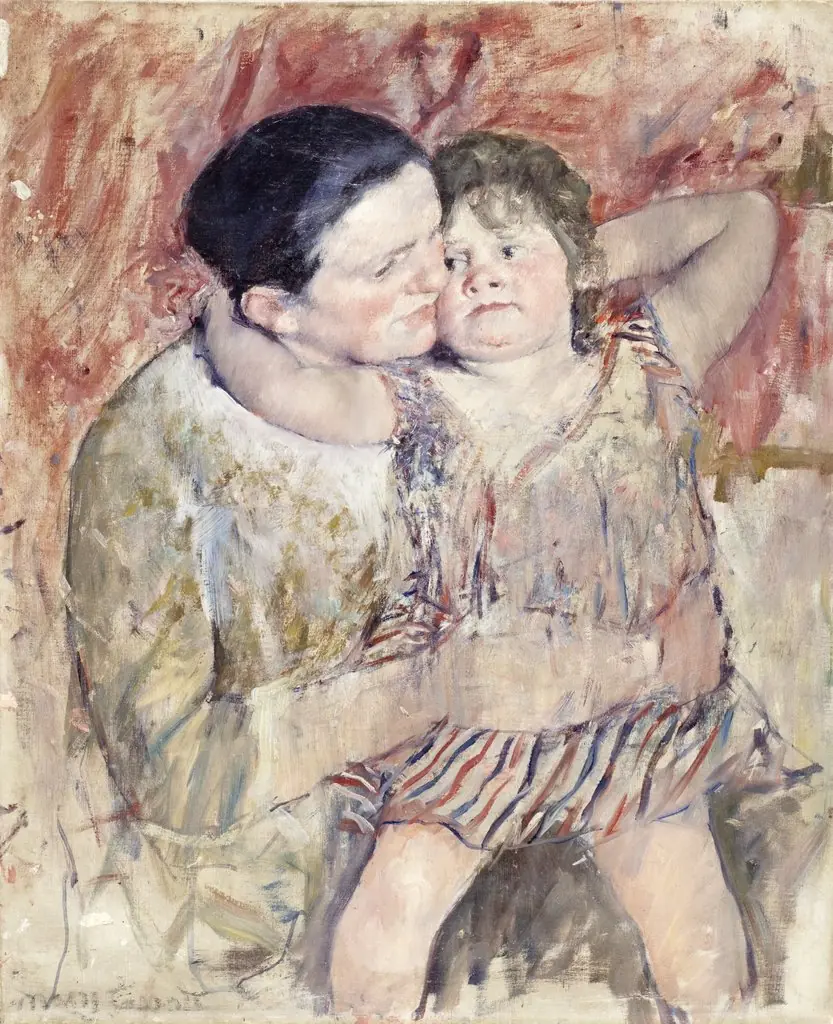 Woman and Child
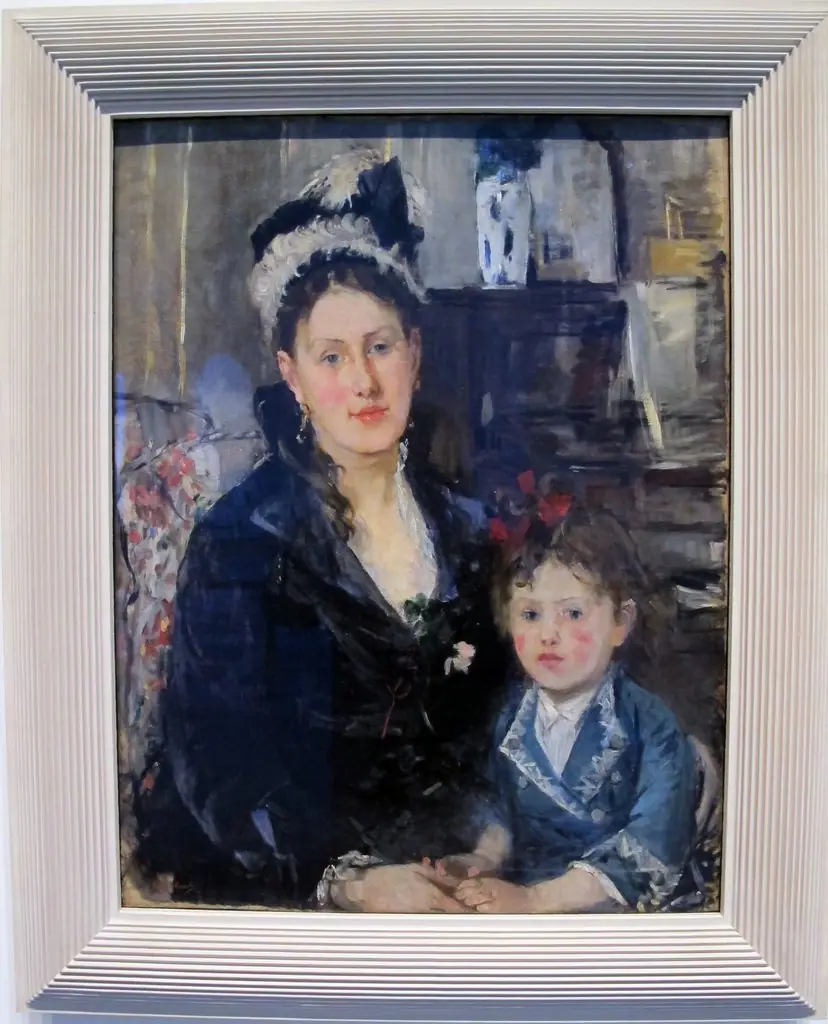 Portrait of Mme Boursier and Her Daughter
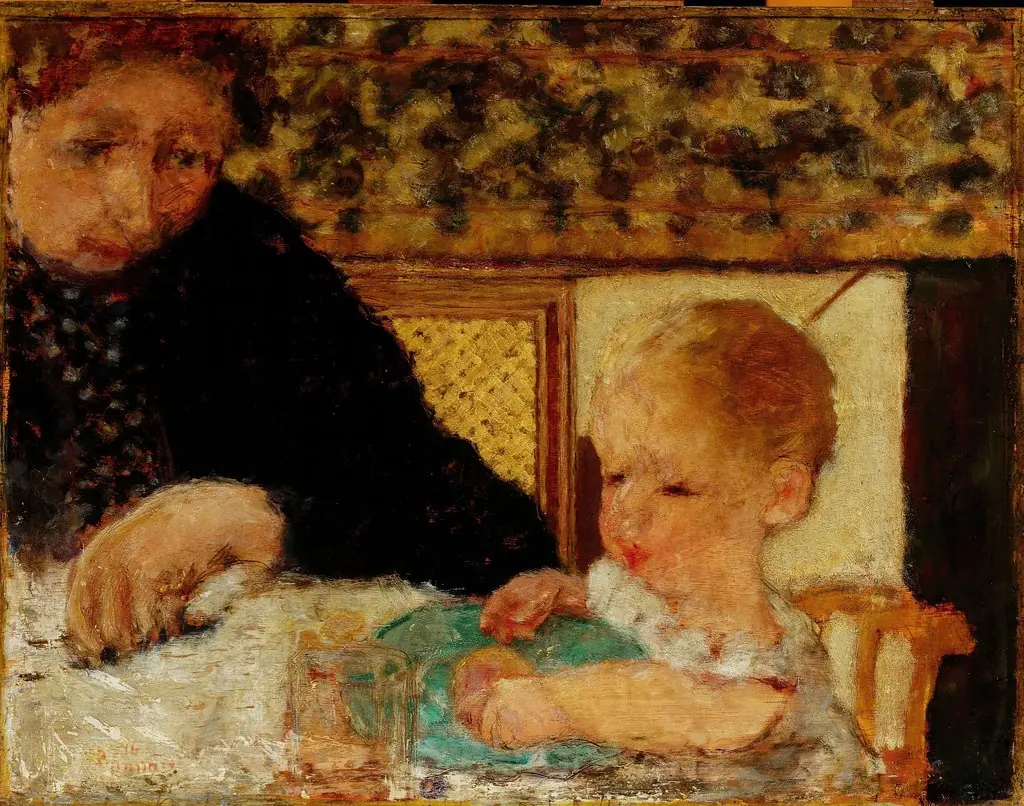 Grandmother with a Child
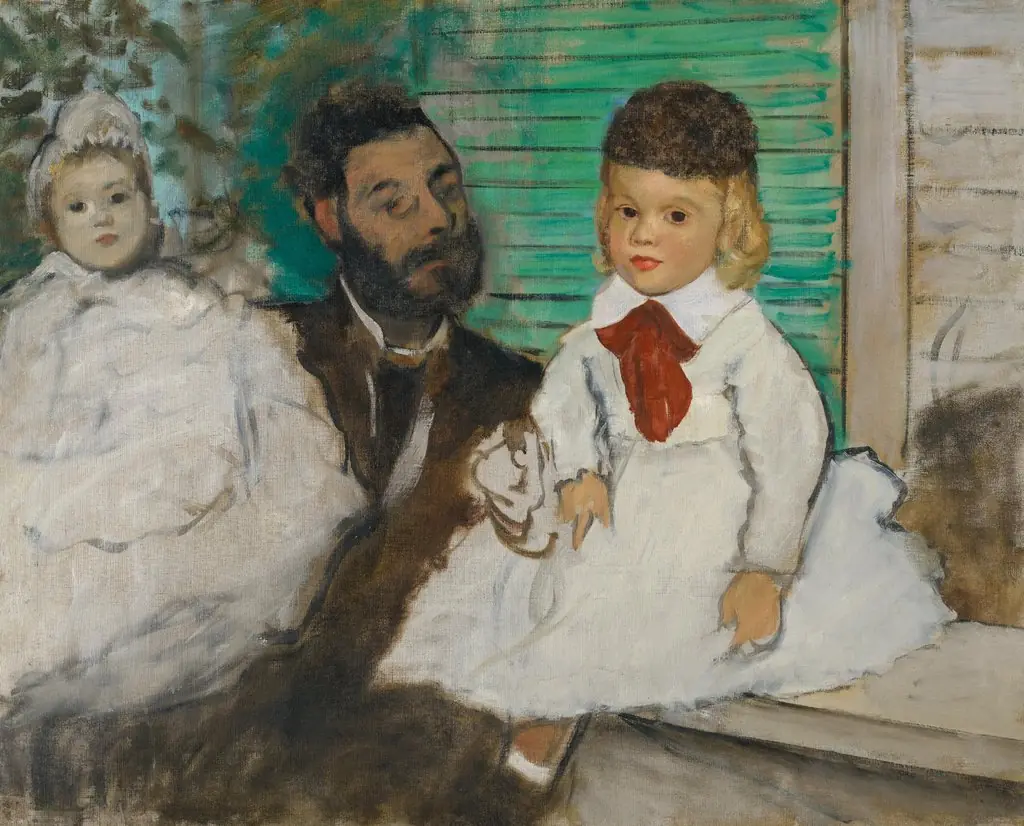 Count Lepic and His Daughters
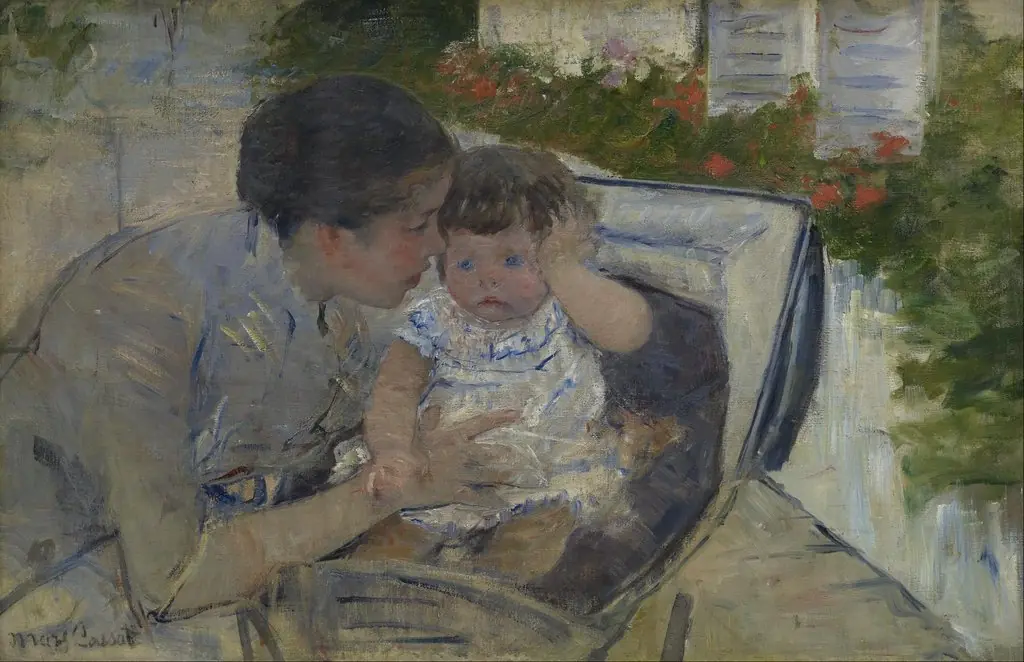 Susan Comforting the Baby
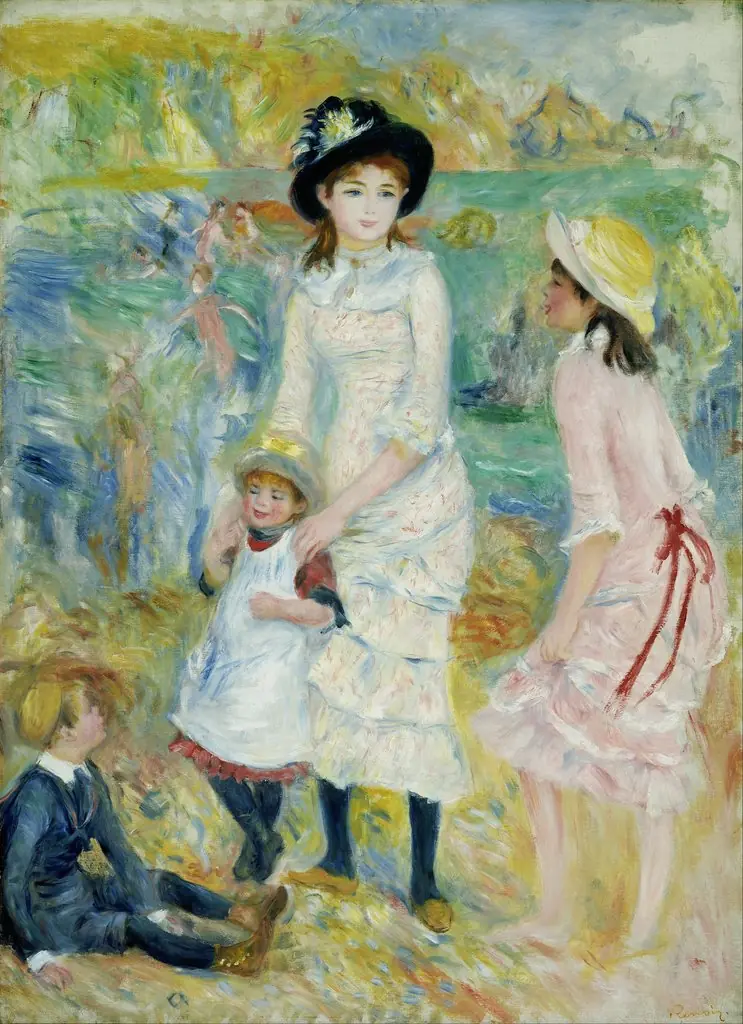 Children on the Seashore, Guernsey
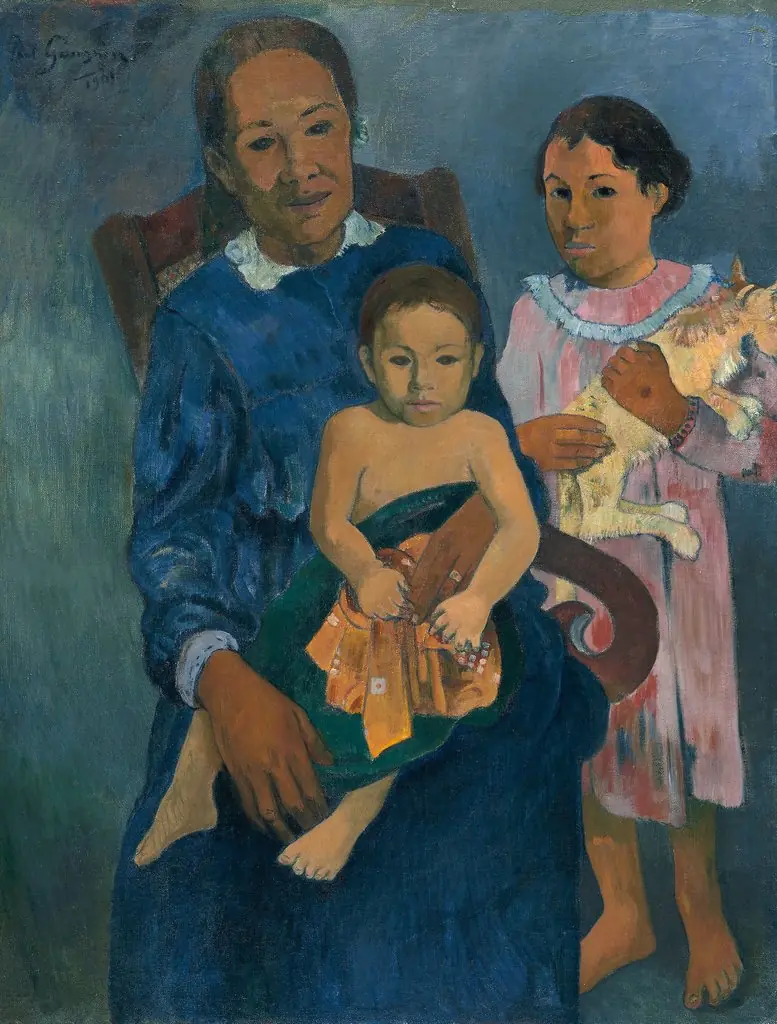 Polynesian Woman with Children
 Mamă cu copil
 A Child's Bath
 Little girl reading