Artwork
Saint Anthony Eremita
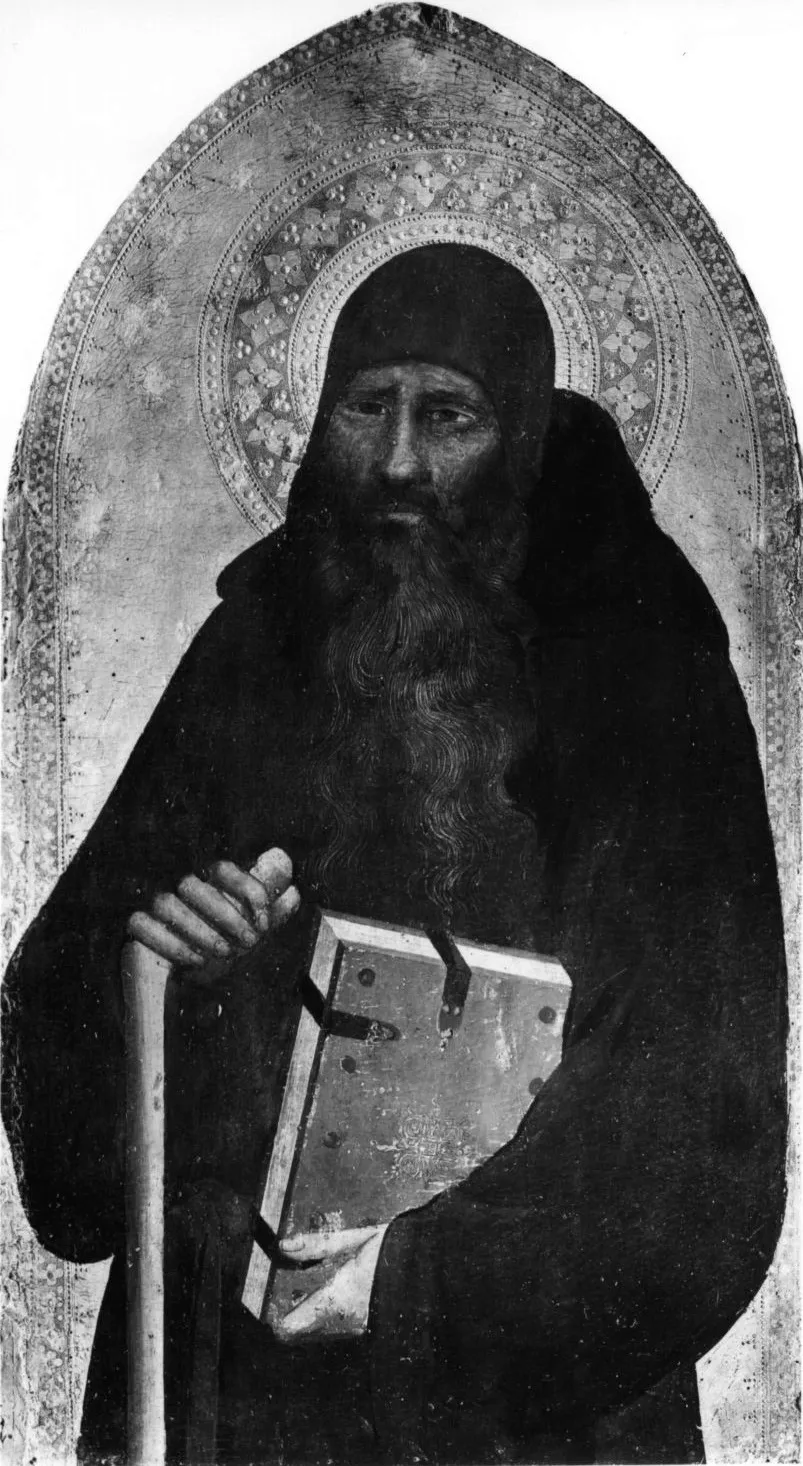
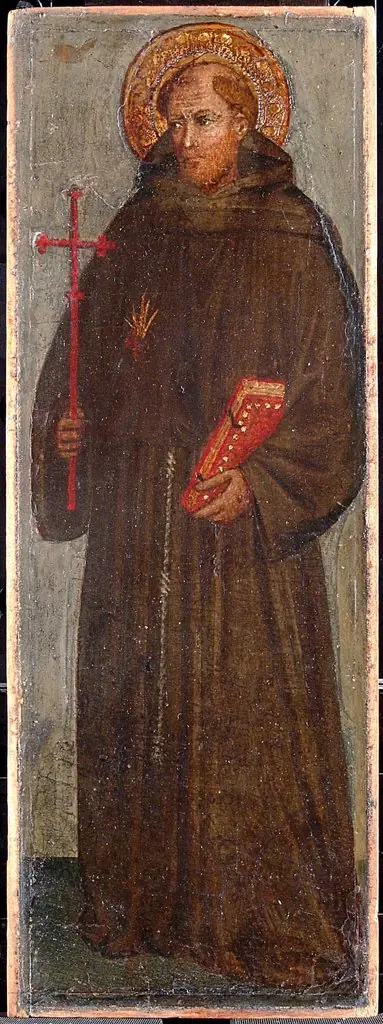
Saint Anthony Eremita is a paint painting by Maso di Banco. It dates from 1300 and is held in the collection of the Gemäldegalerie Berlin.
About this work
Overview
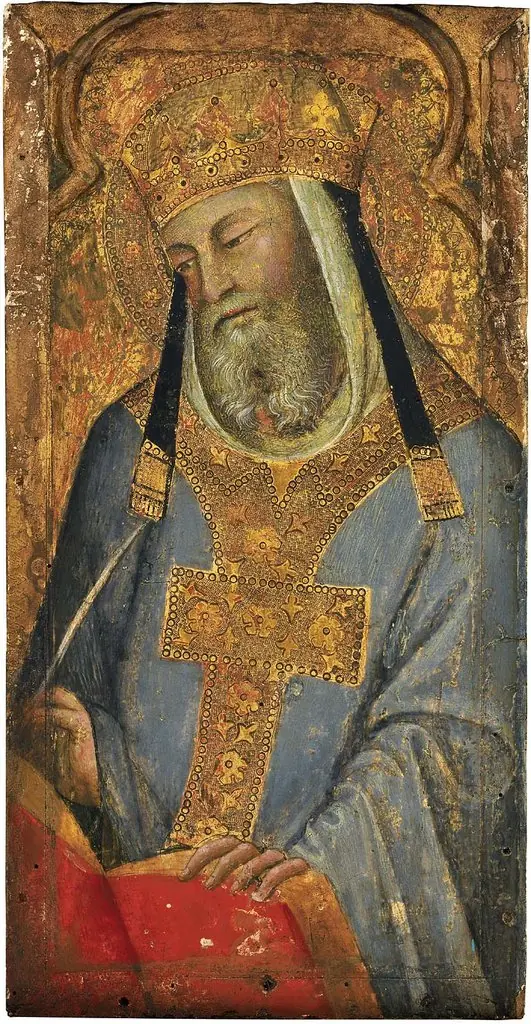
Saint Anthony Eremita is a painting attributed to Maso di Banco, a Florentine artist active in the 14th century, specifically around 1335–1350. Created circa 1300, the work exemplifies the early development of three-dimensional and dramatic realism in Florentine art, characteristic of Giotto's influence.
Subject & Meaning
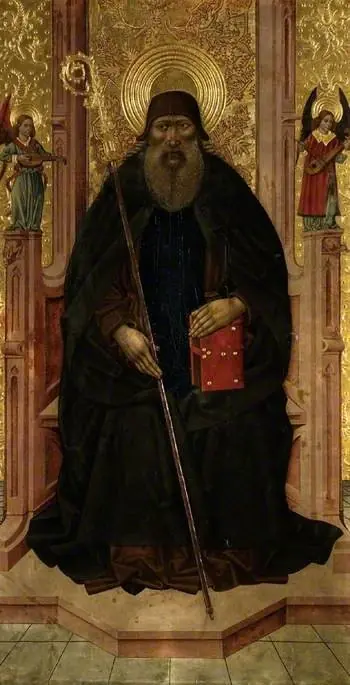
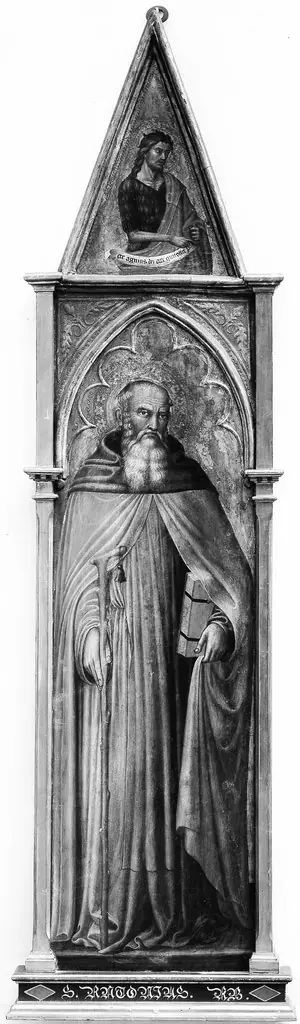
The painting portrays a religious figure, identifiable by his attire and attributes—a dark-robed, bearded man holding a book (symbolizing scripture or knowledge) and a staff (indicating pilgrimage or spiritual guidance). The subject's identity as Saint Anthony Eremita (a hermit saint) is implied by these elements.
Technique & Style
Composed against a distinctive circular, ornate background, the figure is rendered in a style that reflects Maso di Banco's training under Giotto, emphasizing depth and the beginnings of realistic representation. The circular frame may symbolize unity or the saint's contemplative, isolated nature.
History & Provenance
Documented by Lorenzo Ghiberti in the early 15th century, *Saint Anthony Eremita* is part of Maso di Banco's recognized oeuvre. The painting is currently housed in the Gemäldegalerie Berlin.
Context
This work reflects the transitional period in Florentine art from the Byzantine to the more humanistic, realistic styles of the early Renaissance, influenced by Giotto's innovations.
Legacy
While not as widely recognized as works by his master Giotto, *Saint Anthony Eremita* contributes to the understanding of the evolution of Florentine painting in the 14th century, showcasing Maso di Banco's role in this artistic shift.
Artist & collection
Artist
Maso di Banco (working c 1335–1350) was an Italian painter of the 14th century, who worked in Florence, Italy.

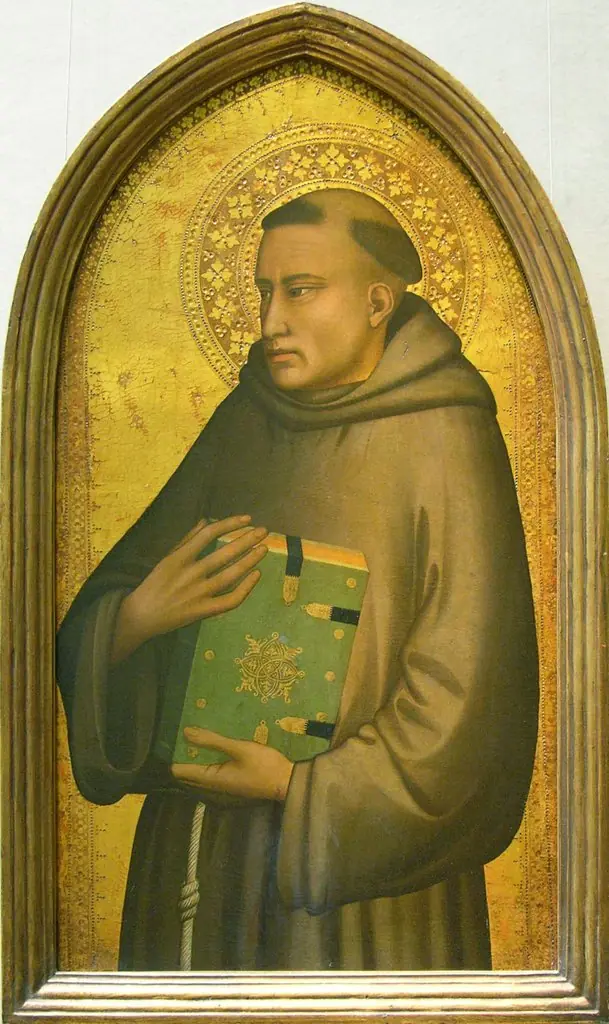 Saint Anthony of Padua
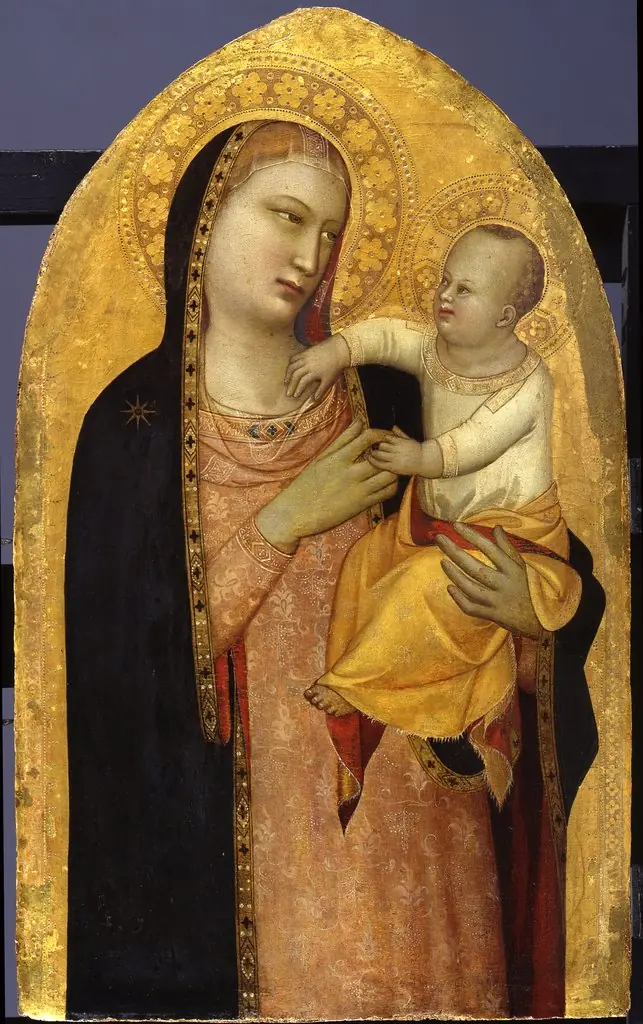 Mary and child
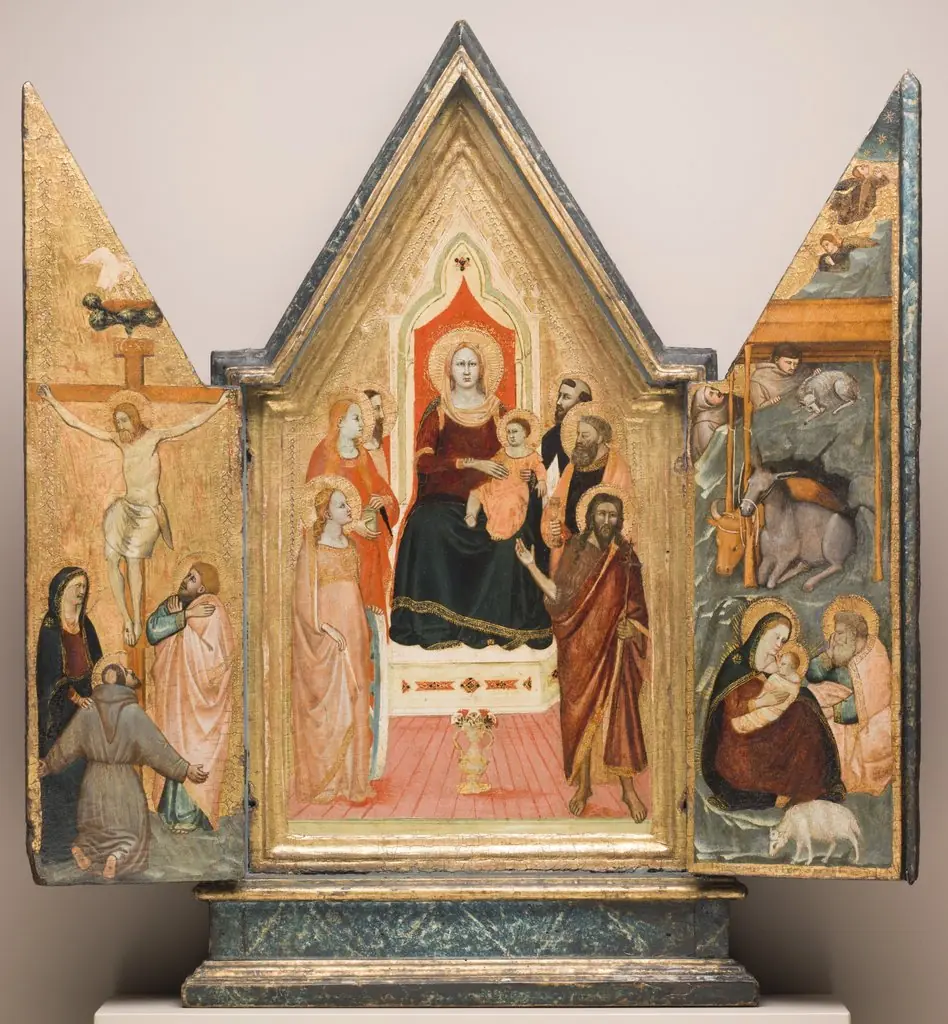 Virgin Enthroned with Saints, Nativity and Crucifixion
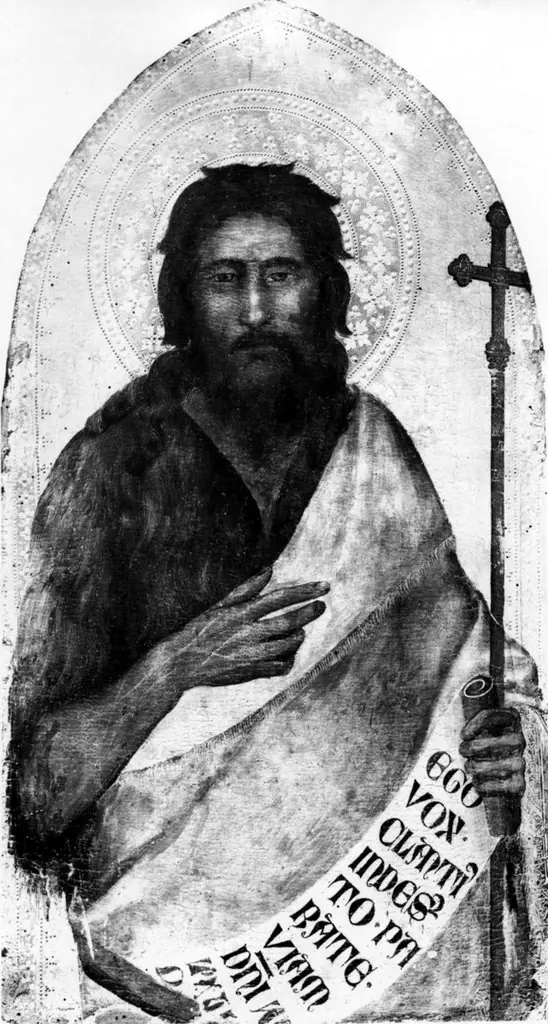 Saint John the Baptist
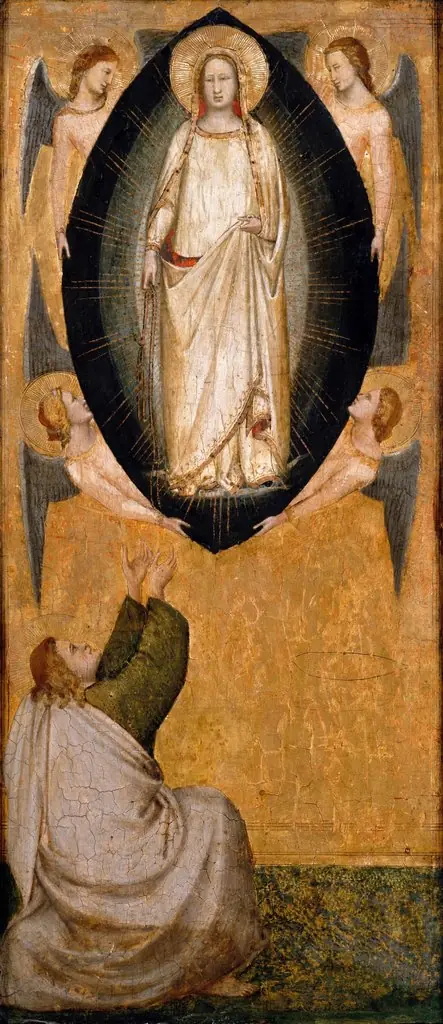 Descent of Mary's Girdle to the Apostle Thomas
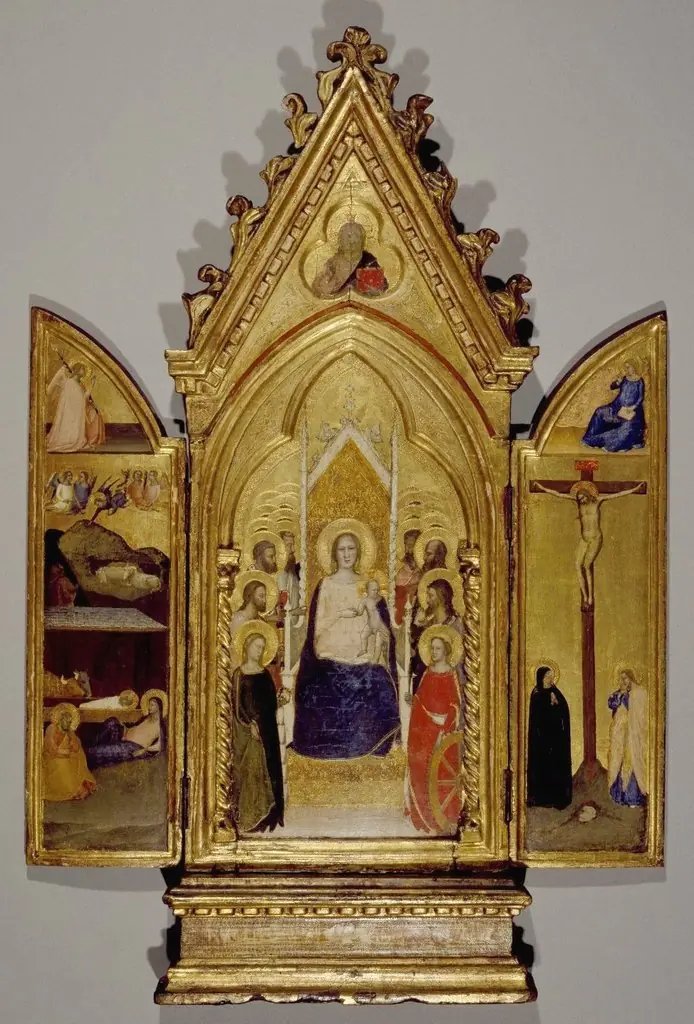 Triptych: Madonna with Saints and Christ Blessing (Center); The Nativity and the Annunciate Angel (Left Wing); Crucifixion and the Virgin Annunciate (Right Wing)
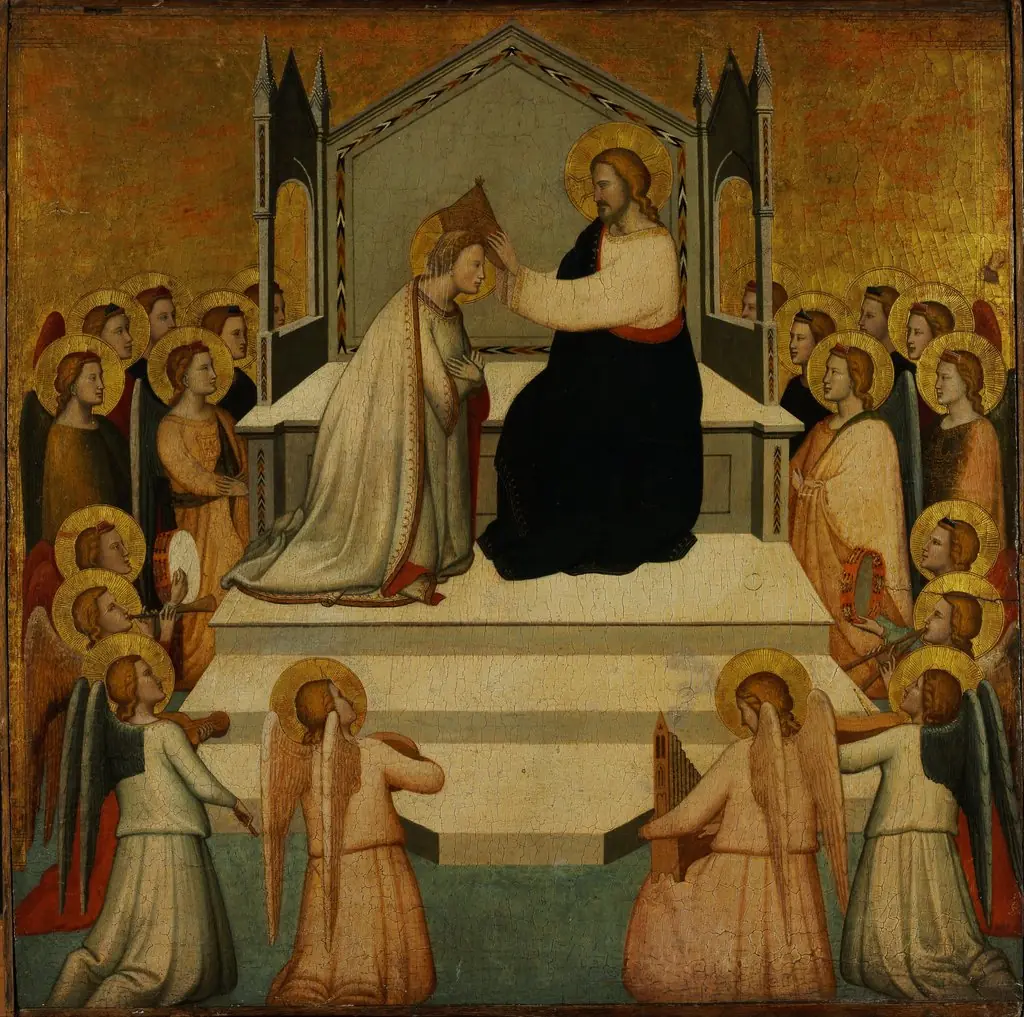 Coronation of the Virgin