Artwork
John Arnold (1736–1799)
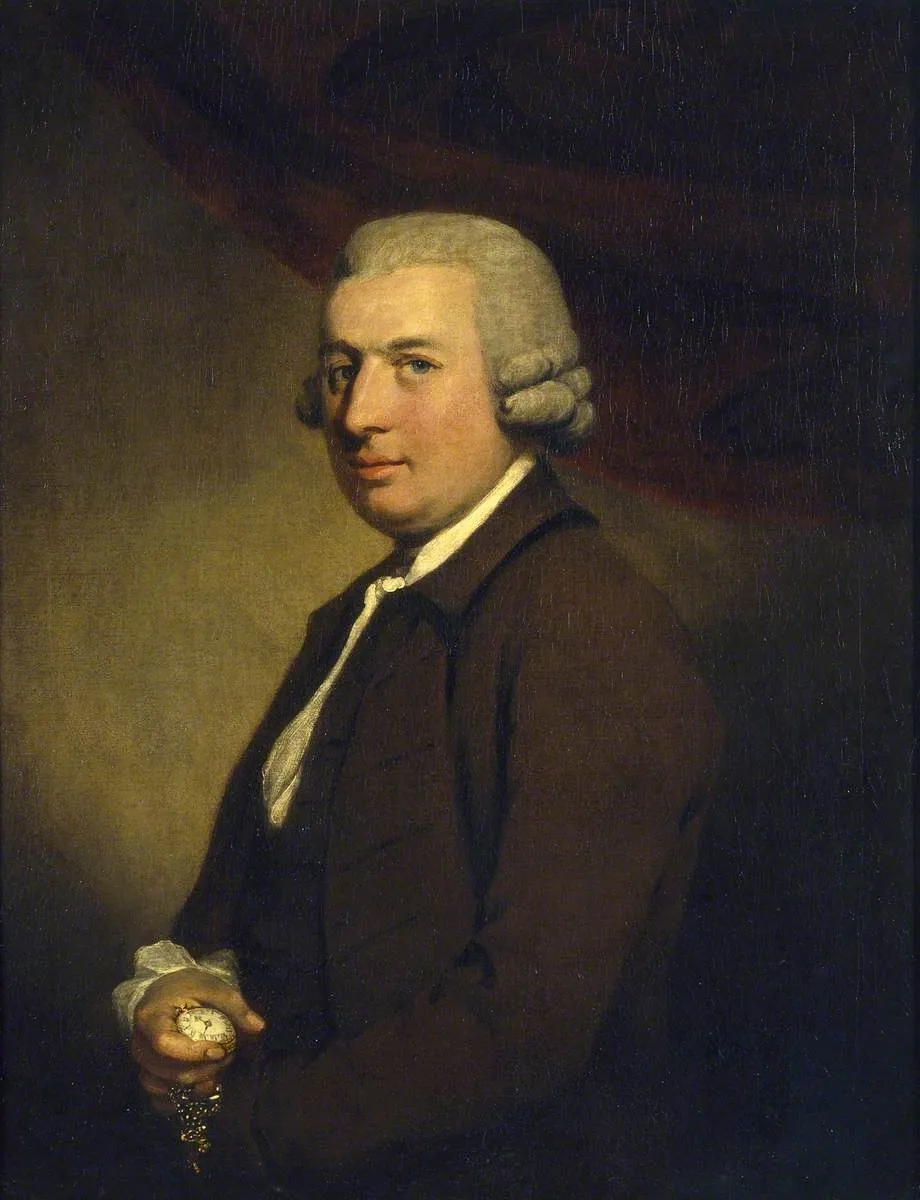
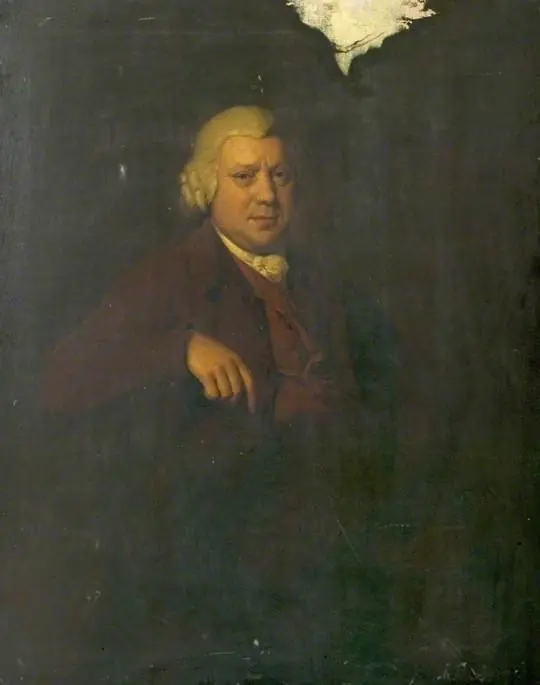
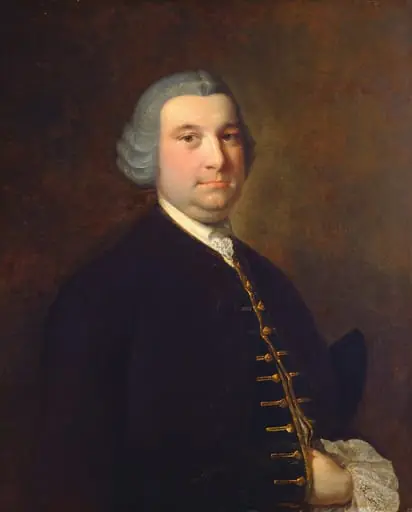
John Arnold (1736–1799) is an oil painting by the Rococo painting artist Mason Chamberlin. It dates from 1765 and is held in the collection of the British Museum.
About this work
Overview
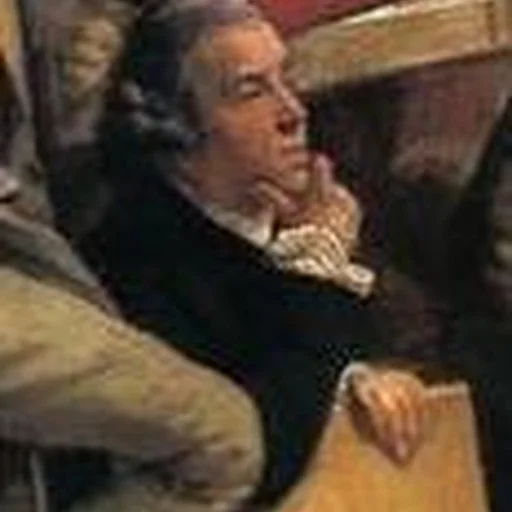
Mason Chamberlin’s 1765 oil portrait presents John Arnold, a gentleman of the mid‑eighteenth century, in a composed, formal pose. The work resides in the British Museum’s collection and exemplifies Chamberlin’s activity as a portraitist during the Rococo era.
Subject & Meaning
Arnold is shown wearing a dark coat over a white shirt, his hand grasping a pocket watch, suggesting an awareness of time and personal propriety. The powdered wig and solemn expression convey the conventions of genteel respectability and introspection typical of the period’s portraiture.
Technique & Style
Chamberlin employs a restrained palette with warm, muted background tones that set off the subject’s darker attire. Subtle chiaroscuro models Arnold’s face, creating a three‑dimensional presence while maintaining the decorative elegance associated with Rococo aesthetics.
History & Provenance
The portrait was executed shortly after Chamberlin’s apprenticeship with Francis Hayman and his involvement in founding the Royal Academy. It entered the British Museum’s holdings at an unspecified later date, where it remains on view as part of the museum’s portrait collection.
Context
Created during a period when English portraiture emphasized refined elegance and personal virtue, the painting reflects contemporary expectations for gentlemen to display status, education, and moral seriousness through visual means.
Artist & collection
Artist
Mason Chamberlin (1727 – 20 January 1787) was an English portrait painter, who was one of the founding members of the Royal Academy in 1768.