Artwork
The Seven Works of Mercy
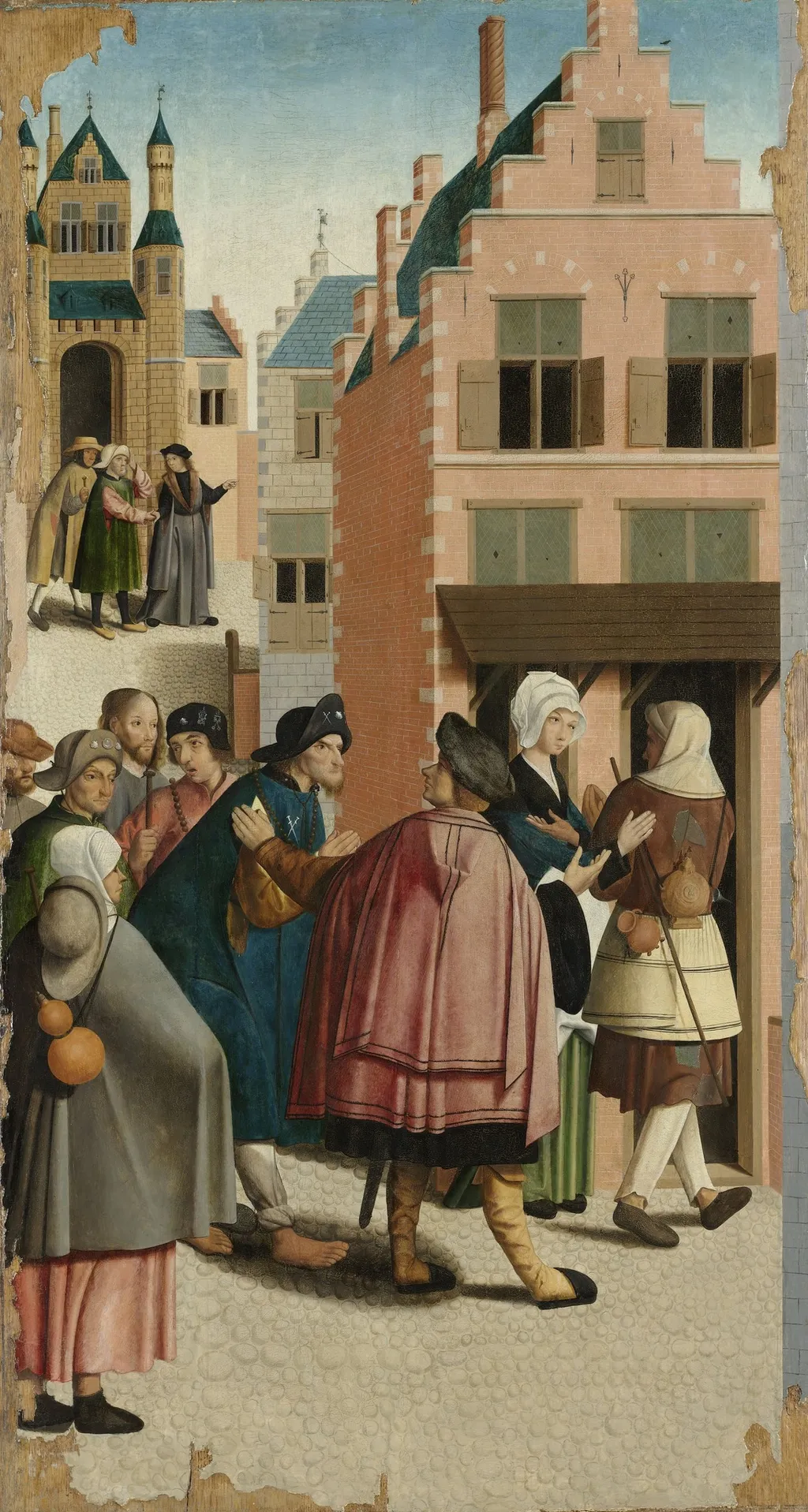
The Seven Works of Mercy is an oil painting by the Northern Renaissance artist Master of Alkmaar. It dates from 1504 and is held in the collection of the Rijksmuseum.
About this work
The artist has used a range of colors to bring the scene to life, from the warm tones of the buildings to the cool blues of the sky.
This painting depicts a bustling scene with people gathered in front of a building. The group is dressed in attire from the early 16th century, with men and women wearing hats, cloaks, and long dresses. In the background, a few people are standing near another building, while the sky above is a soft blue.
The artist has used a range of colors to bring the scene to life, from the warm tones of the buildings to the cool blues of the sky. The figures are arranged in a dynamic composition, with some facing forward and others turned to the side.
The painting's attention to detail and use of color create a sense of depth and atmosphere, drawing the viewer into the scene. For more information on the artist's use of chiaroscuro, explore the works of Master of Alkmaar.
Overview
Created in 1504, this oil on canvas presents a lively tableau of everyday figures set before a modest building, illustrating the seven corporal acts of mercy. The composition is populated by men and women in early‑sixteenth‑century dress, their gestures and interactions forming a narrative that invites viewers to contemplate charitable deeds within a communal setting.
Subject & Meaning
The work visualizes the traditional Christian duties of feeding the hungry, giving drink, clothing the naked, sheltering the homeless, visiting the sick, comforting the afflicted, and burying the dead. Each act is represented by a distinct group of characters, collectively emphasizing the moral imperative of compassion and the social responsibilities prescribed by the Church.
Technique & Style
Executed with a vivid palette, the painter balances warm earth tones of the architecture against cool blues of the sky, achieving depth through layered coloration. Figures display exaggerated proportions and a slightly caricatural line, a stylistic trait that aligns the piece with the expressive tendencies of Geertgen tot Sint Jans and other Northern Renaissance artists.
History & Provenance
Originally part of a multi‑panel altarpiece for Saint Lawrence’s church in Alkmaar, the painting remained in the city until it entered the Rijksmuseum’s collection in Amsterdam. Its relocation reflects the broader 19th‑century efforts to preserve Dutch Renaissance art within national institutions.
Context
The early 1500s in the Netherlands saw a flourishing of religious art that combined devotional themes with emerging naturalistic detail. This piece exemplifies that trend, merging didactic content with a lively, almost genre‑scene depiction of daily life, thereby bridging sacred instruction and contemporary visual culture.
Artist & collection
Artist
The Master of Alkmaar was a Dutch painter active around Alkmaar at the beginning of the sixteenth century.

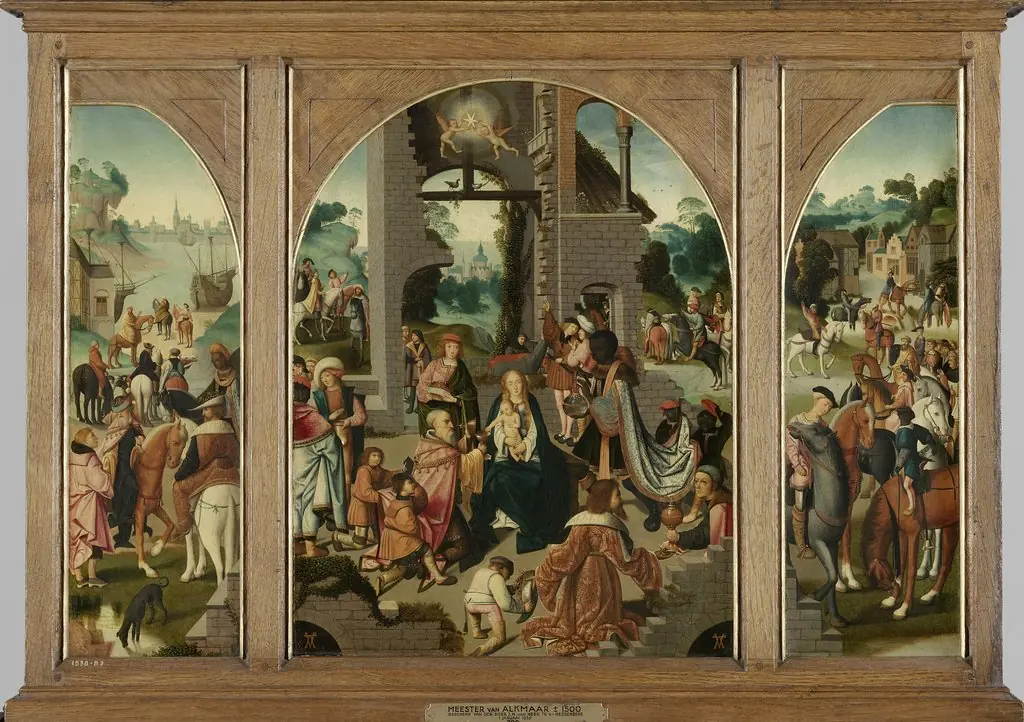 Triptych with the adoration of the Magi (centre panel and inner wings), St Antony Abbot (outer left wing) and St Adrian (outer right wing)
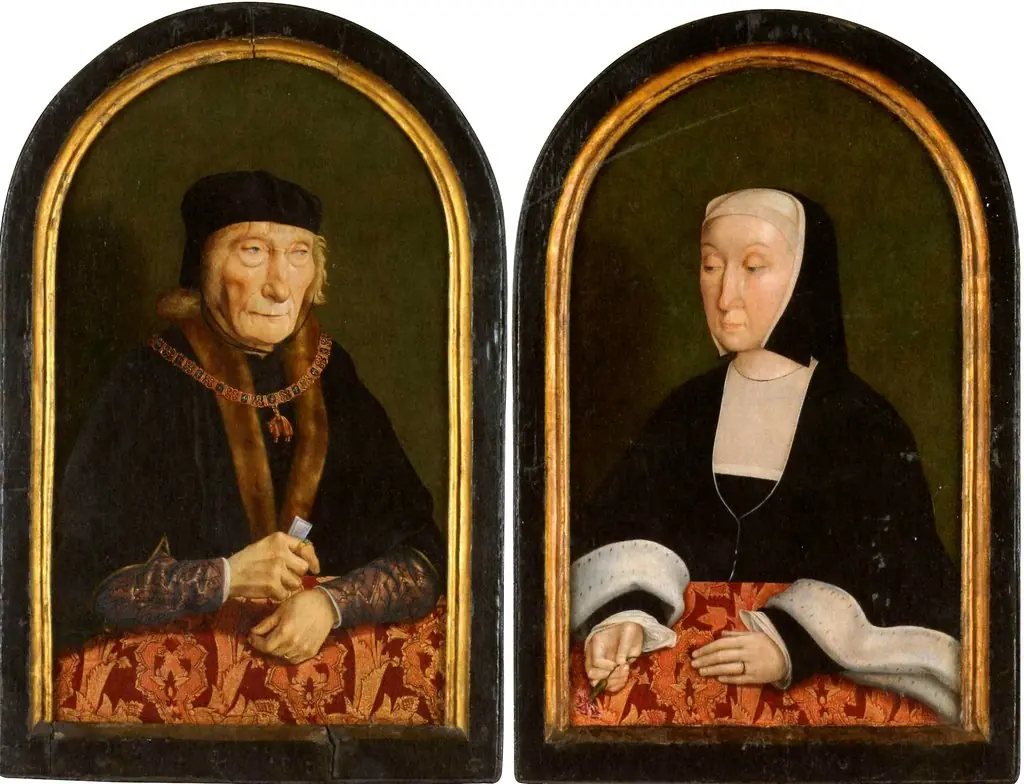 Portrait of Jan III, First Count of Egmond (1438–1516) and his wife Magdalena van Werdenburg, Countess of Egmond (1464–1538)
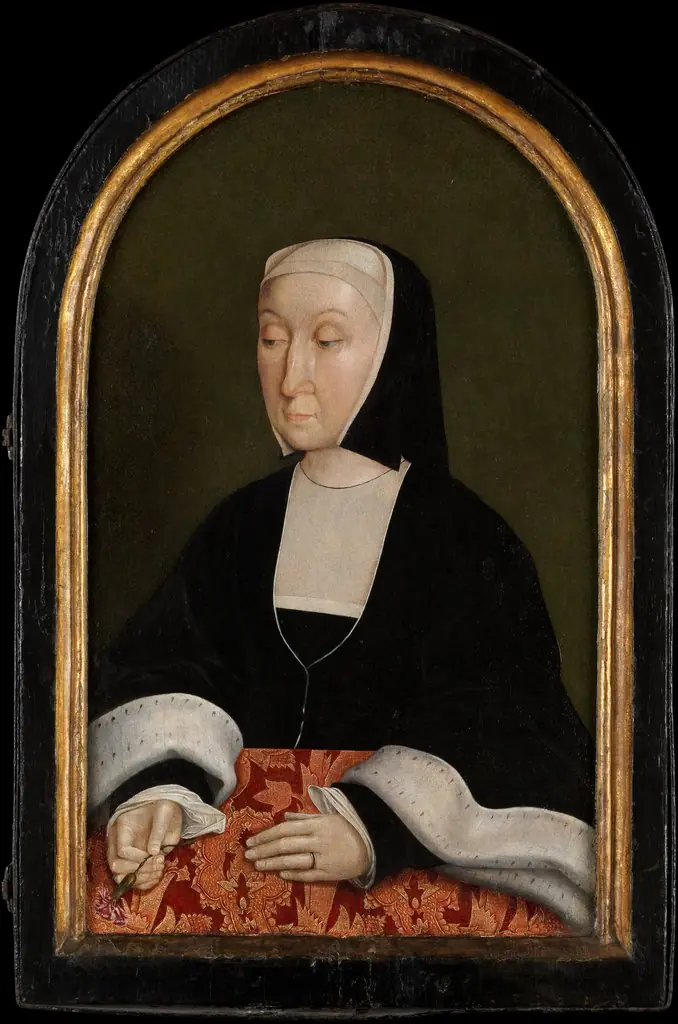 Portrait of Magdalena van Werdenburg (1464–1538), Countess of Egmond and wife of Jan (1438–1516), First Count of Egmond;
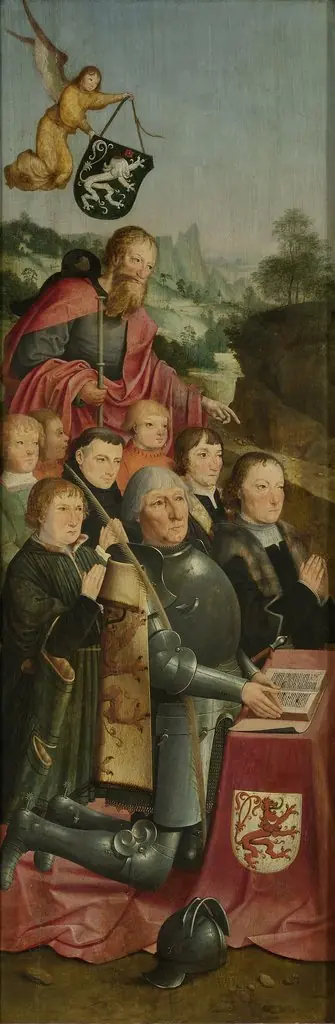 Memorial Panel with Eight Male Portraits, probably Willem Jelysz van Soutelande and Family, with Saint James the Greater and the Van Soutelande Family Crest, inner left wing of an altarpiece
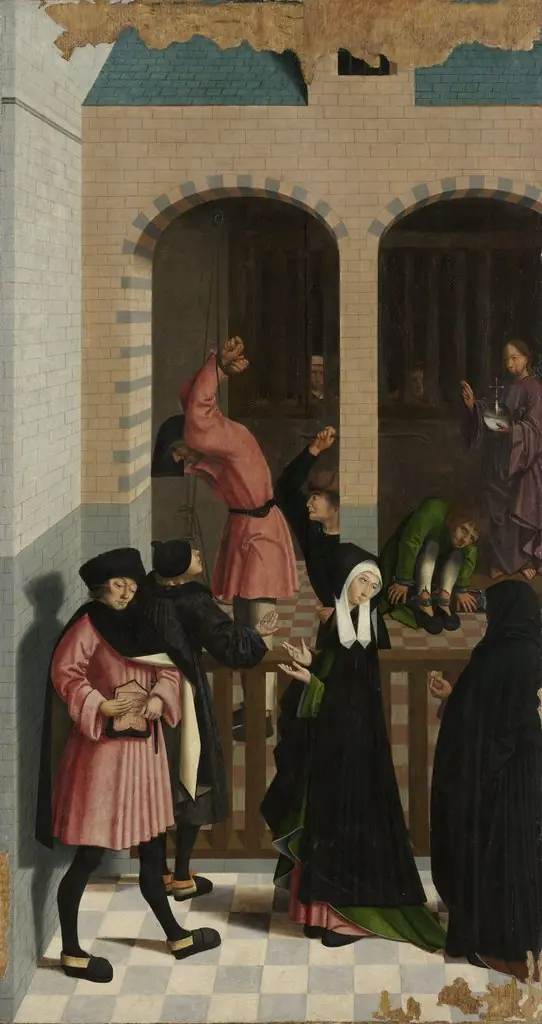 The Seven Works of Mercy
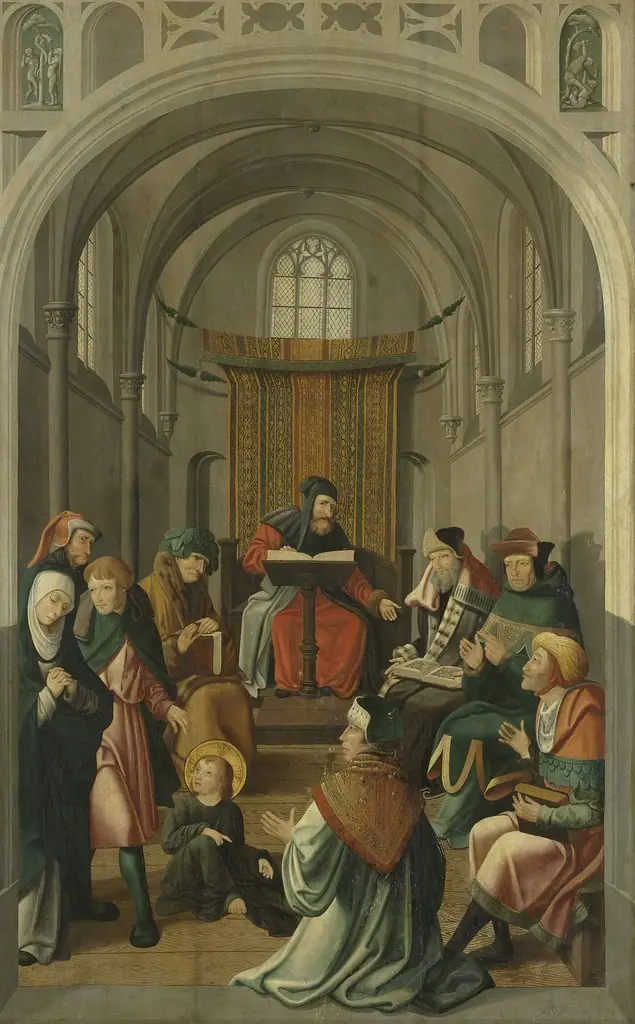 Panel of an altarpiece with Jesus disputing with the doctors in the Temple (inner wing) and Christ appearing to his mother (outer wing)