Artwork
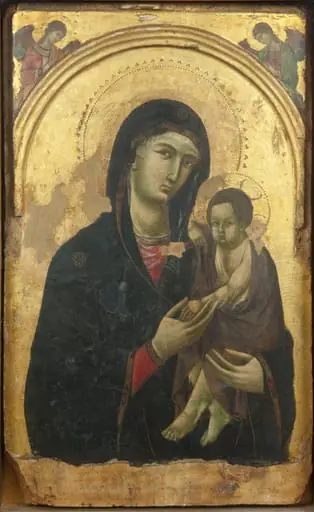
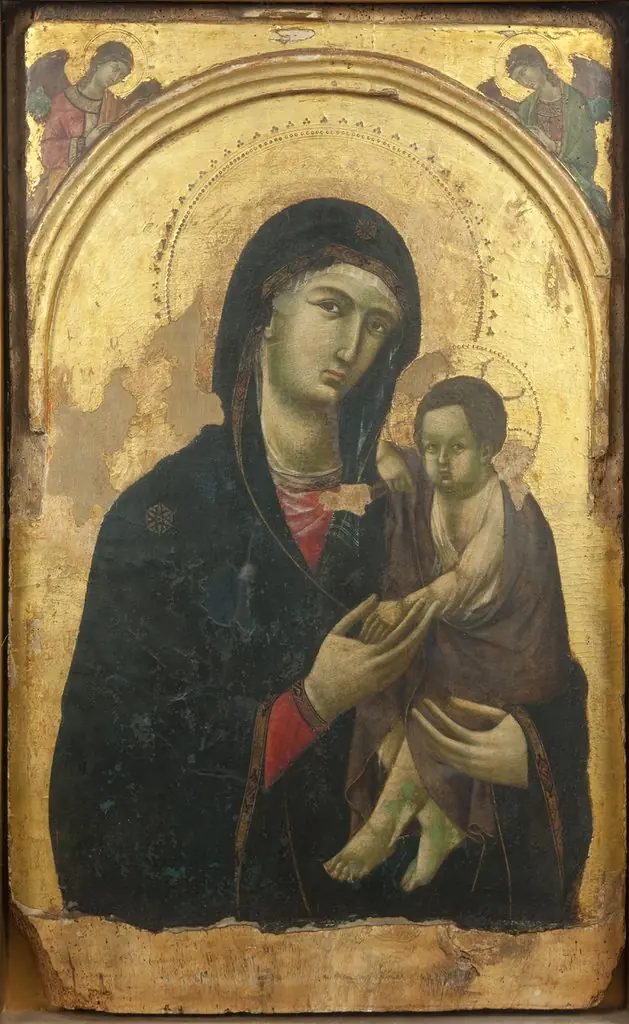
Virgin and Child with Annunciation
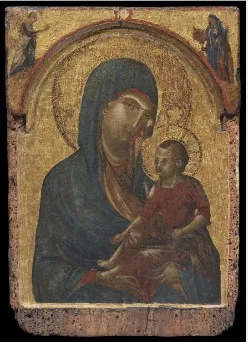
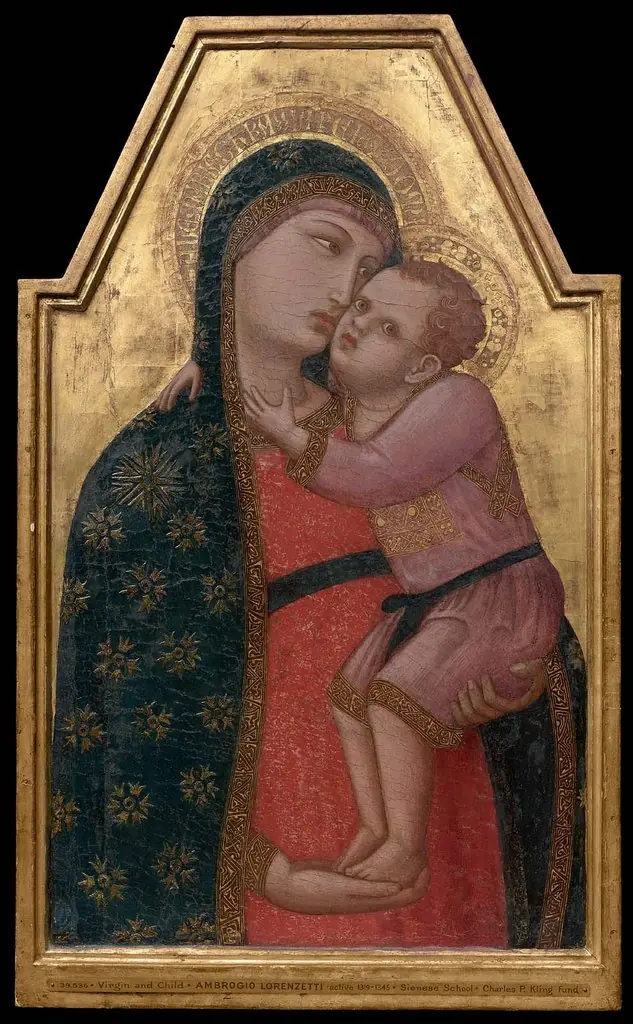
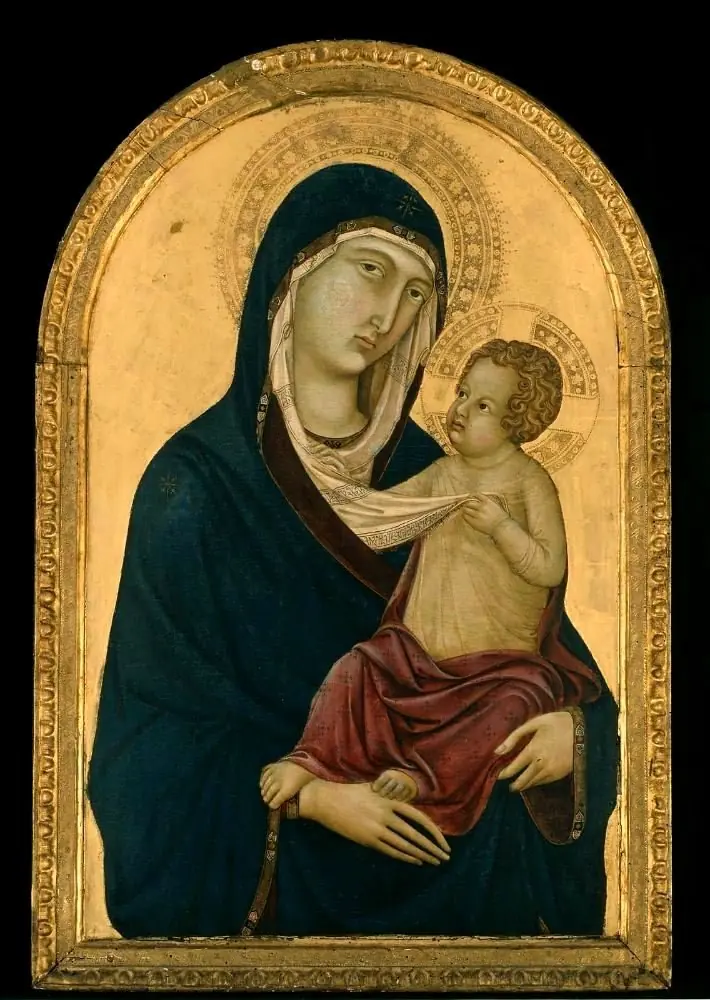
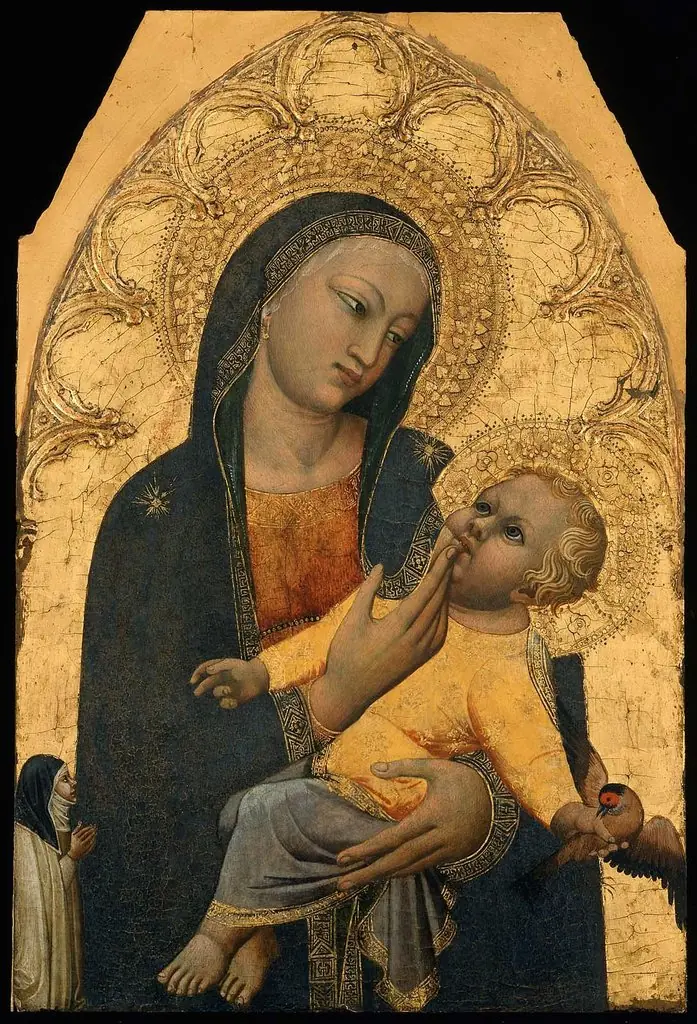
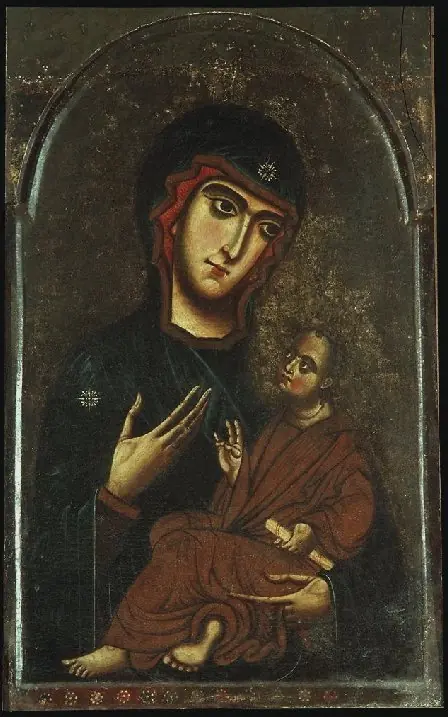
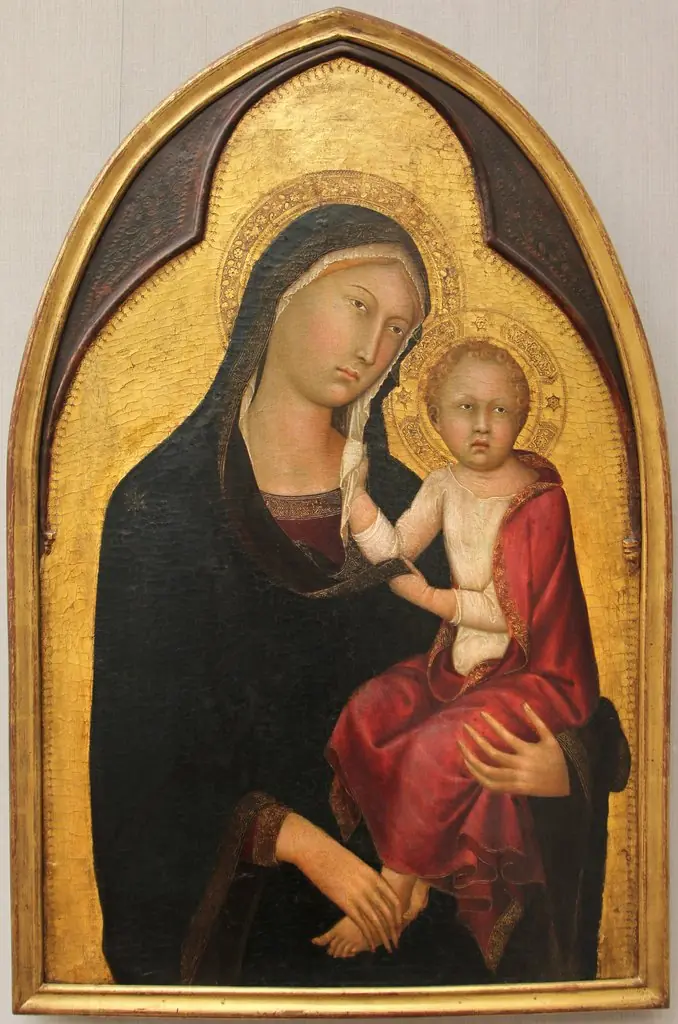
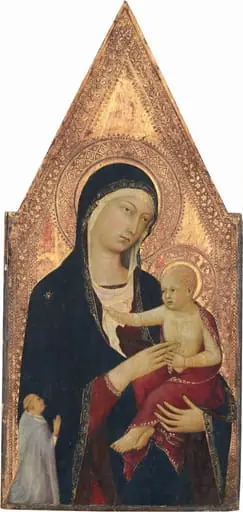
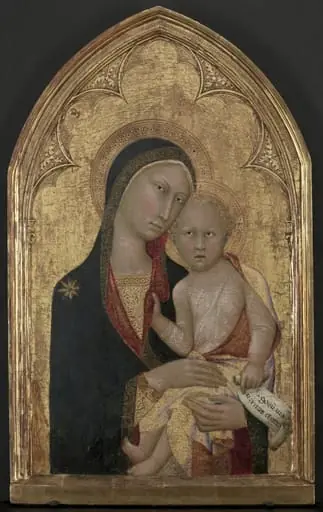
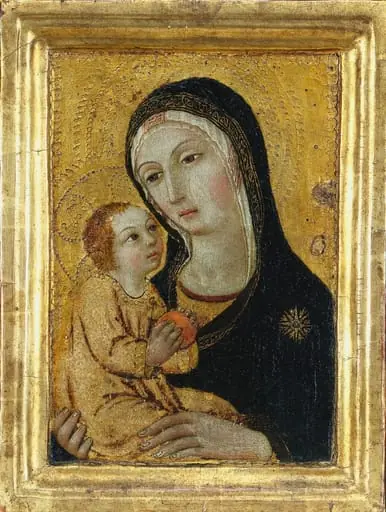
Virgin and Child with Annunciation is an unspecified painting by the Byzantine icon painting artist Master of Badia a Isola. It dates from 1310 and is held in the collection of the National Gallery of Ireland.
About this work
This painting is called Virgin and Child with Annunciation.
It was created by Master of Badia a Isola in 1310.
The artist's work is interesting because it shows a specific moment in time, which is not always depicted in art from this period.
You can learn more about the artist's style and other works at the National Gallery of Ireland.
Overview
Created in 1310, the panel titled *Virgin and Child with Annunciation* is attributed to the anonymous Tuscan painter known as the Master of Badia a Isola. The work resides in the National Gallery of Ireland and exemplifies the devotional imagery typical of early‑fourteenth‑century Italy, presenting a compact narrative that merges the Madonna and Child with the moment of the Angelic announcement.
Subject & Meaning
The composition shows the Virgin Mary cradling the infant Jesus while the archangel Gabriel appears beside them, delivering the biblical proclamation that she will bear the Son of God. By uniting the intimate mother‑child scene with the Annunciation, the painting emphasizes both the humanity of Mary and the divine purpose of Christ’s birth.
Technique & Style
Executed in the Byzantine iconographic tradition, the panel features flattened, stylized figures set against a luminous gold ground. The use of linear outlines and restrained modeling reflects the conventions of medieval devotional art, while the careful placement of gestures conveys the narrative without reliance on naturalistic space.
History & Provenance
The artist’s notname derives from a Madonna and Child in the Badia dei Santi Salvatore e Cirino at Abbadia a Isola, near Monteriggioni in Siena’s province. The painting entered the collection of the National Gallery of Ireland in the twentieth century, where it has been catalogued as a representative example of early Sienese painting.
Context
During the early 1300s, Italian workshops often produced small devotional panels for private contemplation. This work’s combination of the Virgin’s tender pose with the Annunciation moment is relatively rare for the period, highlighting a nuanced theological focus on Mary’s role at the precise instant of divine revelation.
Artist & collection
Artist
The Master of Badia a Isola was an Italian painter. His name is taken from a depiction of the Madonna and Child that hangs in the Badia dei Santi Salvatore e Cirino in Abbadia a Isola, located near Monteriggioni, a…