Artwork
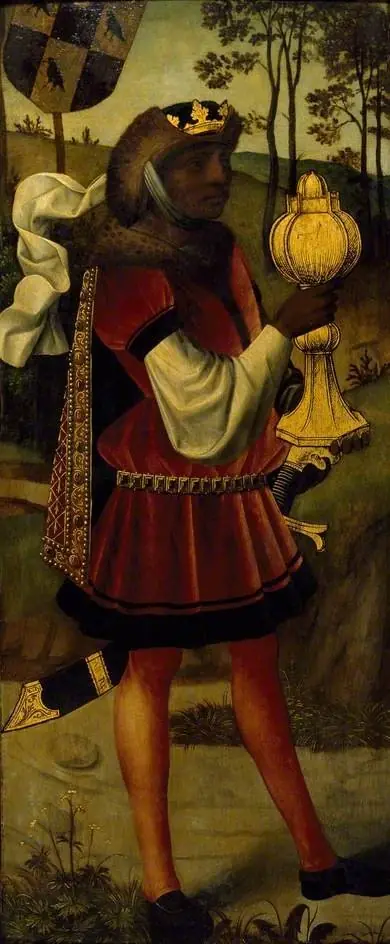
Triptych: King Balthazar
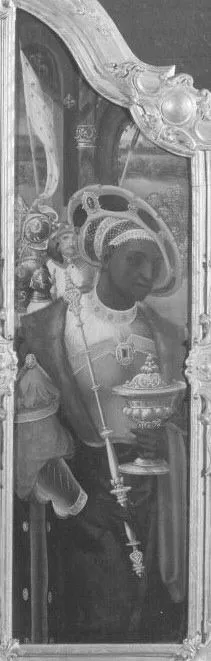
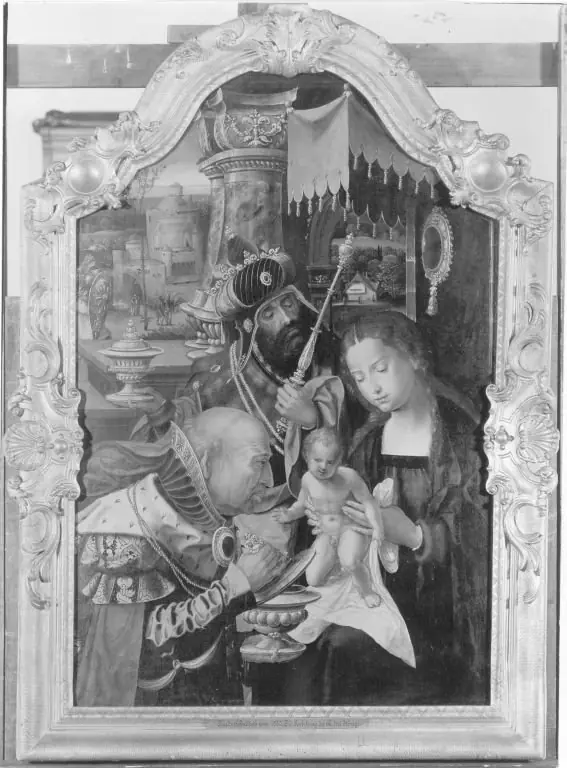
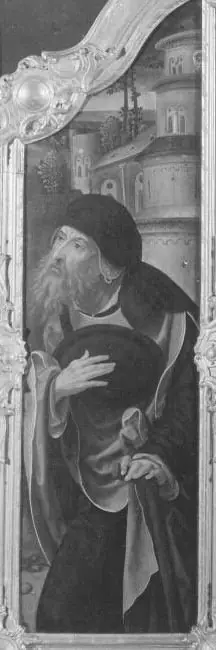
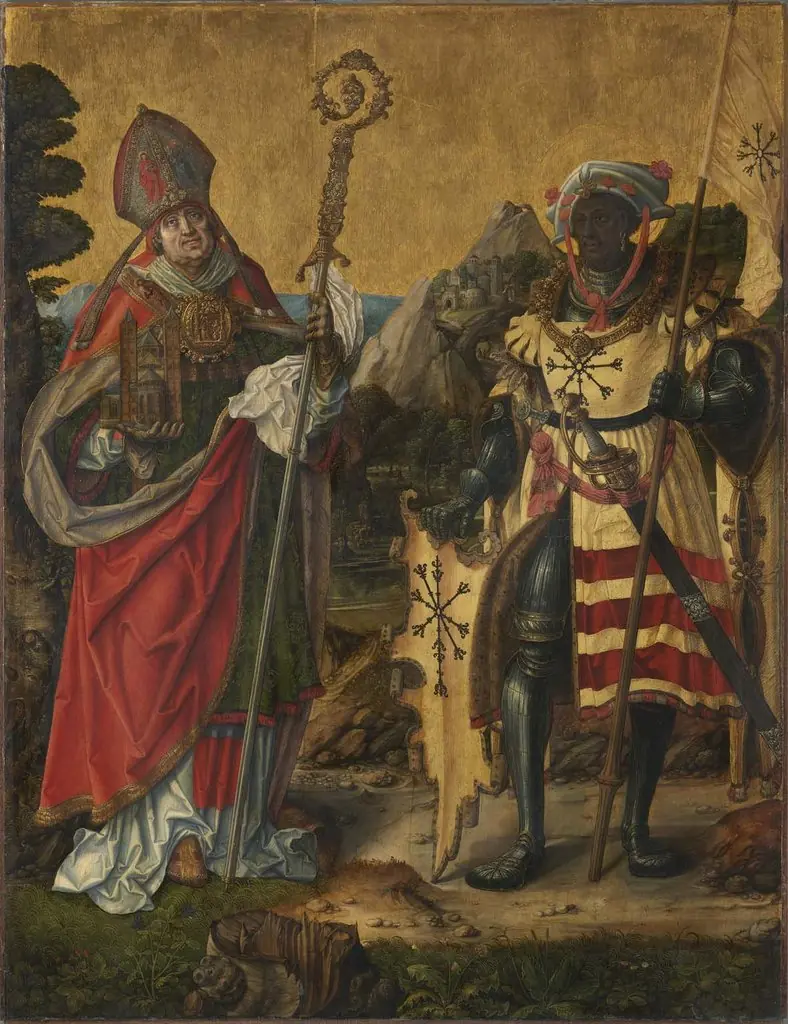
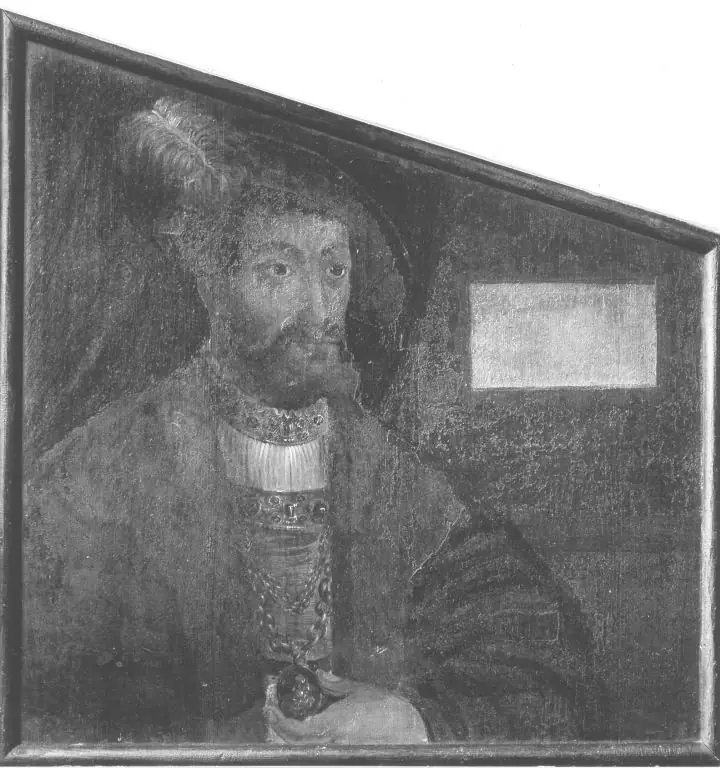
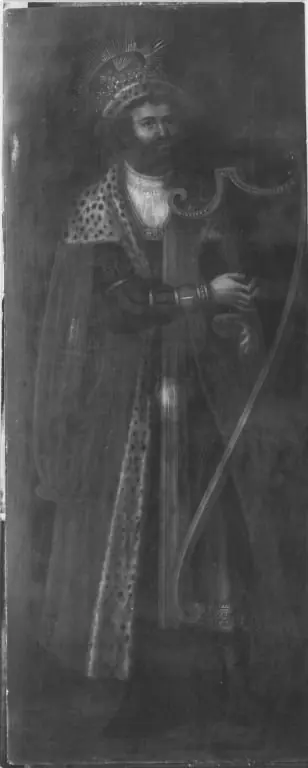
Triptych: King Balthazar is a paint painting by the Mannerist artist Master of the Utrecht Adoration. It dates from 1535 and is held in the collection of the Bavarian State Painting Collections.
About this work
Overview
Created in 1535, the work known as Triptych: King Balthazar is a three‑panel religious painting attributed to the anonymous figure identified as the Master of the Utrecht Adoration. The panels are presently displayed in Munich’s Alte Pinakothek, where they form part of the museum’s early‑sixteenth‑century collection.
Subject & Meaning
The central figure is Balthazar, one of the traditional Magi, rendered in sumptuous attire that signals his royal status. He holds a golden chalice and a staff, symbols of his wealth and authority, while his solemn expression underscores the reverent tone typical of devotional imagery.
Technique & Style
The artist employs a pronounced chiaroscuro, allowing light to strike the face and the pointed hat, while the surrounding drapery and gold‑leafed background recede into shadow. This contrast heightens the three‑dimensional presence of the figure and emphasizes the luxurious textures of his garments and the ornate canopy behind him.
History & Provenance
Attributed to the Master of the Utrecht Adoration, a workshop active in the Low Countries during the early Reformation, the triptych entered the Alte Pinakothek’s holdings in the 19th century. Its provenance prior to acquisition remains sparsely documented, reflecting the common challenges of tracing works by anonymous masters.
Artist & collection