Artwork
Mystische Verlobung der Hl. Katharina
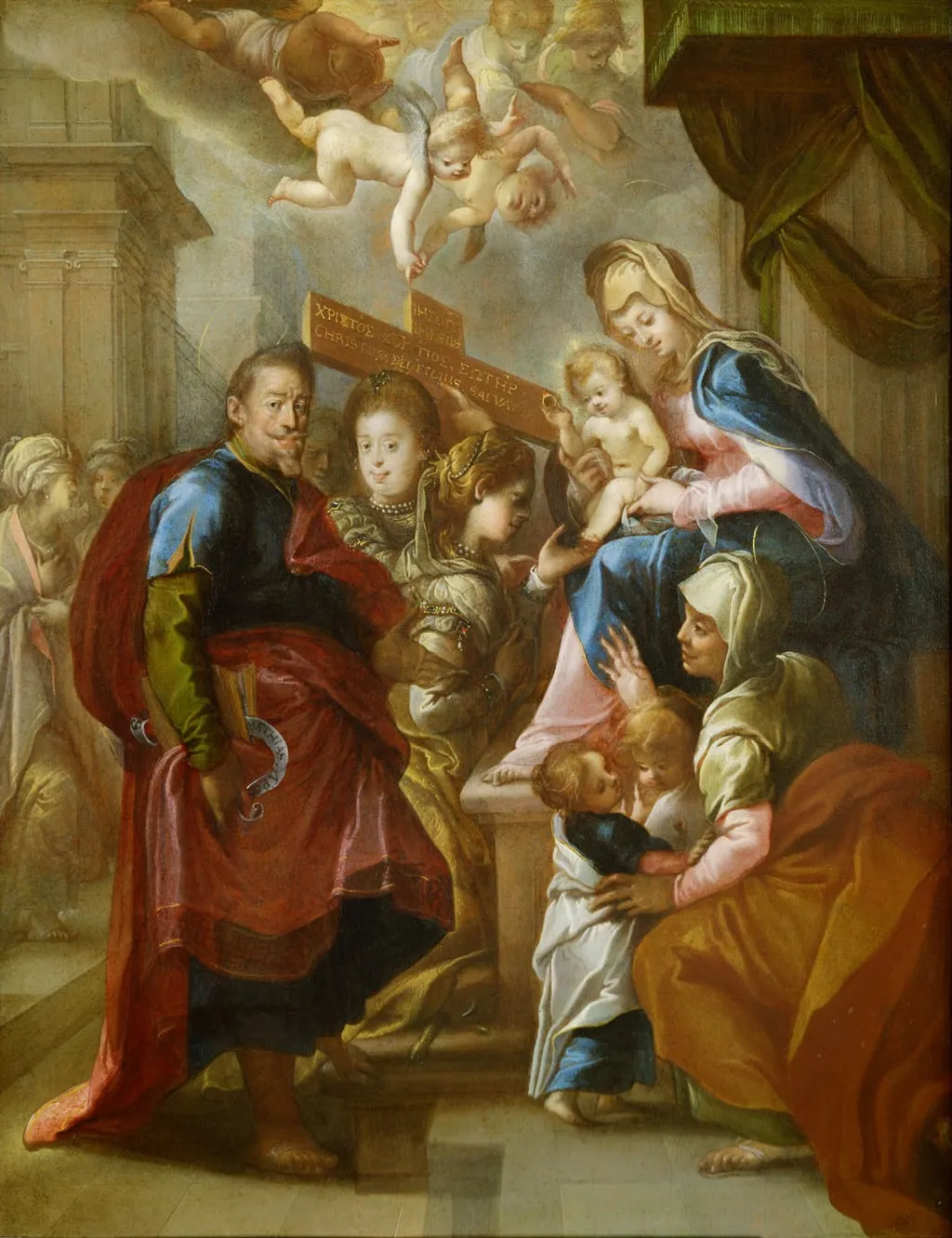
Mystische Verlobung der Hl. Katharina is an unspecified painting by the Early Baroque Italian artist Matthäus Gundelach. It dates from 1614 and is held in the collection of the Kunsthistorisches Museum.
About this work
Overview
Painted in 1614 by Matthäus Gundelach, this religious work depicts the mystical marriage of Saint Catherine of Alexandria.
Painted in 1614 by Matthäus Gundelach, this religious work depicts the mystical marriage of Saint Catherine of Alexandria. Executed in oil on panel, it resides in the Kunsthistorisches Museum in Vienna. The composition centers on a sacred moment of divine union, rendered with heightened emotional intensity through controlled lighting and carefully arranged figures. The scene unfolds within an architectural interior, suggesting both spiritual and earthly realms.
Subject & Meaning
The painting illustrates the legendary vision in which the Virgin Mary presents the infant Christ to Saint Catherine, who kneels in devotion. Christ places a ring on her finger, symbolizing her spiritual betrothal to him. The figure holding the cross, likely representing a divine messenger or saint, reinforces Christ’s kingship. Surrounding figures—mothers and children—evoke earthly family bonds, contrasting with the transcendent event above them.
Technique & Style
Gundelach employs chiaroscuro to model forms and direct attention: strong contrasts between light and shadow sculpt the faces and drapery, isolating key figures in luminous pools. The palette is restrained, dominated by deep reds, muted blues, and earth tones, with white garments drawing the eye to the central figures. Brushwork is precise yet unobtrusive, favoring clarity over ornamentation, consistent with early 17th-century Central European devotional painting.
History & Provenance
Commissioned shortly after the Counter-Reformation’s emphasis on mystical devotion, the painting entered the Habsburg collection by the early 17th century. It has remained in institutional custody since, likely originating in a private chapel or religious institution in the Austrian lands. Its survival through centuries of political change reflects its perceived spiritual and cultural value to its patrons.
Context
Created during a period when Catholic authorities promoted visions and saintly encounters to reinforce faith against Protestant critiques, the painting aligns with Counter-Reformation iconography. The emphasis on personal divine encounter, rather than doctrinal instruction, mirrors trends in Jesuit and Benedictine spiritual literature. Similar themes appear in works by contemporaries in southern Germany and Bohemia.
Legacy
Though not widely reproduced, the painting exemplifies regional devotional art of the early Baroque era. It preserves a specific visual language of mystical experience favored in Habsburg territories before the full dominance of Italianate grandeur. Its preservation in a major museum ensures continued study of how local artists interpreted universal religious themes with regional sensibilities.
Artist & collection

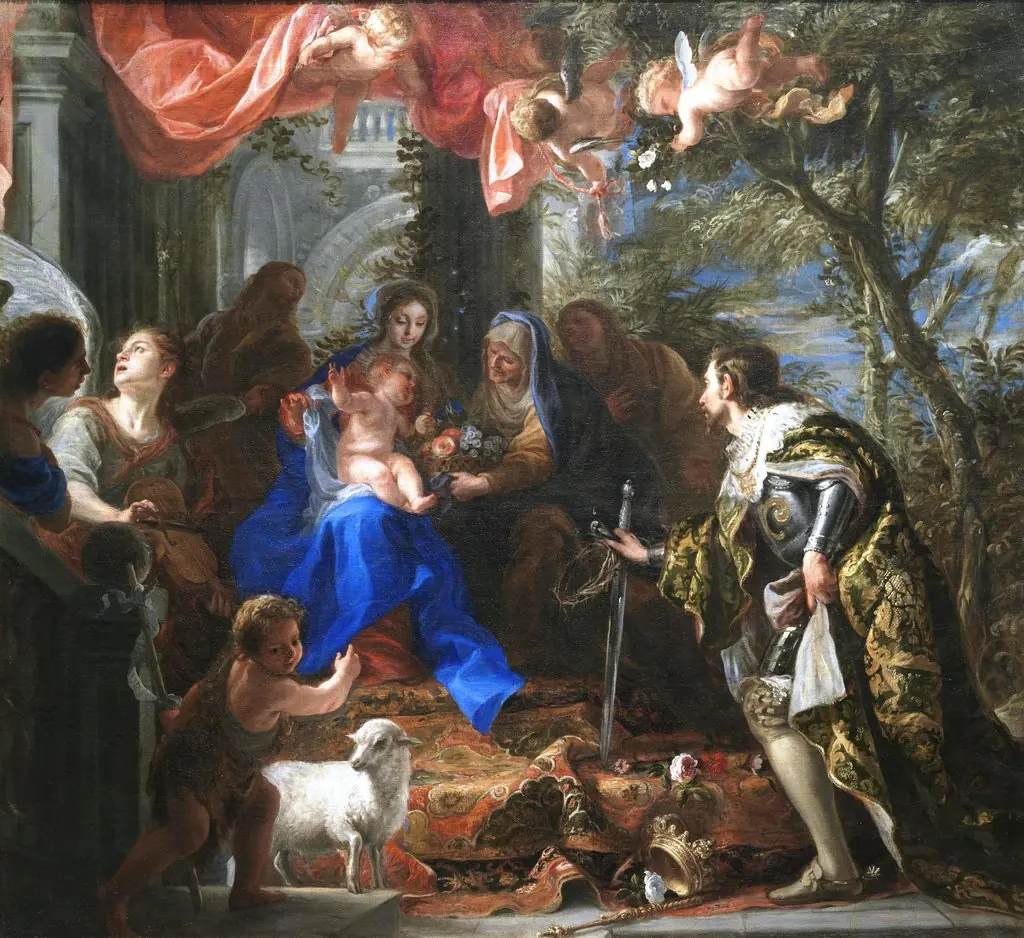 The Virgin and Child adored by Saint Louis, King of France
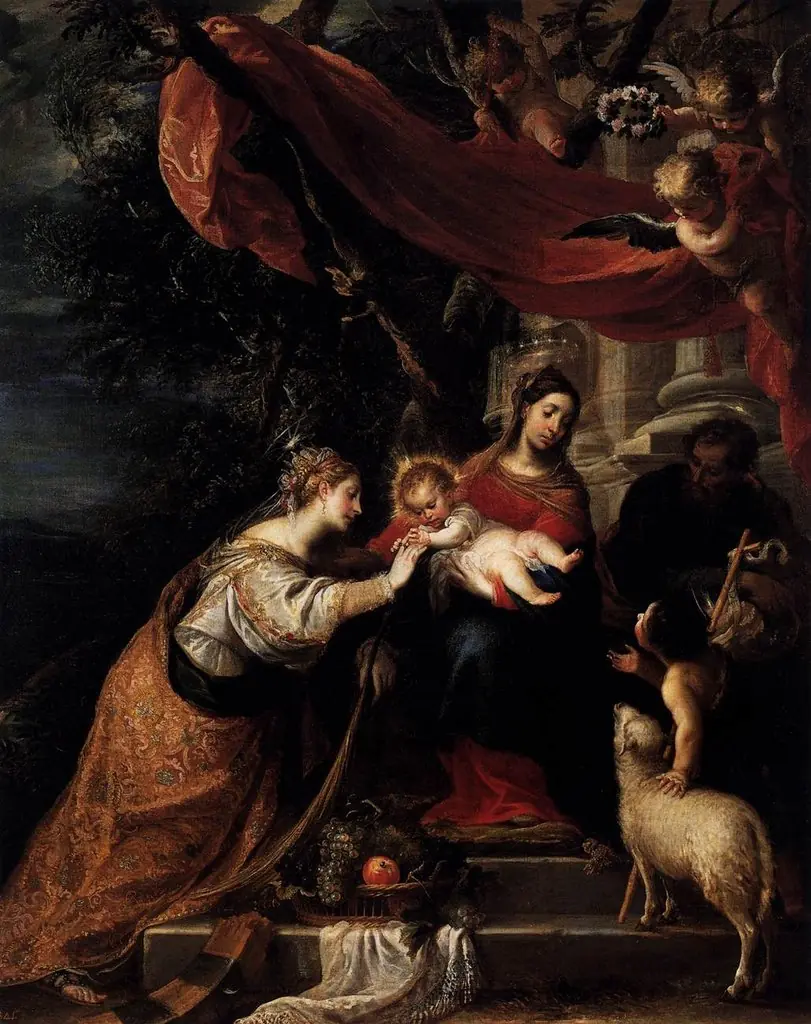 The Mystic Marriage of Saint Catherine
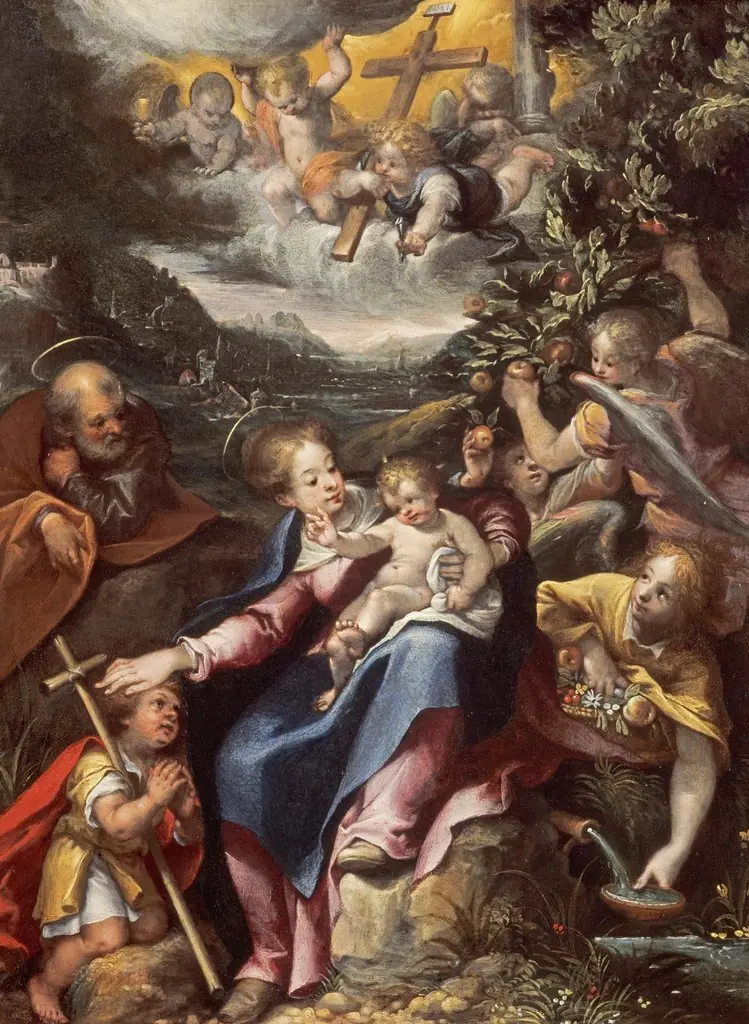 The Holy Family with the Infant Saint John the Baptist in a Landscape
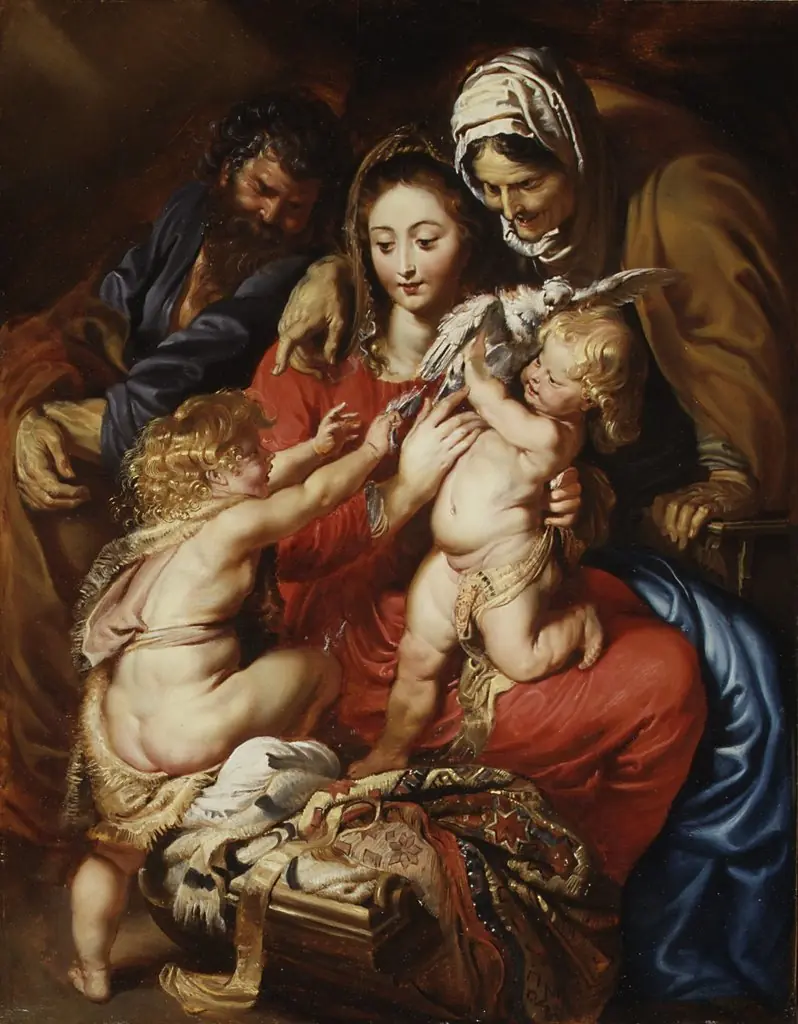 The Holy Family with Saint Elizabeth, Saint John, and a Dove
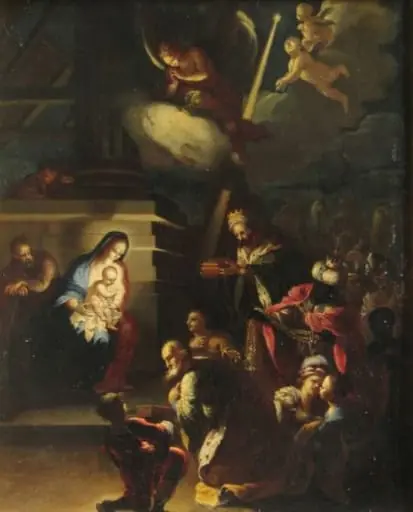 Închinarea Magilor
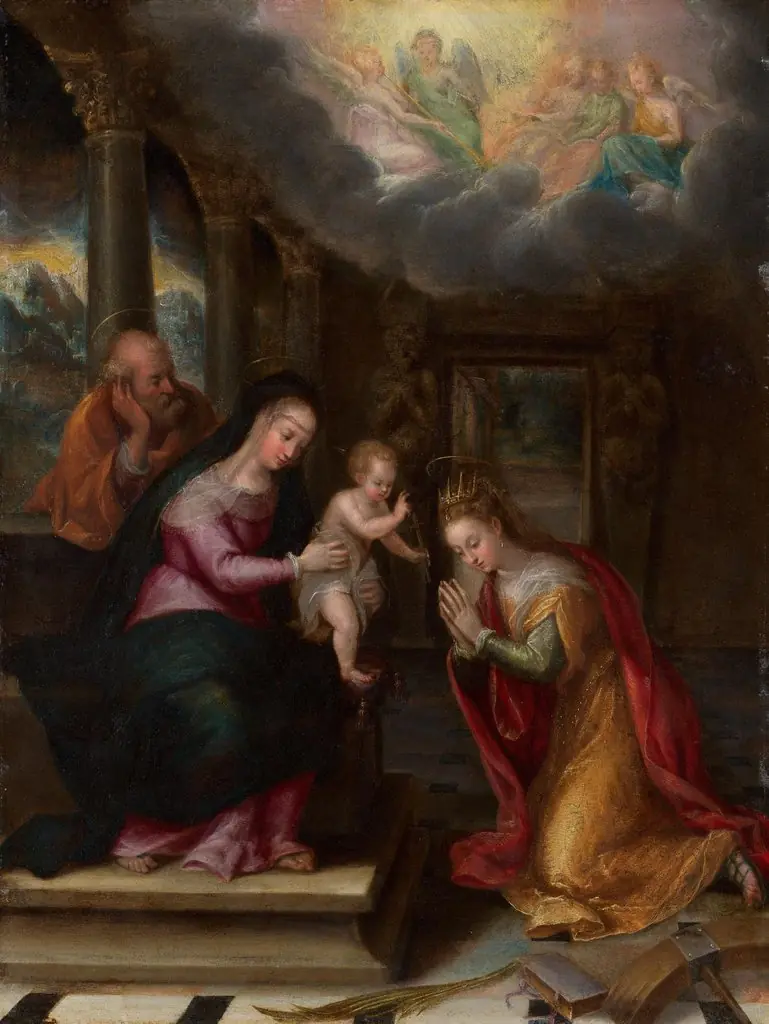 Mariage mystique de sainte Catherine
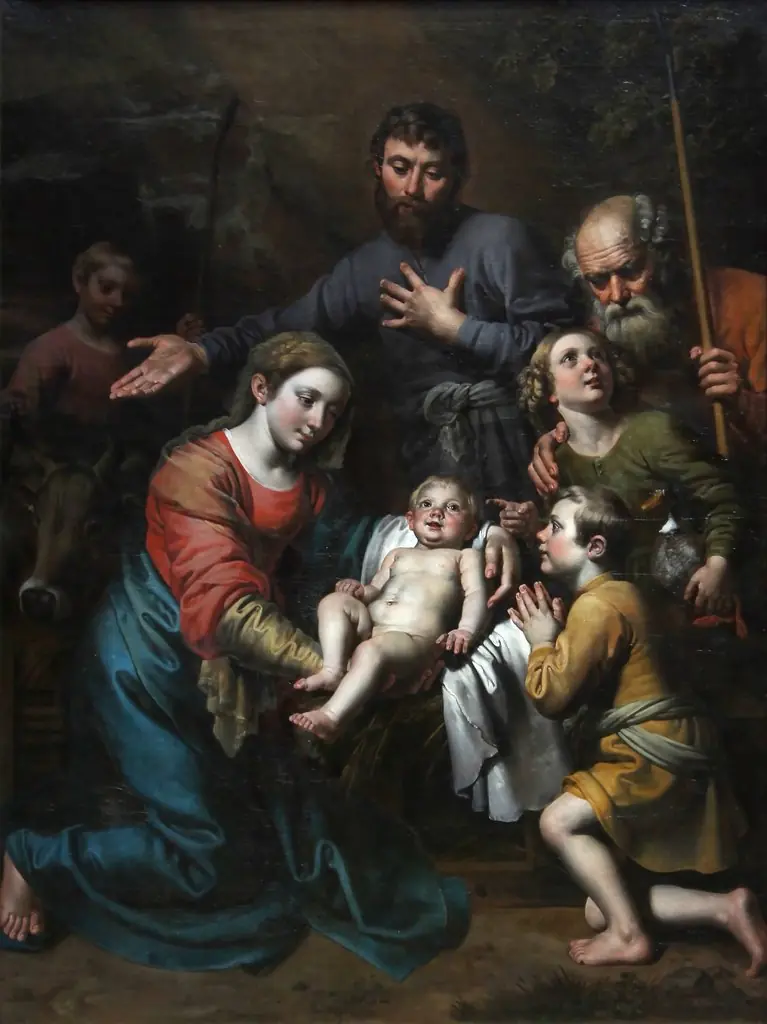 Adoration of the Shepherds
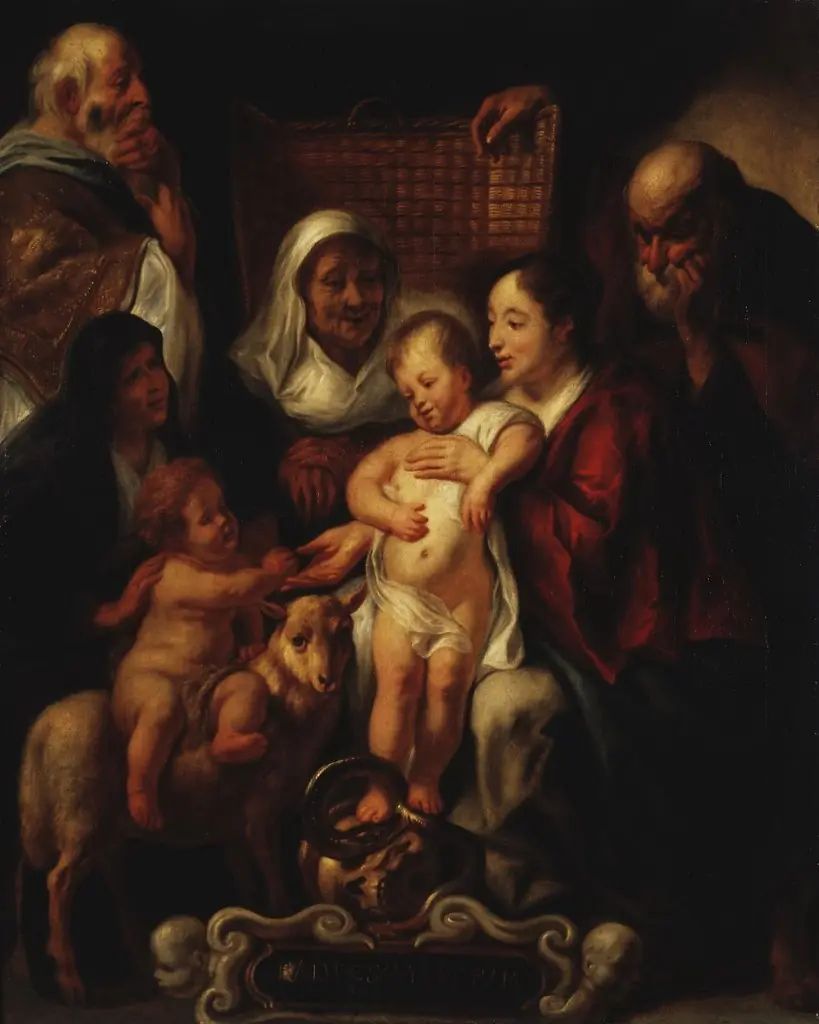 The Holy Family (Hermitage)
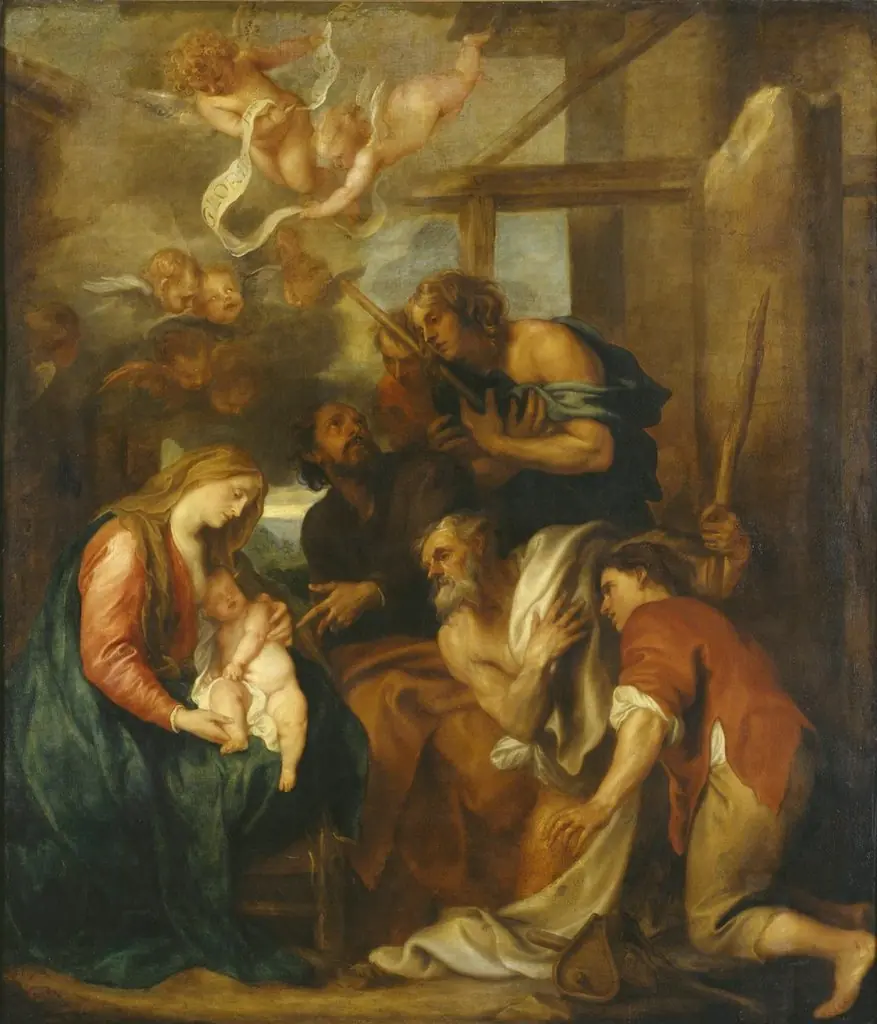 Adoration of the Shepherds
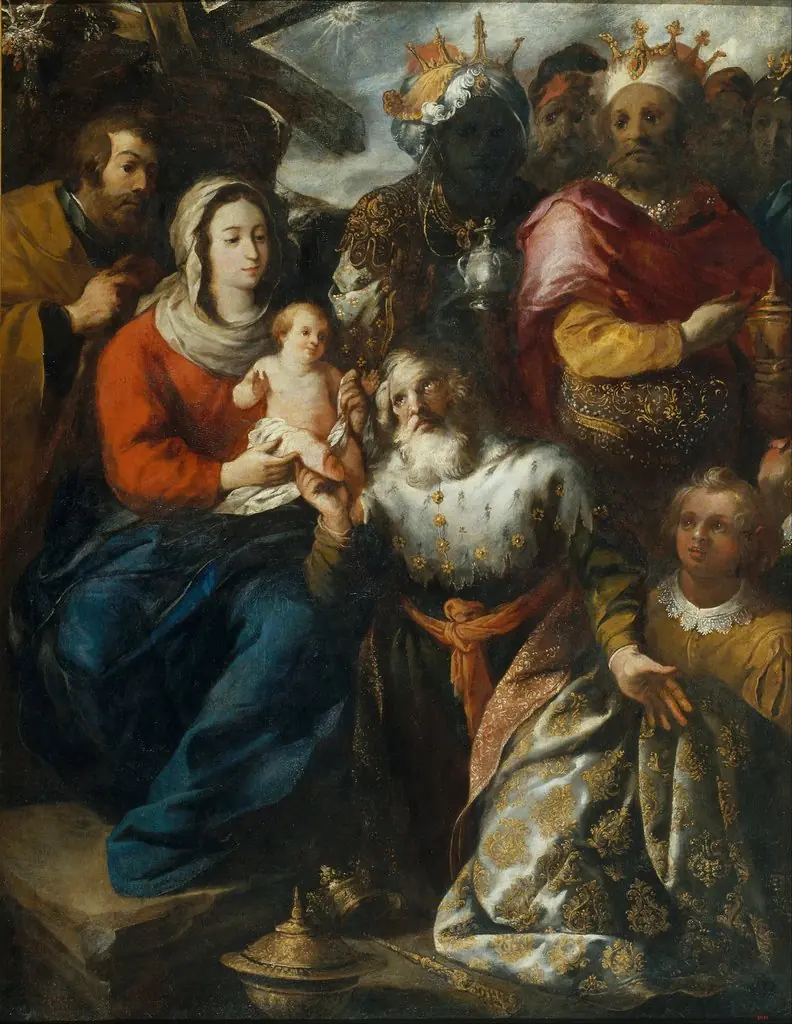 Epiphany
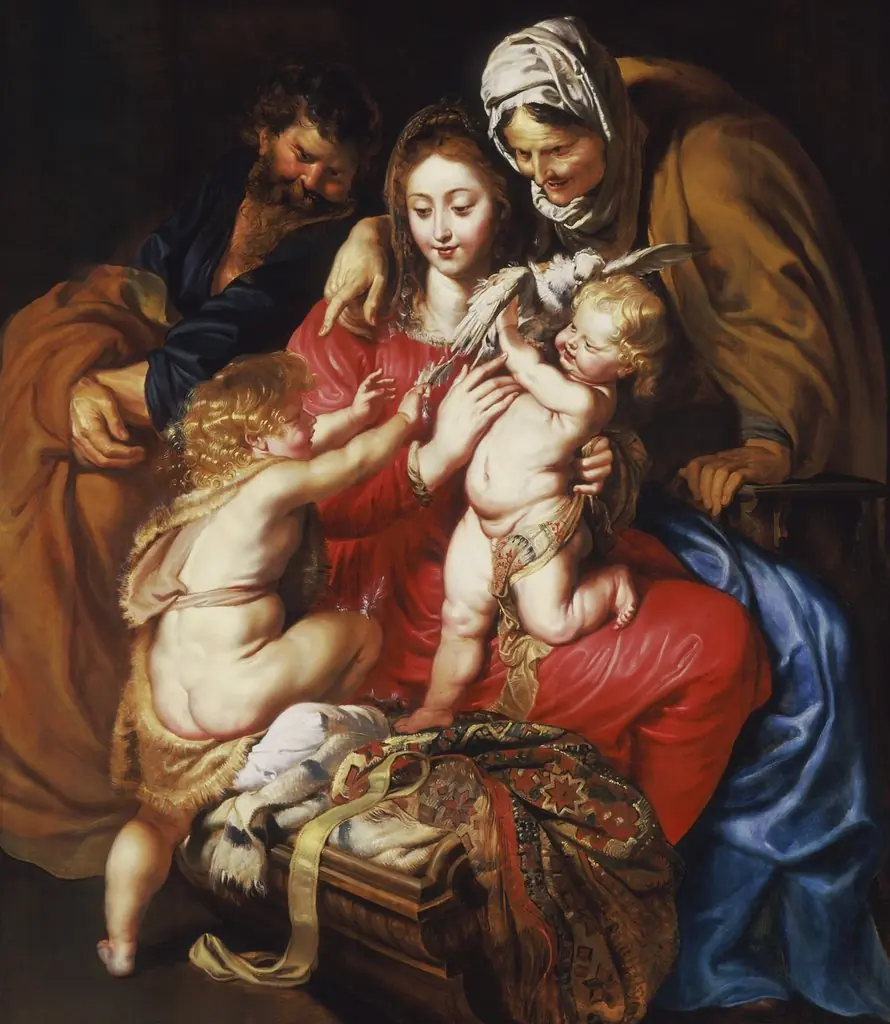 The Holy Family with St. Elizabeth, St. John, and a Dove
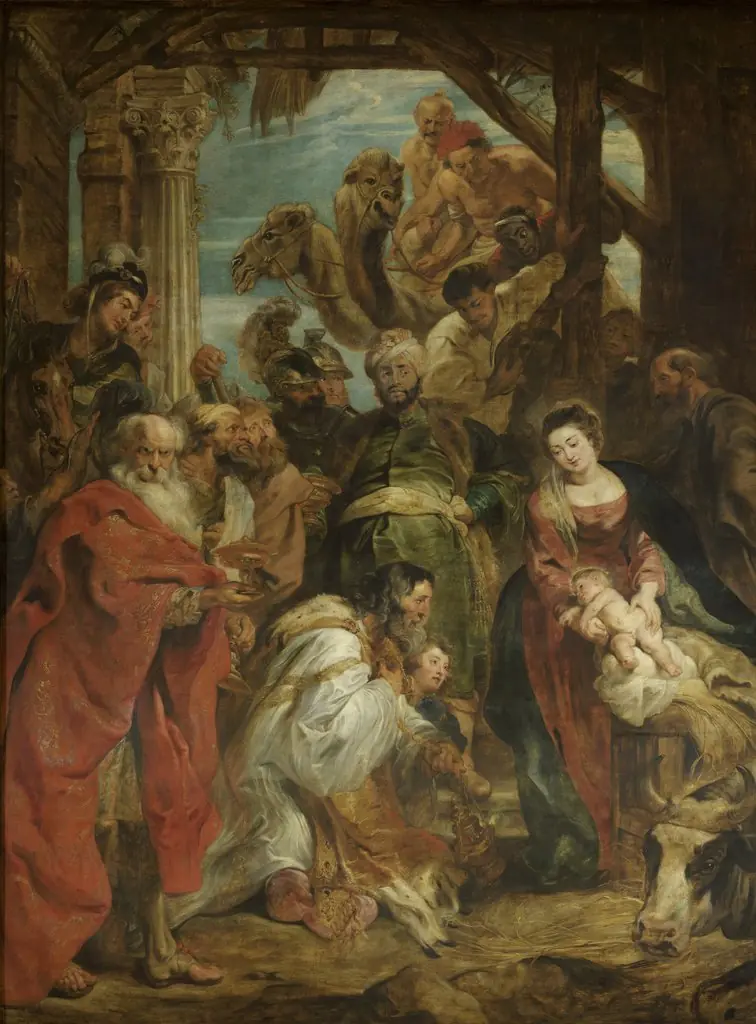 Adoration of the Magi