Artwork
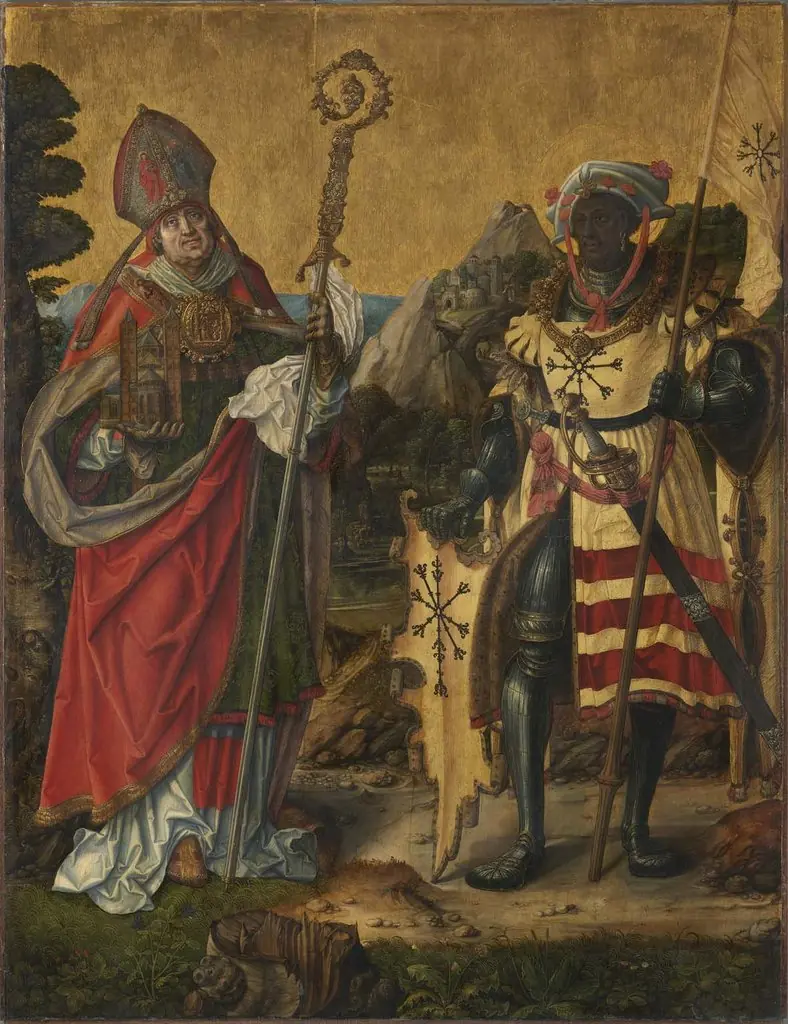
Meeting of St Erasm and St Maurice
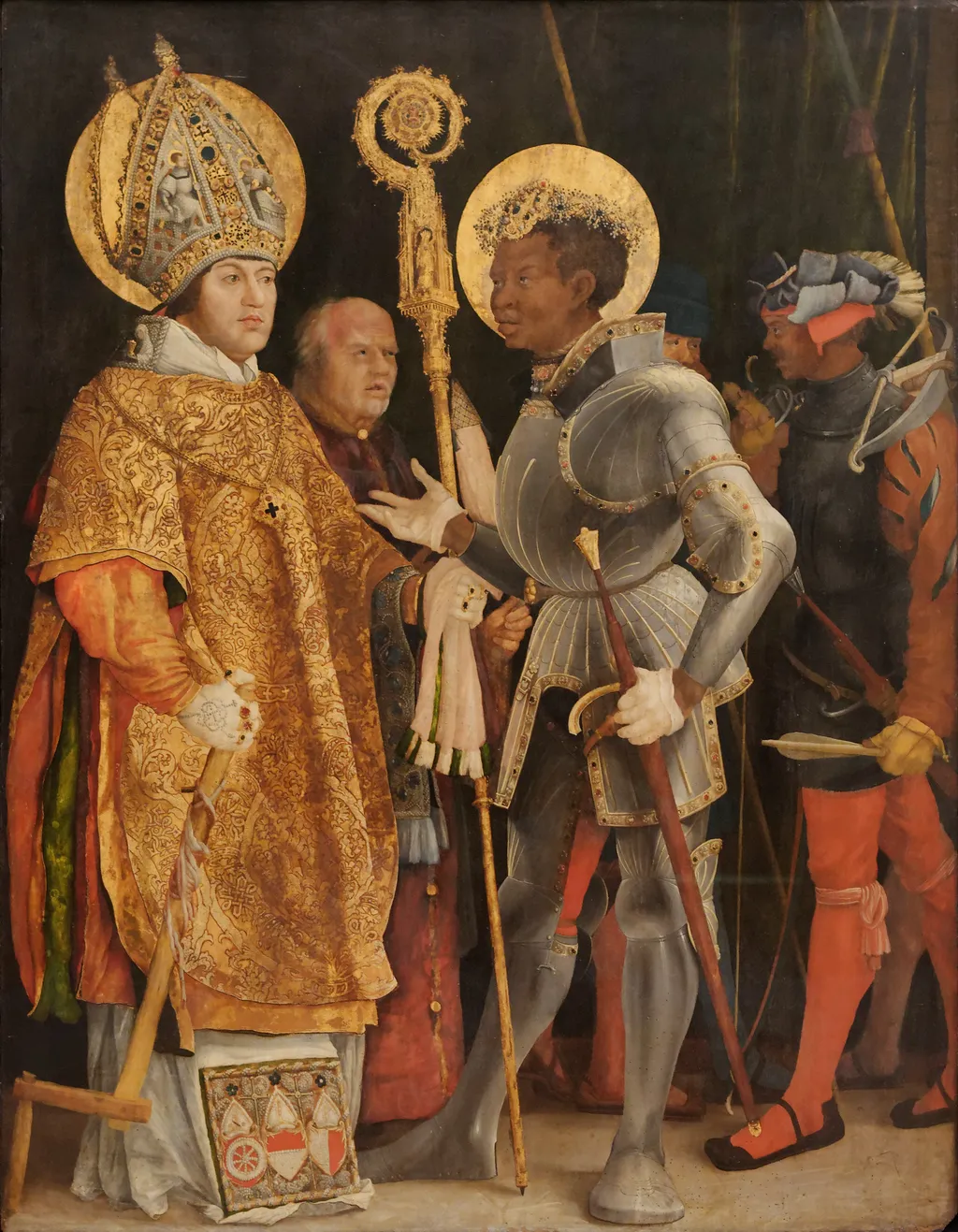
Meeting of St Erasm and St Maurice is an oil painting by the Northern Renaissance artist Matthias Grünewald. It dates from 1520 and is held in the collection of the Bavarian State Painting Collections.
About this work
Overview
Matthias Grünewald’s oil painting on wood, created between 1520 and 1524, depicts a gathering of four figures in a dimly lit interior. The work was originally commissioned by Albert of Brandenburg for the new cathedral in Halle, though it now resides in Munich’s Alte Pinakothek.
Subject & Meaning
The composition presents a bishop in a golden mitre and richly embroidered robes, a bald figure in red gesturing, a centrally placed knight in polished silver armor clutching a spear, and a man in red and black armor leaning on a sword. The arrangement suggests a meeting of saints, emphasizing themes of ecclesiastical authority and martial virtue.
Technique & Style
Grünewald employs a stark chiaroscuro, allowing the darkened faces and heavy armor to emerge against the lighter surrounding figures. The oil medium on wood enables fine detailing of the metallic surfaces, while the limited palette of reds, golds, and silvers heightens the dramatic contrast.
History & Provenance
After its completion for the Halle cathedral, the painting changed hands over the centuries before entering the collection of the Alte Pinakothek in Munich, where it remains on public display.
Context
Created during the early Reformation period, the work reflects Grünewald’s engagement with religious subjects and his characteristic use of vivid coloration and deep shadows, traits also evident in his other devotional panels.
Own this work as a print
Artist & collection
Artist
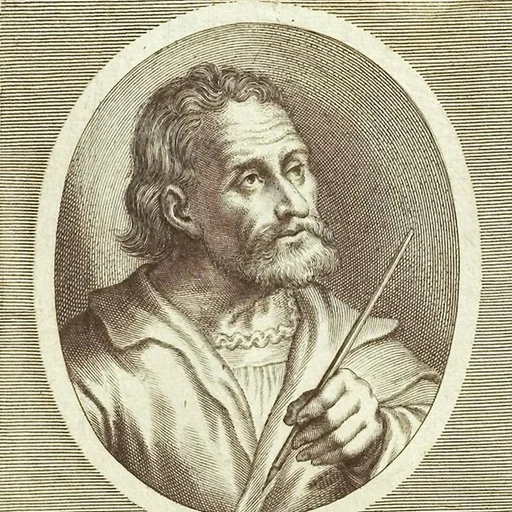
Matthias Grünewald (c. 1470 – 31 August 1528; also known as Mathis Gothart Nithart) was a German Renaissance painter of religious works who ignored Renaissance classicism to continue the style of late medieval Central…