Artwork
Christ and the woman taken into adultery
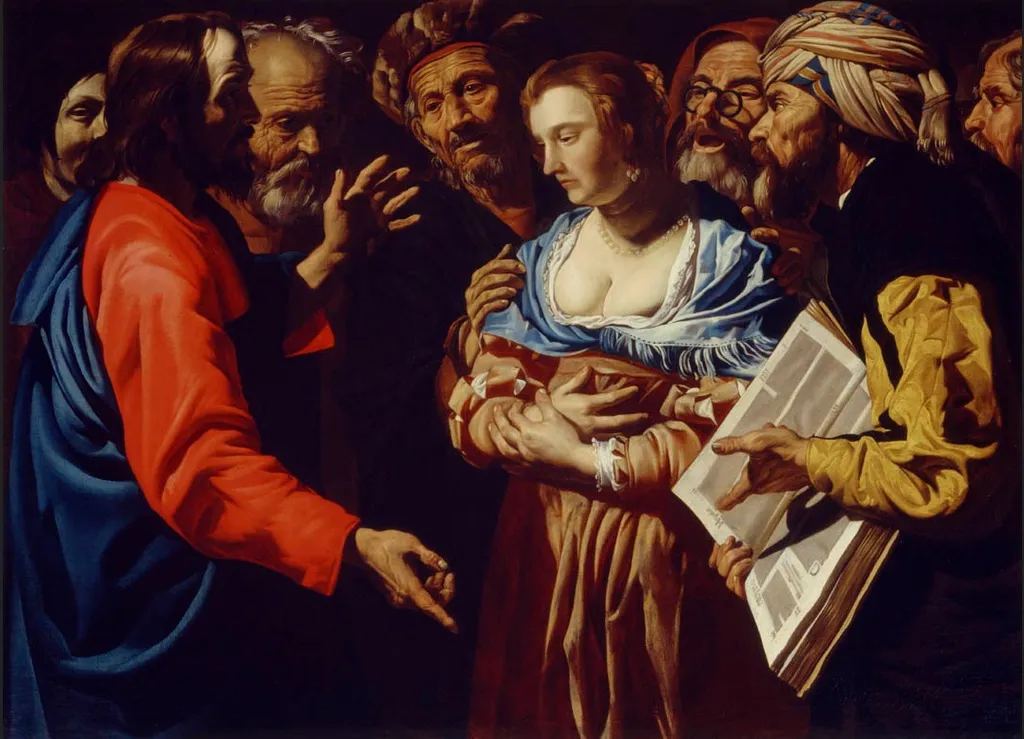
Christ and the woman taken into adultery is an oil painting by Matthias Stom. It dates from 1630 and is held in the collection of the Montreal Museum of Fine Arts.
About this work
Overview
The painting is part of the Montreal Museum of Fine Arts’ collection and exemplifies his mature style, marked by dramatic lighting and emotional intensity.
Painted around 1630, this oil-on-canvas work by Matthias Stom depicts a moment from the Gospel of John in which Christ confronts those seeking to stone an adulterous woman. Stom, active in Italy and influenced by northern European Caravaggisti, focused primarily on biblical narratives. The painting is part of the Montreal Museum of Fine Arts’ collection and exemplifies his mature style, marked by dramatic lighting and emotional intensity.
Subject & Meaning
The scene captures Christ standing calmly amid a group of accusers, his gesture directing attention away from condemnation and toward mercy. The woman, bowed but not broken, is framed by hostile figures whose expressions range from fury to hesitation. The moment underscores a theological theme of judgment versus compassion, rendered without overt sentimentality, allowing the moral tension to emerge through posture and gaze.
Technique & Style
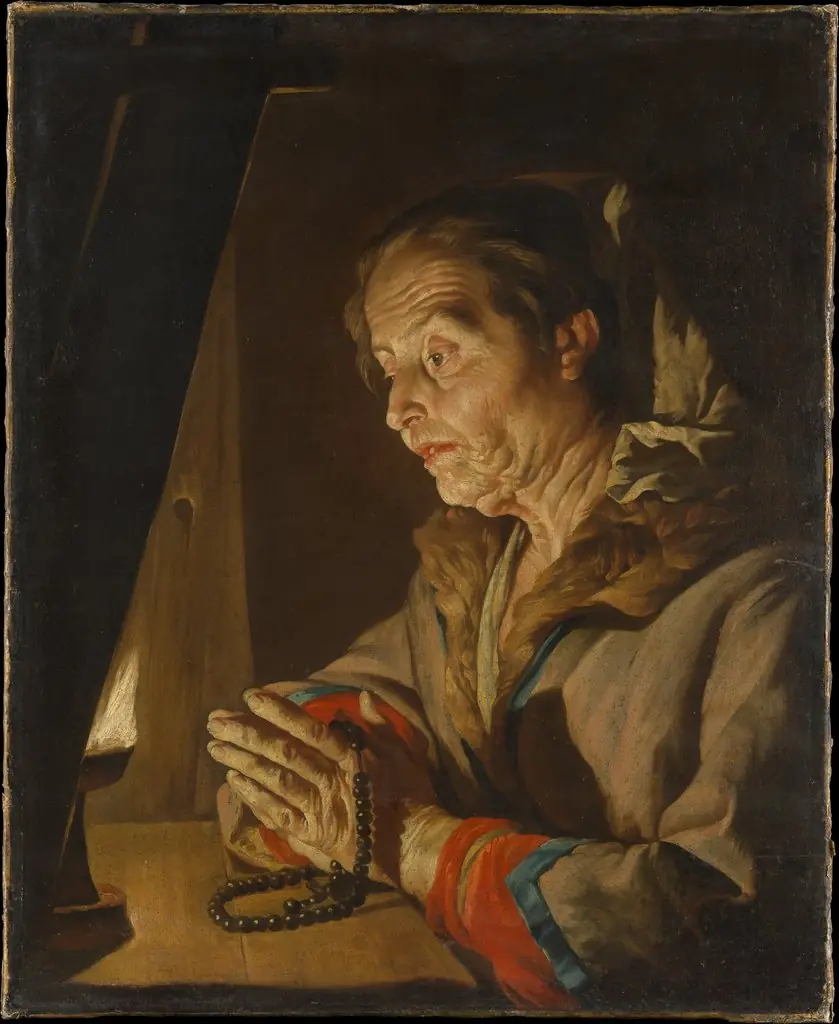
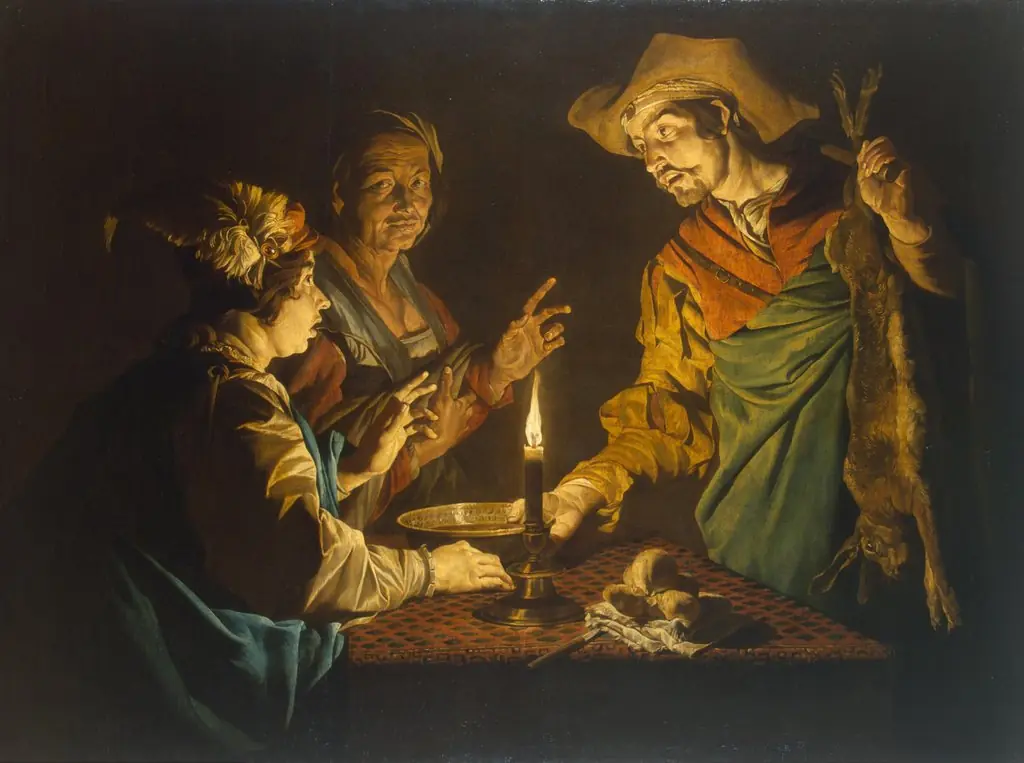
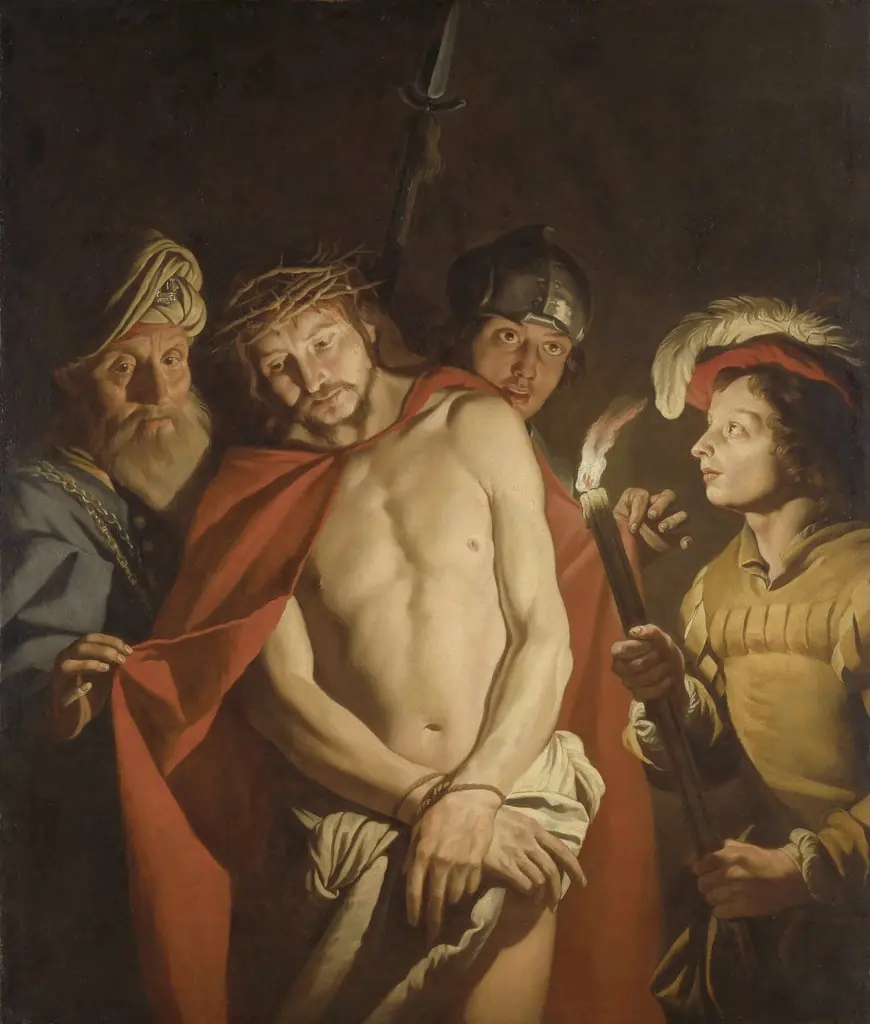
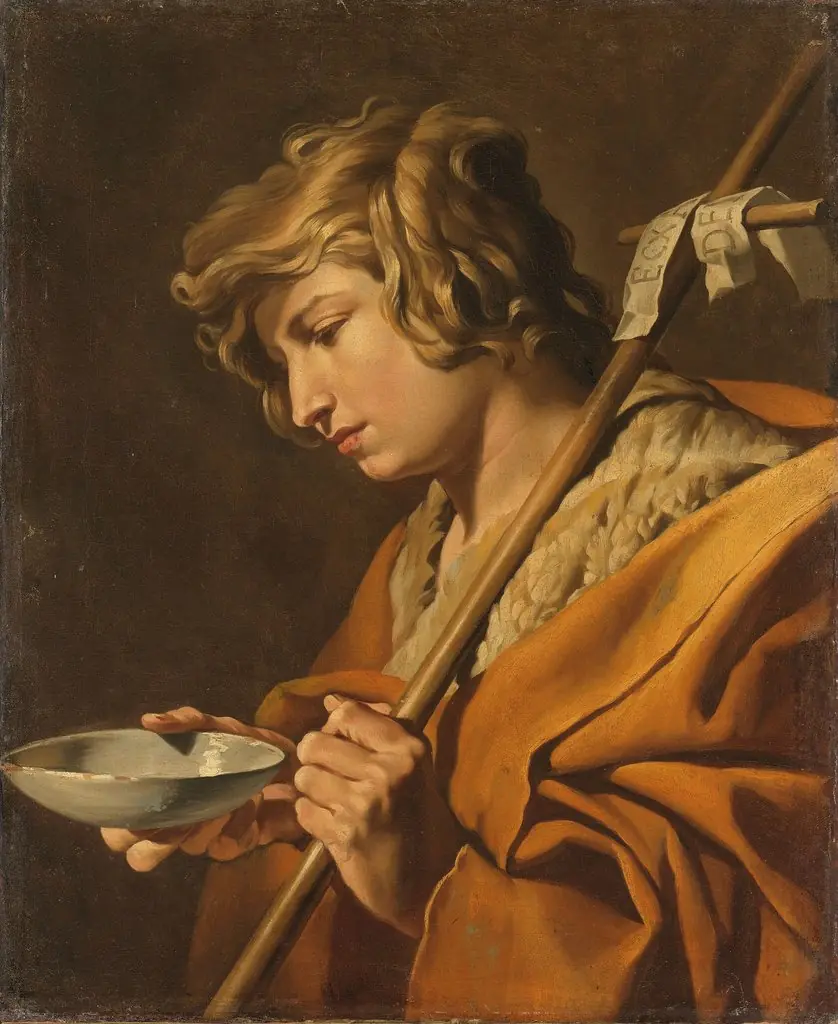
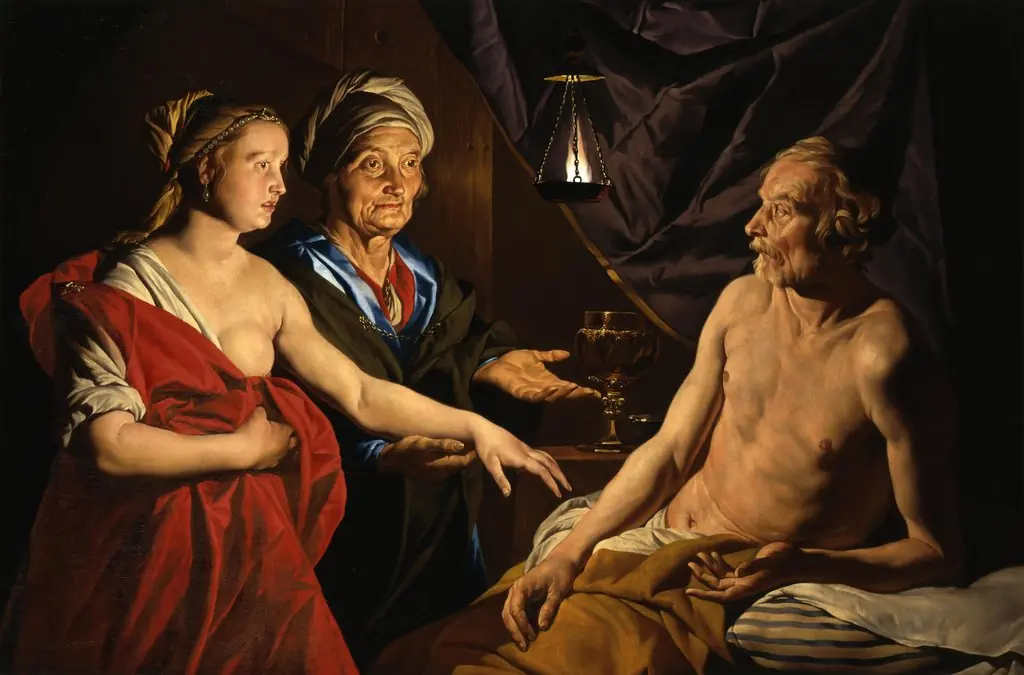
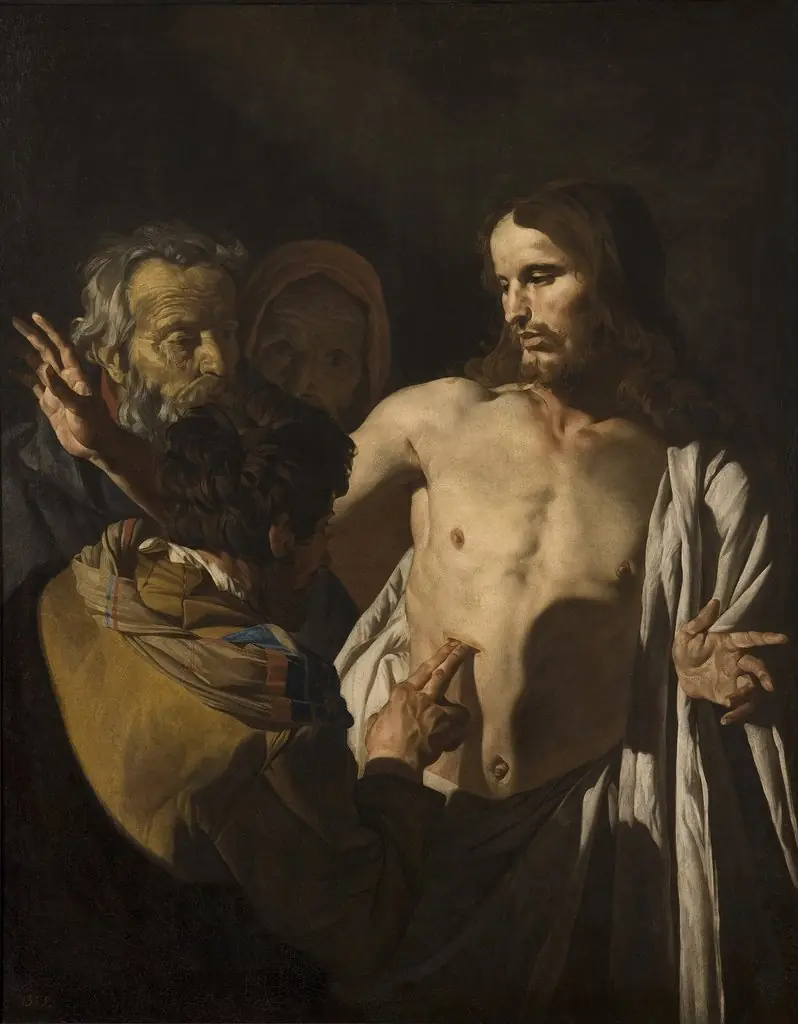
Stom employs strong chiaroscuro to isolate figures against a dark background, heightening the psychological weight of the moment. Thick impasto defines the folds of Christ’s red robe and the woman’s shawl, while glazes lend luminosity to skin and fabric. The brushwork is controlled yet expressive, balancing naturalism with theatrical staging, a hallmark of his adaptation of Caravaggio’s legacy within a northern European context.
History & Provenance
The painting was likely created during Stom’s time in southern Italy, where he absorbed the influence of Ribera and other Italian followers of Caravaggio. It entered the Montreal Museum of Fine Arts’ collection in the 20th century, though its earlier ownership remains undocumented. No records indicate it was part of a larger altarpiece, suggesting it was commissioned as an independent devotional image.
Context
In early 17th-century Italy, religious subjects dominated painting, especially those emphasizing moral ambiguity and human emotion. Stom, a northern artist working abroad, contributed to a transnational style that merged northern attention to detail with Italian dramatic lighting. His work resonated with collectors seeking spiritually charged imagery that avoided idealization in favor of visceral realism.
Legacy
Stom’s treatment of biblical narratives influenced later generations of religious painters in both Italy and the Low Countries. While not as widely known as Caravaggio or Rubens, his disciplined use of light and psychological nuance helped sustain the Caravaggesque tradition beyond its Italian origins. This painting remains a key example of how northern artists reinterpreted southern models to serve devotional and moral ends.
Artist & collection
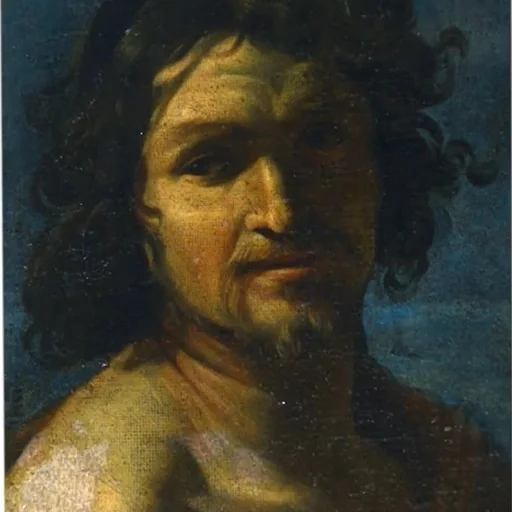
Artist
Matthias Stom or Matthias Stomer (c. 1600 – after 1652) was a Dutch, or possibly Flemish, painter who is only known for the works he produced during his residence in Italy. He was influenced by the work of non-Italian…