Artwork
Cristo e l’adultera
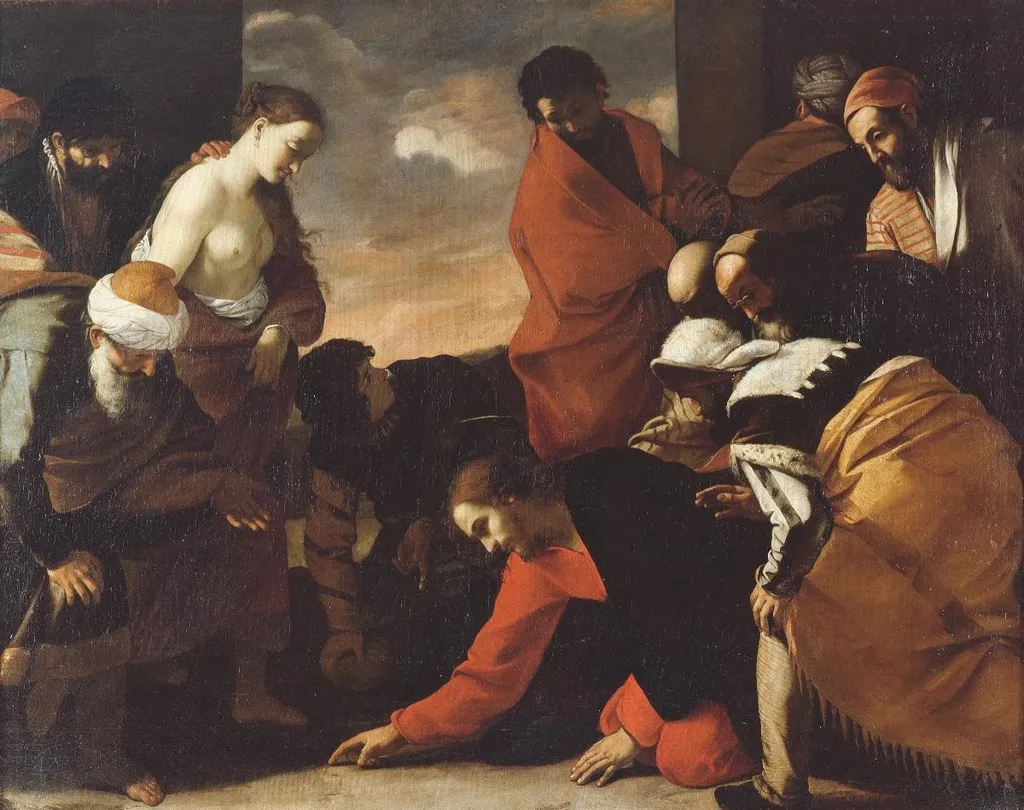
Cristo e l’adultera is an oil painting by the Early Baroque Italian artist Mattia Preti. It dates from 1637 and is held in the collection of the Kunsthaus Zürich.
About this work
Overview
Cristo e l’adultera is an oil painting created by Mattia Preti in 1637, currently part of the collection at the Kunsthaus Zürich.
Subject & Meaning
The painting depicts a somber scene from a biblical context, likely the story of Jesus and the adulteress (John 8:1-11), where a group observes a figure on the ground, possibly the adulteress, while Jesus is implied to be present. A central female figure, modestly draped in white, dominates the foreground, her gaze directed downward in a posture suggesting shame or contemplation.
Technique & Style
Preti employs chiaroscuro to create depth and draw attention to the central figure, enhancing the solemn atmosphere. The contrast between light and dark accents the emotional gravity of the scene, characteristic of Baroque stylistic elements.
History & Provenance
Created in 1637, the painting's history prior to its current location at the Kunsthaus Zürich is not detailed here, indicating a need for further research on its provenance.
Context
The work reflects the Baroque period's emphasis on dramatic lighting and emotionally charged biblical narratives, common in 17th-century European art. The scene's solemnity and the use of chiaroscuro place it within the broader artistic trends of the time.
Legacy
While specific influences or notable exhibitions of 'Cristo e l’adultera' are not provided, its presence in a prominent museum suggests it contributes to the understanding of Mattia Preti's oeuvre and Baroque religious art.
Artist & collection

Artist
Mattia Preti was an Italian Baroque artist who worked in Italy and Malta. He was appointed a Member of the Order of Saint John.

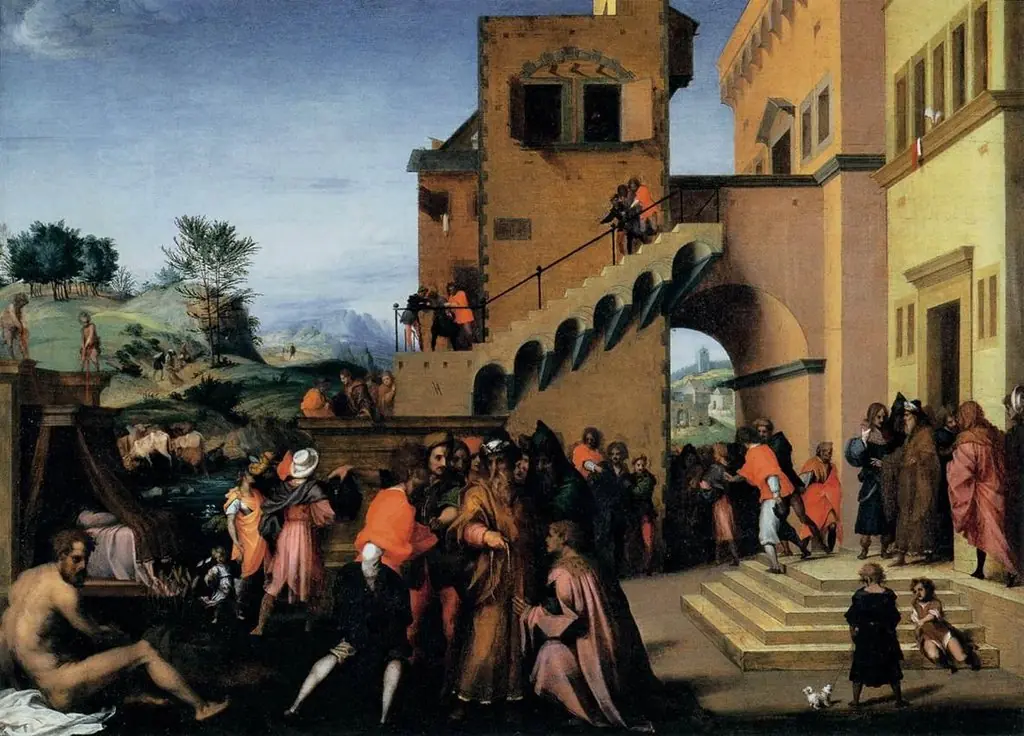 Joseph interpreting Pharaoh's dresm
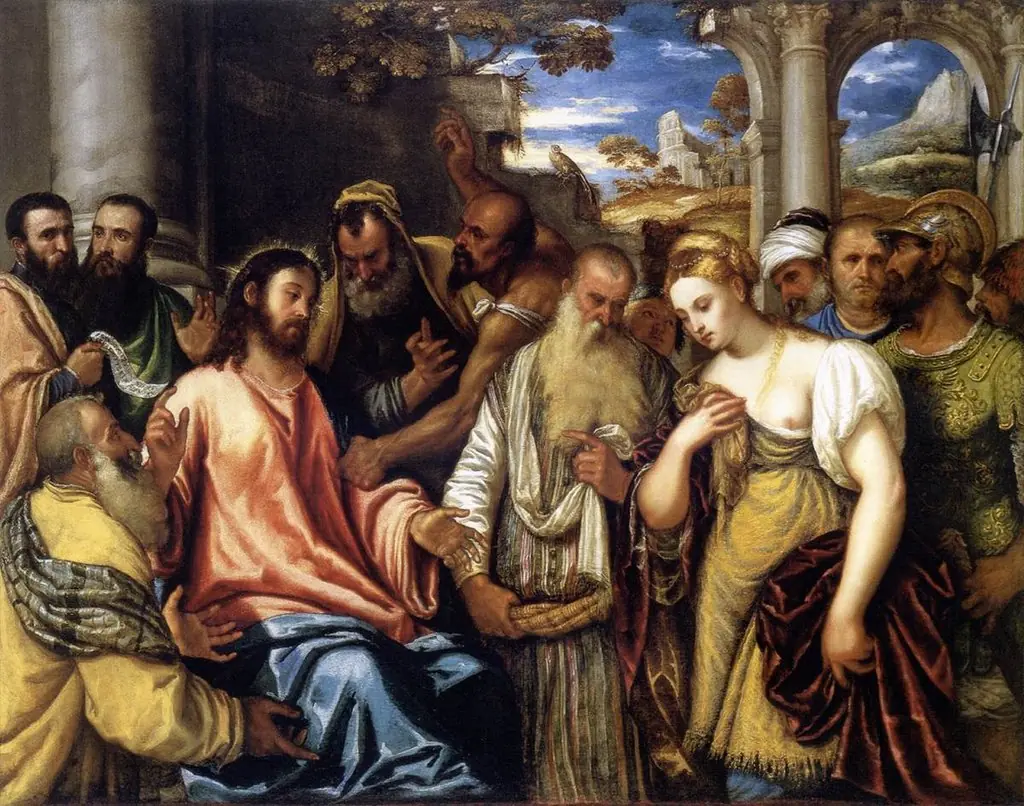 Christ and the Woman in Adultery
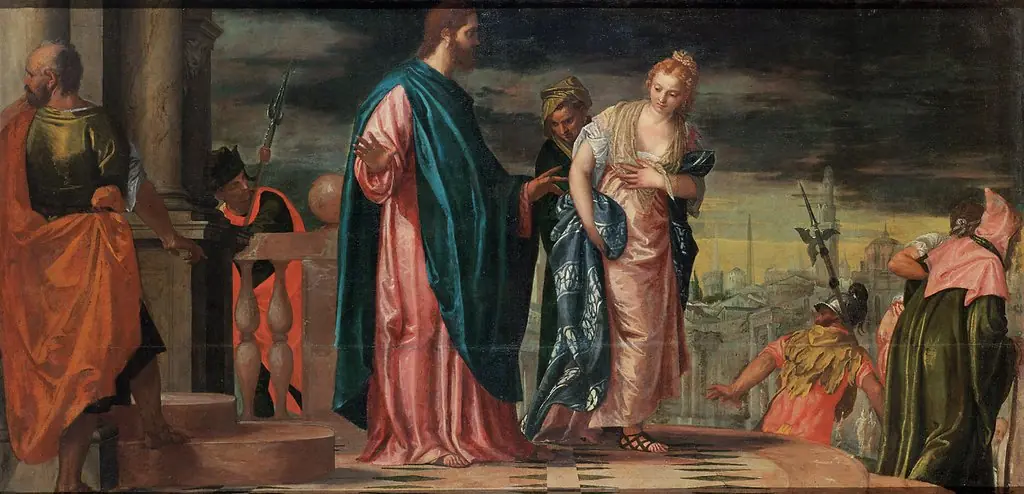 Christ and the Adulteress
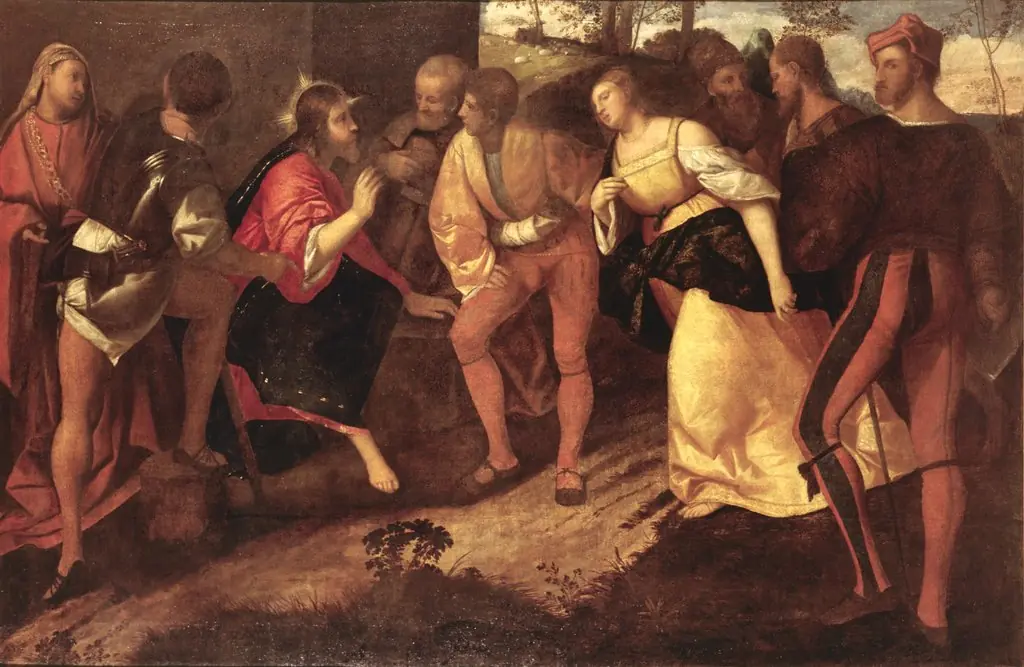 Christ and the Adulteress
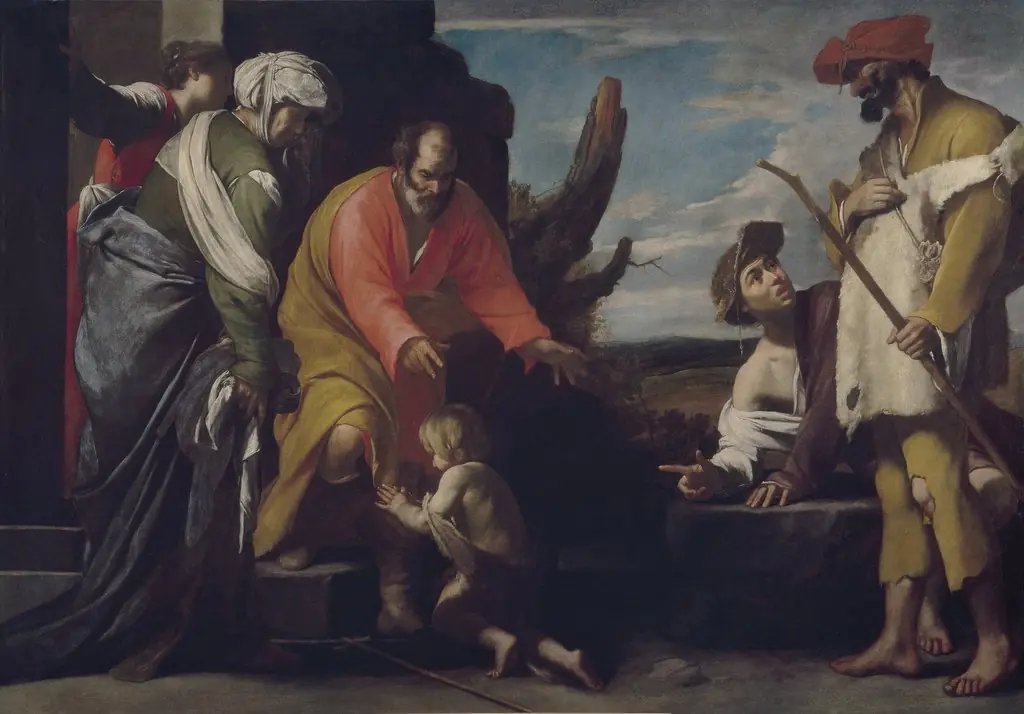 Saint John the Baptist says goodbye to his Parents
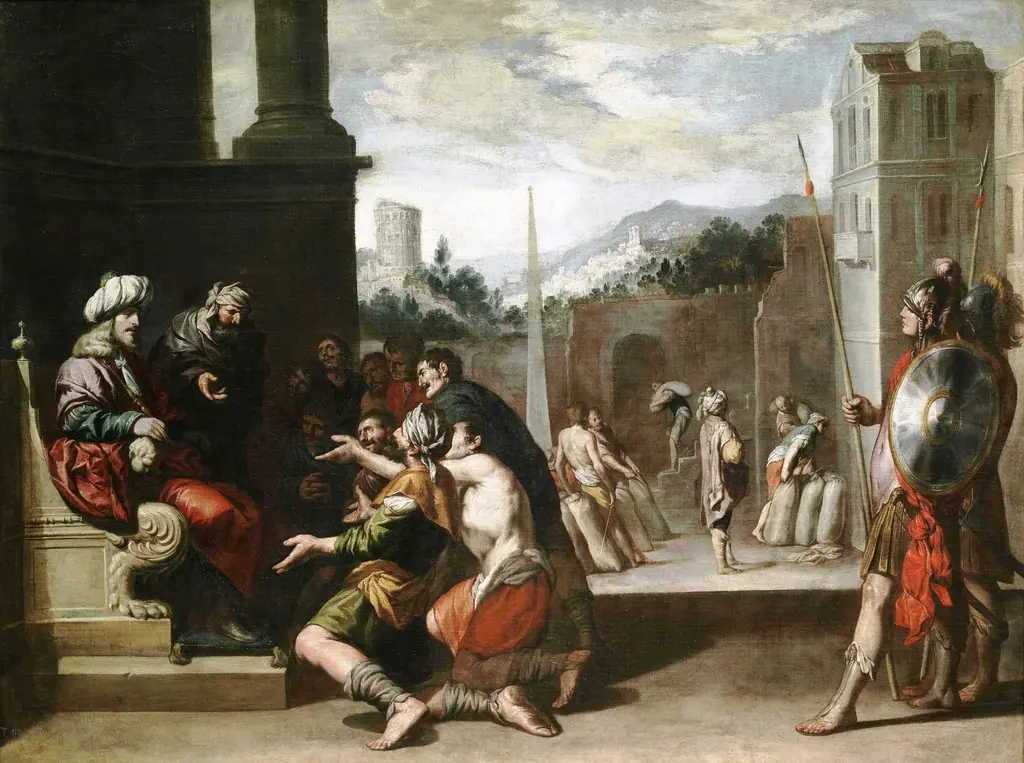 Joseph orders Simeon’s Imprisonment
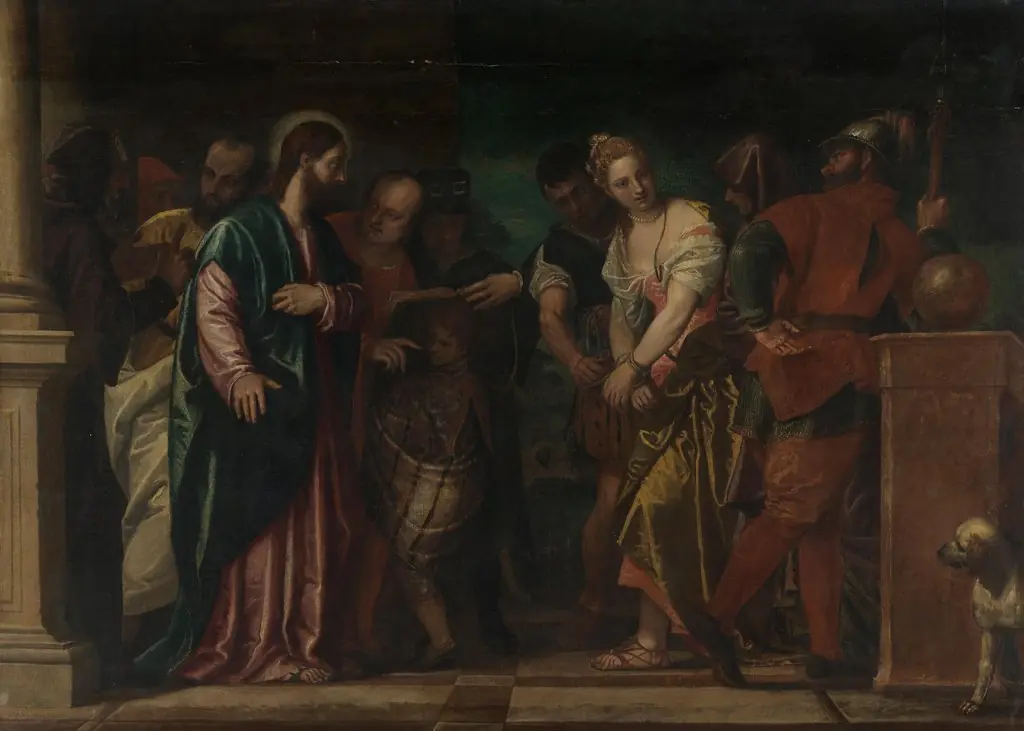 Christus und die Ehebrecherin
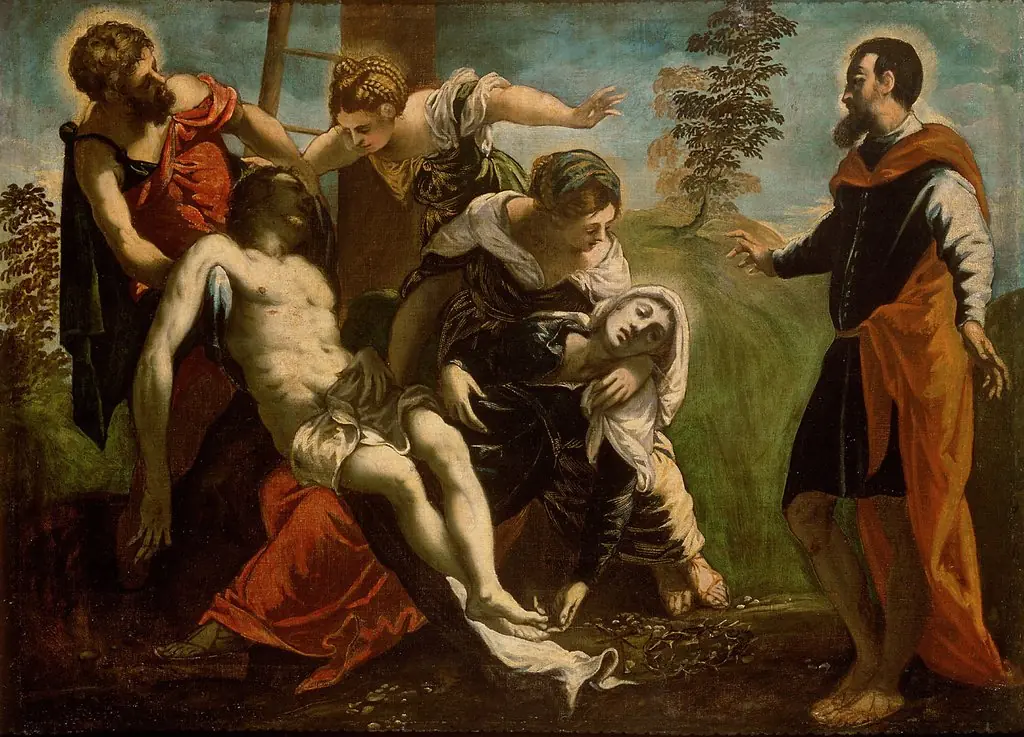 Descent from the Cross
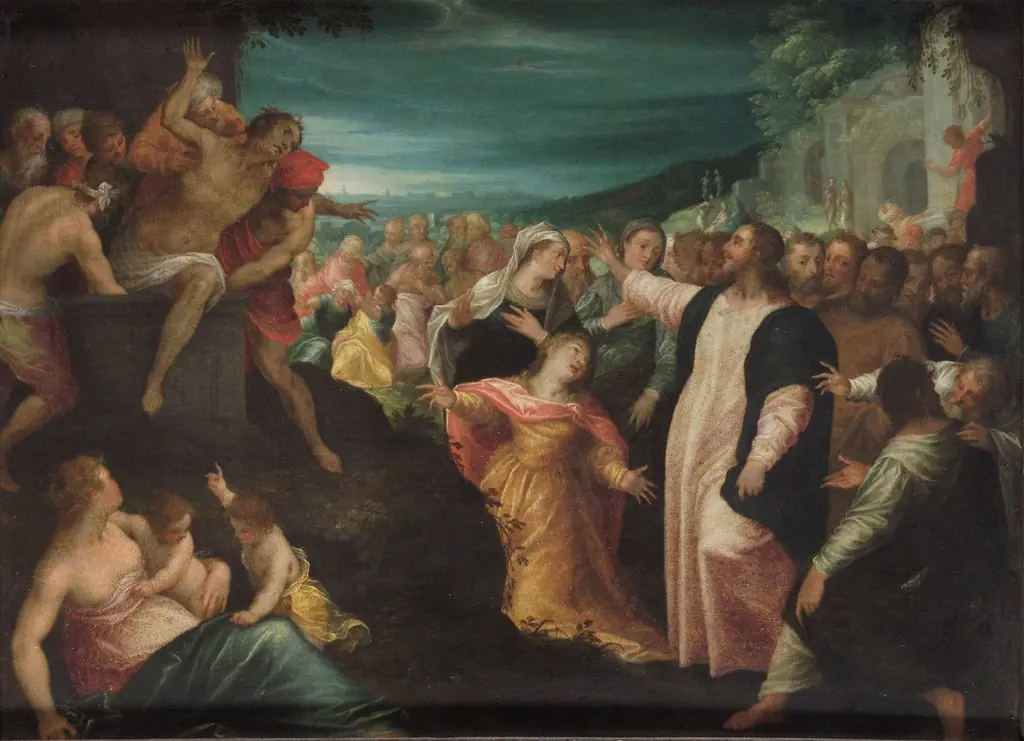 Resurrection of Lazarus
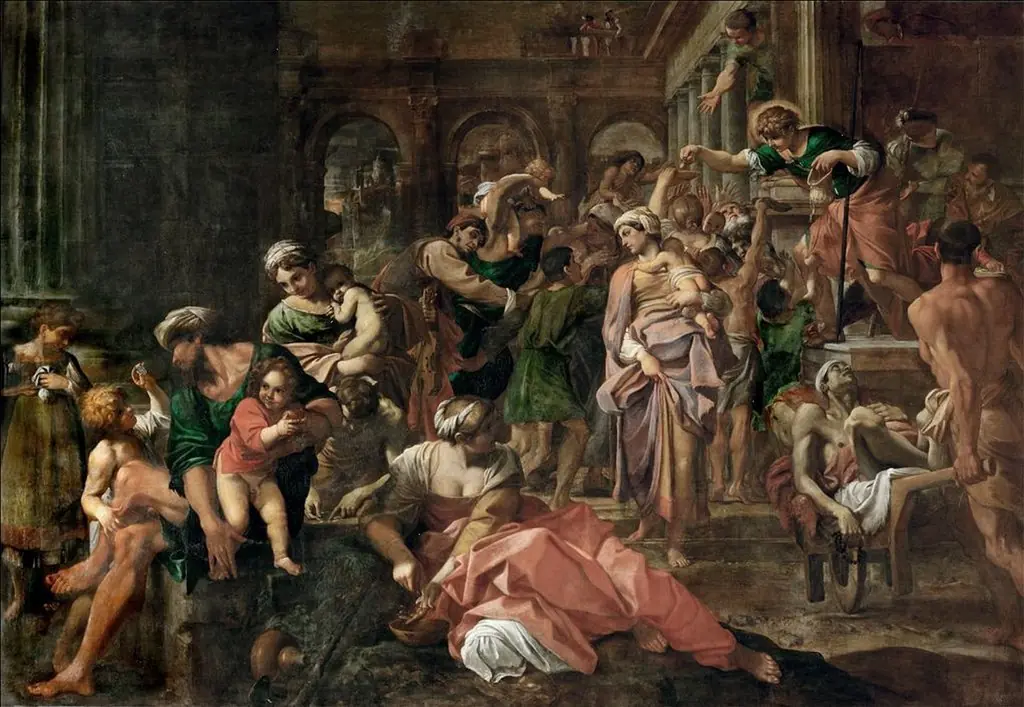 Saint Roch Distributing Alms
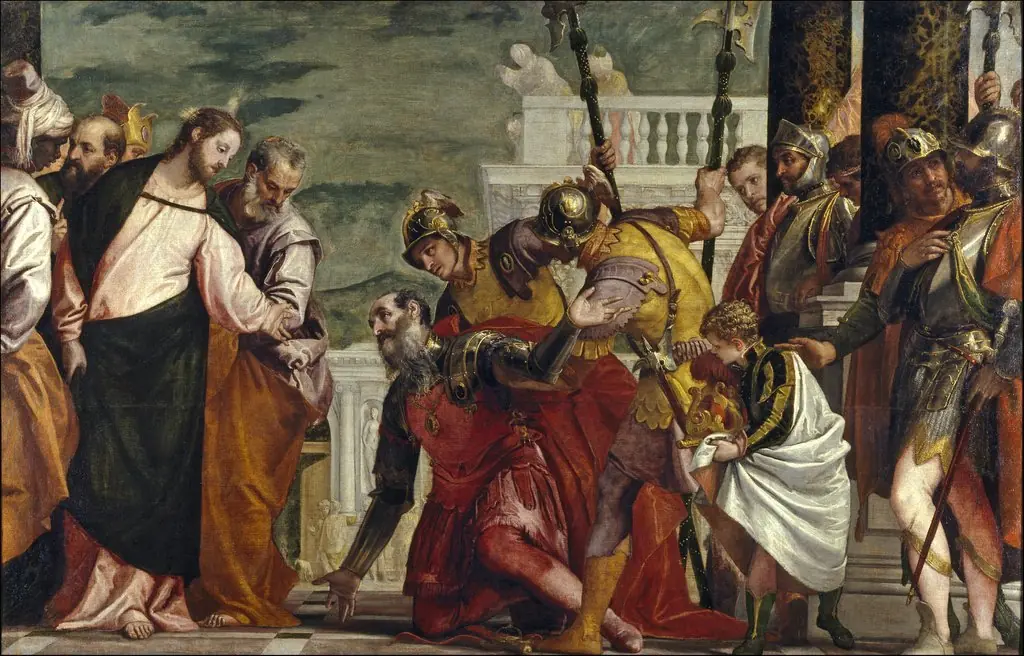 Christ and the Centurion
 The Departure of the Prodigal Son