Artwork
Pont Neuf, Paris
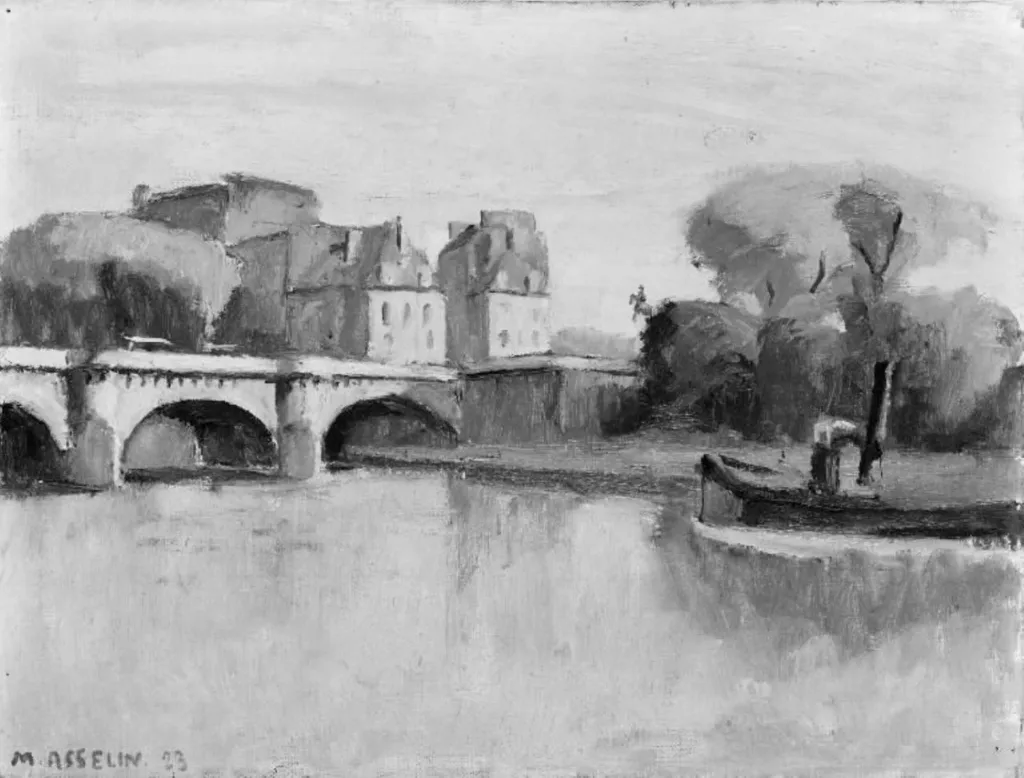
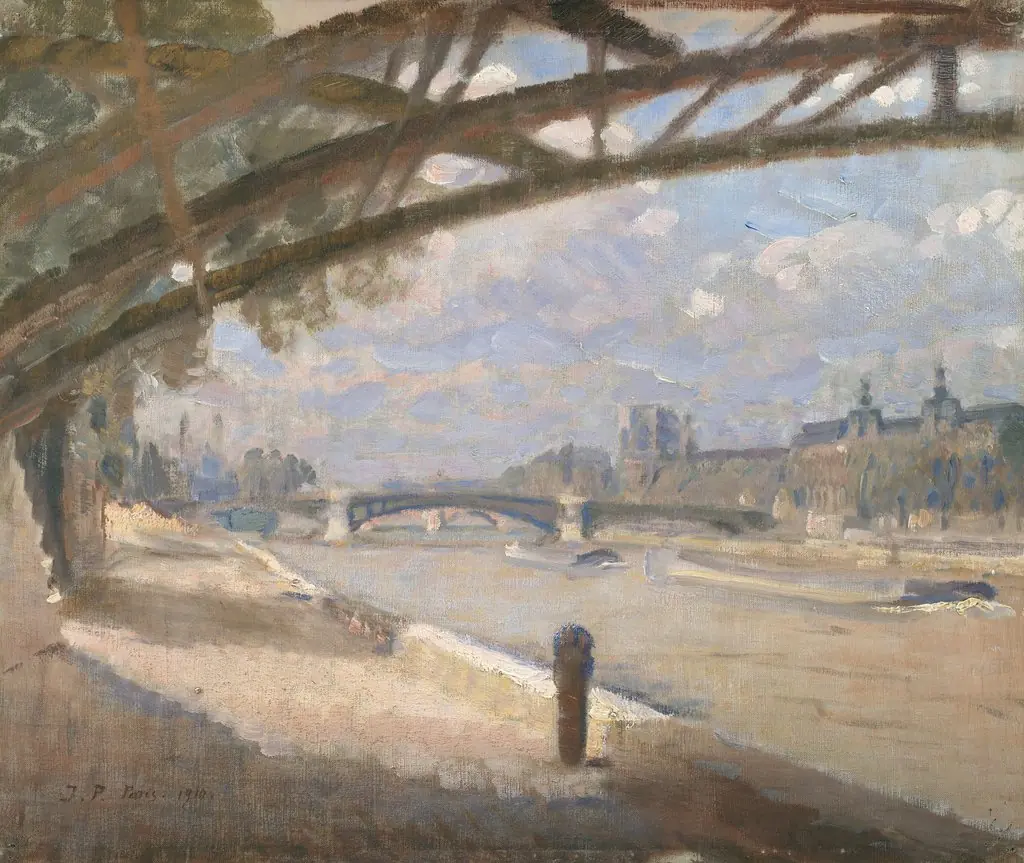
Pont Neuf, Paris is an oil painting by the Impressionist artist Maurice Asselin. It dates from 1923 and is held in the collection of the Statens Museum for Kunst.
About this work
Overview
Maurice Asselin painted *Pont Neuf, Paris* in 1923 using oil on canvas. A French artist linked to the School of Paris, he focused on everyday scenes with quiet precision. This work captures a view of the oldest standing bridge in Paris, framed by the Seine and the city’s architecture. It reflects his broader interest in landscape and urban tranquility, rendered without dramatic flourish.
Subject & Meaning
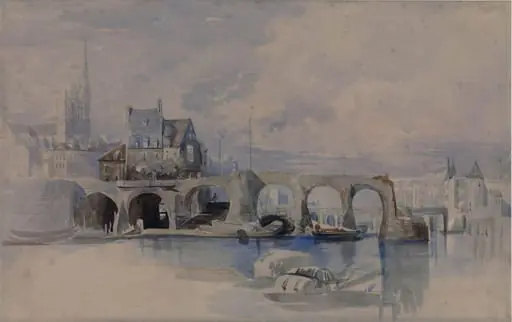
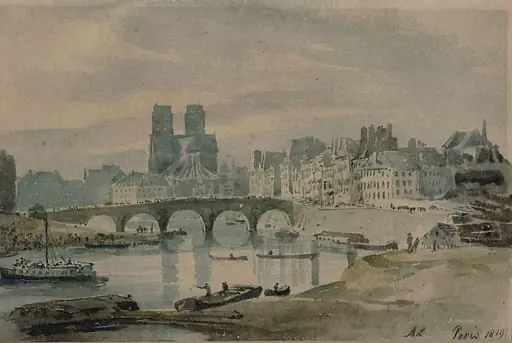
The painting centers on the Pont Neuf bridge, its stone arches and railings forming a stable horizontal line across the composition. The Seine flows beneath, its surface softly reflecting the sky and buildings. Trees along the banks and distant facades suggest a quiet, lived-in Paris. There is no human activity visible, emphasizing stillness and the enduring presence of the city’s infrastructure.
Technique & Style
Asselin applied oil paint in restrained, deliberate strokes, favoring muted tones over vivid contrasts. Texture emerges through layered glazes and subtle shifts in value, suggesting light on stone and water without overt Impressionist brushwork. The composition is carefully balanced, with depth achieved through atmospheric perspective rather than sharp detail, reinforcing the scene’s calm mood.
History & Provenance
Completed in 1923, the painting entered the collection of Statens Museum for Kunst in Copenhagen, where it remains today.
Completed in 1923, the painting entered the collection of Statens Museum for Kunst in Copenhagen, where it remains today. Asselin, though not widely known internationally, was active in Parisian artistic circles during the early 20th century. The work’s presence in a Danish national collection suggests its recognition beyond France, possibly acquired through exchange or purchase during a period of cross-cultural artistic interest.
Context
In the 1920s, Parisian artists continued to explore urban landscapes, often turning away from avant-garde experimentation toward more contemplative realism. Asselin’s approach aligned with this trend, drawing from Impressionist sensitivity to light while avoiding its fragmentation. The Pont Neuf, a symbol of Parisian continuity since the 16th century, offered a timeless subject amid rapid modernization.
Legacy
Though Asselin’s oeuvre remains relatively understudied, *Pont Neuf, Paris* exemplifies a quiet strand of interwar French painting that valued observation over innovation. The work contributes to a broader record of how artists engaged with familiar urban sites during a time of cultural transition. Its preservation in a major Nordic museum underscores its role as a modest but enduring document of place.
Own this work as a print
Artist & collection
Artist
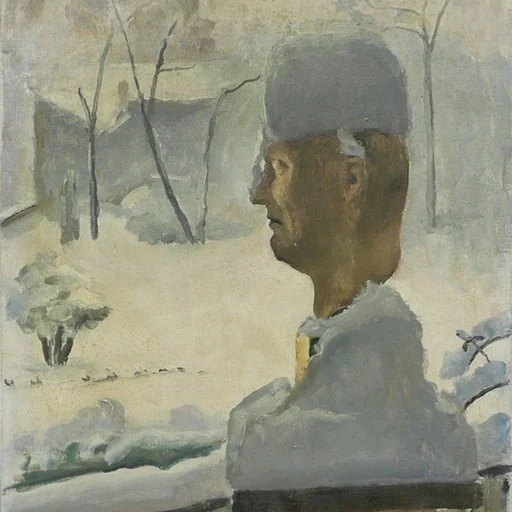
Maurice Paul Jean Asselin (24 June 1882 – 27 September 1947) was a French painter, watercolourist, printmaker, lithographer, engraver and illustrator, associated with the School of Paris.