Artwork
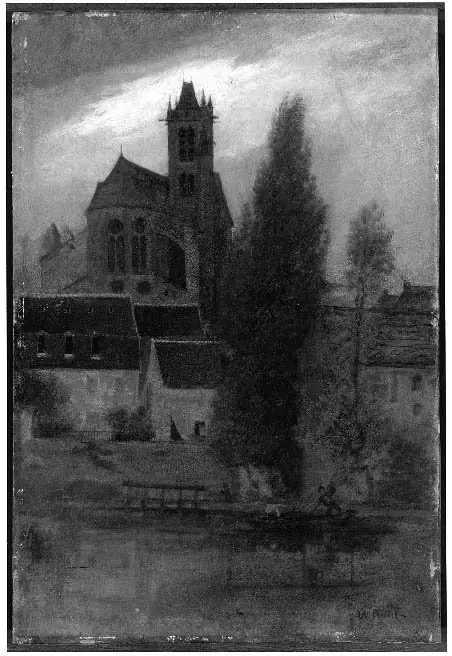
View of Moret, France
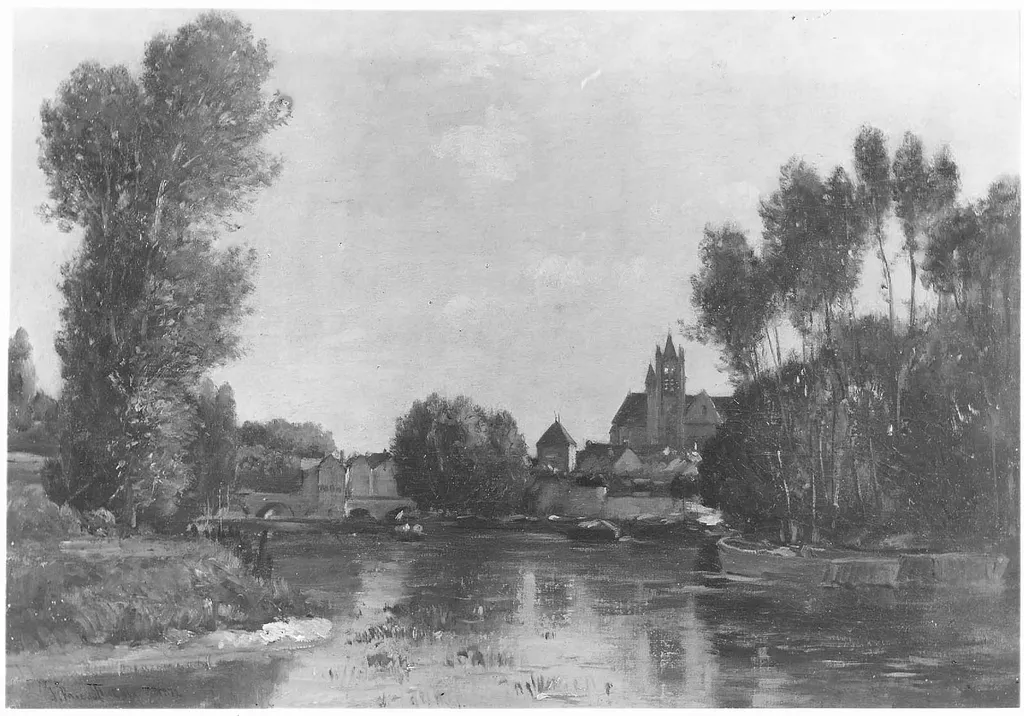
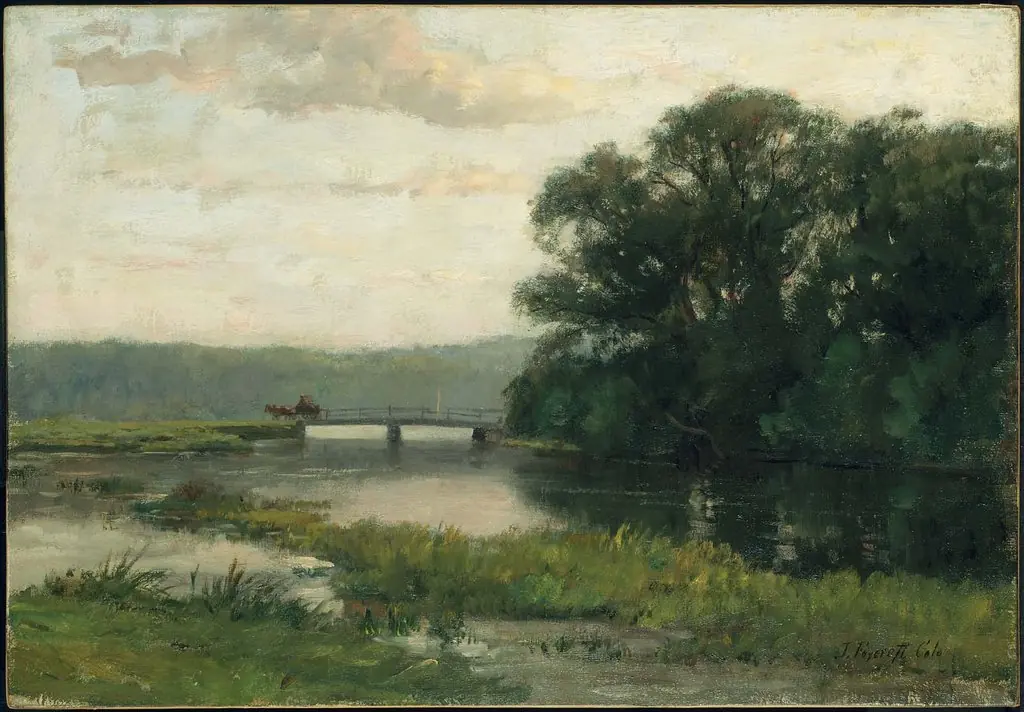
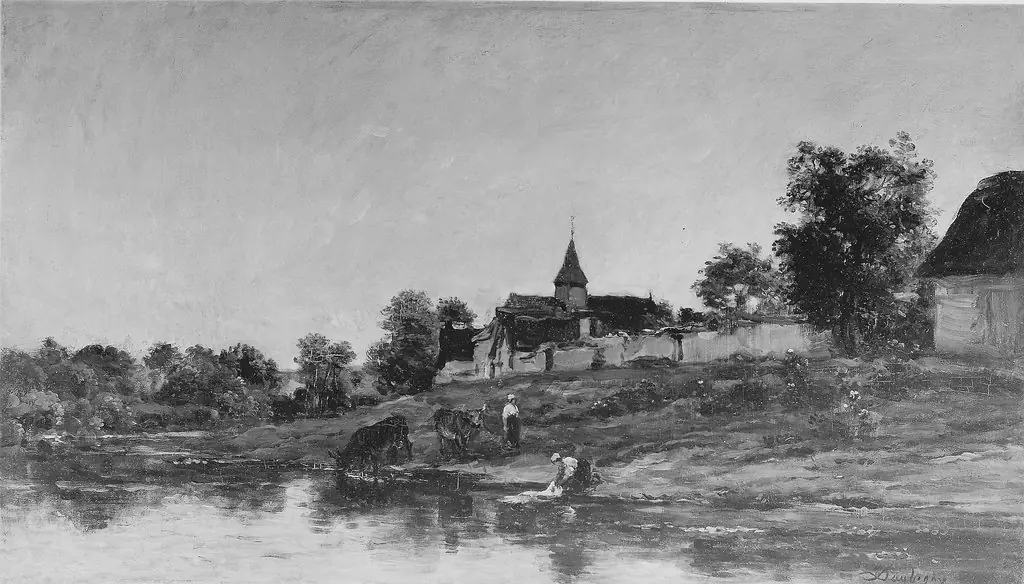
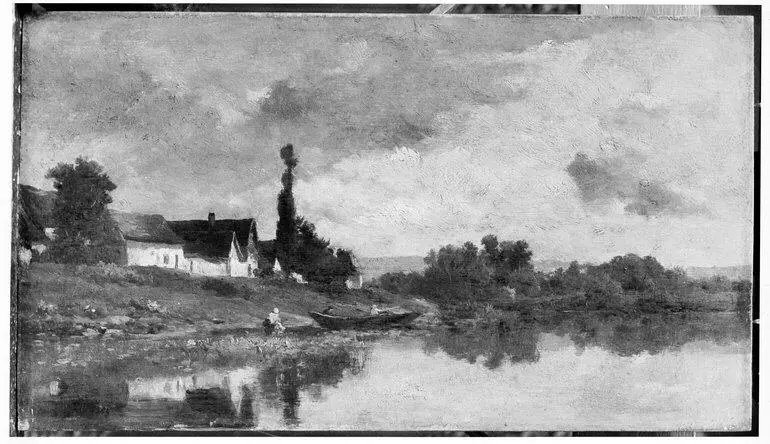
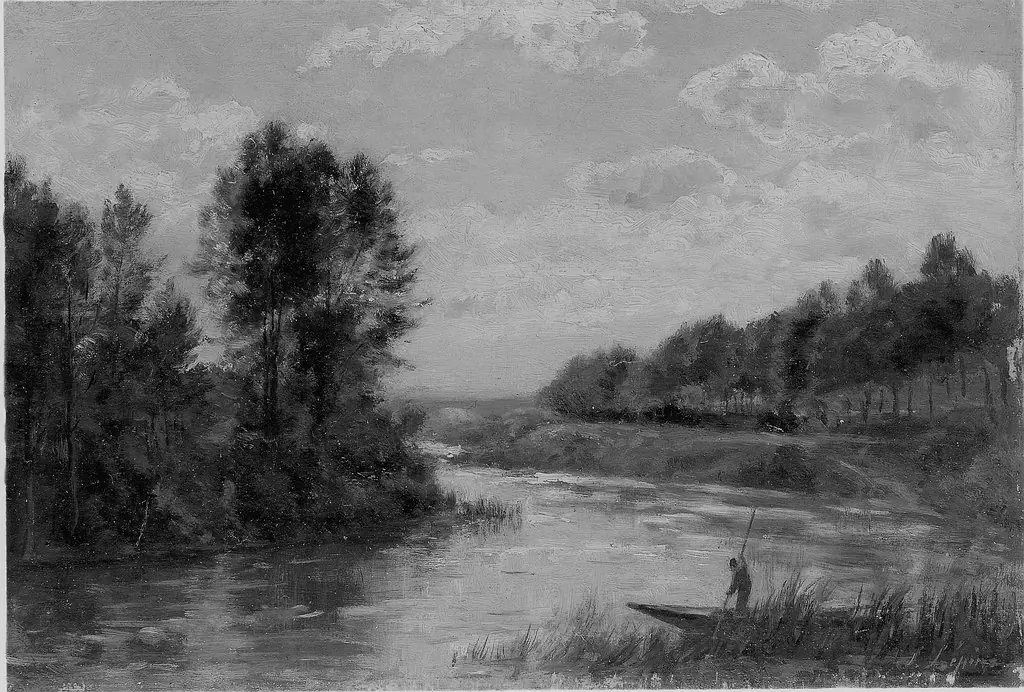
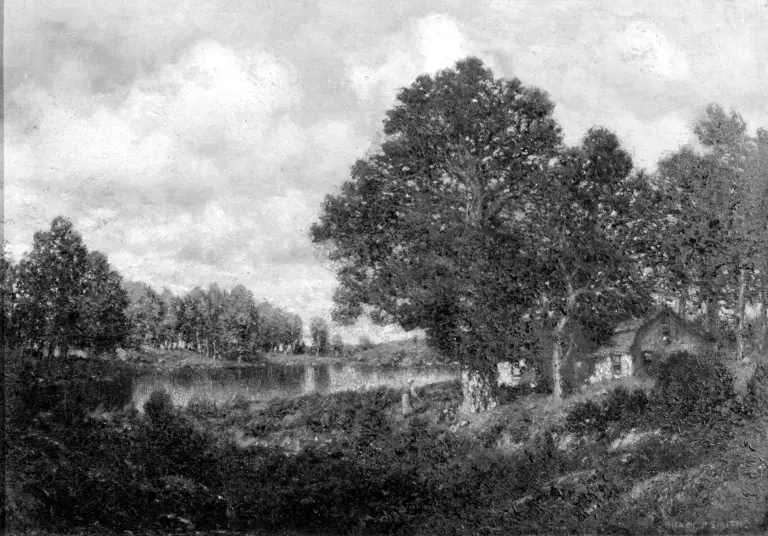
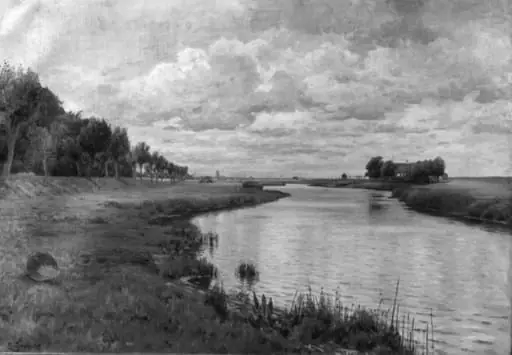
View of Moret, France is an oil painting by the American Impressionist artist Joseph Foxcroft Cole. It dates from 1872 and is held in the collection of the Museum of Fine Arts Boston.
About this work
Overview
The work is part of the permanent collection at the Museum of Fine Arts, Boston.
Painted in 1872 by Joseph Foxcroft Cole, View of Moret, France is an oil-on-canvas landscape depicting a quiet riverside scene in the French village of Moret-sur-Loing. The work is part of the permanent collection at the Museum of Fine Arts, Boston. Its composition emphasizes stillness and natural harmony, capturing a moment of subdued daylight with careful attention to atmospheric effects and spatial depth.
Subject & Meaning
The painting presents a tranquil view along the Loing River, a tributary of the Seine, with modest buildings, clustered trees, and a distant church steeple anchoring the horizon. The absence of human figures enhances the sense of solitude and quiet contemplation. The scene reflects a 19th-century preference for unidealized rural life, valuing serenity over drama, and evokes a meditative engagement with the natural world.
Technique & Style
Cole employs soft tonal transitions and subtle chiaroscuro to model forms and suggest depth without harsh contrasts. The river’s surface mirrors the sky’s pale hues, reinforcing the painting’s calm mood. Brushwork is restrained, favoring blended edges and muted color harmonies. Light is diffused evenly, avoiding dramatic highlights, which contributes to the work’s understated realism and atmospheric cohesion.
History & Provenance
Created during Cole’s time in France, the painting reflects his engagement with French landscape traditions. It entered the Museum of Fine Arts, Boston’s collection in the late 19th century, likely through acquisition or donation by a collector familiar with American artists working abroad. Its preservation in a major institution underscores its recognition as a representative example of American plein air painting from the period.
Context
In the 1870s, American artists increasingly traveled to Europe to study landscape painting, drawn to rural France for its light and unspoiled scenery. Cole’s work aligns with the Barbizon School’s influence, emphasizing direct observation and quiet naturalism. Unlike grand historical or romantic landscapes, View of Moret prioritizes everyday beauty, reflecting a broader shift toward intimate, observational art in the post-Civil War era.
Legacy
Though not widely known today, the painting remains a quiet example of American artists’ response to European landscape traditions. It contributes to the historical record of 19th-century transatlantic artistic exchange and illustrates how American painters adapted European techniques to convey personal, contemplative visions of nature. Its continued presence in Boston’s collection ensures its role in understanding the evolution of American landscape painting.
Artist & collection