Artwork
Fashionable Woman
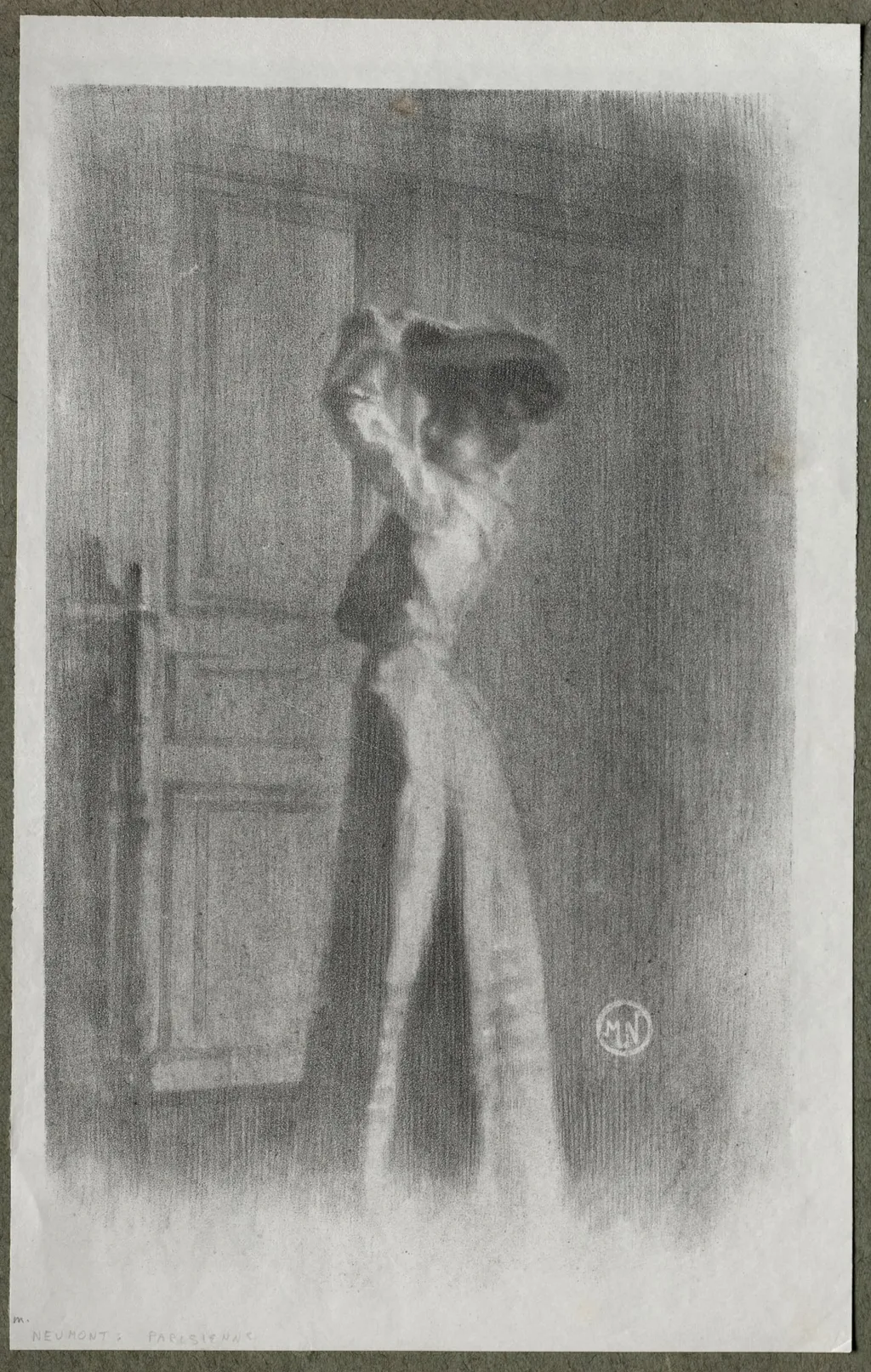
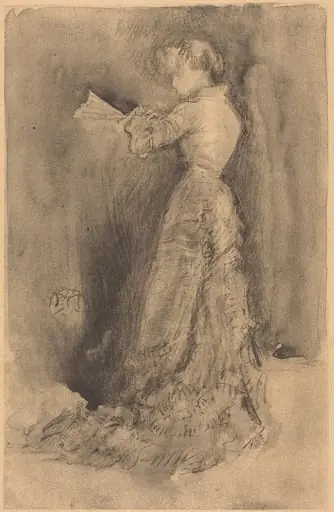
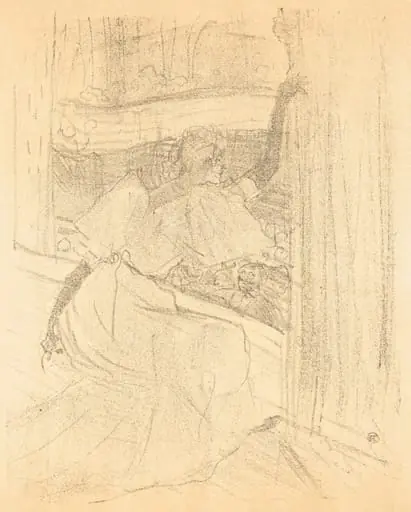
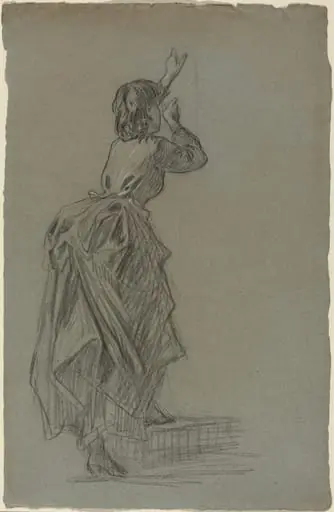
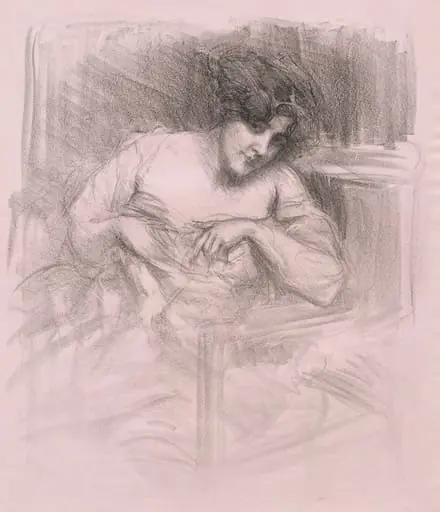
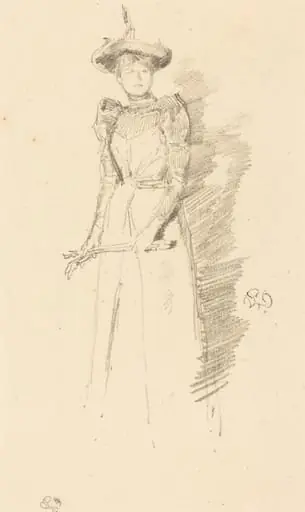
Fashionable Woman is a print by the Impressionist artist Maurice Louis Henri Newmont. It dates from 1900 and is held in the collection of the Cleveland Museum of Art.
About this work
Overview
Though titled to suggest social status, the subject’s attire and posture imply a working role, creating a subtle tension between appearance and function.
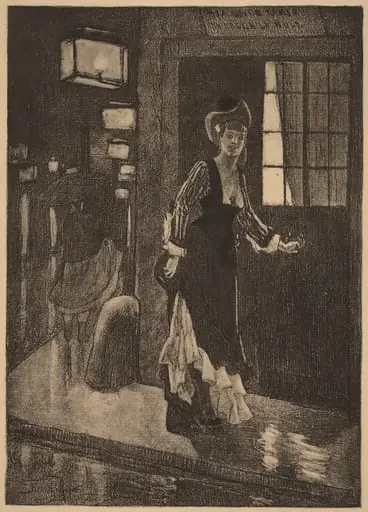
Fashionable Woman is a print produced around 1900 by Maurice Louis Henri Newmont. It is part of the collection at The Cleveland Museum of Art. The work presents a solitary female figure in a domestic interior, rendered with careful attention to light and texture. Though titled to suggest social status, the subject’s attire and posture imply a working role, creating a subtle tension between appearance and function.
Subject & Meaning
The figure is depicted in a dark, floor-length dress with a white apron and a hat, elements commonly associated with domestic service in the late 19th century. Her raised right hand near her head and the dark object in her left—possibly a cleaning tool—suggest a moment of pause or reflection. The worn door behind her, marked by a prominent keyhole, reinforces themes of confinement and labor, inviting contemplation of unseen routines and social hierarchies.
Technique & Style
Newmont employs chiaroscuro to model the figure with strong contrasts between light and shadow, lending volume and presence to the subject. The rendering of fabric, wood grain, and metal details is precise, enhancing the scene’s tactile realism. The composition is tightly framed, focusing attention on the woman’s posture and the architectural elements around her, minimizing distraction and deepening psychological intensity.
History & Provenance
The print entered the collection of The Cleveland Museum of Art through documented acquisition, though specific details of its early ownership remain unrecorded. Created around 1900, it reflects the period’s interest in domestic scenes and social observation. Newmont’s work from this era is rare in public collections, making this piece a significant example of his graphic output during the turn of the century.
Context
At the turn of the 20th century, artists across Europe and America increasingly turned to everyday life as subject matter, often highlighting laborers and marginalized figures. Newmont’s print aligns with this trend, avoiding romanticization. The depiction of a servant in a private, unglamorous moment contrasts with contemporary portrayals of leisure and wealth, offering a quiet commentary on class and visibility.
Legacy
Though Newmont is not widely known today, Fashionable Woman endures as a thoughtful example of early 20th-century printmaking focused on social nuance. Its restrained composition and emotional subtlety distinguish it from more overtly dramatic works of the period. The print contributes to broader scholarly interest in the representation of domestic labor in visual culture during a time of rapid social change.
Artist & collection