Artwork
May Day, Central Park
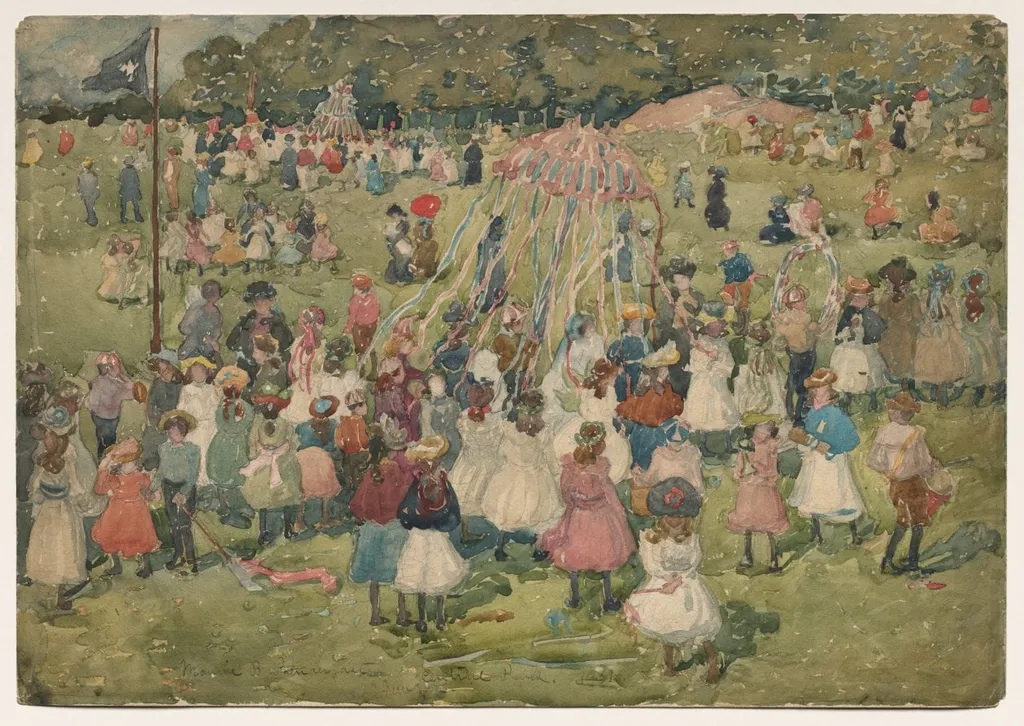
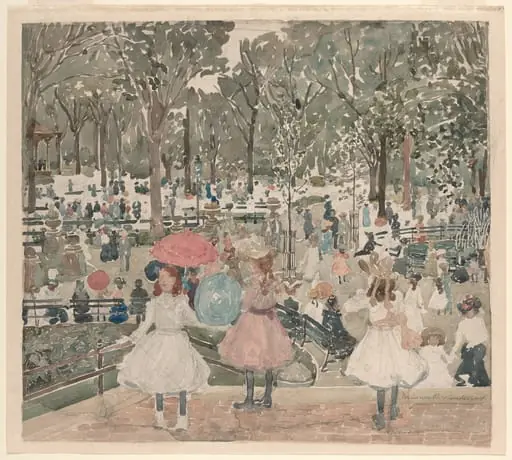
May Day, Central Park is a drawing by Maurice Prendergast. It dates from 1901 and is held in the collection of the Cleveland Museum of Art.
About this work
He lived in Boston at the time, yet he kept coming back to Central Park for its May Day celebrations.
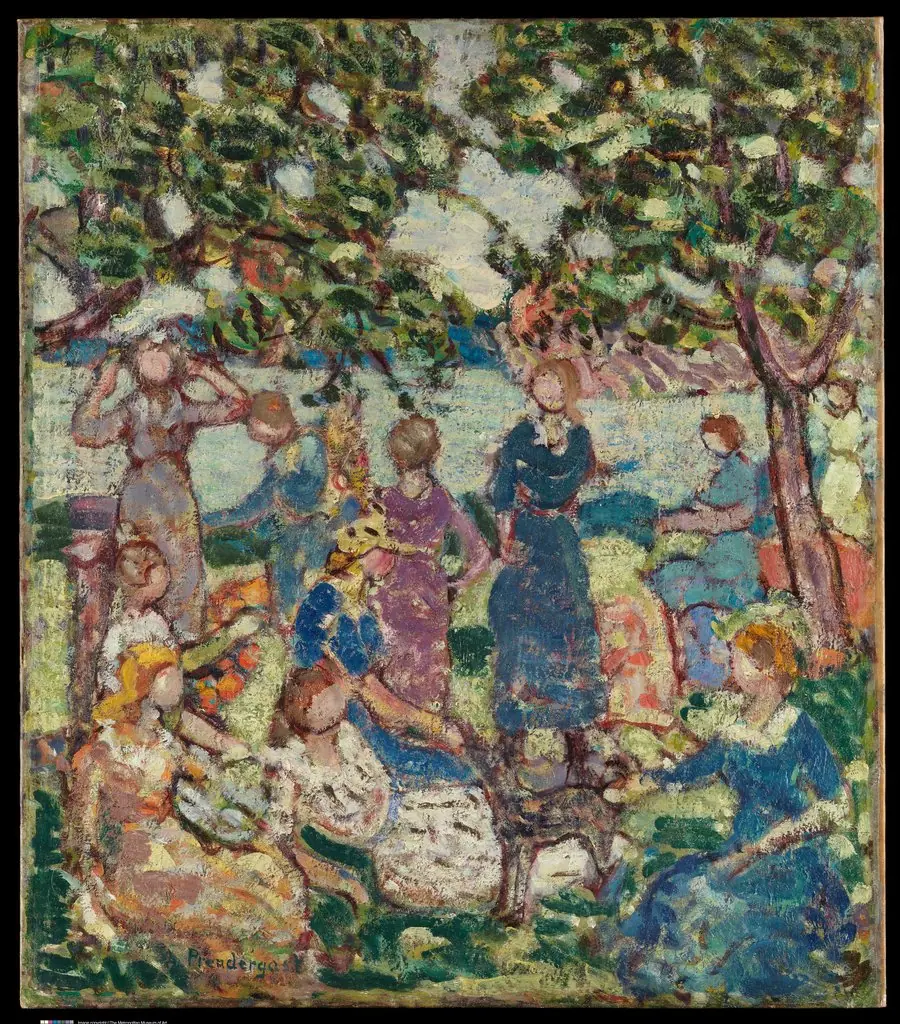
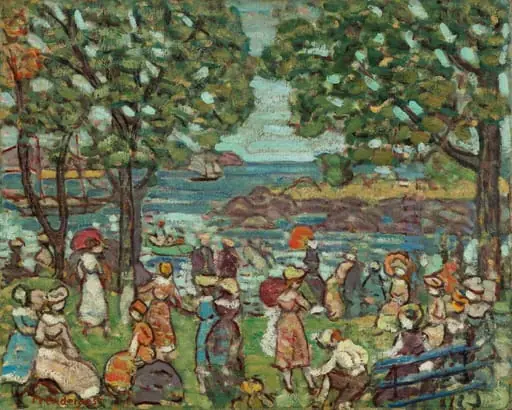
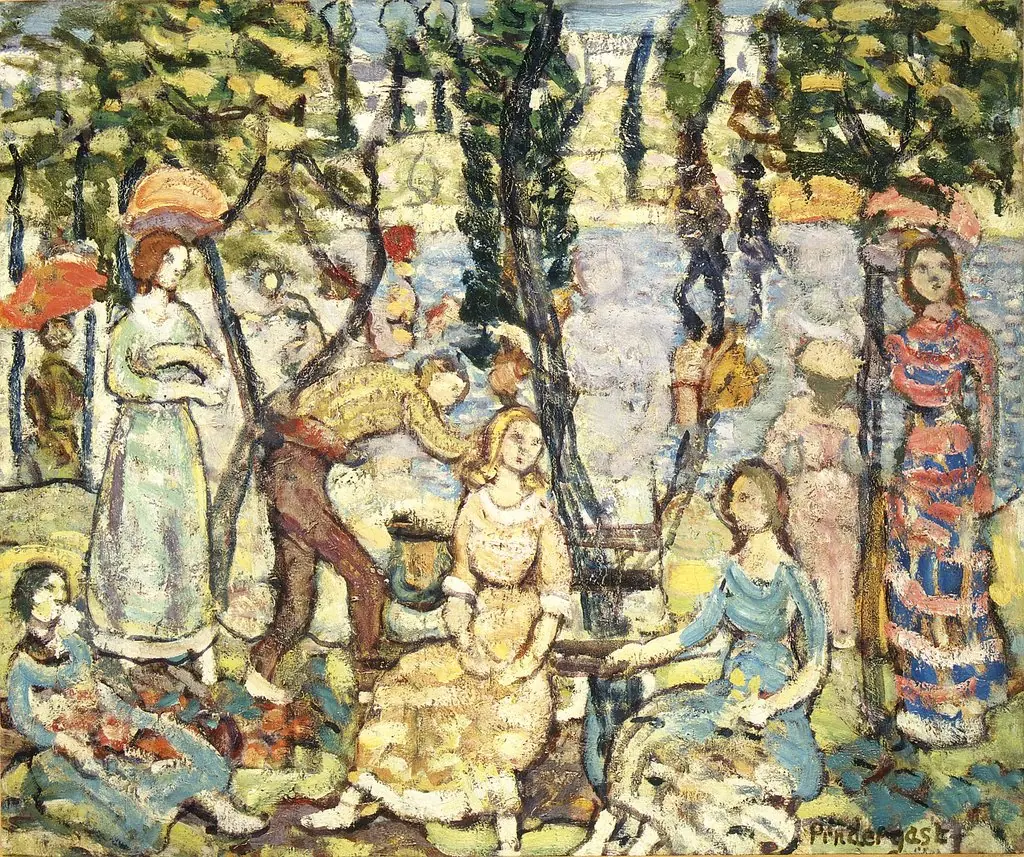
Bright ribbons twist in the air above a crowd of children dancing in Central Park. Trees are quick green smudges; people are small, colorful dabs of paint.
Prendergast often painted parks in Boston, Paris, and Venice, but this is New York in 1901. He lived in Boston at the time, yet he kept coming back to Central Park for its May Day celebrations. The scene feels loose and lively, like a snapshot taken on the move.
If you like this light, sketchy style, look up the subject: america.
Overview
This drawing by Maurice Prendergast captures a May Day celebration in Central Park, executed around 1901. Though based in Boston, Prendergast made repeated trips to New York to observe and record public festivities. The work is rendered in watercolor and pencil, emphasizing spontaneity and movement. Its loose, energetic marks reflect the artist’s interest in capturing fleeting moments of urban life, particularly seasonal rituals observed in public spaces.
Subject & Meaning
The scene depicts children dancing around a Maypole, their ribbons swirling above them in vibrant arcs. The celebration, rooted in European spring traditions, was a common sight in Central Park at the time. Prendergast was drawn to such communal rituals, seeing them as expressions of collective joy. By focusing on children, he emphasizes innocence and renewal, aligning the event with broader themes of seasonal change and civic life.
Technique & Style
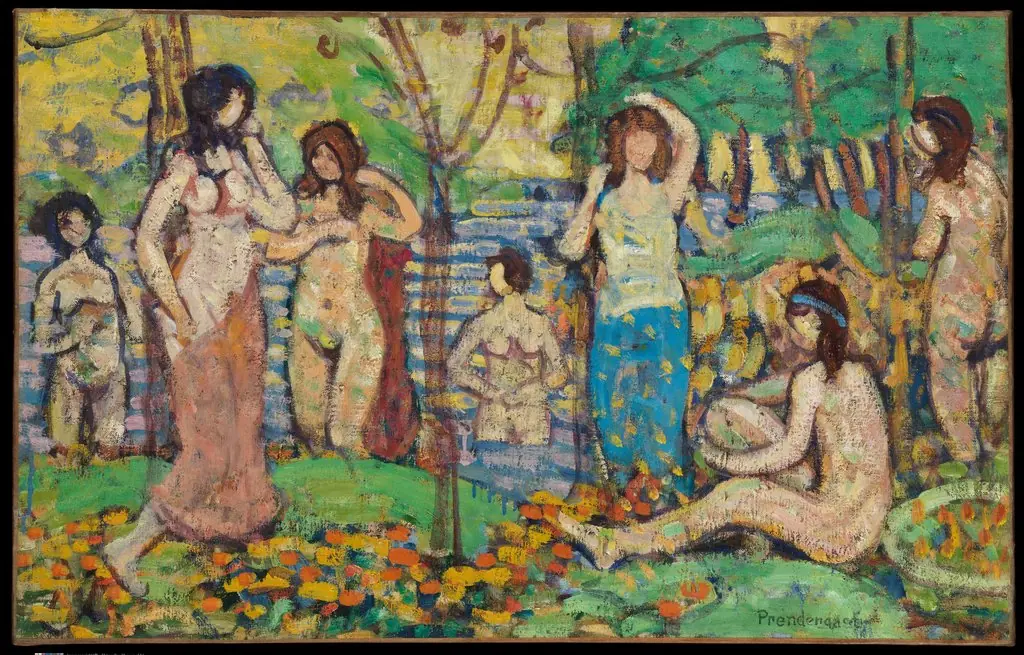
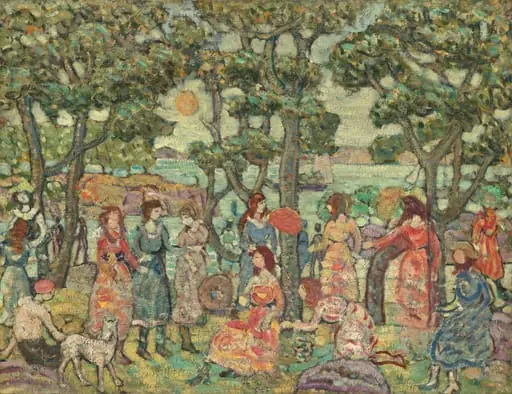
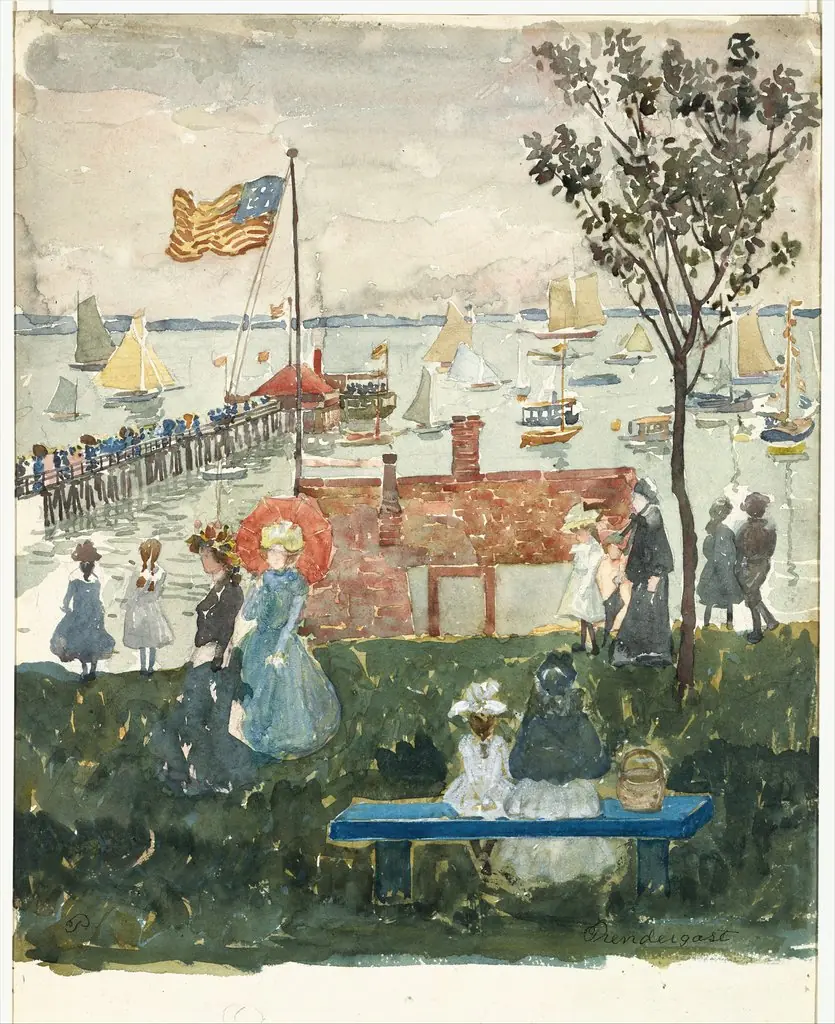
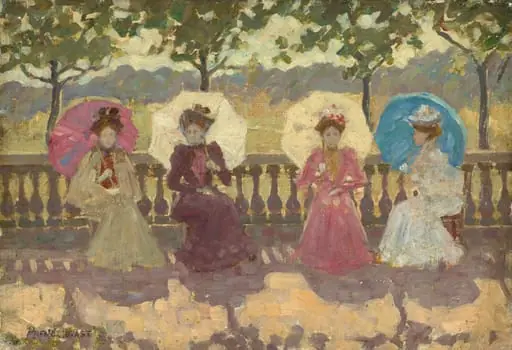
Prendergast employed rapid, fluid strokes with watercolor and pencil, allowing the paper’s white surface to suggest light and air. Figures are reduced to small, colorful smudges, while trees appear as loose green washes. The absence of fine detail enhances the sense of motion and immediacy. This approach reflects his affinity for Impressionist and Post-Impressionist methods, prioritizing atmosphere and rhythm over precise representation.
History & Provenance
Created during a period when Prendergast was based in Boston, the drawing stems from his frequent visits to Central Park in the early 1900s. He returned to this subject multiple times, producing several versions of May Day celebrations. The work is part of a broader series documenting public gatherings in urban parks across Europe and America, reflecting his sustained interest in how people interact with shared spaces.
Context
In the early 20th century, Central Park served as a cultural crossroads where diverse New Yorkers gathered for seasonal events. May Day festivities, though imported from European traditions, had become a fixture in the park’s calendar. Prendergast’s focus on such events aligns with a wider artistic interest in modern urban life, paralleling contemporaries who documented public spectacles in Paris, Venice, and Boston.
Legacy
This drawing exemplifies Prendergast’s contribution to American modernism through his treatment of everyday scenes. His ability to convey energy and color with minimal means influenced later artists interested in capturing movement and light. While not widely known for large-scale works, his sketches of public life remain significant for their sensitivity to social rhythm and their quiet documentation of American urban culture.
Artist & collection
Artist
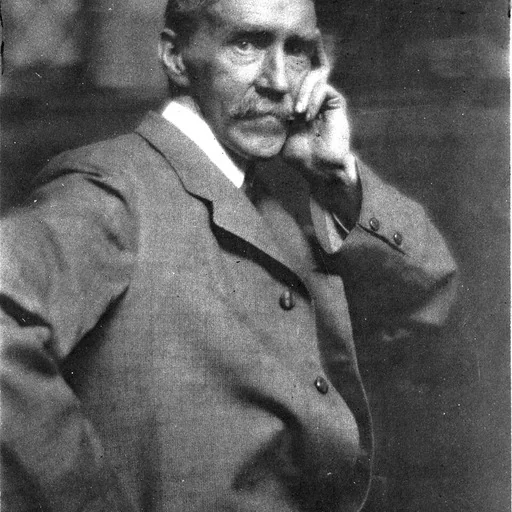
Maurice Brazil Prendergast (October 10, 1858 – February 1, 1924) was a Newfoundlander-American artist who painted in oil and watercolor, and created monotypes.