Artwork
Portrait of Justynian Karnicki, president of Society of Fine Arts
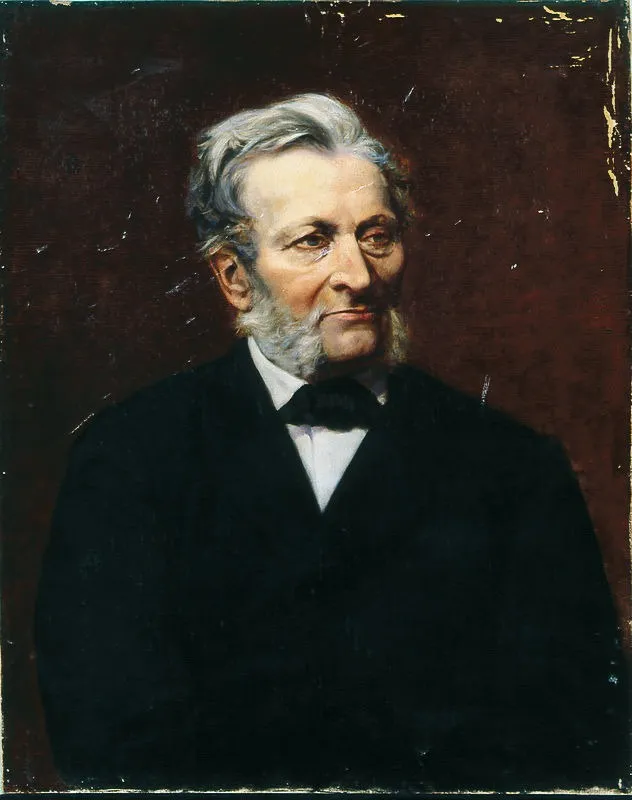
Portrait of Justynian Karnicki, president of Society of Fine Arts is an oil painting by the Post-Impressionist artist Maurycy Sztencel. It dates from 1892 and is held in the collection of the National Museum in Warsaw.
About this work
Overview
Painted in 1892 by Maurycy Sztencel, this oil portrait depicts Justynian Karnicki, then president of the Society of Fine Arts. The work is part of the National Museum in Warsaw’s collection. Rendered with restrained elegance, it captures a dignified elder in formal attire against a muted, dark background, emphasizing his presence through subtle modeling rather than ornate detail.
Subject & Meaning
Justynian Karnicki is portrayed as a figure of cultural authority, his white hair and beard suggesting age and experience. His dark suit and black bow tie convey formality, aligning with his institutional role. The direct gaze and composed posture reflect dignity and quiet leadership, avoiding theatricality to underscore his contribution to the arts community without overt symbolism.
Technique & Style
Sztencel employs smooth, controlled brushwork, particularly in rendering the textures of skin and fabric. The face is modeled with careful attention to chiaroscuro, using soft transitions between light and shadow to define volume. The background remains unadorned and dark, isolating the figure and focusing attention on the nuanced gradations of tone across his features and attire.
History & Provenance
Commissioned during Karnicki’s tenure at the Society of Fine Arts, the portrait was likely intended to honor his leadership. It entered the National Museum in Warsaw’s holdings shortly after completion and has remained there since, preserved as part of Poland’s late 19th-century artistic and institutional heritage.
Context
Created during a period of growing national cultural identity in partitioned Poland, portraits like this served to affirm the legitimacy of civic and artistic institutions. Karnicki’s image, devoid of aristocratic trappings, reflects a shift toward valuing merit and public service over inherited status within the arts community.
Legacy
The portrait stands as a quiet testament to the role of cultural administrators in shaping Poland’s artistic life. Its restrained realism and focus on character over spectacle align with broader trends in academic portraiture of the era, offering a sober counterpoint to more flamboyant contemporary styles.
Artist & collection

 Neil McNeill
 Self-portrait
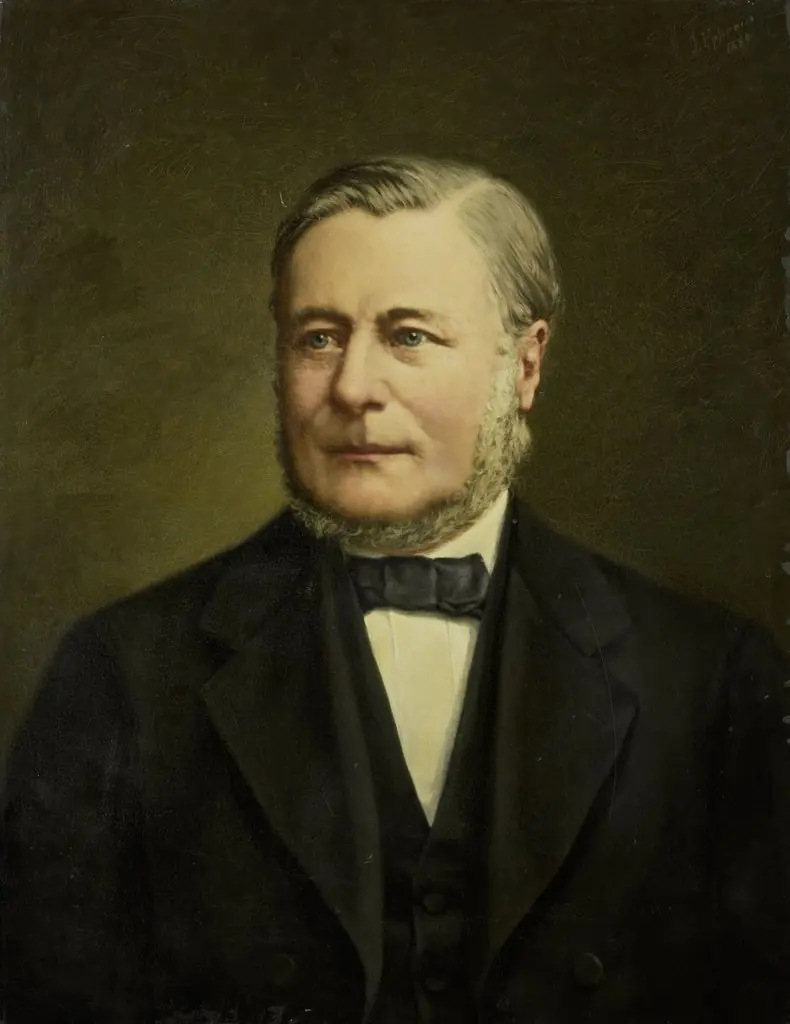 Portrait of Pieter Hendrik van Gelder (1822-1883)
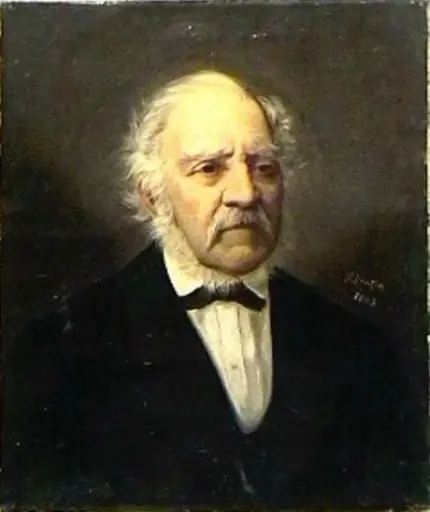 Portret de bărbat
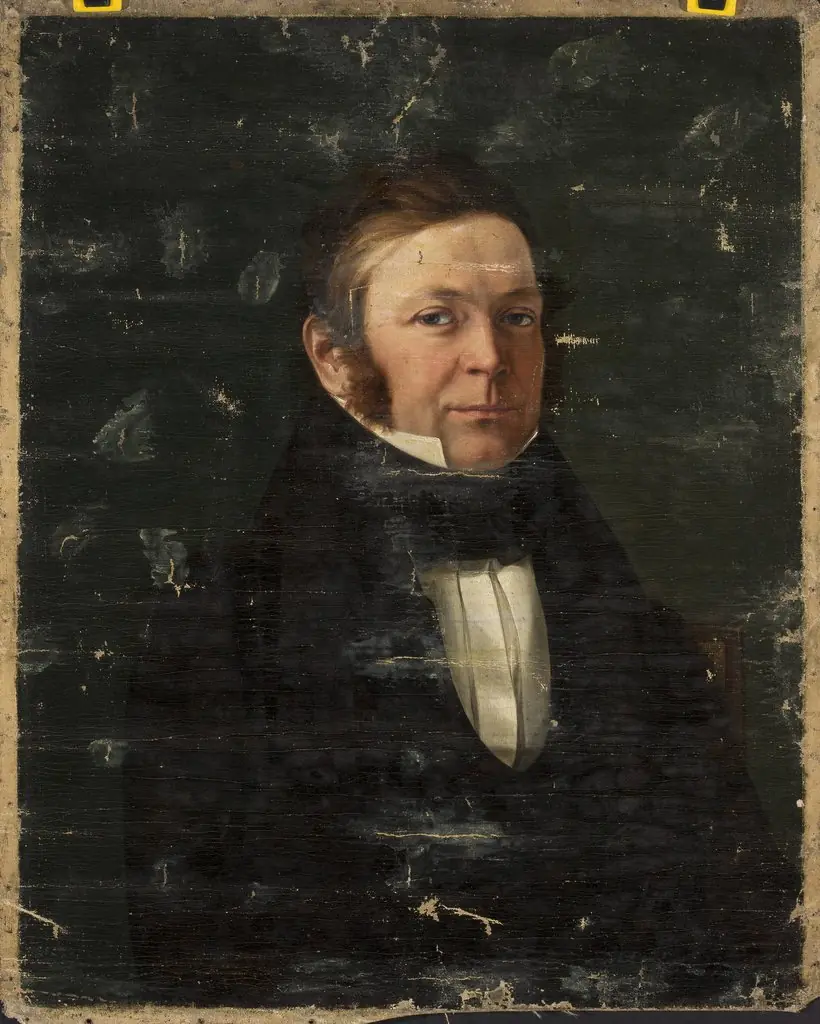 Portrait of a man
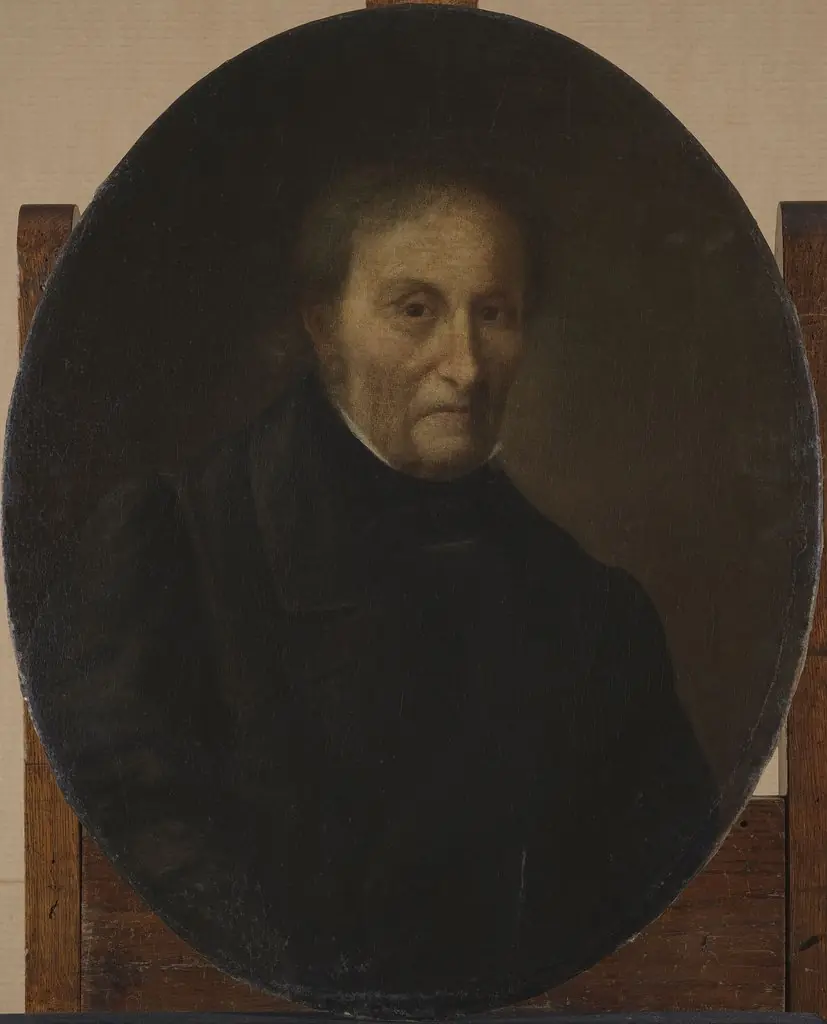 Portrait of Wiktor Grajewski, the last border judge in Samogitia
 The Architect Gottlieb Bindesbøll
 Self-portrait
 Portrait of Stanisław Kurpiewski
 Manuel Pasutti
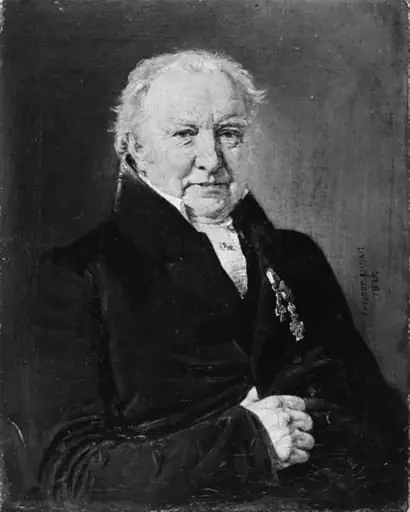 Professor dr. med. J.D. Herholdt
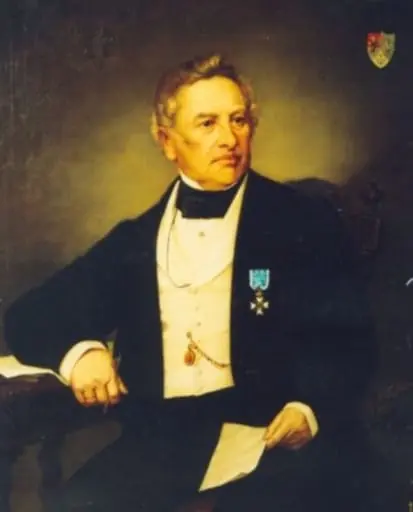 Scarlat Petrovici Armis