Artwork
Perseus's Last Duty
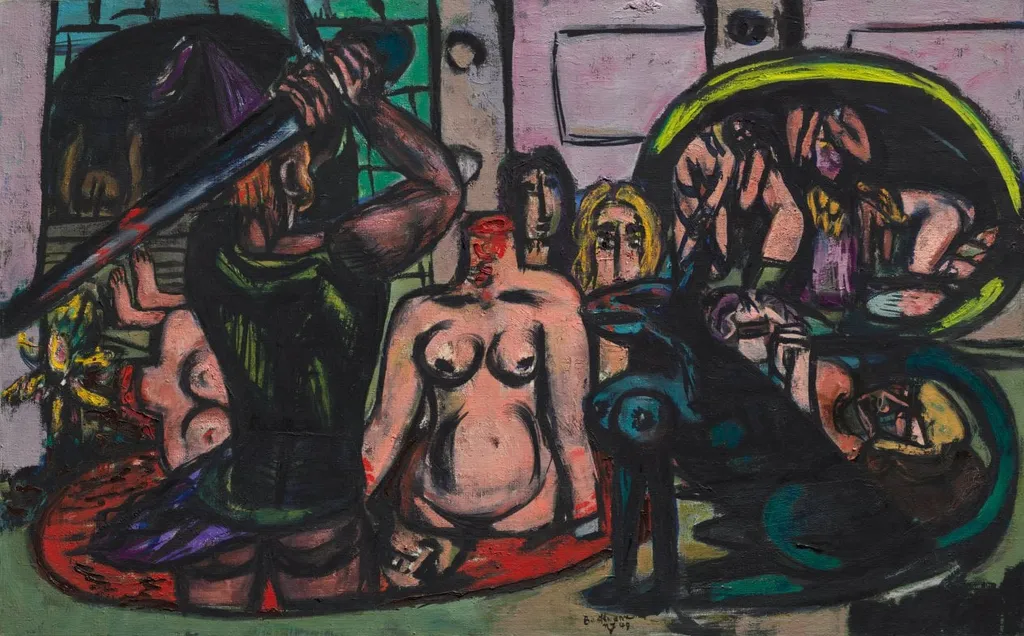
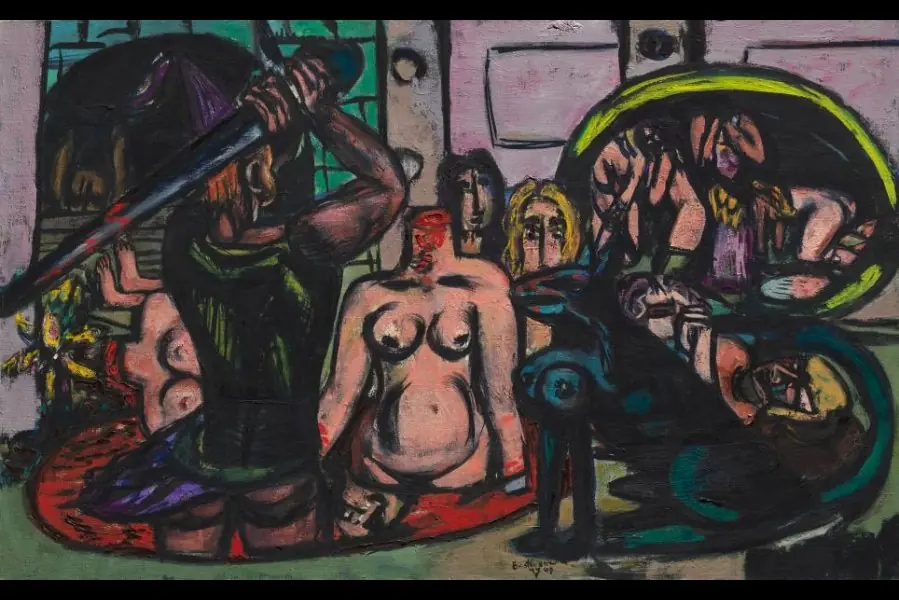
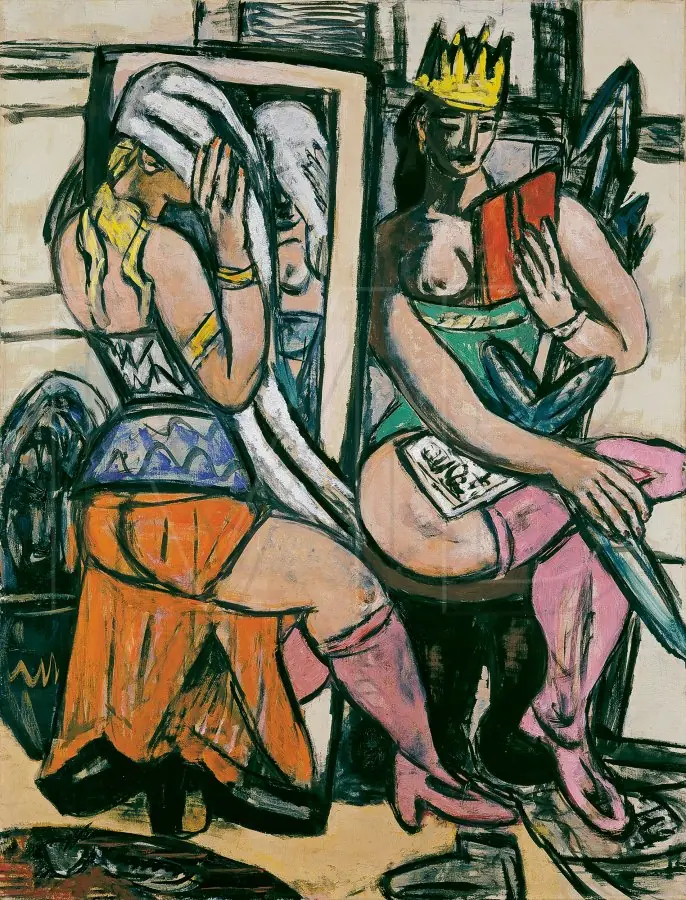
Perseus's Last Duty is an unspecified painting by Max Beckmann. It dates from 1949 and is held in the collection of the Cleveland Museum of Art. The canvas portrays a warrior in armor, positioned above a heap of corpses while clutching a sword and a severed head.
About this work
Beckmann fought in World War I and lived through World War II—this painting might be his way of showing how war twists old stories into something darker.
You see a crowded, chaotic scene: a warrior in armor stands over piles of dead bodies, holding a sword and a severed head.
This isn’t the usual heroic tale of Perseus. The violence here feels personal, almost like a bad dream. Beckmann fought in World War I and lived through World War II—this painting might be his way of showing how war twists old stories into something darker.
If you want to see more of Beckmann’s work, look up Max Beckmann (German, 1884–1950).
Overview
The canvas portrays a warrior in armor, positioned above a heap of corpses while clutching a sword and a severed head. Though the figure is identified as Perseus from Greek legend, the scene departs from the classical narrative and presents a nightmarish tableau of mass slaughter, rendered in a stark, chaotic composition.
Subject & Meaning
The work reinterprets the mythic hero as a symbol of humanity’s capacity for violence. By dressing Perseus in feminine attire, the artist undermines traditional glorifications of masculine martial prowess, suggesting an allegorical critique of the destructive impulses that fuel war and genocide.
Technique & Style
Rendered in a dense, expressionist manner, the painting employs bold outlines and a limited palette to heighten the sense of dread. The crowded composition and distorted figures convey a dream‑like, unsettling atmosphere, characteristic of the artist’s later, more somber visual language.
History & Provenance
Created after World War II, the piece reflects the artist’s personal trauma from serving as a medical orderly in World I and later persecution under the Nazi regime. Following his emigration to the United States in 1947, the painting entered the artist’s American period, embodying his response to the Holocaust and the emerging Cold War anxieties.
Context
The painting emerges from a historical moment marked by the aftermath of the Holocaust and the looming threat of nuclear conflict. Within this climate, the work functions as a bitter commentary on the cyclical nature of human destruction, repurposing an ancient myth to address contemporary horrors.
Artist & collection
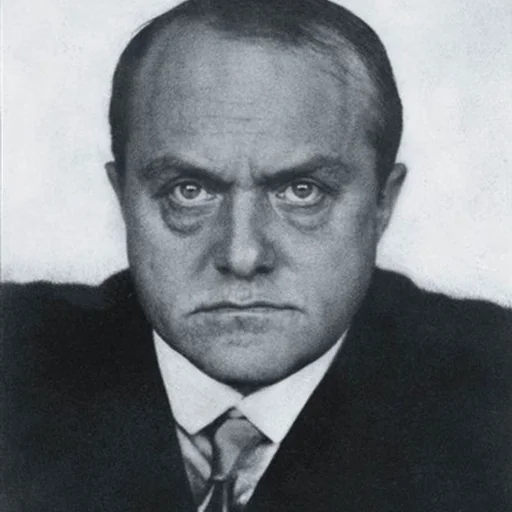
Artist
Max Carl Friedrich Beckmann (February 12, 1884 – December 27, 1950) was a German painter, draftsman, printmaker, sculptor, and writer.