Artwork
Nude couple
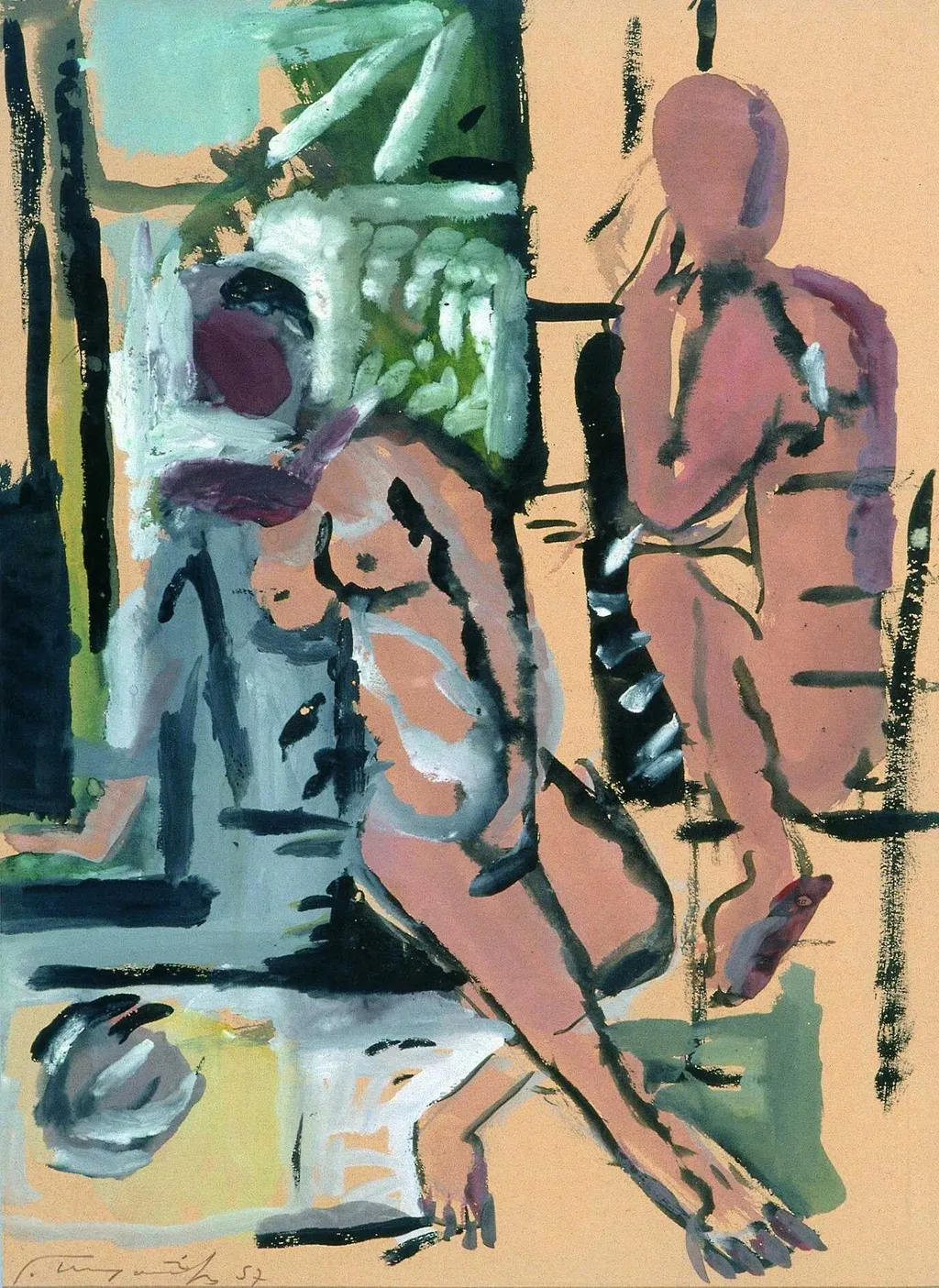
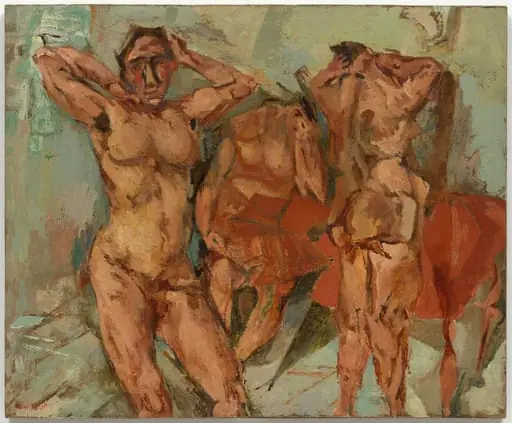
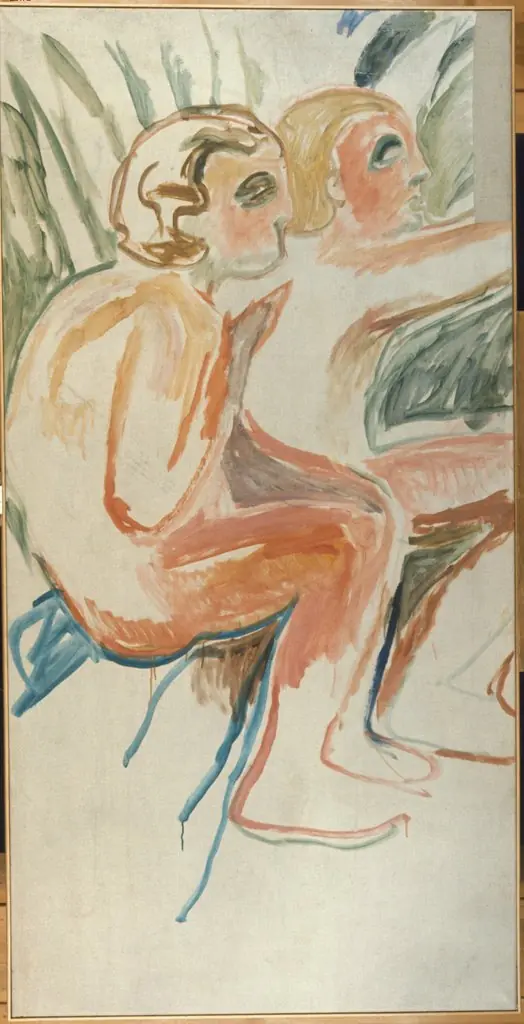
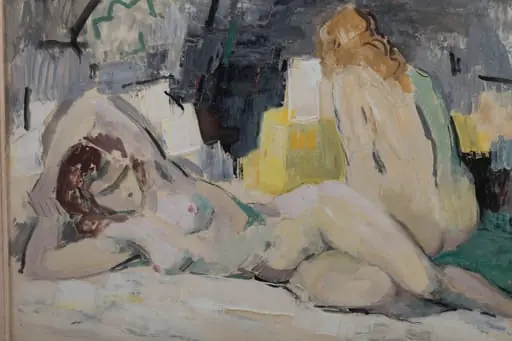
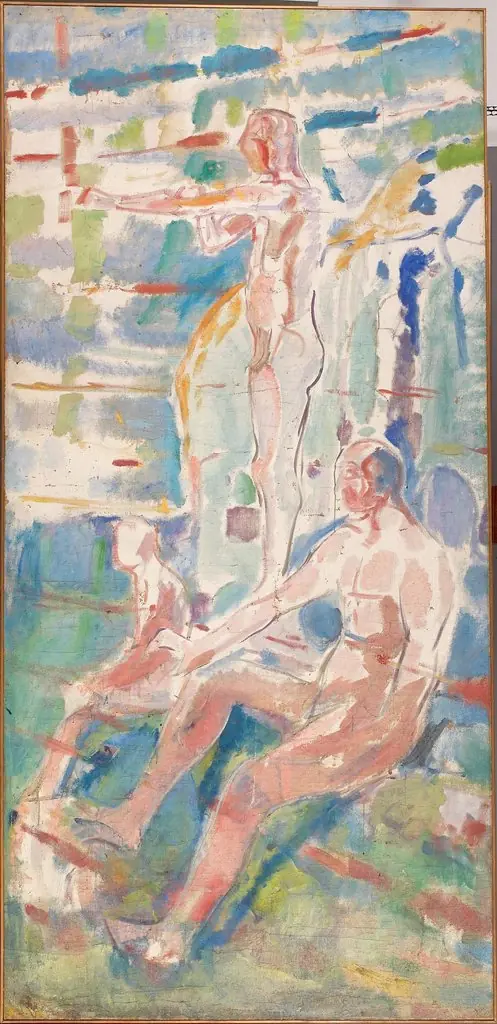
Nude couple is an unspecified painting by Yorgos Mavroidis. It dates from 1957 and is held in the collection of the Metropolitan Organisation of Museums of Visual Arts of Thessaloniki – MOMus.
About this work
His brushstrokes look nervous, almost angry, but they pull the scene together.
Yorgos Mavroidis paints a nude couple lying close together. Their bodies aren’t smooth or idealized. Instead, you see rough brush marks and bold colors that clash in places.
Mavroidis used color like a map. He planned where each hue would go before filling in the shapes. His brushstrokes look nervous, almost angry, but they pull the scene together.
This isn’t soft or romantic. It’s raw and real.
Look up Mavroidis, Yorgos (1913-2003).
Overview
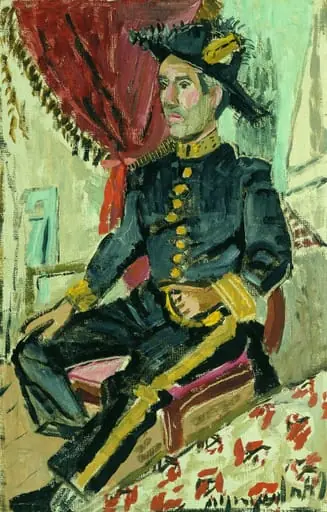
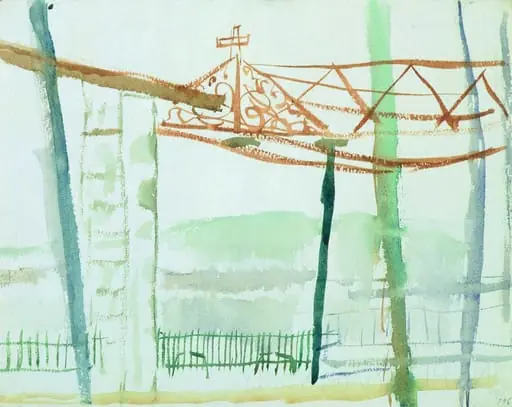
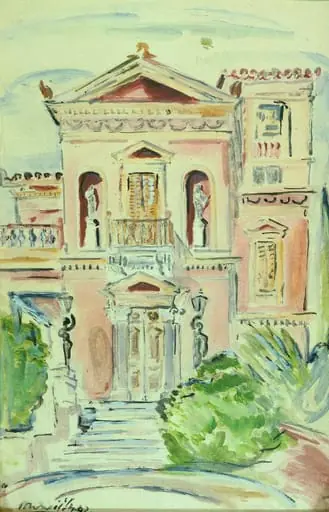
Yorgos Mavroidis (1913–2003) was a Greek painter whose work centered on expressive portraiture and landscape, often rendered in oil or watercolor. His approach prioritized emotional intensity over idealized form, using color as both structural and psychological tool. The nude couple painting exemplifies his signature style: unrefined surfaces, deliberate chromatic tension, and gestural brushwork that conveys inner states rather than external realism.
Subject & Meaning
The painting depicts two nude figures in intimate proximity, their forms rendered without classical smoothing or erotic idealization. Their closeness suggests vulnerability or emotional connection, but the treatment resists sentimentality. The rawness of the bodies and the agitated brushwork imply psychological presence over physical beauty, transforming the nude into a vehicle for emotional authenticity rather than aesthetic convention.
Technique & Style
Mavroidis constructed his compositions through deliberate color planning, assigning hues to define form before applying paint. His brushstrokes are abrupt and layered, creating a sense of nervous energy. In oil, he built texture with thick, uneven applications; in watercolor, he achieved subtler effects. Here, the clash of saturated tones and visible strokes rejects harmony in favor of emotional resonance, anchoring the figures in a tactile, unidealized space.
History & Provenance
Mavroidis worked primarily in Greece, drawing from the island landscapes and cultural atmosphere of his homeland. While his landscapes often employed watercolor for lyrical quietude, his figure studies like this one were typically oil-based and more confrontational. The painting’s provenance is not widely documented, but it aligns with his mid-20th century output, when his expressionist tendencies solidified amid Greece’s postwar artistic shifts.
Context
Emerging in the decades after World War II, Mavroidis operated within a Greek art scene grappling with modernism and national identity. His work diverged from academic traditions and leaned toward European expressionism, though without direct affiliation to major movements. The rawness of his nudes reflects a broader postwar interest in psychological truth, rejecting polished aesthetics in favor of visceral, unmediated representation.
Legacy
Mavroidis remains a distinctive voice in modern Greek art, recognized for his uncompromising use of color and gesture. His nude figures, though not widely exhibited internationally, are valued for their emotional candor and technical individuality. He influenced later Greek artists seeking to break from classical norms, establishing a precedent for expressive figuration grounded in personal perception rather than inherited ideals.
Artist & collection
Museum
Metropolitan Organisation of Museums of Visual Arts of Thessaloniki – MOMus
Continue through works from the same source collection.