Artwork
Reclining Woman (Portrait of Johanna Loeb)
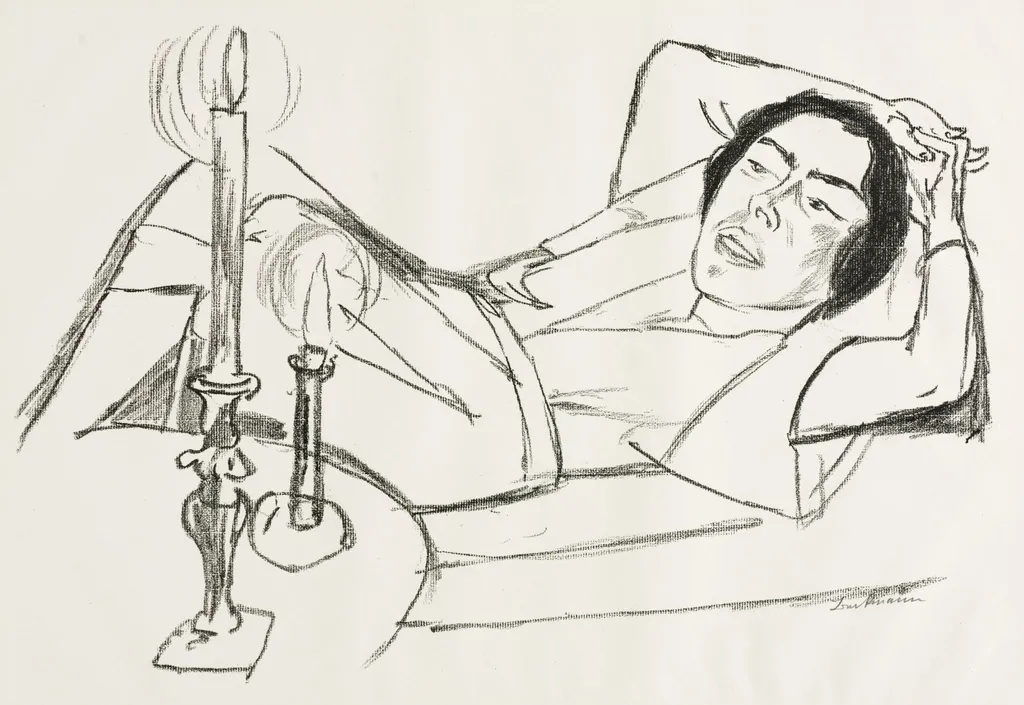
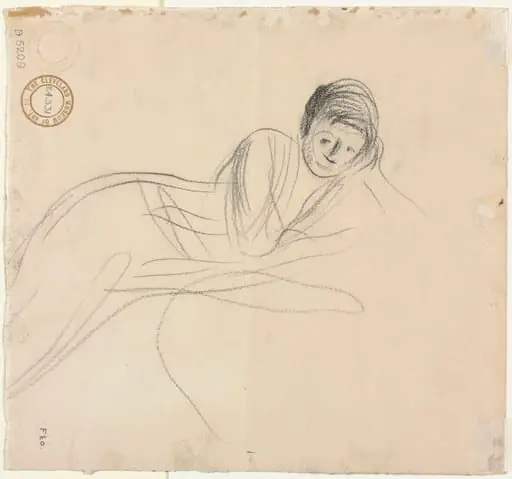
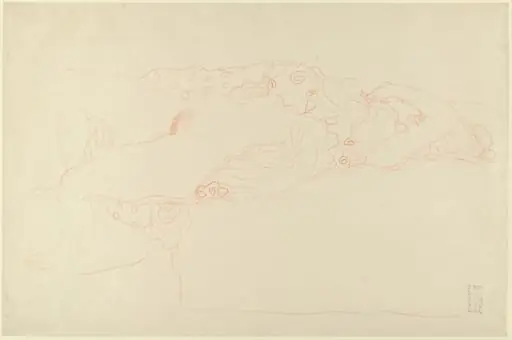
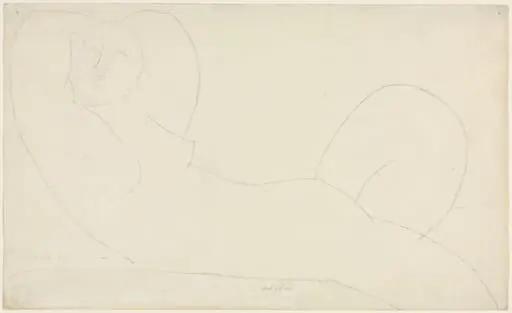
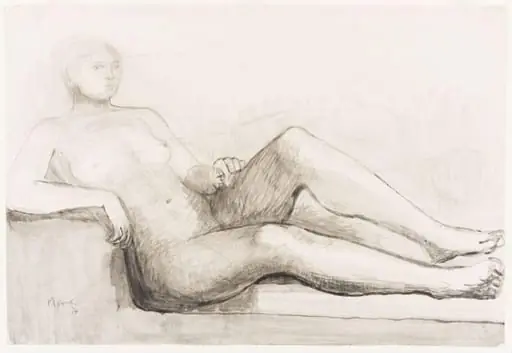
Reclining Woman (Portrait of Johanna Loeb) is a print by Max Beckmann. It dates from 1922 and is held in the collection of the Cleveland Museum of Art.
About this work
Overview
Though associated with the New Objectivity movement, Beckmann avoided overt social commentary here, instead focusing on psychological stillness.
Max Beckmann created *Reclining Woman (Portrait of Johanna Loeb)* in 1922 as a drypoint print, capturing his neighbor and friend Johanna Loeb in a moment of quiet repose. Though associated with the New Objectivity movement, Beckmann avoided overt social commentary here, instead focusing on psychological stillness. The work reflects his interest in the human form as a vessel for inner life, rendered with precision yet devoid of theatricality.
Subject & Meaning
The portrait depicts Johanna Loeb reclining with her head supported by her right hand, left arm bent near her face, eyes lowered in quiet introspection. Her composed posture and unadorned expression suggest inward reflection rather than performance. The absence of narrative context or symbolic elements directs attention to her presence alone, inviting contemplation of solitude and self-possession without overt emotional cues.
Technique & Style
Beckmann employed drypoint engraving to achieve fine, incised lines that define the figure with clarity and subtle texture. The solid, flat background isolates the subject, enhancing focus on her form. Delicate shading and restrained tonal variation convey volume without realism, aligning with New Objectivity’s emphasis on structural honesty. The white dress contrasts softly with darker contours, reinforcing the calm, meditative tone.
History & Provenance
The print was made during Beckmann’s time in Frankfurt, following his service in World War I and preceding his later exile. Johanna Loeb, a close acquaintance, was among the private individuals he portrayed during this period. The work remained in private collections until entering public institutional holdings, where it is now recognized as part of his intimate portraiture series from the early 1920s.
Context
Emerging in postwar Germany, the New Objectivity movement rejected Expressionist abstraction in favor of detached, precise observation. Beckmann’s work diverged from the movement’s typical social critique, instead turning inward to explore individual psychology. This portrait reflects a broader trend among artists of the era to seek stability through quiet, unembellished depictions of everyday presence amid societal upheaval.
Legacy
Though less widely known than Beckmann’s larger allegorical works, *Reclining Woman* exemplifies his ability to convey depth through restraint. It influenced later generations of figurative printmakers who valued psychological nuance over dramatic expression. The print remains a quiet touchstone in studies of modern portraiture, valued for its unforced intimacy and formal discipline.
Artist & collection
Artist
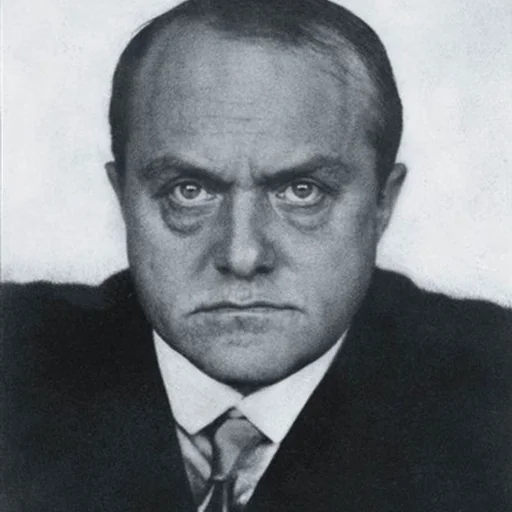
Max Carl Friedrich Beckmann (February 12, 1884 – December 27, 1950) was a German painter, draftsman, printmaker, sculptor, and writer.