Artwork
Untitled
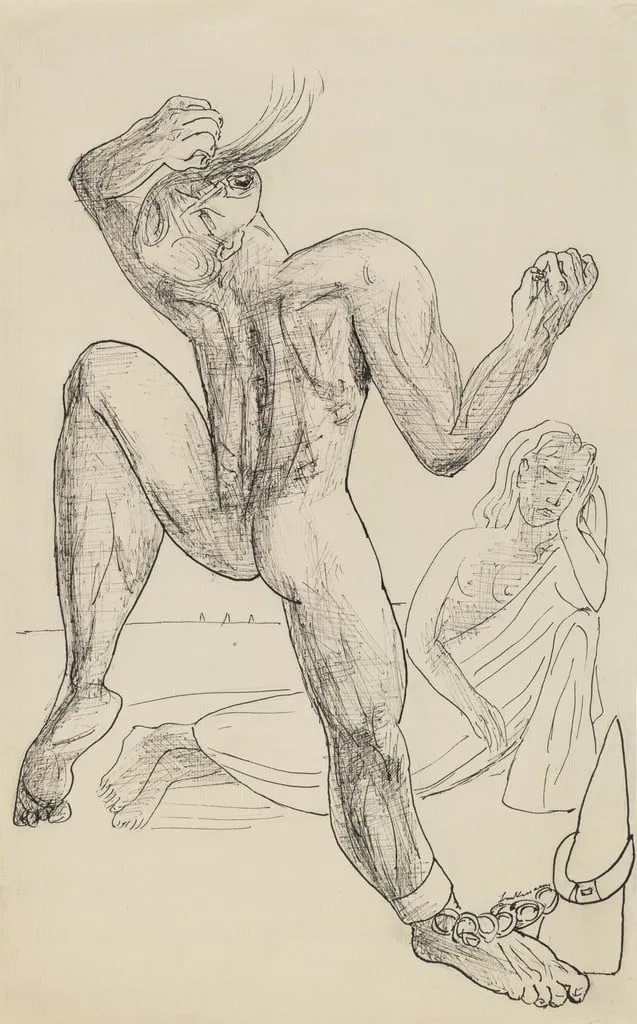
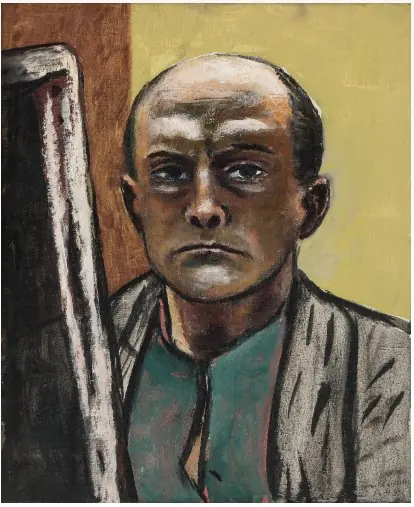
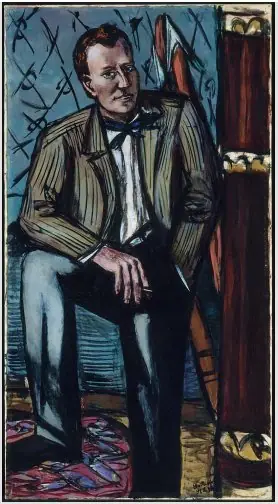
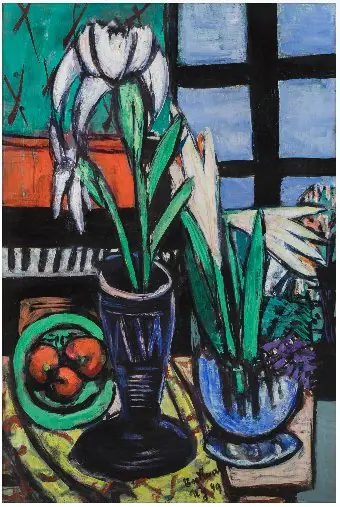
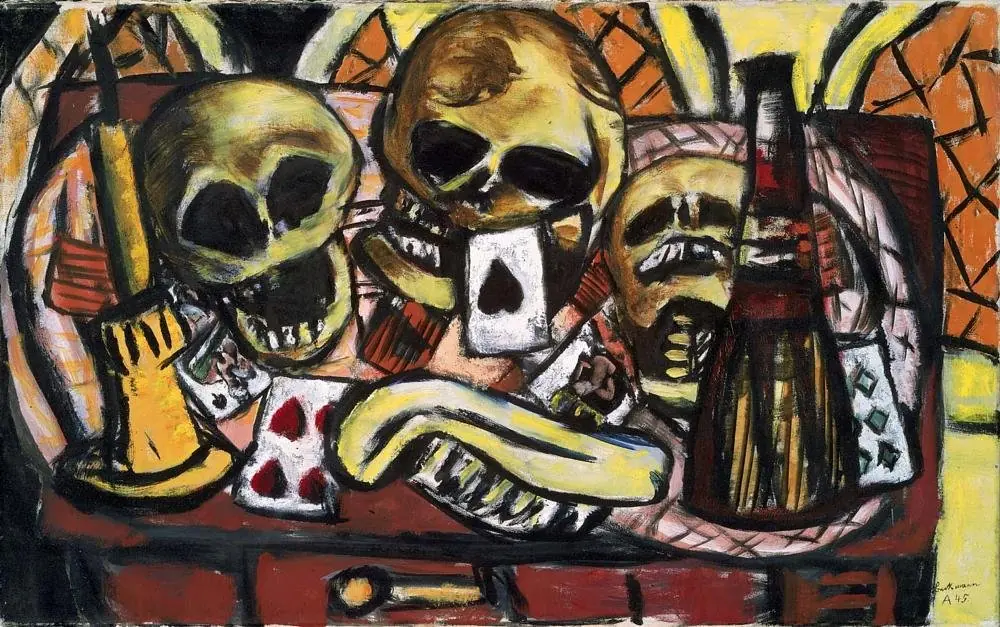
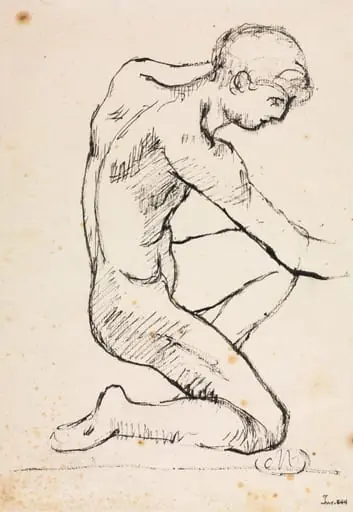
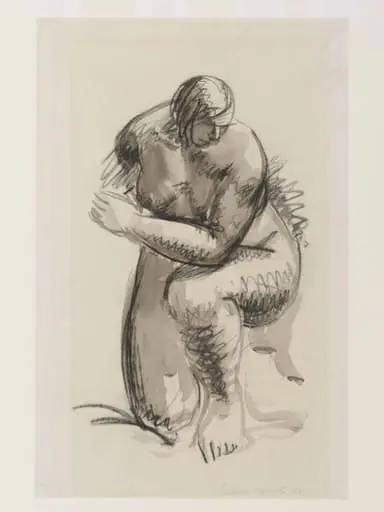
Untitled is an ink drawing by Max Beckmann. It dates from 1944 and is held in the collection of the Museum of Modern Art.
About this work
Overview
Created in 1944, this ink drawing by Max Beckmann reflects his late-period style—sparse, intense, and emotionally charged.
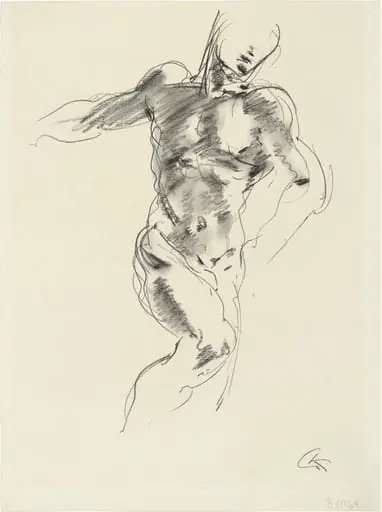
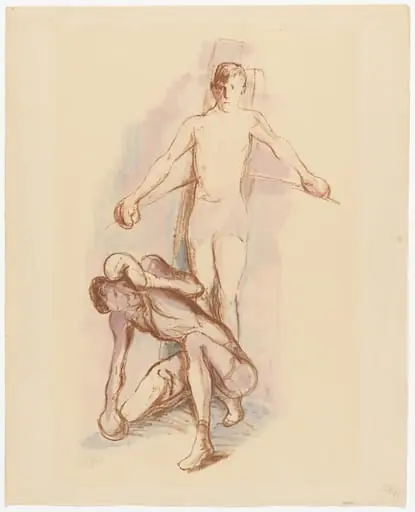
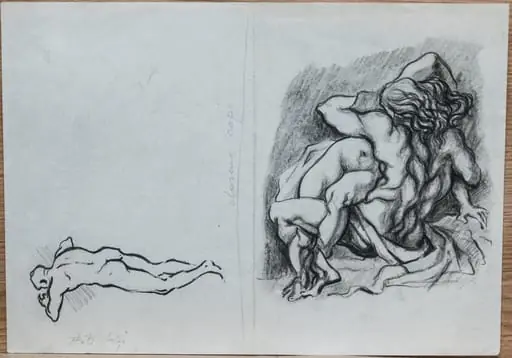
Created in 1944, this ink drawing by Max Beckmann reflects his late-period style—sparse, intense, and emotionally charged. Executed on paper with rapid, layered strokes, the work captures a quiet, ambiguous moment between two figures. Though unlabeled, its formal urgency and psychological tension align with Beckmann’s broader preoccupations during his exile in the United States, where he continued to explore human vulnerability through minimal means.
Subject & Meaning
Two figures occupy the space: one kneels, gesturing toward the head as if adjusting hair, while the other sits nearby, draped and barefoot. The lack of clear narrative invites interpretation—perhaps intimacy, exhaustion, or ritual. Beckmann often avoided literal storytelling, instead using gesture and posture to evoke unease. The figures’ isolation and ambiguous actions suggest inner turmoil, consistent with his response to the trauma of war and displacement.
Technique & Style
Beckmann employed dense cross-hatching to model form and shadow, creating texture through repeated, uneven lines. The ink flows with immediacy, revealing the artist’s hand in each stroke—some deliberate, others hurried. This technique, rooted in printmaking traditions, imparts a tactile roughness that amplifies the drawing’s emotional weight. The absence of fine detail forces focus on posture and gesture, stripping the scene to its psychological core.
History & Provenance
Made during Beckmann’s years in St. Louis, following his emigration from Nazi Germany, this work belongs to a prolific phase in which he produced numerous drawings on paper. These served as both private studies and public statements, often circulated in exhibitions or collected by close associates. The drawing’s survival reflects its status as part of a broader body of work documenting his personal and artistic response to upheaval.
Context
Though linked to Expressionism, Beckmann distanced himself from its emotional excesses, favoring the structured, observational approach of New Objectivity. By the 1940s, his work had evolved beyond that movement, absorbing the dislocation of exile and the horrors of global conflict. This drawing, like others from the period, reflects a world stripped of certainty—figures caught in silent, unresolved moments, devoid of context but rich in implication.
Legacy
Beckmann’s late drawings, including this one, influenced postwar artists seeking to convey psychological depth without overt symbolism. Their economy of line and emotional restraint offered an alternative to both abstraction and figurative realism. Today, these works are studied for their capacity to communicate complex inner states through minimal means, preserving Beckmann’s enduring commitment to human observation under duress.
Artist & collection
Artist
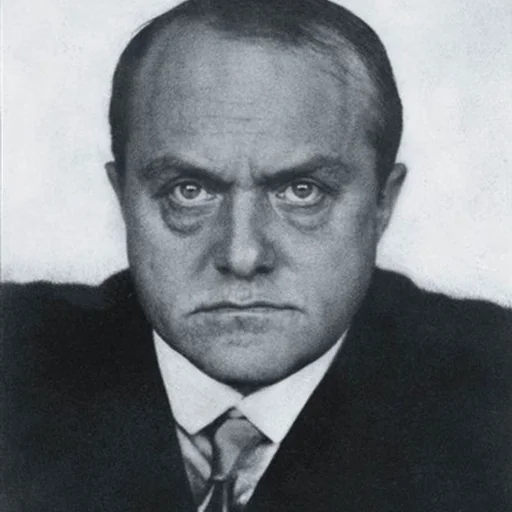
Max Carl Friedrich Beckmann (February 12, 1884 – December 27, 1950) was a German painter, draftsman, printmaker, sculptor, and writer.